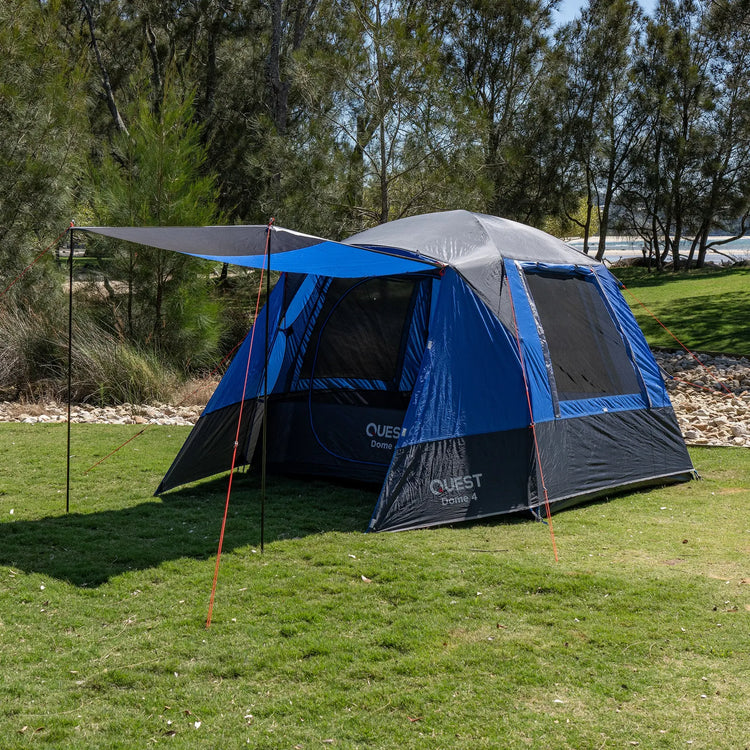
Setting up your tent can be tricky, especially when the wind picks up or the ground gets uneven. That’s where guy ropes come in—they are your tent’s best friend for staying steady and secure.
But do you really know how to use guy ropes the right way? If you want your tent to stand strong through any weather, understanding how to properly attach and tension these ropes is key. Keep reading, and you’ll learn simple, practical steps to make your tent rock-solid every time you camp.
Your next outdoor adventure just got a whole lot easier!
Purpose Of Guy Ropes
Guy ropes are essential parts of a tent setup. They help keep the tent steady and safe. Using them correctly improves your camping experience.
These ropes connect the tent to the ground or other supports. This connection helps the tent stand firm in different weather conditions.
Enhancing Tent Stability
Guy ropes add extra support to the tent frame. They stop the tent from moving or shifting on soft or uneven ground.
- Attach ropes to strong points on the tent.
- Secure ropes to ground stakes or heavy objects.
- Tighten ropes evenly to balance tension.
- Check knots to prevent slipping.
Preventing Tent Collapse
Strong guy ropes reduce the risk of the tent falling down. They hold the tent shape during sudden movements or pressure.
| Cause of Collapse | How Guy Ropes Help |
|---|---|
| Heavy Rain | Keep tent fabric tight to avoid sagging |
| Snow Build-up | Hold tent poles upright under weight |
| Uneven Ground | Prevent tent from leaning or tipping |
| Loose Stakes | Add extra anchoring points |
Withstanding Wind And Weather
Guy ropes help tents resist strong winds. They spread out the force and protect the tent from damage.
- Place ropes in the direction of the wind.
- Use sturdy stakes to hold ropes firmly.
- Adjust rope tension if wind changes.
- Inspect ropes regularly for wear.

Credit: www.travellingweasels.com
Choosing The Right Guy Ropes
Guy ropes are essential for keeping your tent stable. Selecting the right ones ensures safety and comfort during your camping trip.
Consider the material, length, thickness, and visibility when choosing guy ropes. These factors influence performance and ease of use.
Material Types
Guy ropes come in various materials. The most common are nylon and polyester. Each has its own advantages.
Nylon is strong and stretches slightly, which helps in windy conditions. Polyester is durable and resists UV damage better.
- Nylon: Strong and slightly elastic
- Polyester: Durable and UV resistant
Length And Thickness
The length of your guy ropes depends on your tent size and environment. Longer ropes offer more stability in windy areas.
Thickness affects the rope’s strength. Thicker ropes are stronger but heavier. Choose based on your camping needs.
- Short ropes: Good for calm weather
- Long ropes: Better for windy conditions
- Thick ropes: Stronger but heavier
Reflective Vs Non-reflective
Reflective guy ropes are easy to see at night. They help prevent tripping and are safer for campsites with little light.
Non-reflective ropes are less visible but may blend better with the environment. Choose based on your visibility needs.
- Reflective: Visible at night, safer
- Non-reflective: Blends with nature
Selecting Anchor Points
Choosing strong anchor points is key to keeping your tent steady. Good anchors hold the guy ropes tight and stop the tent from moving.
Pick spots that are solid and will not shift or break. This helps your tent stay safe in wind and rain.
Natural Anchors
Natural anchors include trees, rocks, and sturdy bushes. These can hold your guy ropes without extra tools.
Make sure the natural anchor is strong and will not move or break under pressure.
- Choose thick tree trunks or large rocks
- Avoid dead branches or loose rocks
- Wrap the rope securely around the anchor
Using Tent Pegs
Tent pegs are made for securing guy ropes to the ground. Use them in soft soil where natural anchors are not available.
Push pegs deep and at an angle for the best hold. Check that the rope is tight and the peg is firm.
- Use strong metal or plastic pegs
- Insert pegs at a 45-degree angle away from the tent
- Hammer pegs fully into the ground
- Pull guy ropes tight to prevent sagging
Avoiding Weak Spots
Weak anchor points can cause your tent to collapse. Look out for soft soil, loose rocks, or rotten wood.
Test each anchor point by pulling on the rope before relying on it. Change spots if anything feels loose.
- Avoid sandy or wet ground that pegs can slip from
- Do not tie ropes to dead or thin branches
- Stay away from loose stones or unstable surfaces
- Check all anchors regularly during use
Attaching Guy Ropes Correctly
Guy ropes keep your tent steady in wind and rain. Attaching them the right way helps your tent stay safe.
This guide covers knots, tension, and securing ends for strong guy rope setup.
Knots And Tying Techniques
Choose knots that hold tight and are easy to untie. The bowline knot is strong and common. The taut-line hitch lets you adjust rope length without untying.
- Use a bowline knot to make a fixed loop.
- Try the taut-line hitch to adjust tension later.
- A figure-eight knot stops rope ends from slipping.
Adjusting Tension
Keep ropes tight but not too tight. Loose ropes let the tent flap and fall. Over-tight ropes can damage tent fabric.
| Rope Condition | Effect |
| Too loose | Tent moves, less stable |
| Correct tension | Strong, stable tent |
| Too tight | Fabric stress, possible tears |
Securing Ends
Secure rope ends to avoid tripping or losing tension. Use rope stoppers or tie off ends neatly.
- Tuck loose ends under the rope or stake.
- Use small knots like overhand knots as stoppers.
- Check ends regularly during your trip.
Positioning Guy Ropes For Maximum Effect
Properly placing guy ropes helps keep your tent stable. It stops the tent from moving or collapsing in wind.
This guide covers how to angle, space, and adjust guy ropes to fit different grounds.
Optimal Angles
Guy ropes should pull the tent fabric tight. The best angle is about 45 degrees from the tent’s edge to the ground.
- Keep ropes tight but not too tight to avoid damage.
- Use tensioners to adjust rope length easily.
- Angles less than 30 degrees reduce stability.
- Angles greater than 60 degrees can pull tent poles out of place.
Spacing Around Tent
Space guy ropes evenly around the tent for balanced support. Uneven spacing can cause uneven pressure on tent poles.
| Distance from Tent Peg | Recommended Spacing |
| Small Tent (up to 2 people) | 3 to 4 feet |
| Medium Tent (3-4 people) | 4 to 6 feet |
| Large Tent (5+ people) | 6 to 8 feet |
Adapting To Terrain
Different grounds need different rope setups. Soft soil, rocky areas, and slopes require special care.
Use this checklist to adapt guy ropes on various terrains:
- Soft Soil:Use longer pegs and deeper angles for better grip.
- Rocky Ground:Tie ropes to heavy rocks or use specialized anchors.
- Slopes:Place pegs uphill and angle ropes downhill to resist pull.
- Snow:Use snow stakes or bury ropes under packed snow.
Maintaining And Checking Guy Ropes
Guy ropes keep your tent stable in wind and rain. You must check and maintain them often.
Proper care helps your tent last longer and stay safe during your trips.
Regular Tightening
Check your guy ropes regularly and tighten them as needed. Loose ropes can cause the tent to sag or collapse.
- Pull each guy rope tight by hand.
- Adjust the tensioners or knots to hold the rope firmly.
- Make sure the ropes are not too tight to avoid damage.
- Repeat checks during strong wind or heavy rain.
Inspecting For Wear
Look over your guy ropes to find signs of wear or damage. Early detection prevents failure during use.
| Wear Sign | What to Check | Action Needed |
|---|---|---|
| Fraying | Look for loose or broken fibers | Replace rope if fraying is severe |
| Discoloration | Faded or weak rope material | Monitor rope condition regularly |
| Stiffness | Rope feels hard or brittle | Consider replacing to prevent breakage |
Replacing Damaged Ropes
Replace any ropes that show clear damage. Using weak ropes risks your tent’s stability.
Follow these tips when changing your guy ropes:
- Choose ropes made for outdoor use and strong enough for your tent.
- Cut the new rope to the same length as the old one.
- Secure knots tightly and test the tension after replacement.
- Store spare ropes in your tent bag for emergencies.
Common Mistakes To Avoid
Guy ropes help keep your tent stable in wind and rain. Using them right makes camping safer and more comfortable. Avoid these common mistakes to get the best support from your guy ropes.
Many campers use guy ropes incorrectly without knowing it. This can cause damage to the tent or make it less secure. Learn what to watch out for below.
Overtightening
Pulling guy ropes too tight can harm your tent fabric and poles. It may cause seams to rip or poles to bend. You want the ropes firm, but not stretched too hard.
- Check tension regularly and adjust if needed.
- Leave a little slack to allow for wind movement.
- Avoid using tools or excessive force to tighten ropes.
- Use rope tensioners designed for your guy ropes.
Ignoring Rope Condition
Old or damaged guy ropes can fail when you need them most. Check ropes before use and replace if worn or frayed.
| Rope Condition | Signs to Replace |
|---|---|
| New or Good | No frays, no discoloration, feels strong |
| Worn | Frayed strands, stiff or brittle, faded color |
| Unsafe | Broken strands, soft spots, cuts or burns |
Poor Anchor Selection
Choosing the wrong anchor spots makes guy ropes useless. Soft ground or loose rocks will not hold tension.
Follow these tips for good anchors:
- Use solid objects like trees or large rocks.
- Drive stakes deep into firm soil at an angle.
- Test anchors by pulling before setting the ropes tight.
- Avoid loose or sandy spots that shift easily.

Credit: www.amazon.com

Credit: www.travellingweasels.com
Frequently Asked Questions
What Are Guy Ropes Used For On Tents?
Guy ropes stabilize tents by securing them to the ground. They prevent swaying and collapse during wind or rain. Proper use improves tent durability and comfort while camping.
How Do You Properly Attach Guy Ropes To A Tent?
Attach guy ropes to tent loops or rings. Use strong knots like the taut-line hitch for adjustability. Secure the other end firmly to ground stakes. This ensures optimal tension and stability.
Where Should You Place Guy Ropes Around Your Tent?
Place guy ropes evenly around the tent perimeter. Focus on corners and midpoints for balanced support. Avoid placing them too close or too far from the tent walls. Proper spacing enhances wind resistance.
Can Guy Ropes Prevent Tent Damage In Bad Weather?
Yes, guy ropes reduce tent strain during storms. They keep the tent taut and upright, minimizing fabric flapping and pole stress. Using them correctly extends your tent’s lifespan in harsh conditions.
Conclusion
Using guy ropes helps keep your tent steady in wind or rain. Tie them tight and anchor them well to avoid sagging. Check ropes often to keep your tent secure all night. Proper use prevents damage and makes camping safer.
Practice setting them up before your trip for quick pitching. Remember, simple steps lead to a strong, stable shelter. Enjoy your outdoor adventure with confidence and comfort.