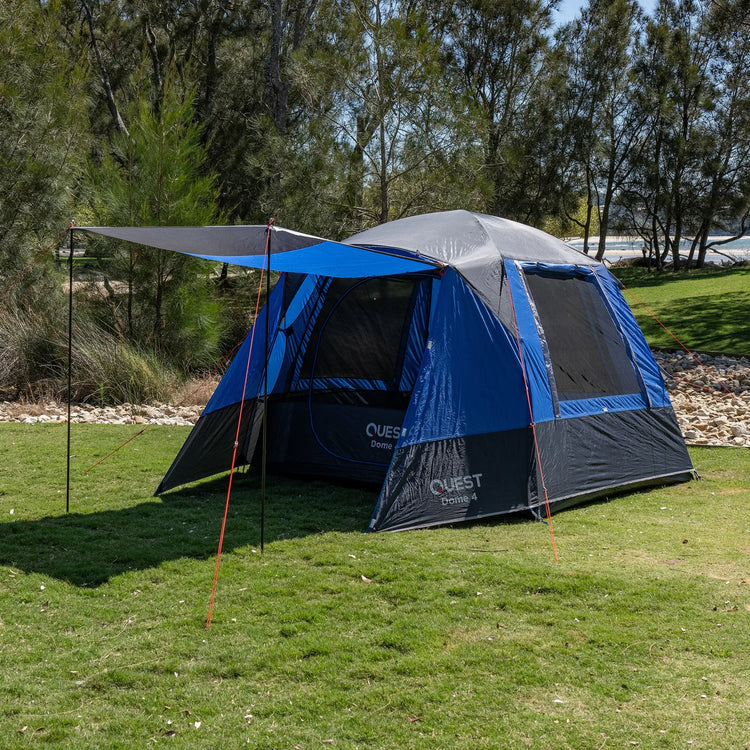
Setting up your tent securely can make all the difference between a good night’s sleep and a restless one. If you want your tent to stand strong against wind and weather, knowing how to use guy ropes is a game changer.
These simple ropes add stability and keep your tent firm, but only if you use them right. In this guide, you’ll discover easy steps to master guy ropes, making your camping experience safer and more comfortable. Keep reading to learn how a few well-placed ropes can transform your tent setup and protect you from unexpected storms.

Credit: www.amazon.co.uk
Choosing The Right Guy Ropes
Guy ropes keep your tent stable and safe. Picking the right rope helps in strong support and easy setup.
Consider materials, size, and visibility before you buy or use guy ropes on your tent.
Materials And Durability
Guy ropes come in different materials like nylon, polyester, and polypropylene. Nylon stretches a little but is strong. Polyester resists sun damage and stays tight. Polypropylene is cheap but less durable.
- Nylon: strong, stretches slightly, good for windy areas
- Polyester: resists UV rays, holds shape well
- Polypropylene: affordable, less durable, good for short trips
Length And Thickness
Choose the right length and thickness to match your tent size and weather. Longer ropes give more space but can tangle. Thicker ropes hold more weight but add bulk.
| Rope Thickness | Best Use | Weight Capacity |
| 3 mm | Small tents, light wind | Up to 100 lbs |
| 4-5 mm | Medium tents, moderate wind | 100-200 lbs |
| 6 mm or more | Large tents, strong wind | 200+ lbs |
Reflective Vs Non-reflective
Reflective guy ropes help you see the ropes at night. Non-reflective ropes blend with nature but can be hard to spot.
Here are benefits of each type:
- Reflective:Easy to spot, reduces tripping risk, good for dark campsites
- Non-Reflective:Less visible, better for natural look, may need extra markers
Essential Tools For Setup
Using guy ropes on a tent helps keep it stable in wind and rain. You need some tools to set them up properly. These tools make the process easier and safer.
Choosing the right tools ensures your tent stays firm. It also saves time and effort during setup.
Tent Pegs And Stakes
Tent pegs and stakes anchor the guy ropes to the ground. They stop the tent from moving in strong winds. You should pick pegs based on the ground type.
Metal pegs work well in hard soil. Plastic or wooden stakes suit soft or sandy ground. Make sure pegs are long enough to hold tight.
- Metal tent pegs for rocky or firm soil
- Plastic stakes for soft soil or sand
- Wooden stakes for grassy areas
- Choose pegs longer than 6 inches for good hold
Tensioners And Adjusters
Tensioners help keep the guy ropes tight. They let you adjust the rope length easily. This keeps the tent stable and neat.
Common tensioners include cord locks, rope cleats, and plastic adjusters. Pick ones that suit your rope size and type.
- Cord locks allow quick rope tightening
- Rope cleats hold the rope firmly in place
- Plastic adjusters slide to lengthen or shorten rope
- Use tensioners that are easy to operate with gloves
Measuring Tools
Measuring tools help you place pegs at the right distance. This ensures proper tension on the guy ropes. It also prevents sagging or damage.
A tape measure or a folding ruler works well. Mark the correct rope length before securing the pegs.
- Use tape measure to check rope length
- Mark peg spots to keep even spacing
- Measure ground slope to adjust rope tightness
- Double-check distances before driving pegs
Preparing The Tent Site
Setting up a tent starts with preparing the site properly. A good site keeps your tent stable and comfortable.
This guide covers how to select the ground, clear debris, and plan guy rope positions for safety.
Selecting A Level Ground
Pick a flat area to set your tent. Level ground helps your tent stay steady and makes sleeping more comfortable.
Avoid slopes or uneven terrain. Look for soft soil that will hold stakes well but is not too muddy.
Clearing Debris
Remove rocks, sticks, and other debris from the site. These can damage your tent floor and cause discomfort.
- Pick up sharp stones and branches
- Clear leaves and loose dirt
- Check for ant hills or insect nests
- Flatten the ground if possible
Planning Guy Rope Positions
Plan where to place your guy ropes before setting up the tent. Proper rope placement keeps the tent stable during wind.
| Guy Rope Position | Purpose |
| Front | Secures entrance and door flap |
| Back | Supports the tent’s main structure |
| Sides | Prevents tent from swaying |
| Corner Stakes | Keeps tent base tight to ground |
Attaching Guy Ropes To The Tent
Guy ropes keep your tent stable in wind and rain. Attach them properly for best results.
Follow simple steps to attach guy ropes safely and securely to your tent.
Locating Attachment Points
Find the loops or rings on your tent where guy ropes can attach. These points are often at the tent’s corners or near the rainfly.
Check your tent’s instructions if unsure about the exact spots for attaching guy ropes.
Knots For Secure Fastening
Use strong knots to keep the guy ropes tight and prevent slipping. Good knots hold under tension but are easy to untie.
- Tie a bowline knot to create a fixed loop at the rope’s end.
- Use a taut-line hitch to adjust the rope’s tension after securing it.
- Finish with a half hitch to lock the knot and add extra security.
Avoiding Damage To Tent Fabric
| Tip | Reason |
|---|---|
| Do not tie guy ropes directly to fabric | Prevents tearing or holes in the tent material |
| Use attachment points designed for guy ropes | Distributes force evenly and protects fabric |
| Check ropes for rough spots or dirt | Avoids abrasion damage to the tent |
| Keep knots and tension away from fabric edges | Reduces wear and stretching of fabric |
Setting Up And Tensioning Guy Ropes
Guy ropes help keep your tent steady in windy or rainy weather. Setting them up right is key for safety and comfort. Tensioning the ropes correctly stops your tent from sagging or falling.
This guide covers the best angle for stability, how to use tensioners, and checking rope tension.
Proper Angle For Stability
The angle at which you attach guy ropes affects how well they hold your tent. Aim for a 45-degree angle between the ground and the rope. This angle offers the best balance of pull and support.
- Drive pegs firmly into the ground at a 45-degree angle away from the tent.
- Attach the guy rope to the tent’s loop or ring.
- Pull the rope tight before securing it to the peg.
- Keep the rope straight without twists for better strength.
Using Tensioners Correctly
Tensioners help adjust the rope’s tightness. Use them to keep ropes firm but not overly tight. Too much tension can damage your tent fabric or poles.
| Tensioner Type | How to Use |
| Plastic Clip | Slide rope through and pull to tighten. Lock clip in place. |
| Metal Ring | Thread rope through rings and pull tight. Tie a secure knot. |
| Adjustable Buckle | Feed rope through buckle. Slide buckle to adjust tension. |
Checking Rope Tension
Check rope tension after setup and during use. Proper tension keeps your tent firm and safe.
- Press down on the tent fabric near the guy ropes.
- If the fabric moves or sags, tighten the ropes.
- Listen for snapping sounds that mean ropes are too tight.
- Adjust tensioners to keep ropes firm but flexible.

Credit: www.travellingweasels.com
Tips For Maintaining Guy Ropes
Guy ropes help keep your tent stable in wind and rain. Taking care of them is important for safety and durability.
Regular maintenance makes sure your ropes stay strong and ready for every camping trip.
Regular Inspections
Check your guy ropes before and after each use. Look for cuts, frays, or weak spots along the rope.
Check knots and attachment points. Make sure they are tight and not slipping.
- Look for worn or damaged areas
- Check knots and tension regularly
- Replace ropes showing signs of weakness
Cleaning And Storage
Keep your guy ropes clean by removing dirt and mud. Use water and a soft brush to clean them.
Dry ropes completely before storing them. Wet ropes can develop mold and weaken over time.
- Rinse with clean water after use
- Brush off dirt and debris gently
- Store in a cool, dry place away from sunlight
Replacing Worn Ropes
Replace guy ropes if you see deep cuts or heavy fraying. Old ropes may break under tension.
Use ropes with the right thickness and strength for your tent. Proper replacement keeps your setup safe.
- Check rope strength before replacing
- Use ropes made for outdoor use
- Replace any rope showing clear damage
Common Mistakes To Avoid
Using guy ropes on a tent helps keep it stable and safe. Many people make simple errors that reduce the tent’s strength.
Knowing which mistakes to avoid can improve your camping experience. Read about common problems with guy ropes below.
Over-tightening
Pulling guy ropes too tight can damage your tent fabric or poles. It also puts extra strain on the ropes and pegs.
Leave some slack so the tent can move a little in the wind. This helps prevent tears and breakage.
- Check tension regularly and adjust if needed
- Avoid making ropes rock hard tight
- Allow flexibility for wind to pass through
Ignoring Weather Conditions
Weather affects how you should use guy ropes. Strong winds need tighter ropes, while calm weather allows looser settings.
Not adjusting your guy ropes for weather can cause the tent to collapse or blow away.
- Tighten ropes before windy days
- Loosen ropes if the wind stops
- Check ropes after storms or rain
Incorrect Peg Placement
Placing pegs too close or at the wrong angle weakens the guy rope hold. This makes the tent less stable.
Put pegs firmly in the ground and at a 45-degree angle away from the tent. Space them evenly for better support.
- Drive pegs deep for strong grip
- Angle pegs away from the tent
- Space pegs evenly around the tent

Credit: www.amazon.com
Frequently Asked Questions
What Are Guy Ropes Used For On A Tent?
Guy ropes stabilize your tent in windy conditions. They prevent the tent from collapsing or shifting. Proper use ensures safety and comfort while camping.
How Do You Attach Guy Ropes To A Tent?
Attach guy ropes to the tent’s designated loops or rings. Securely tie the ropes to sturdy stakes in the ground. Adjust tension to keep the tent taut and stable.
Can Guy Ropes Prevent Tent Damage In Bad Weather?
Yes, guy ropes reduce stress on tent fabric and poles. They help maintain tent shape during strong winds and rain. Using them properly extends your tent’s lifespan.
How Tight Should Guy Ropes Be On A Tent?
Guy ropes should be taut but not overly tight. Proper tension keeps the tent stable and prevents fabric strain. Regularly check and adjust during your camping trip.
Conclusion
Mastering the art of using guy ropes is essential for camping. They keep your tent stable in windy conditions. Always check the tension for safety. Practice setting them up before your trip. This ensures you’re prepared when you camp. Remember to pack extra stakes, just in case.
Securely anchored tents offer peace of mind. With these tips, enjoy a safe and comfortable camping experience. Happy camping!