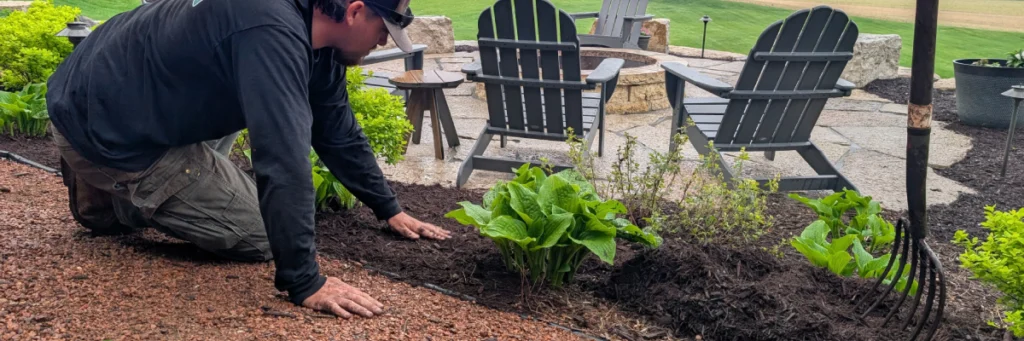
Are you tired of battling weeds that ruin your beautiful garden? Imagine a simple way to keep your plants healthy and your outdoor space looking neat without constant weeding.
That’s where landscape fabric comes in. By learning how to use landscape fabric correctly, you can save time, reduce maintenance, and give your garden the care it deserves. Keep reading, and you’ll discover easy steps to make your gardening efforts more effective and enjoyable.

Credit: www.amazon.ca
Benefits Of Landscape Fabric
Landscape fabric helps keep your garden neat and healthy. It is a useful tool for gardeners and landscapers.
This fabric creates a barrier between soil and plants. It blocks weeds and lets water pass through easily.
Weed Control
Landscape fabric stops weeds from growing by blocking sunlight. This reduces the need to pull weeds by hand or use chemicals.
Soil Moisture Retention
The fabric helps keep soil moist longer. It slows down evaporation and keeps plants hydrated during dry days.
Soil Erosion Prevention
Landscape fabric holds soil in place during rain or wind. It protects slopes and other areas from washing away.
Improved Soil Temperature
The fabric helps keep soil temperature stable. It can keep soil warmer in cold months and cooler in hot months.
Easy Maintenance
Using landscape fabric reduces garden work. It cuts down on weeding and watering time.
- Saves time on garden upkeep
- Reduces use of herbicides
- Protects plant roots
- Improves plant growth environment
Types Of Landscape Fabric
Landscape fabric helps control weeds and conserve soil moisture. Different types suit various garden needs.
Choosing the right fabric depends on your soil, plants, and climate. Each type has unique features.
Woven Landscape Fabric
This fabric is made by weaving plastic threads together. It is strong and durable.
Woven fabric allows water and air to pass through. It works well for flower beds and vegetable gardens.
Non-woven Landscape Fabric
Non-woven fabric is made by bonding fibers with heat or chemicals. It forms a solid barrier against weeds.
This type is often thicker and heavier. It is good for areas with heavy weed growth.
Permeable Landscape Fabric
Permeable fabric lets water and air reach plant roots. It helps prevent soil erosion.
- Allows water drainage
- Prevents weed growth
- Supports healthy soil
Biodegradable Landscape Fabric
This fabric breaks down naturally over time. It is made from organic materials like jute or coir.
Biodegradable fabric is eco-friendly. It is best for short-term projects or seasonal gardens.
Plastic Sheeting
Plastic sheeting blocks all light and water. It kills weeds but can harm soil health.
| Type | Water Permeability | Durability | Best Use |
| Woven Fabric | High | High | Flower beds, vegetable gardens |
| Non-Woven Fabric | Medium | Very High | Heavy weed areas |
| Permeable Fabric | Very High | Medium | Soil erosion control |
| Biodegradable Fabric | High | Low | Short-term gardens |
| Plastic Sheeting | None | High | Weed kill, non-plant areas |
Selecting The Right Fabric
Choosing the right landscape fabric is important for garden success. The fabric helps control weeds and supports plant growth.
Different fabrics work better in different garden types. It is key to pick a fabric that fits your needs and soil conditions.
Considerations For Different Gardens
Gardens vary in plant types, soil, and water needs. Choose fabric that suits these factors well. Some fabrics allow water and air to pass through, helping plants grow.
For vegetable gardens, use fabrics that are breathable and durable. Flower beds may need fabric that blocks more sunlight to stop weeds. In rocky or steep areas, choose stronger fabric that holds soil in place.
- Vegetable gardens: breathable and strong fabric
- Flower beds: fabric with good weed blocking
- Rocky or sloped gardens: heavy-duty fabric
Comparing Materials And Durability
Landscape fabrics come in woven and non-woven types. Woven fabrics are made from fibers woven tightly. Non-woven fabrics are made from fibers bonded together.
Woven fabrics are strong and last longer. Non-woven fabrics are softer and allow more water flow. Check the fabric’s thickness and UV resistance for durability.
| Material Type | Durability | Water Permeability | Best Use |
|---|---|---|---|
| Woven | High | Moderate | Long-term gardens, heavy weed control |
| Non-woven | Medium | High | Short-term use, good water flow |
Tools And Materials Needed
Using landscape fabric helps control weeds and protect soil. You need the right tools and materials for a smooth job.
Gather all items before you start. This saves time and makes the work easier.
Landscape Fabric
Choose a durable, UV-resistant landscape fabric. It should allow water and air to pass through.
Measuring Tools
Measure the area where you will place the fabric. Accurate measuring helps you buy the right amount of fabric.
- Measuring tape
- Chalk or marking paint
- String line
Cutting Tools
You need sharp tools to cut the fabric to size. Scissors or a utility knife works well.
Fasteners And Stakes
Use fasteners or stakes to hold the fabric in place. They keep the fabric from moving or blowing away.
| Type | Use |
| Landscape staples | Secure fabric to soil |
| U-shaped pins | Hold fabric edges |
| Metal stakes | Fix fabric on slopes |
Additional Materials
Other helpful items include:
- Garden gloves to protect your hands
- Rake to clear the soil
- Wheelbarrow to move soil or mulch
Preparation And Planning
Using landscape fabric helps control weeds and keeps your garden tidy. Proper preparation and planning make the process easier and more effective.
Before laying the fabric, measure and prepare your garden area carefully. This ensures you buy the right amount and place the fabric correctly.
Measuring Your Garden Area
Measure the length and width of the space where you want to place the fabric. Accurate measurements help avoid waste and gaps.
- Use a tape measure for precise length and width
- Mark the corners with stakes or flags
- Calculate total square footage by multiplying length by width
- Buy extra fabric to allow for overlaps and mistakes
Clearing And Leveling The Ground
Clear the area of grass, weeds, and debris before laying the fabric. Level the soil to prevent water pooling and fabric tearing.
| Task | Tools Needed | Tips |
|---|---|---|
| Remove weeds and grass | Hoe, shovel, gloves | Pull roots out completely to stop regrowth |
| Clear rocks and debris | Rake, wheelbarrow | Dispose of debris away from the garden |
| Level the soil | Rake, garden roller | Fill holes and smooth bumps carefully |
Installing Landscape Fabric
Landscape fabric helps control weeds in gardens and flower beds. It allows water and air to reach the soil while blocking sunlight from weeds.
Installing landscape fabric is simple. Follow these steps to prepare your garden and place the fabric correctly.
Step-by-step Installation Guide
Start by clearing the area of all plants, rocks, and debris. Smooth the soil to make a flat surface for the fabric.
Cut the fabric to fit the size of your garden bed. Leave extra fabric to overlap at the edges and seams.
- Clear the area of weeds and debris
- Level the soil surface
- Cut fabric to fit with extra for overlaps
- Lay fabric flat on the soil
- Overlap edges by 6-12 inches
Securing Fabric With Stakes
Use stakes to hold the fabric firmly in place. This prevents it from moving when you add mulch or plants.
Place stakes every 3 to 4 feet along the fabric edges and seams. Push them deep enough to stay secure.
- Place stakes every 3-4 feet along edges
- Push stakes deep into soil for firm hold
- Secure fabric overlaps with extra stakes
- Check stakes after adding mulch or plants
Planting Through Fabric
Landscape fabric helps control weeds and keeps soil healthy. You can plant flowers and vegetables right through it. This guide shows how to do it well.
Planting through fabric saves time on weeding. It also lets water and air reach your plants. Follow these tips to get started.
Creating Planting Holes
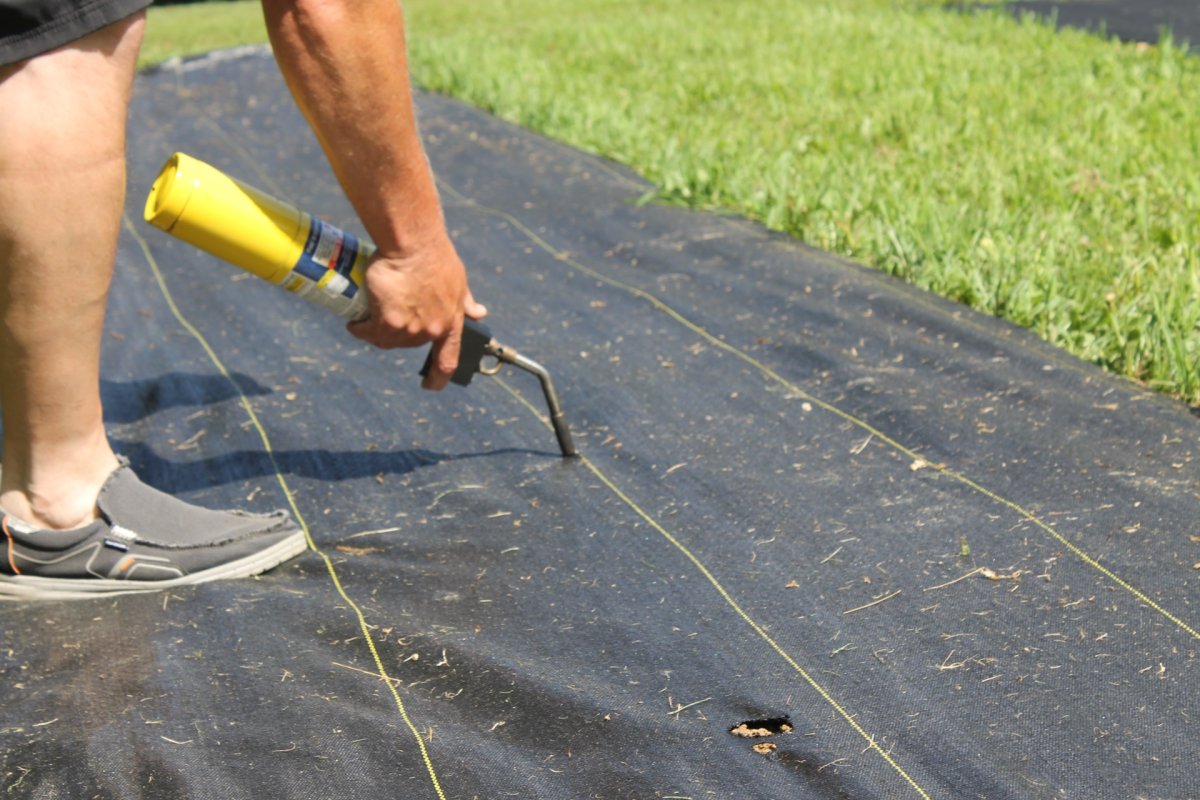
Make holes in the fabric to fit your plants. Cut just enough fabric to hold the plant firmly. Avoid making holes too big to stop weeds from growing.
- Use scissors or a sharp knife to cut fabric.
- Cut an X or a small square where you want to plant.
- Fold back the fabric pieces to expose soil.
- Dig a hole in the soil for your plant’s root ball.
- Place the plant in the hole, then fold fabric edges around it.
Maintaining Plant Health
Keep your plants strong by watering and feeding them right. The fabric lets water drain well but check often to keep soil moist. Mulch on top can help retain moisture.
| Care Task | Tips |
| Watering | Water deeply at base to reach roots. |
| Fertilizing | Use slow-release fertilizer to feed over time. |
| Weed Control | Check holes and remove any weeds by hand. |
| Fabric Check | Fix fabric tears to keep weeds out. |
Credit: www.thecooldown.com
Mulching Over Fabric
Mulching over landscape fabric helps control weeds and keeps soil moist. It also improves the look of your garden beds.
Using the right mulch and proper techniques makes the fabric last longer and works better.
Choosing The Right Mulch
Choose mulch that lets water pass through easily. This helps plants get enough water.
Organic mulches break down over time and add nutrients to the soil. Inorganic mulches last longer but do not improve soil.
- Wood chips and bark are good organic options
- Straw or pine needles work well for flower beds
- Gravel or crushed stone are common inorganic mulches
- Avoid heavy mulches that can block water flow
Proper Mulching Techniques
Spread mulch evenly over the fabric to protect it from sunlight. A thick layer keeps weeds from growing through.
Keep mulch about 2 to 4 inches deep. Too much mulch can cause water to pool and harm plants.
- Start with a clean and dry fabric surface
- Lay mulch gently to avoid tearing the fabric
- Leave space around plant stems to prevent rot
- Check mulch yearly and add more if needed
Maintenance Tips
Using landscape fabric helps control weeds and maintain soil moisture. Proper care keeps it effective for a long time.
Regular maintenance prevents damage and keeps your garden neat. Follow these tips to care for your landscape fabric.
Regular Inspection And Repair
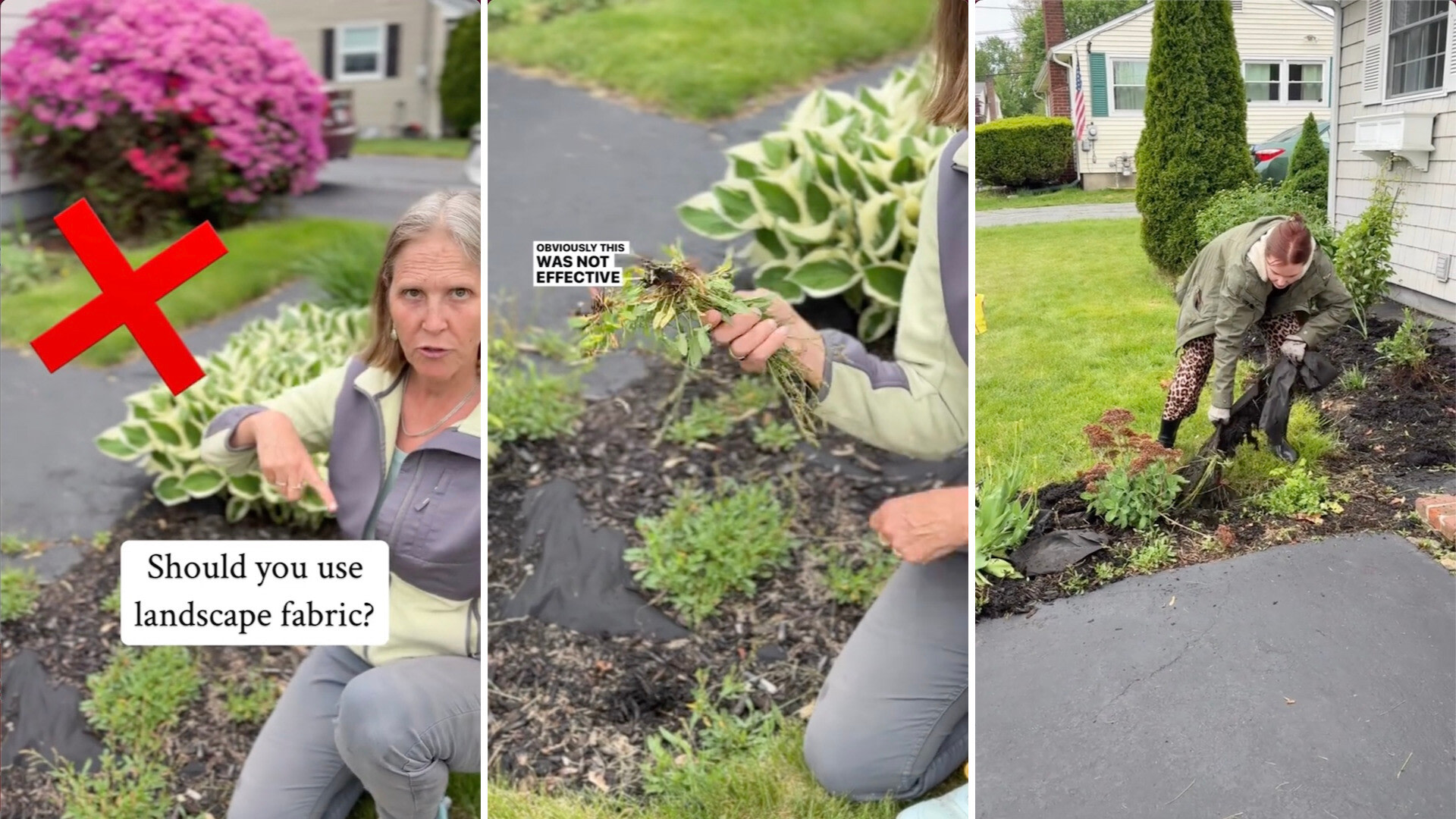
Check your landscape fabric often to spot any tears or holes. Small damage can let weeds grow through.
Fix any problems quickly by patching holes with new fabric or securing loose edges with stakes.
- Look for fabric tears after heavy rain or wind
- Remove debris that can damage the fabric
- Secure edges to prevent fabric from lifting
- Replace worn or damaged sections promptly
Avoiding Common Mistakes
Do not cover landscape fabric with too much soil or mulch. This stops water and air from reaching the soil.
Avoid placing fabric where heavy traffic or sharp tools can cause tears. This reduces wear and tear.
- Do not overlap fabric too much; it can trap water
- Keep fabric clear of plant stems to avoid damage
- Use proper tools to cut fabric, not scissors
- Do not ignore weeds growing around edges
Credit: www.bobvila.com
Environmental Considerations
Landscape fabric can affect the environment in many ways. It is important to understand these effects before using it in your garden or yard.
This section explains how landscape fabric impacts soil and ecosystems. It also offers ideas for alternatives that may be better for nature.
Impact On Soil And Ecosystem
Landscape fabric blocks sunlight and stops weed growth. This can change the soil’s natural processes. It may reduce air and water flow to the soil below.
Soil microbes and earthworms need air and water to live. When fabric covers the soil for a long time, it can harm these creatures. This affects soil health and plant growth.
- Reduces water absorption in soil
- Lowers oxygen levels for soil organisms
- Can cause soil to become compacted
- Might stop natural leaf decay
- Limits habitat for insects and small animals
Alternatives To Traditional Fabric
There are other options to control weeds and protect soil without using plastic or synthetic fabric. These alternatives can help keep the ecosystem healthy.
| Alternative | Benefits | Drawbacks |
| Organic Mulch | Improves soil, decomposes naturally | Needs frequent replacement |
| Cardboard Layers | Biodegradable, blocks weeds well | May attract pests |
| Natural Wool Mat | Eco-friendly and breathable | More expensive |
| Living Ground Covers | Supports biodiversity, adds beauty | Requires care and space |
Frequently Asked Questions
What Is Landscape Fabric Used For?
Landscape fabric helps control weeds by blocking sunlight. It allows water and air to pass through. It is commonly used under mulch or gravel.
How Do You Install Landscape Fabric Correctly?
Clear the area and level the soil. Lay the fabric flat, overlapping edges by 6 inches. Secure with landscape staples before adding mulch.
Can Landscape Fabric Improve Garden Soil Health?
Yes, it reduces weed growth, which lowers competition for nutrients. It also allows water and air to reach roots, promoting healthy soil.
How Long Does Landscape Fabric Last Outdoors?
Quality landscape fabric can last 5 to 10 years. Durability depends on material type, sunlight exposure, and maintenance.
Conclusion
Using landscape fabric helps control weeds and saves time. It keeps soil moist and supports healthy plants. Lay it carefully to avoid gaps and wrinkles. Cover with mulch for best results. Regular checks prevent fabric damage and maintain its effect.
With simple steps, your garden stays neat and easier to care for. Try these tips to enjoy a tidy, thriving outdoor space.