Have you ever struggled to get the right amount of ingredients while cooking or baking? Using a measuring cup correctly can make all the difference in your recipes turning out perfect every time.
Whether you’re a beginner or just need a quick refresher, this guide will show you exactly how to use a measuring cup with ease and accuracy. Keep reading, and you’ll discover simple tips that will boost your confidence in the kitchen and help you create delicious dishes without guesswork.
Your cooking game is about to get a serious upgrade!
Types Of Measuring Cups
Measuring cups help you add the right amount of ingredients to your recipes. Different types of measuring cups are made for different ingredients.
Knowing the types of measuring cups can make cooking and baking easier and more accurate.
Dry Measuring Cups
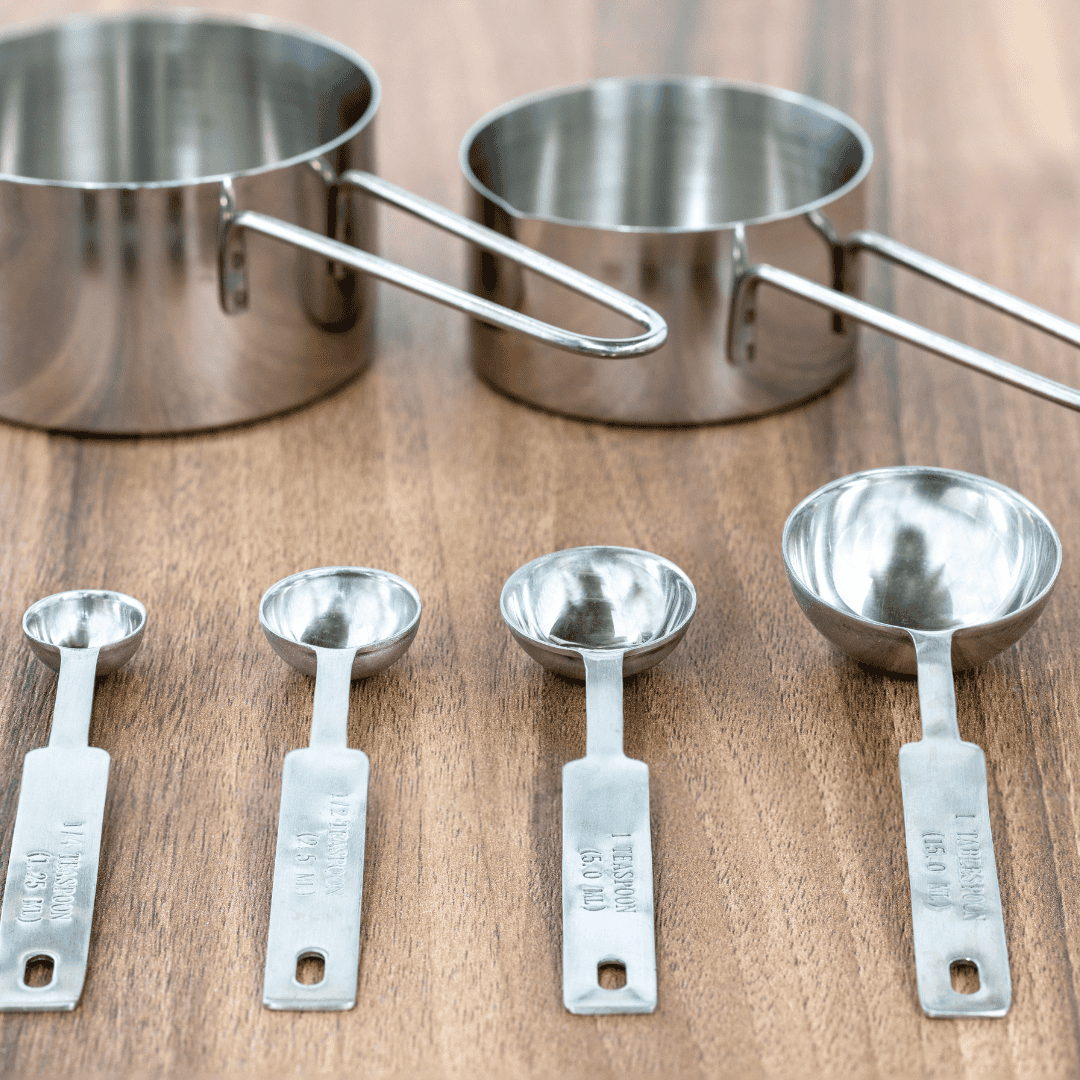
Dry measuring cups are used for ingredients like flour, sugar, and grains. They come in sets with different sizes.
These cups are meant to be filled to the top and then leveled off for an exact amount.
- Usually made of plastic, metal, or glass
- Sizes often include 1 cup, 1/2 cup, 1/3 cup, and 1/4 cup
- Use a flat edge to level off excess ingredient
Liquid Measuring Cups
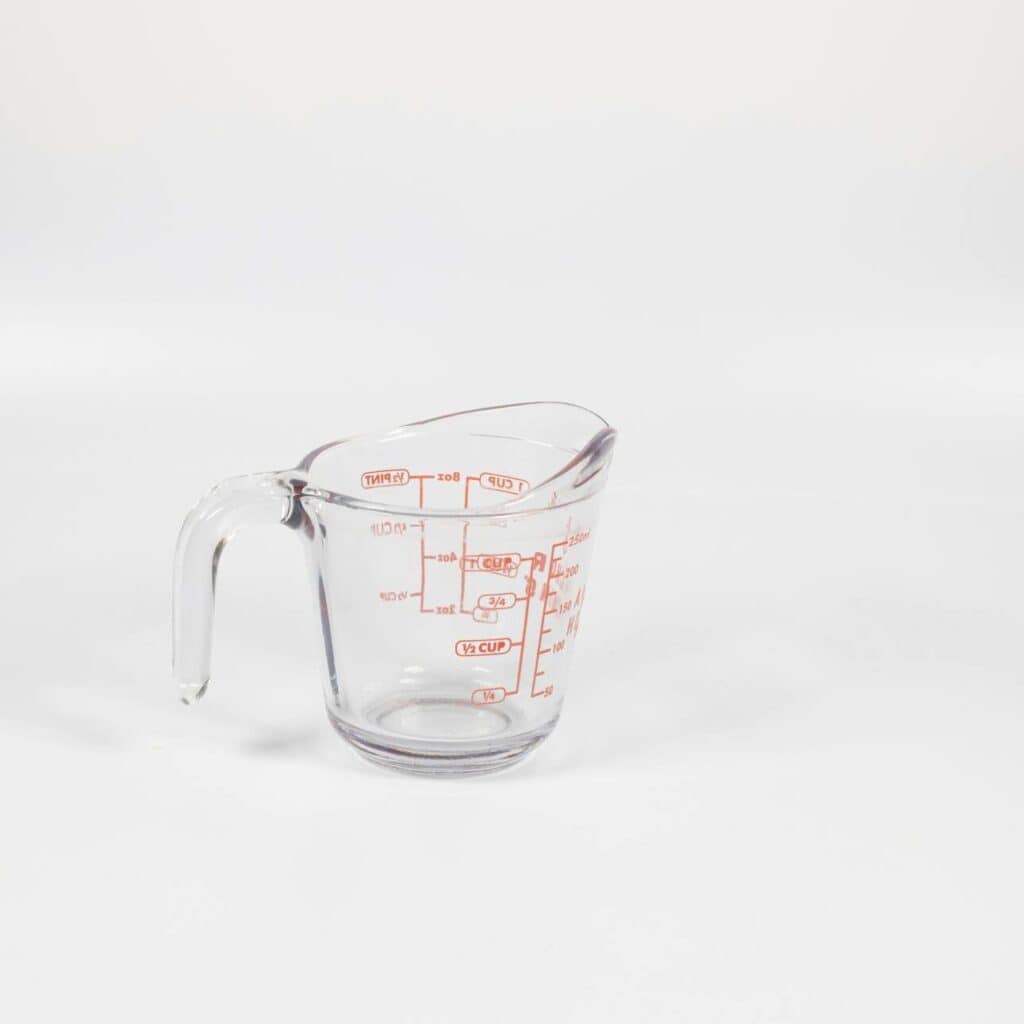
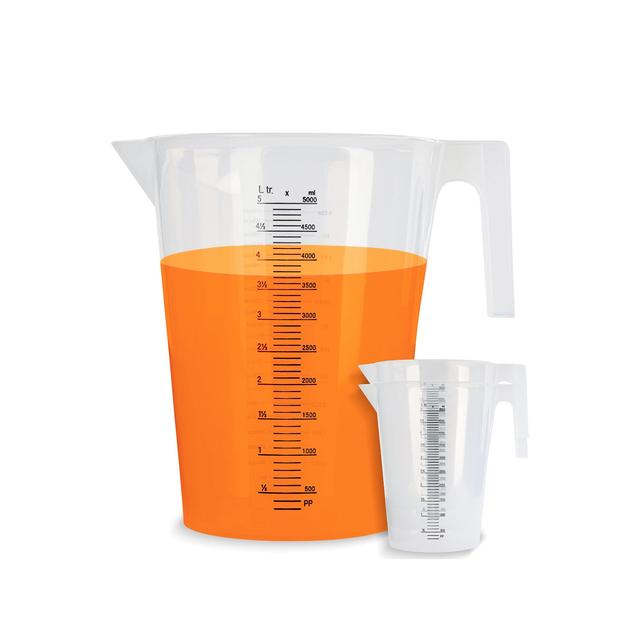
Liquid measuring cups are for measuring liquids like water, milk, and oil. They have a spout for easy pouring.
These cups usually have measurement marks on the side to show different amounts.
- Often made of clear glass or plastic
- Marks show cups, ounces, and milliliters
- Fill to the desired line and check at eye level
Specialty Measuring Cups
Specialty measuring cups are designed for specific tasks like measuring coffee or medicine. They can have unique shapes or sizes.
Some have extra features to help with accuracy or convenience.
- Coffee scoops for exact coffee amounts
- Medicine cups with small, clear markings
- Adjustable measuring cups for loose ingredients
Credit: www.accio.com
Choosing The Right Cup
Using the right measuring cup helps you cook with accuracy. It makes your recipes turn out well every time.
Picking the right cup depends on what you need to measure and how you like to cook. Let’s look at some key points.
Material Options
Measuring cups come in different materials. Each material has benefits and drawbacks.
Plastic cups are light and cheap but can stain or smell. Glass cups are heavy but easy to clean. Metal cups last long and do not stain.
- Plastic: lightweight, affordable, may stain
- Glass: sturdy, easy to see measurements
- Metal: durable, does not stain, good for dry ingredients
Size Considerations
Measuring cups come in many sizes. Choose sizes that match your usual cooking needs.
Small cups measure teaspoons and tablespoons. Larger cups measure cups or milliliters. Having a set with different sizes is helpful.
- Small sizes for spices and baking powder
- Medium sizes for liquids like milk or oil
- Large sizes for flour, sugar, or water
Purpose-based Selection
Pick a measuring cup based on what you plan to measure most. Dry and liquid ingredients need different cups.
Dry measuring cups are meant to be filled and leveled. Liquid measuring cups have space to prevent spills and usually have a spout for easy pouring.
- Dry cups: for flour, sugar, grains
- Liquid cups: for water, milk, oil
- Special cups: for sticky ingredients like honey
Measuring Dry Ingredients
Using a measuring cup for dry ingredients helps you get the right amount for your recipe. It ensures your dish turns out just right every time.
Dry ingredients include flour, sugar, and spices. Measuring them correctly avoids mistakes and keeps your cooking consistent.
Spoon And Level Method
Fill the measuring cup by spooning the dry ingredient into it. Do not scoop the cup directly into the ingredient.
After filling, use a flat edge like a knife to level off the excess. This gives an exact measurement.
Avoiding Packing Ingredients
Do not press or pack ingredients like flour or brown sugar into the cup. This adds more than the recipe calls for.
- Lightly spoon the ingredient into the cup
- Do not shake the cup to settle the ingredient
- Level off with a straight edge without pressing down
Common Ingredient Tips
| Ingredient | Tip |
| Flour | Sift before measuring for accuracy |
| Brown Sugar | Pack lightly unless recipe says otherwise |
| Cocoa Powder | Spoon and level to avoid clumps |
| Powdered Sugar | Sift and avoid packing |
Measuring Liquid Ingredients
Using a measuring cup helps you add the right amount of liquid to your recipes. Accurate measuring keeps your dishes tasty and balanced.
Follow simple tips to avoid mistakes and spills when measuring liquids with a cup.
Reading At Eye Level
Hold the measuring cup on a flat surface. Bend or kneel to bring your eyes level with the cup’s markings. This helps you see the exact amount of liquid inside.
- Place the cup on a stable, flat surface.
- Lower your eyes to the cup’s side level.
- Check the liquid line at the correct measurement mark.
- Adjust the liquid until it matches the mark perfectly.
Avoiding Spills
Pour liquids slowly and steadily to stop spills. Use a measuring cup with a spout for better control. If you fill too much, pour liquid back carefully.
| Tip | How to Do It |
|---|---|
| Pour Slowly | Move the cup slowly when filling or pouring out liquid. |
| Use a Spout | Choose cups with a spout to guide the liquid flow. |
| Fill on Flat Surface | Place the cup on a table to keep it steady. |
| Correct Overfill | Use a spoon to remove extra liquid if needed. |
Using Transparent Cups
Clear measuring cups let you see the liquid level from all sides. This helps avoid mistakes and makes measuring easier.
Benefits of Transparent Cups:
- Easy to read measurements
- See bubbles or foam that affect accuracy
- Check if the cup is clean inside before use
Converting Measurements
Using a measuring cup is easy when you know how to convert measurements. Recipes often use different units. Understanding these changes helps you cook better.
We will look at how to change metric units to US cups. We will also see how to convert volume to weight. Finally, you will find useful tools to help with conversions.
Metric To Us Cups
Many recipes use metric units like milliliters or grams. US cups measure volume differently. You need to convert these units to use your measuring cup correctly.
- 1 US cup equals 240 milliliters (ml)
- 100 milliliters is about 0.42 US cups
- 500 milliliters is about 2.1 US cups
- To convert ml to cups, divide ml by 240
- To convert cups to ml, multiply cups by 240
Volume To Weight
Volume and weight are not the same. One cup of flour weighs less than one cup of sugar. You must know the ingredient to convert volume to weight accurately.
Here are some common examples of weight per US cup:
| Ingredient | Weight per US Cup (grams) |
|---|---|
| All-purpose flour | 120 g |
| Granulated sugar | 200 g |
| Butter | 227 g |
| Milk | 245 g |
Useful Conversion Tools
Using online converters and apps can make measurement changes faster. Many tools let you enter values and see the result in other units.
- Kitchen scales that switch between grams and ounces
- Conversion charts for common ingredients
- Mobile apps for quick measurement conversions
- Printable guides for metric and US cup equivalents
Care And Maintenance
Using a measuring cup correctly helps keep your kitchen tools in good shape. Proper care and maintenance extend its life and keep measurements accurate.
Follow simple tips for cleaning, storing, and protecting your measuring cup. This ensures it stays safe and reliable for daily use.
Cleaning Tips
Clean your measuring cup after each use to avoid residue buildup. Use warm soapy water and a soft sponge for best results.
- Rinse immediately after measuring sticky or oily ingredients
- Avoid abrasive scrubbers that can scratch the surface
- Use a mild detergent to prevent damage to materials
- Dry thoroughly to stop water spots and stains
Storage Advice
Store your measuring cup in a dry and clean place. Keep it away from heavy items that can cause deformation or cracks.
| Storage Tip | Reason |
| Keep in a kitchen drawer | Protects from dust and damage |
| Hang on a hook if possible | Saves space and prevents scratches |
| Avoid stacking heavy pots on top | Prevents breakage and warping |
| Store away from heat sources | Maintains material integrity |
Avoiding Damage
Handle your measuring cup gently to keep it safe. Avoid using it for tasks it was not designed for.
- Do not use it as a scoop for hard or frozen items
- Avoid dropping or banging it against hard surfaces
- Keep it away from sharp utensils that can scratch it
- Check regularly for cracks or chips and replace if needed
Common Mistakes To Avoid
Using a measuring cup seems simple, but many make errors that affect recipes.
Avoid these common mistakes to get accurate measurements every time.
Overfilling Cups
Overfilling a measuring cup can cause your recipe to fail. The liquid or ingredient spills or packs too tightly.
Always fill to the exact line and check at eye level for accuracy.
Ignoring Ingredient Density
Different ingredients have different densities. One cup of flour does not weigh the same as one cup of sugar.
| Ingredient | Typical Weight per Cup |
| All-purpose Flour | 120 grams |
| Granulated Sugar | 200 grams |
| Butter | 227 grams |
Use a kitchen scale for best results or follow recipe notes carefully.
Using The Wrong Cup Type
There are dry and liquid measuring cups. Using the wrong one causes errors.
- Use dry cups for flour, sugar, and grains.
- Use liquid cups for water, milk, and oil.
- Liquid cups have a spout for easy pouring.
- Dry cups allow leveling off with a knife.
Choosing the right cup type helps you measure ingredients correctly and avoid recipe mistakes.
Credit: www.recipesandplaces.com

Credit: www.amazon.com
Frequently Asked Questions
What Is The Best Way To Measure Liquids With A Measuring Cup?
Use a transparent measuring cup with clear markings. Place it on a flat surface and read the measurement at eye level for accuracy.
How Do I Measure Dry Ingredients Using A Measuring Cup?
Spoon the dry ingredient into the cup and level it with a flat edge. Avoid shaking or packing to ensure correct measurement.
Can I Use The Same Measuring Cup For Liquids And Solids?
Yes, but use separate cups for best accuracy. Liquid cups have spouts; dry cups are flat on top for leveling.
How Do I Clean And Maintain A Measuring Cup?
Wash with warm, soapy water after each use. Avoid abrasive cleaners to keep measurement markings clear and intact.
Conclusion
Using a measuring cup helps you cook and bake with better results. It saves time and avoids mistakes in recipes. Always check the markings at eye level for accuracy. Clean it after every use to keep it ready. With practice, measuring cups become easy and natural tools in the kitchen.
Keep one handy, and your cooking will improve step by step. Simple, clear, and exact measurements make meals tastier and more consistent. Give it a try and see the difference yourself.