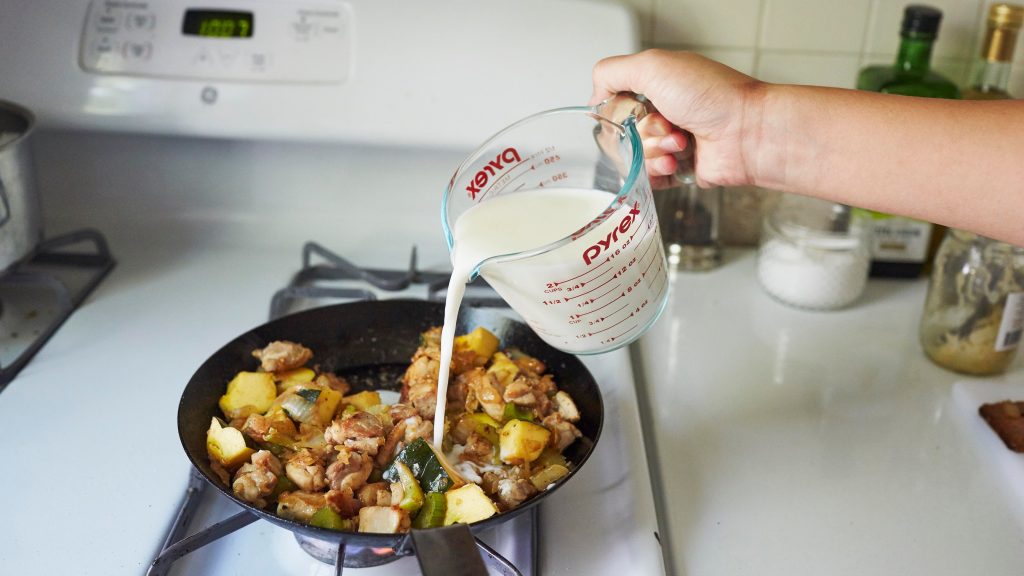
Have you ever struggled with a recipe because your measurements were off? Using measuring cups correctly can make all the difference in your cooking and baking.
Whether you’re a beginner or just want to improve your skills, knowing how to use measuring cups the right way will save you time and frustration. You’ll discover simple tips that help you get perfect measurements every time. Keep reading, and you’ll be surprised how easy it is to boost your kitchen confidence with just a few small changes.
Credit: kirbiecravings.com
Choosing The Right Measuring Cups
Measuring cups help you get the right amounts for cooking and baking. Picking the right type makes your recipe better.
This guide explains how to choose measuring cups by type, material, and size.
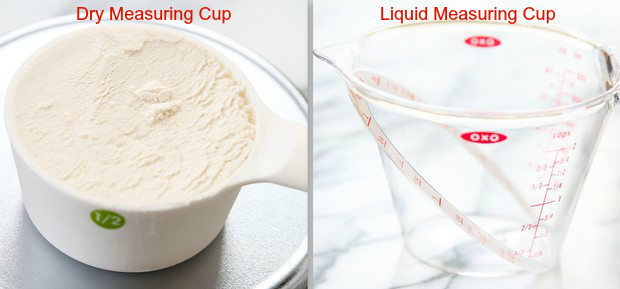
Dry Vs Liquid Measuring Cups
Dry measuring cups are for flour, sugar, and grains. They come in sets with different sizes to scoop and level off ingredients.
Liquid measuring cups are usually clear with a spout. They help measure water, oil, and milk without spilling.
- Use dry cups for solid ingredients that you can level off.
- Use liquid cups for fluids and sticky ingredients.
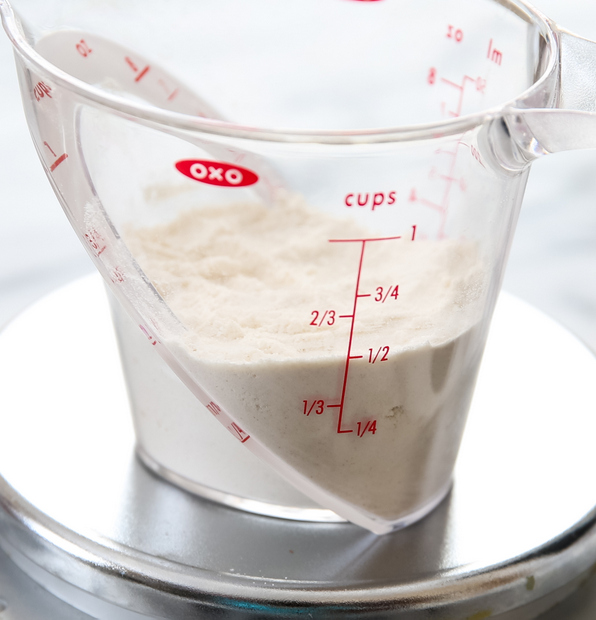
- Liquid cups often have measurement marks on the side.
- Dry cups are usually stacked sets for easy storage.
Material Options
Measuring cups come in different materials. Each has its benefits and care needs.
| Material | Pros | Cons |
| Plastic | Lightweight, inexpensive | Can stain, less durable |
| Metal | Strong, long-lasting | Can dent, not transparent |
| Glass | See-through, easy to clean | Breaks easily, heavier |
| Silicone | Flexible, heat resistant | Can be less precise |
Size Variations
Measuring cups come in many sizes. Choose sizes based on your recipe needs.
- Common dry cup sizes: 1 cup, 1/2 cup, 1/3 cup, 1/4 cup
- Liquid cups often have larger sizes like 2 cups or 4 cups
- Smaller sizes help measure small amounts accurately
- Sets with multiple sizes offer more flexibility
Credit: kirbiecravings.com
Measuring Dry Ingredients Accurately
Accurate measuring of dry ingredients is key to good baking and cooking. Using the right technique ensures your recipe turns out well.
Measuring cups come in different sizes. Learning how to use them correctly saves you time and prevents mistakes.
Spoon And Level Technique
This method helps you fill the measuring cup without packing the ingredient. Use a spoon to scoop the ingredient into the cup.
After filling, use a flat edge like a knife to level off the excess. This way, you get an exact amount without extra.
Avoiding Packing Ingredients
Do not press or shake dry ingredients into the cup. This adds more than the recipe calls for. Ingredients like flour and powdered sugar should be loose.
- Use a spoon to add ingredients gently.
- Do not tap or shake the cup to settle contents.
- Level the top with a flat edge for accuracy.
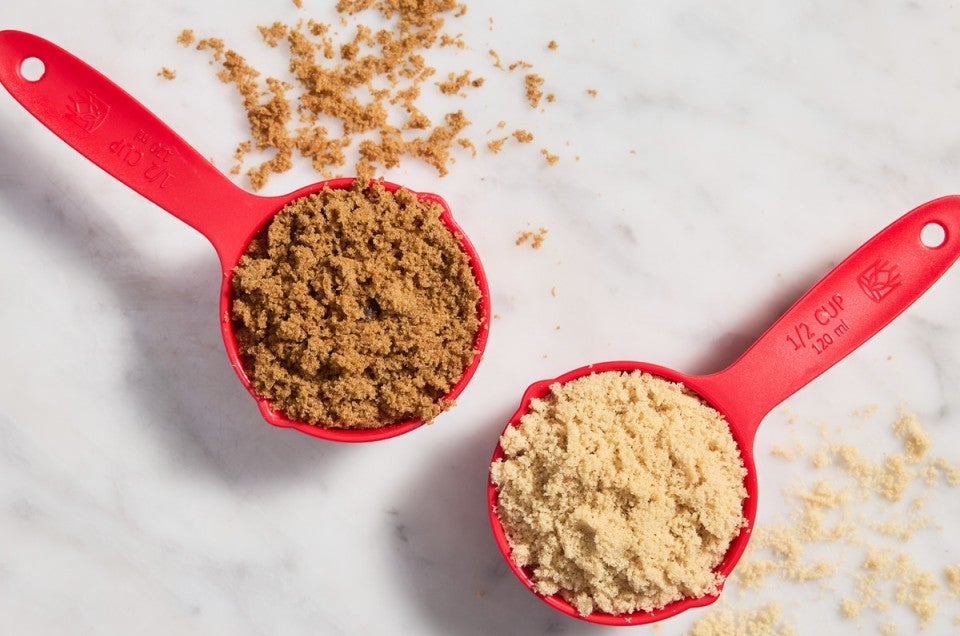
- For ingredients like brown sugar, lightly pack if the recipe says so.
Common Dry Ingredients Tips
| Ingredient | Measuring Tip | Note |
| Flour | Use spoon and level method | Do not pack or scoop directly |
| Sugar (granulated) | Fill cup and level off | Can be scooped directly |
| Brown Sugar | Pack lightly into cup | Press down gently |
| Cocoa Powder | Sift before measuring | Use spoon and level |
| Powdered Sugar | Sift and spoon into cup | Avoid packing |
Measuring Liquids With Precision
Measuring liquids accurately is important for cooking and baking. Using the right tools helps you get the best results.
Small mistakes in measuring liquids can change the texture and taste of your recipe. Learn how to measure liquids with precision.
Reading Meniscus Correctly
The meniscus is the curve seen at the liquid’s surface. Reading it correctly ensures exact measurement.
- Place the measuring cup on a flat surface.
- Bend down to eye level with the liquid.
- Read the bottom of the meniscus.
- Make sure the liquid touches the measurement line.
- Avoid reading from above or below eye level.
Using Clear Measuring Cups
Clear measuring cups make it easier to see the liquid level and meniscus. They help prevent errors.
| Feature | Benefit |
| Transparent material | See the liquid clearly |
| Marked lines | Measure exact amounts |
| Flat base | Place on a surface for steady reading |
| Handle | Hold cup safely and steadily |
Measuring Thick Liquids
Thick liquids like honey or syrup need special care to measure well. They stick to the cup and can cause errors.
Follow these tips for thick liquids:
- Lightly oil the inside of the measuring cup for easy pouring.
- Use a rubber spatula to level off the liquid.
- Pour slowly to avoid spills.
- Check the measurement at eye level.
Tips For Consistent Results
Measuring ingredients correctly is key to good cooking and baking. Using measuring cups the right way helps you get steady results every time.
Small mistakes in measuring can change the taste and texture of your food. Follow these tips to measure with care and avoid errors.
Calibrating Your Measuring Cups
Check if your measuring cups show the right amounts. Some cups can be off by a little, which affects your recipe.
Fill the cup with water to the marked line. Then pour the water into a kitchen scale to see if it matches the volume.
- Use water because it is easy to measure by weight
- 1 cup of water equals 240 milliliters or 240 grams on the scale
- If your cup is off, mark the correct level with a permanent marker
Measuring At Eye Level
Look straight at the measuring line on your cup. This helps you avoid reading the amount too high or too low.
Keep your cups on a flat surface and bend down to check the level. This gives the most accurate reading.
- Place the cup on a flat table or counter
- Lower your eyes to the cup’s level
- Read the line carefully without tilting the cup
Avoiding Common Mistakes
Do not pack dry ingredients like flour unless the recipe says so. Scoop lightly and level off with a flat edge.
Use the right cup for dry and liquid ingredients. Liquid cups have extra space and a spout for pouring.
- Do not shake or tap the cup to settle ingredients
- Use a spoon to fill dry cups for fluffier measurement
- Pour liquids slowly to avoid spilling and overfilling
Care And Maintenance
Measuring cups are essential tools in the kitchen. Proper care helps them last longer and stay accurate. Clean and store them carefully to keep their shape and markings clear.
Following simple steps can protect your measuring cups from damage. It also keeps them safe from bacteria and residue buildup.
Cleaning Techniques
Wash measuring cups right after use. This prevents food from drying and sticking to the surface. Use warm water and mild soap for cleaning.
- Avoid harsh scrubbers that can scratch the cups.
- Use a soft sponge or cloth for gentle cleaning.
- Rinse well to remove soap residue.
- Dry cups completely before storing to stop rust or mold.
Storage Suggestions
Store measuring cups in a dry place. Avoid stacking heavy items on top to keep their shape intact. Using hooks or drawer organizers helps keep cups in order.
| Storage Method | Benefit |
| Hanging on hooks | Easy to access and keeps cups dry |
| Drawer organizer | Prevents cups from scratching each other |
| Open shelf | Good air flow to avoid moisture |
When To Replace Cups
Check cups regularly for cracks or faded markings. Damaged cups can cause wrong measurements and affect your recipes. Replace cups that show signs of wear.
- Look for cracks or chips on plastic or glass cups.
- Check if measurement lines are hard to read or worn out.
- Replace cups that no longer fit snugly together if sets stack.
- Consider replacing if cups warp or lose shape.
Credit: www.kingarthurbaking.com
Frequently Asked Questions
How Do You Measure Liquids With Measuring Cups?
Use a clear measuring cup with spout for liquids. Pour the liquid until it reaches the desired measurement line. Ensure the cup is on a flat surface and your eye level is even with the measurement mark for accuracy.
Can You Use Dry Measuring Cups For Liquids?
No, dry measuring cups are not ideal for liquids. They lack spouts and precise markings needed for liquids. Use a liquid measuring cup for accuracy, which often includes a spout for easy pouring.
What Is The Correct Way To Measure Dry Ingredients?
Use dry measuring cups, filling them to the top. Level off with a straight edge for accuracy. Avoid packing unless the recipe specifies. This ensures you have the exact amount needed for your recipe.
Are All Measuring Cups The Same?
No, measuring cups vary for dry and liquid ingredients. Dry cups are for solids and have flat tops. Liquid cups are clear with spouts and accurate measurement lines. Use the correct type for the best results.
Conclusion
Measuring cups help you cook and bake with accuracy. Use the right cup for dry or liquid ingredients. Fill cups to the right level for best results. Level off dry ingredients with a flat edge. Pour liquids on a flat surface to see the line clearly.
Measuring well saves time and avoids mistakes. Practice makes it easier to measure ingredients correctly. Enjoy cooking with confidence and tasty results every time.