Are you ready to unlock the full potential of your microwave oven? If you’ve ever wondered how to make the most out of its convection feature, you’re in the right place.
Imagine being able to roast, bake, and crisp your favorite dishes with ease. The secret lies in mastering the art of using microwave oven convection. This guide will not only simplify the process but also inspire you to try new recipes.
With practical tips and step-by-step instructions, you’ll soon discover that your microwave is more versatile than you ever imagined. Curious about how to transform your cooking routine? Keep reading to find out how you can start creating delicious meals with just the touch of a button.
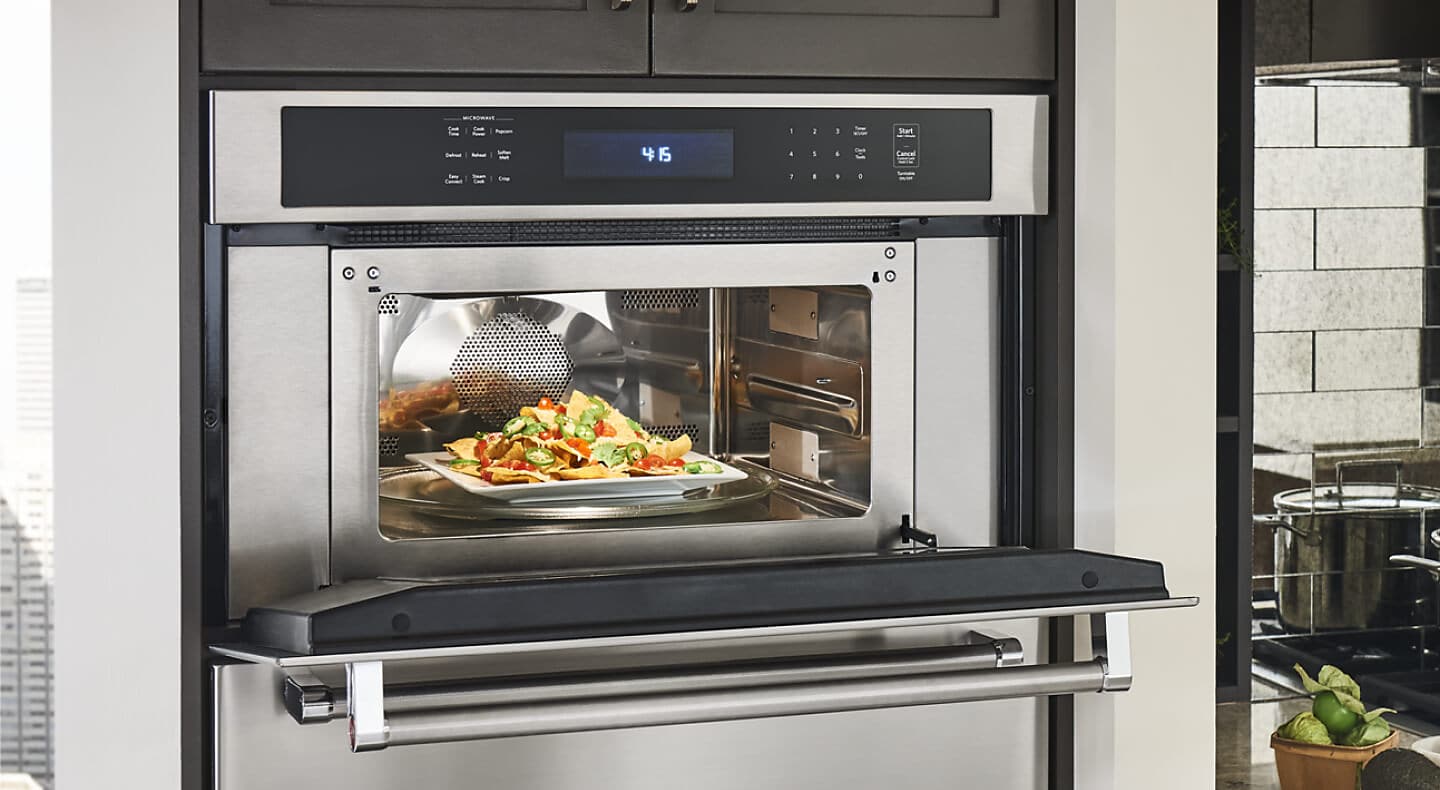
Credit: www.kitchenaid.com
Microwave Convection Basics
Understanding the basics of microwave convection can change the way you cook and bake at home. This mode combines the speed of microwaving with the even heat of convection ovens. It offers versatility that might surprise you once you start experimenting.
How Convection Differs From Regular Microwaving
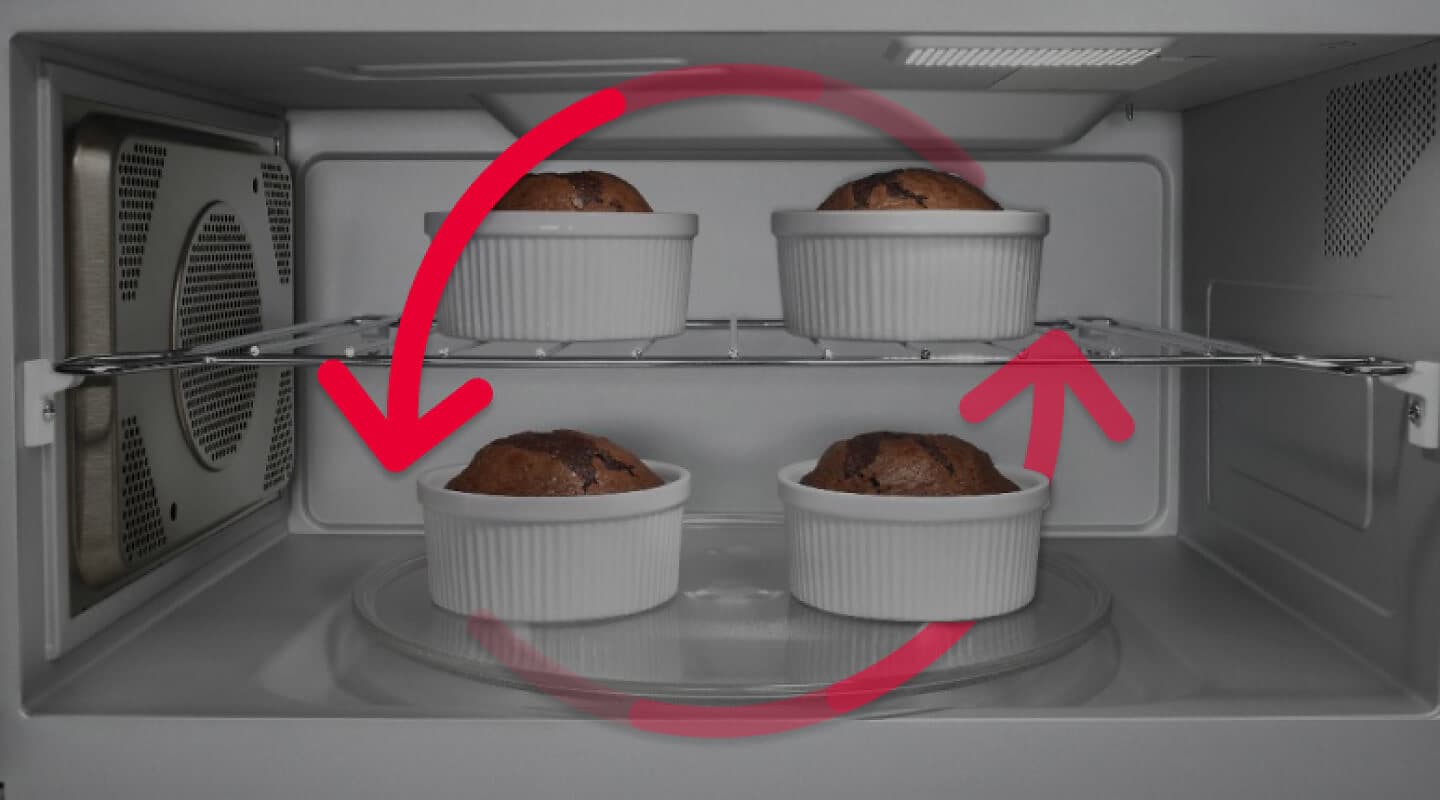
Regular microwaving uses electromagnetic waves to heat food quickly from the inside out. This often results in uneven cooking, especially with baked goods or roasted items. Convection mode, however, adds a fan and heating element that circulates hot air around the food.
This circulation cooks food more evenly and browns it, which regular microwaving can’t do. Have you ever noticed how microwave meals can sometimes be soggy or cold in spots? That’s where convection mode steps in, giving you crispiness and a golden finish.
Benefits Of Using Convection Mode
- Even Cooking:Hot air circulation ensures every part of your food cooks uniformly.
- Crispier Texture:Perfect for roasting vegetables, baking cookies, or reheating pizza without sogginess.
- Time-Saving:Combines microwave speed with oven-like results, cutting down cooking time.
- Energy Efficient:Uses less power compared to traditional ovens, which can lower your energy bills.
Using convection mode can feel like having two appliances in one. It’s practical for busy days when you want a homemade feel without the long wait.
Common Features In Convection Microwaves
Most convection microwaves come with preset cooking modes tailored for baking, roasting, and grilling. These presets remove guesswork, so you don’t have to manually adjust temperature or time.
Other common features include:
- Temperature Control:Allows you to set and maintain precise cooking temperatures.
- Rotating Turntable or Flatbed:Helps food cook evenly by moving it during the process.
- Combination Cooking:Lets you use microwave and convection power simultaneously for faster results.
- Timer and Alerts:Keeps you on track without needing constant attention.
Knowing these features helps you get the most out of your microwave convection oven. Are you ready to try baking a cake or roasting chicken with it today?
Credit: www.whirlpool.com
Setting Up Your Microwave Convection Oven
Setting up your microwave convection oven correctly can make all the difference in your cooking results. This appliance combines microwave energy and convection heat, so understanding how to set it up will help you achieve perfect meals every time. Let’s look at how to choose the right temperature, set the cooking time, and use both microwave and convection modes effectively.
Choosing The Right Temperature
Convection cooking relies on hot air circulating around your food. Unlike traditional microwaving, you need to set a temperature just like in a regular oven. Most microwave convection ovens allow you to choose temperatures between 100°C and 250°C (210°F to 480°F).
Think about what you’re cooking. Roasting vegetables or baking a cake usually requires higher heat, around 180°C to 220°C. For reheating or gentle cooking, lower temperatures work better. Have you ever noticed how your food can get soggy if the temperature is too low? Setting the right heat helps avoid that.
Selecting Cooking Time
Cooking time in convection mode is usually longer than in microwave mode alone. You’ll need to adjust your expectations and recipes accordingly. Most convection ovens provide time settings up to 60 minutes or more, which is plenty for most dishes.
Start with the recipe’s suggested time for a conventional oven and reduce it slightly if you use microwave power together. Watching your food the first time you try a recipe is key. Do you find that meals turn out unevenly cooked? Adjusting the time in small increments can fix this quickly.
Using Microwave And Convection Modes Together
Combining microwave and convection modes speeds up cooking while keeping food crispy. This hybrid mode uses microwaves to cook the inside fast and convection heat to brown the outside.
Many ovens let you choose the percentage of microwave power with convection heat. For example, 70% convection and 30% microwave power can give you balanced results. Have you ever tried cooking a whole chicken this way? It’s faster than a regular oven, but the skin still crisps beautifully.
Experiment with your settings. Start with a lower microwave power and increase if the food isn’t cooking through. This balance is what makes microwave convection ovens so versatile and convenient.
Best Foods For Convection Cooking
Convection cooking in a microwave oven uses hot air circulation to cook food evenly. It works well for dishes needing a crispy or browned finish. Certain foods benefit most from this cooking style, enhancing texture and flavor.
Baking Bread And Pastries
Convection cooking is perfect for baking bread and pastries. The hot air creates a golden, crispy crust. It helps dough rise evenly and cook through without sogginess. Use it for items like:
- Rolls and buns
- Croissants and Danish pastries
- Muffins and cupcakes
These foods develop a nice texture and retain moisture inside.
Roasting Meats And Vegetables
Roasting with convection cooks meat and vegetables evenly. The hot air seals in juices and enhances browning. Try roasting:
- Chicken pieces and whole birds
- Beef roasts and pork loin
- Potatoes, carrots, and bell peppers
This method creates a crispy outside and tender inside.
Reheating Without Losing Crispiness
Convection mode can reheat food without making it soggy. It keeps items like fried foods crispy. Foods that reheat well include:
- Pizza slices
- French fries
- Fried chicken
The hot air refreshes textures while warming the food thoroughly.
Tips For Perfect Cooking Results
Achieving perfect cooking results with a microwave oven convection mode requires some simple yet effective tips. Proper techniques help food cook evenly and taste better. These tips also prevent common cooking errors and improve the overall experience.
Using Suitable Cookware
Choose cookware that works well with convection microwave ovens. Use metal pans or trays designed for convection cooking. Avoid plastic or paper containers as they can melt or catch fire.
Opt for shallow and wide dishes. This allows heat to circulate better around the food. Glass and ceramic cookware are good choices too. They distribute heat evenly and are safe for microwave convection use.
Arranging Food For Even Cooking
Place food in a single layer for uniform heat exposure. Avoid stacking or overcrowding the dish. Leave space between pieces to help hot air flow freely.
Turn or stir food halfway through cooking. This helps to avoid hot spots and ensures all parts are cooked thoroughly. For larger items, rotate the dish during cooking if your microwave lacks a turntable.
Avoiding Common Mistakes
- Do not use sealed containers. Steam needs to escape to prevent pressure buildup.
- Avoid using metal foil or metal utensils inside the microwave.
- Do not overfill the cookware. Overfilling blocks hot air circulation.
- Do not ignore preheating when the recipe requires it. Preheating ensures correct cooking temperature.
- Check food frequently towards the end of cooking to prevent burning.
Cleaning And Maintenance
Keeping your microwave oven convection clean and well-maintained is key to its performance and longevity. Neglecting simple upkeep can lead to poor cooking results or even damage. Let’s look at practical ways to keep your oven running smoothly.
Keeping The Oven Interior Clean
Food splatters and grease buildup can affect how your microwave cooks and heats. Wipe the interior after every use with a damp cloth and mild detergent. Avoid harsh chemicals that can damage the oven’s surface.
For stubborn stains, heat a bowl of water with lemon slices inside for 3-5 minutes. The steam will loosen grime and make cleaning easier. How often do you check your microwave’s interior for hidden spills?
Maintaining The Convection Fan
The convection fan circulates hot air, ensuring even cooking. Dust and grease can reduce its efficiency or cause noise. Periodically inspect the fan area and gently clean it with a soft brush or cloth.
If you notice unusual sounds or uneven heating, the fan might be obstructed. Don’t force the fan blades; instead, consult the manual for safe cleaning instructions or call a professional. Have you ever ignored small noises only to face bigger repairs later?
Troubleshooting Common Issues
Microwave ovens with convection features can face issues like uneven cooking or the fan not starting. First, check that the oven is clean and that no food debris blocks vents or fans.
If the oven won’t heat properly, test the microwave function alone to isolate the problem. Resetting the appliance by unplugging it for a few minutes can sometimes fix minor glitches. When was the last time you gave your convection microwave a quick troubleshooting check?

Credit: www.youtube.com
Advanced Cooking Techniques
Mastering advanced cooking techniques with your microwave oven convection setting can dramatically improve your kitchen efficiency and meal quality. These techniques blend speed and precision, helping you achieve results that are both quick and delicious. Let’s dive into some practical ways you can elevate your cooking experience.
Combining Microwave And Convection For Faster Cooking
Using microwave and convection modes together speeds up cooking without sacrificing texture. The microwave heats food quickly from the inside, while convection crisps and browns the outside. This combo is perfect for dishes like roasted vegetables or baked chicken, where you want a juicy center and a crispy exterior.
Think about reheating leftover pizza: activating convection after microwaving brings back the crispiness instead of sogginess. Try adjusting the power and temperature settings to find the sweet spot for your favorite meals. Have you noticed how this method can save you time on busy days?
Using Preset Programs Effectively
Preset cooking programs are designed to simplify complex tasks, but many users don’t use them fully. These programs are optimized for specific foods like cakes, bread, or frozen meals, balancing microwave and convection heat automatically. Using presets can reduce guesswork and improve consistency.
Start by reading your oven’s manual to understand each preset’s purpose. Don’t hesitate to tweak the presets based on your preferences—maybe your cake needs a bit more crisping on top. What’s the last preset you tried, and did it make cooking easier or more fun?
Experimenting With Recipes
Experimentation is key to mastering convection microwave cooking. Try adapting your favorite oven recipes by reducing cooking times and adjusting temperatures. Use the convection mode for baking cakes or roasting meats, then add microwave bursts to speed up the process.
Keep a cooking journal to track what works best—note times, power levels, and results. This practice will help you refine your technique and personalize recipes. What new dish are you curious to try with your microwave convection oven next?
Frequently Asked Questions
What Is A Microwave Convection Oven?
A microwave convection oven combines microwave heating and convection cooking. It uses a fan and heating element to circulate hot air. This allows baking, roasting, and grilling alongside regular microwave functions, making it versatile for various cooking needs.
How To Use Convection Mode In A Microwave Oven?
To use convection mode, select the convection setting on your microwave. Preheat if required, then place food inside. The fan circulates hot air evenly, cooking food thoroughly. Adjust temperature and time based on your recipe for best results.
Can I Bake Cakes In A Microwave Convection Oven?
Yes, you can bake cakes using the convection mode. Use a microwave-safe baking pan and set the oven to the recommended temperature. Baking times may be shorter than traditional ovens, so check for doneness regularly to avoid overcooking.
How Is Convection Cooking Different From Microwave Heating?
Convection cooking uses a fan to circulate hot air for even cooking. Microwave heating uses electromagnetic waves to heat food quickly from inside. Combining both methods provides faster cooking with a crispy texture, ideal for diverse recipes.
Conclusion
Using a microwave oven convection mode saves time and cooks food evenly. You get crispy outside and soft inside results easily. Just set the right temperature and time for best outcomes. This method works well for baking, roasting, and grilling.
Experiment a little to find what suits your taste. Enjoy cooking meals faster without losing flavor or texture. Your kitchen routine will feel simpler and more efficient. Give convection cooking a try and see the difference yourself.