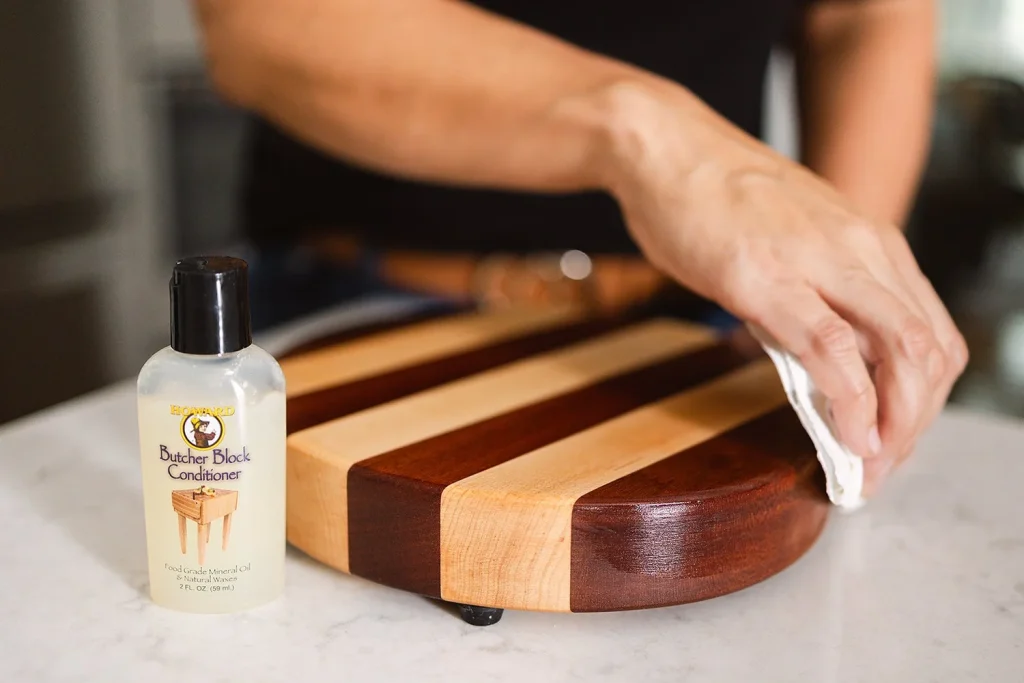
Your cutting board is more than just a kitchen tool—it’s where you prep meals, share family moments, and create delicious dishes. But over time, it can dry out, crack, or even harbor bacteria if not cared for properly.
Using mineral oil on your cutting board is a simple, effective way to keep it looking great and lasting longer. You’ll learn exactly how to apply mineral oil the right way, so your cutting board stays smooth, protected, and ready for every meal you prepare.
Keep reading, and you’ll discover easy steps that anyone can follow to give your cutting board the care it deserves.

Credit: www.amazon.com
Choosing The Right Mineral Oil
Mineral oil keeps your cutting board safe and looking good. Picking the right type is key for best results.
Not all mineral oils are the same. Learn which one fits your cutting board needs.
Food-grade Vs. Non-food-grade
Food-grade mineral oil is safe for kitchen use. It won’t harm you or your food.
Non-food-grade mineral oil may contain harmful chemicals. Avoid it for cutting boards.
- Food-grade is purified and safe
- Non-food-grade may cause contamination
- Always check label for food-safe certification
Benefits Of Mineral Oil For Wood
Mineral oil protects wood by sealing and moisturizing it. This stops cracks and warping.
It also makes the board look fresh and clean. Regular use keeps wood strong over time.
- Prevents drying and cracking
- Repels water and stains
- Maintains wood’s natural beauty
Avoiding Harmful Additives
Some mineral oils have added scents or chemicals. These can be unsafe for food contact.
Choose plain, pure mineral oil without dyes or fragrances. This keeps your cutting board clean.
- Check ingredient list carefully
- Avoid oils with perfumes or colors
- Use only oils labeled as pure and food-safe
Preparing The Cutting Board
Using mineral oil on your cutting board keeps it safe and long-lasting. Proper preparation helps the oil soak in well. This guide shows you how to prepare your board before oiling.
Clean and smooth surfaces absorb mineral oil better. Follow the steps below to get your cutting board ready.
Cleaning Before Oiling
Start by cleaning the board to remove food particles and bacteria. Use warm water and mild soap. Avoid soaking the board in water, as it can cause damage.
- Rinse the board with warm water
- Use a soft sponge and mild soap to scrub
- Rinse off soap completely
- Wipe dry with a clean cloth
Drying Techniques
Dry the board well to prevent moisture from trapping under the oil. Place it upright or on its edge in a well-ventilated area. Avoid leaving it flat on a wet surface.
| Drying Method | Benefit |
| Standing upright | Air circulates around all sides |
| Using a clean towel | Removes surface moisture quickly |
| Avoiding flat placement | Prevents water from pooling |
Sanding For Smoothness
Sanding removes rough spots and old stains. It also helps the oil soak deeper. Use fine-grit sandpaper and sand evenly across the surface.
- Choose 220-grit sandpaper for best results
- Sand in the direction of the wood grain
- Wipe away dust with a damp cloth
- Let the board dry completely before oiling
Applying Mineral Oil
Using mineral oil on your cutting board helps protect the wood. It stops the board from drying out and cracking.
Applying mineral oil is simple and keeps your cutting board in good condition for a long time.
Amount To Use
Use enough mineral oil to cover the entire surface of the cutting board. A little oil goes a long way.
Start with about one tablespoon for a small board. Larger boards may need two to three tablespoons.
- Small cutting board: 1 tablespoon
- Medium cutting board: 2 tablespoons
- Large cutting board: 3 tablespoons or more
Application Methods
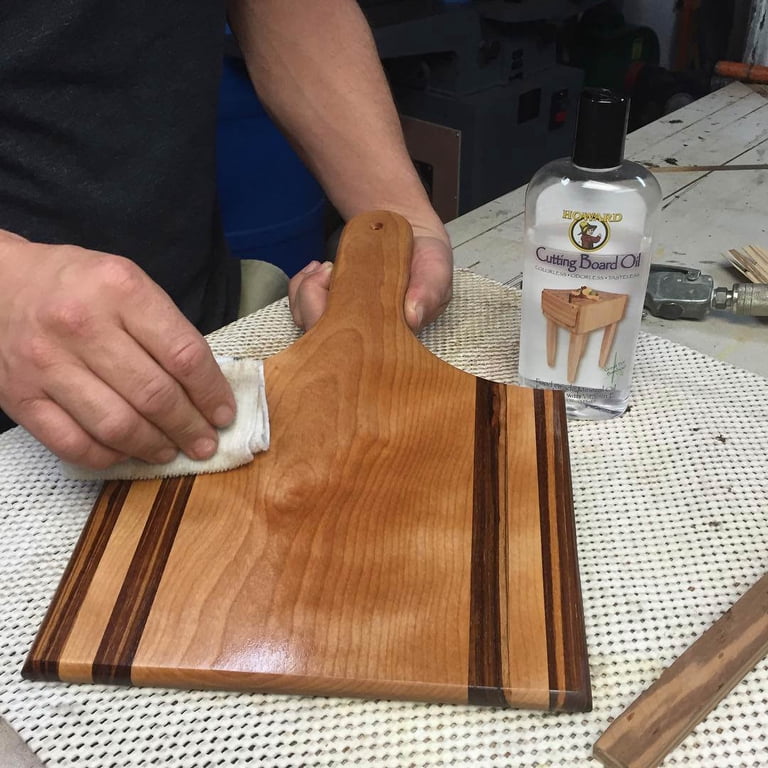
Apply mineral oil using a clean cloth or paper towel. Avoid using your fingers to keep it clean.
Pour the oil onto the board and rub it in. Use circular motions to spread the oil evenly across the surface.
- Pour oil on the board
- Use a cloth or paper towel
- Rub in circular motions
- Cover the whole surface
Covering All Surfaces
Don’t forget to oil the sides and bottom of the cutting board. This helps keep all parts protected.
Make sure to coat every surface lightly. This prevents moisture from entering and causing damage.
- Oil the top surface
- Apply oil to the sides
- Rub oil on the bottom
- Check for dry spots
Credit: www.walmart.com
Allowing Oil To Soak
Applying mineral oil to your cutting board helps protect the wood. Letting the oil soak in is important for good results.
Proper soaking keeps the board from drying out and cracking. Here are some tips to allow oil to soak well.
Recommended Soaking Time
After applying mineral oil, let it sit so the wood can absorb it. The time depends on how dry the board is.
- For a lightly oiled board, soak for at least 2 hours.
- If the board looks very dry, soak overnight for best results.
- A thicker coat of oil may need 24 hours to fully absorb.
Reapplying If Needed
Check the board after soaking. If it still looks dry, apply more oil. Repeat as necessary.
| Condition | Action |
| Board feels dry | Apply another coat of oil and soak again |
| Board feels smooth and moist | No more oil needed |
| Oil pools on surface | Wipe off excess oil after 10 minutes |
Removing Excess Oil
After applying mineral oil on your cutting board, some oil may remain on the surface. Removing this excess oil is important to keep the board clean and ready to use.
Too much oil can make the board sticky and attract dust or dirt. Use proper methods to wipe off the extra oil for the best care.
Wiping Techniques
Use a clean, soft cloth or paper towel to wipe the cutting board. Gently rub in circular motions to remove oil that did not soak in. Avoid scrubbing hard to protect the wood surface.
- Use a lint-free cloth to prevent fibers from sticking.
- Wipe off oil slowly to catch all excess.
- Check edges and corners carefully.
- Let the board sit for a few minutes after wiping to absorb remaining oil.
Avoiding Sticky Residue
Sticky residue forms if too much oil stays on the board. This can trap bacteria and make cleaning harder. Prevent it by using the right amount of oil and wiping excess well.
| Cause | Effect | Solution |
| Applying too much oil | Sticky surface | Apply thin layers only |
| Not wiping off excess | Oil buildup | Use soft cloth to remove extra oil |
| Using thick or cold oil | Slower absorption | Warm oil slightly before use |
Maintenance Tips
Using mineral oil on your cutting board keeps it safe and lasting longer. Regular care stops cracks and warping.
Learn how often to oil your board, how to spot when it needs oil, and how to store it right.
Frequency Of Oil Application
Apply mineral oil to your cutting board often to keep it sealed and smooth. The frequency depends on use.
- For daily use, oil the board once a week.
- If used less, oil it every two to four weeks.
- Before first use, apply oil thoroughly to protect the wood.
Signs Your Board Needs Oiling
Look for these signs to know when your cutting board needs more oil:
- The wood looks dry or faded.
- Water drops soak in quickly instead of beading up.
- Small cracks or rough spots appear on the surface.
Storage Recommendations
| Storage Method | Why It Helps |
|---|---|
| Keep the board dry | Prevents mold and wood swelling |
| Store upright or flat with air flow | Stops warping and moisture buildup |
| Avoid direct sunlight | Prevents drying and cracking |
Common Mistakes To Avoid
Using mineral oil on a cutting board keeps the wood safe and clean. Many people make errors that harm their boards instead. Avoiding these mistakes will help your board last longer.
Learn the common errors to skip when applying mineral oil. This will keep your cutting board in good shape and safe for food use.
Using Too Much Oil
Applying too much mineral oil can leave a sticky surface. This traps dirt and makes the board slippery. Use only a small amount and wipe off the extra.
- Pour a few drops at a time.
- Rub oil evenly with a clean cloth.
- Allow the board to absorb oil for several hours.
- Wipe off any oil left on the surface.
Ignoring Board Preparation
Oiling a dirty or wet board reduces oil absorption. Always clean and dry your cutting board first. This removes food particles and moisture that block the oil.
| Preparation Step | Reason |
| Wash board with warm soapy water | Removes dirt and bacteria |
| Dry board completely | Prevents oil dilution |
| Sand rough spots if needed | Helps oil soak in evenly |
Using The Wrong Oil Type
Not all oils are safe or useful for cutting boards. Some oils go rancid or damage the wood. Mineral oil is best because it is food-safe and does not spoil.
Oils to avoid on cutting boards:
- Vegetable oils like olive or canola (can go rancid)
- Essential oils (can irritate skin or food)
- Non-food-grade oils (may contain harmful chemicals)

Credit: www.amazon.ca
Frequently Asked Questions
What Is The Purpose Of Mineral Oil On Cutting Boards?
Mineral oil moisturizes and protects cutting boards, preventing cracks and drying. It enhances the board’s longevity and maintains its appearance. Regular application creates a water-resistant barrier, keeping the board in top condition. This simple maintenance step ensures your cutting board remains functional and visually appealing.
How Often Should I Apply Mineral Oil?
Apply mineral oil to your cutting board once a month. Regular application ensures the board remains hydrated and protected. If your board appears dry or absorbs water, increase frequency. Consistent oiling maintains the board’s integrity and prolongs its lifespan, keeping it in optimal condition.
Can I Use Any Mineral Oil On Cutting Boards?
Use food-grade mineral oil on cutting boards. This ensures safety when preparing food. Avoid non-food-grade oils, as they can be harmful. Food-grade mineral oil is odorless and tasteless, making it ideal for kitchen use. Always check the label to confirm it’s suitable for cutting boards.
How Do I Apply Mineral Oil Properly?
Clean the board, then apply mineral oil using a cloth. Rub oil in circular motions, covering the entire surface. Let it absorb for a few hours or overnight. Wipe away excess oil with a clean cloth. Repeat this process monthly to maintain the board’s condition.
Conclusion
Using mineral oil keeps your cutting board safe and strong. It stops the wood from drying and cracking. Apply the oil regularly for the best results. Clean the board well before oiling. Let the oil soak in for a few hours.
Wipe off any extra oil to avoid sticky spots. This simple care helps your board last longer. Your kitchen tool will stay fresh and ready to use. Taking small steps now saves big problems later. Caring for your cutting board is easy and worth it.