If you love the rich, smoky flavor of barbecue, learning how to use an offset smoker on your charcoal grill can take your cooking to the next level. You might think it’s complicated, but once you get the hang of it, you’ll be able to create mouthwatering meats that impress everyone.
In this guide, you’ll discover simple steps and insider tips to master temperature control, smoke management, and timing. By the end, you’ll feel confident turning your charcoal grill into a powerful smoker that delivers incredible taste every time. Ready to become the barbecue hero in your backyard?
Let’s dive in!
Choosing The Right Offset Smoker
Using an offset smoker on a charcoal grill can improve your outdoor cooking. It adds a smoky flavor and helps cook food slowly.
Choosing the right offset smoker is important. The right one fits your needs and lasts a long time.
Types Of Offset Smokers
Offset smokers come in many styles. Some attach to grills, and others are standalone units.
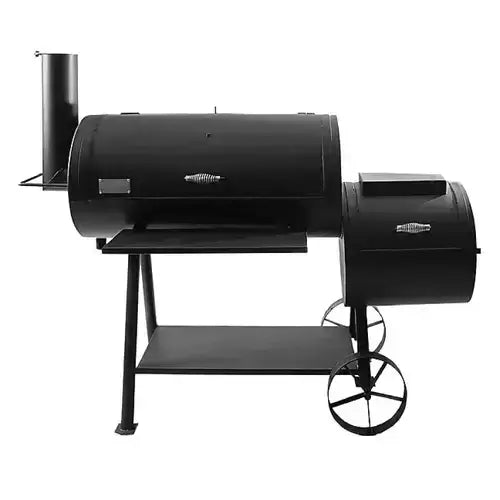
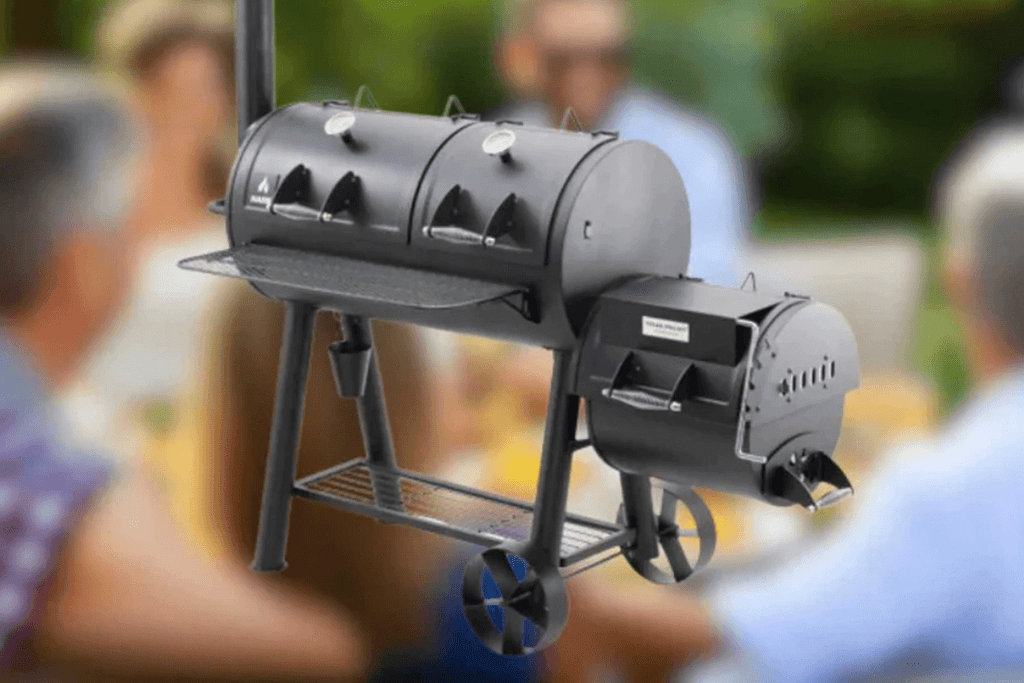
- Horizontal offset smokers have a main cooking chamber and a firebox on the side.
- Vertical offset smokers have a firebox below the cooking chamber.
- Barrel-style smokers are shaped like a drum and are easy to use.
Choose a type that matches your cooking space and style.
Size And Capacity Considerations
Pick a smoker size based on how much food you want to cook. Bigger smokers hold more but need more fuel.
- Small smokers are good for family meals or small groups.
- Medium smokers suit casual gatherings and parties.
- Large smokers work best for big events or frequent cooking.
Consider your available space and how often you plan to use the smoker.
Material And Build Quality
Look for a smoker made of strong materials. Good build quality keeps heat steady and lasts longer.
- Steel is common and holds heat well.
- Stainless steel resists rust but costs more.
- Thicker metal means better heat retention and durability.
- Check welds and seams for strong construction.
Choose a smoker that fits your budget and will last through many cookouts.
Preparing Your Charcoal Grill
Using an offset smoker on a charcoal grill needs careful preparation. You must get your grill ready to control heat and smoke well.
Good preparation helps you cook food slowly and keep it juicy and tasty. Let’s look at the key steps.
Cleaning And Maintenance
Clean your charcoal grill before using it as an offset smoker. Remove ashes and old charcoal from the firebox and main chamber.
Check the grill for rust, loose parts, or holes. Fix these to keep heat and smoke inside the grill.
- Empty ashes from the firebox and cooking chamber.
- Scrub grill grates with a wire brush.
- Check for rust or damage and repair as needed.
- Oil the grates lightly to stop food from sticking.
Setting Up The Grill For Smoking
Arrange your charcoal grill so it works like an offset smoker. Place the charcoal on one side to create indirect heat.
Put a water pan on the other side. This keeps the air moist and helps control temperature.
- Light charcoal and let it burn until covered with gray ash.
- Push hot charcoal to one side of the grill.
- Put a water pan opposite the charcoal.
- Place the food on the grill grate above the water pan for indirect heat.
- Adjust vents to control airflow and temperature.
Tools And Accessories Needed
Use the right tools to make smoking easier and safer. These items help you control heat and cook food well.
- Long-handled tongs and spatula for handling food.
- Charcoal chimney starter to light charcoal quickly.
- Heat-resistant gloves to protect your hands.
- Water spray bottle to manage flare-ups.
- Meat thermometer to check food temperature.
- Aluminum foil and drip pans to catch drips.
Fuel Selection And Management
Using an offset smoker on a charcoal grill is an art. Selecting and managing the right fuel is key to perfect flavors. Charcoal and wood are essential for smoking.
Understanding different types of charcoal and wood helps in making the best choice. Proper fuel arrangement ensures consistent heat and smoke.
Charcoal Types And Their Impact
Charcoal comes in two main types: briquettes and lump. Each has its own qualities and effects on flavor.
- Briquettes burn longer and provide steady heat.
- Lump charcoal burns hotter and adds a natural wood flavor.
Using Wood For Flavor
Wood chunks or chips are used to enhance flavor. Different woods provide distinct tastes to your food.
- Hickory gives a strong, smoky flavor.
- Applewood adds a sweet, mild taste.
- Mesquite offers a bold, earthy flavor.
Fuel Arrangement Techniques
How you arrange your fuel affects cooking time and flavor. Proper arrangement ensures even heat distribution.
- Start with a charcoal base for steady heat.
- Place wood chunks for added flavor on top.
- Use a two-zone fire for better temperature control.

Credit: danavento.com
Starting And Maintaining The Fire
Using an offset smoker on a charcoal grill needs careful fire management. Starting the fire correctly sets the stage for good smoking.
Keeping the fire steady ensures your food cooks evenly and tastes great. Let’s look at how to light, control, and add fuel.
Lighting The Charcoal
Place charcoal in a chimney starter for quick lighting. Use natural fire starters or paper under the chimney. Avoid lighter fluid to keep flavors clean.
Wait until the charcoal is covered with white ash. This usually takes about 15 minutes. Then, spread the hot coals in the firebox for even heat.
Controlling Airflow And Temperature
Open the intake vents to let air in and control the fire’s strength. The more air, the hotter the fire. Close vents slightly to lower heat.
- Adjust bottom vents to control oxygen flow.
- Use the top vent to release smoke and heat.
- Check the smoker’s built-in thermometer often.
- Keep vents steady for consistent temperature.
Adding Fuel During The Cook
| When to Add Fuel | How to Add Fuel |
| Fire burns low or temperature drops | Add fresh charcoal to the firebox edges |
| After 1–2 hours of cooking | Place wood chunks on hot coals for smoke |
| To keep steady heat | Maintain a small, hot fire with gradual fuel additions |
Always add fuel carefully to avoid disturbing the fire too much. Use tongs or a poker to move coals if needed.
Using The Offset Smoker Attachment
An offset smoker attachment adds smoky flavor to your food on a charcoal grill. It works by connecting a small smoke chamber to the main grill.
This guide explains how to position the smoker, control airflow, and keep track of smoke and heat.
Positioning The Smoker On The Grill
Attach the offset smoker to the side of your charcoal grill so smoke flows into the main cooking area. Place the smoker where smoke will move across the food.
Make sure the smoker is stable and the connection is tight to avoid smoke leaks.
Adjusting Vents For Smoke Flow
Vents control how much air enters and leaves the smoker. Proper vent settings keep smoke steady and heat even.
- Open the intake vent to add air and increase heat.
- Adjust the exhaust vent to control smoke flow out of the smoker.
- Close vents slightly to lower temperature or slow burning.
- Keep vents clean and free of ash for good airflow.
Monitoring Smoke And Heat
| Tool | Purpose |
| Thermometer | Check internal smoker temperature |
| Smoke Color | Light blue smoke indicates good burn |
| Firebox | Add charcoal or wood to keep heat steady |
| Timer | Track cooking time for best results |
Watch the smoke color and temperature often. Add fuel as needed to keep the fire steady.
Cooking Techniques And Tips
Using an offset smoker on a charcoal grill can enhance your cooking by adding rich smoky flavors. It takes patience and the right approach to keep your food juicy and tender.
This guide covers key techniques to help you get the best results from your offset smoker setup.
Choosing The Right Cuts Of Meat
Pick cuts that do well with slow smoking. Tougher meats with fat and connective tissue break down nicely over long cooking times.
- Brisket: Thick and fatty, perfect for low and slow smoking
- Pork shoulder: Has enough fat to stay moist during long cooks
- Ribs: Benefit from smoke and slow heat to become tender
- Whole chicken or turkey: Use for smaller meals with good smoke flavor
- Chuck roast: Affordable and flavorful with proper smoking
Managing Cooking Times
Keep a steady temperature between 225°F and 275°F for best results. Use a thermometer to track the meat’s internal temperature and the smoker’s heat.
- Light charcoal and allow it to burn until covered with white ash.
- Arrange coals on one side of the grill for indirect heat.
- Place meat on the opposite side, away from direct flames.
- Maintain airflow by adjusting vents to control temperature.
- Check meat temperature regularly; avoid opening the lid too often.
Using Water Pans For Moisture
Water pans add humidity inside the smoker. This helps keep the meat moist and slows the cooking process for even doneness.
| Water Pan Tip | Reason |
| Place pan below the grill grate | Water evaporates and adds moisture |
| Keep pan filled with hot water | Maintains steady humidity |
| Add herbs or spices to water | Enhances smoke flavor subtly |
| Use a pan size that fits smoker well | Prevents water from boiling off too fast |
Cleaning And Storage
Cleaning and storing your offset smoker on a charcoal grill keeps it in good shape. Regular care helps it last longer.
It also keeps food tasting fresh and avoids rust or damage. Follow simple steps after each use.
Removing Ash And Residue
After using the smoker, wait until it cools down completely. Then remove all ash and leftover charcoal.
Use a metal scoop or ash tool to clear the ash from the firebox and charcoal area.
- Empty the ash catcher if your grill has one
- Brush the cooking grates to remove food residue
- Wipe the inside surfaces with a damp cloth
Protecting The Smoker And Grill
Cover your offset smoker and charcoal grill to protect them from rain and dust. Use a weatherproof grill cover.
Store the smoker in a dry place if possible. Keep it away from moisture to stop rust from forming.
- Keep covers tight and secure to avoid wind damage
- Check for tears or holes in the cover regularly
- Store accessories like thermometers and tools inside
Regular Maintenance Tips
Clean your smoker after each use to avoid buildup. Check parts like hinges, handles, and vents often.
Apply cooking oil to grates to prevent rust. Tighten screws and bolts if needed.
- Clean grease traps to prevent flare-ups
- Check smoke seals and replace if worn
- Use a wire brush to clean the firebox walls
- Inspect for rust and touch up with heat-resistant paint

Credit: www.amazon.ca
Credit: smokedbbqco.com.au
Frequently Asked Questions
How Do I Set Up An Offset Smoker On A Charcoal Grill?
To set up an offset smoker, position the charcoal on one side of the grill. Keep the food on the opposite side for indirect heat. Adjust vents to control airflow and maintain a steady temperature for optimal smoking.
What Type Of Charcoal Is Best For Offset Smokers?
Use natural lump charcoal for offset smokers. It burns hotter and longer than briquettes. Lump charcoal also produces less ash, providing cleaner smoke. This helps maintain consistent heat and enhances the flavor of smoked food.
How Do I Control Temperature In An Offset Smoker?
Control temperature by adjusting the intake and exhaust vents. More airflow increases heat, while less airflow lowers it. Add charcoal gradually to maintain steady heat. Using a good thermometer ensures precise temperature control during smoking.
Can I Add Wood Chips To A Charcoal Offset Smoker?
Yes, add soaked wood chips to the charcoal for extra smoke flavor. Use chips like hickory, apple, or mesquite. Add them sparingly to avoid overpowering the food. This enhances the smoky taste without creating bitterness.
Conclusion
Using an offset smoker on a charcoal grill adds rich flavor to your food. Control the heat by adjusting air vents and managing charcoal. Keep the smoker clean for better smoke flow and taste. Practice helps you learn how to maintain steady temperatures.
Enjoy the process and the delicious results. Smoking meat takes time, but it is worth the wait. Try different woods for unique flavors each time. Your charcoal grill can do more than just grilling.