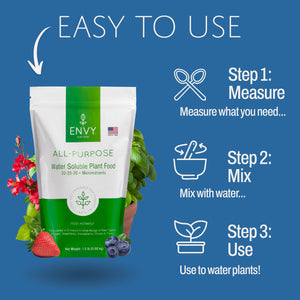
Are you wondering how to give your plants the boost they need to grow healthy and strong? Using plant food the right way can make all the difference in your garden or indoor greenery.
But with so many options and tips out there, it’s easy to feel confused. You’ll discover simple, clear steps to feed your plants effectively. By the end, you’ll know exactly how to help your plants thrive, making your gardening efforts more rewarding than ever.
Keep reading to unlock the secret to vibrant, flourishing plants!

Credit: littlesproutslearning.co
Choosing The Right Plant Food
Plant food helps plants grow strong and healthy. Choosing the right one is important for good results.
Different plants need different nutrients. Knowing what type of plant food to use can improve growth.
Types Of Plant Food
There are many types of plant food. Some come as liquids, others as granules or spikes.
Each type feeds plants differently and fits different gardening styles.
- Liquid fertilizers: fast absorption, good for quick feeding
- Granular fertilizers: slow release, feeds plants over time
- Spike fertilizers: easy to use, placed near roots
- Water-soluble fertilizers: mix with water for even feeding
Nutrient Content
Plant food contains key nutrients called N-P-K: Nitrogen, Phosphorus, and Potassium.
Each nutrient supports a different part of plant growth and health.
| Nutrient | Role in Plant Growth |
|---|---|
| Nitrogen (N) | Helps leaves grow green and healthy |
| Phosphorus (P) | Supports root and flower development |
| Potassium (K) | Improves overall plant strength and disease resistance |
Organic Vs. Synthetic Options
Organic plant foods come from natural sources like compost or manure. They release nutrients slowly.
Synthetic fertilizers are made in labs. They give nutrients fast but can harm soil if overused.
- Organic plant food improves soil health over time
- Synthetic plant food works quickly for immediate growth
- Organic options are safer for the environment
- Synthetic options need careful use to avoid damage

Credit: www.amazon.com
When To Apply Plant Food
Applying plant food at the right time helps plants grow strong and healthy. Knowing when to feed your plants is key to their development.
Different plants have varying needs. Timing your feedings to match these needs ensures they thrive throughout the year.
Seasonal Timing
Each season affects how plants absorb nutrients. Align feeding with the seasons for the best results.
- Spring: Start feeding when plants show new growth.
- Summer: Increase feeding as plants grow rapidly.
- Fall: Reduce feeding to prepare plants for dormancy.
- Winter: Avoid feeding as most plants are inactive.
Growth Stages
Plants need different nutrients at each growth stage. Understanding these stages helps you feed them correctly.
| Growth Stage | Nutrient Need |
| Seedling | Nitrogen for leaf growth |
| Blooming | Phosphorus for flowers |
| Fruiting | Potassium for fruit development |
Signs Your Plant Needs Feeding
Plants show signs when they need food. Watch for these signs to know when to feed them.
- Yellowing leaves
- Stunted growth
- Poor flowering or fruiting
How To Apply Plant Food
Plant food helps plants grow healthy and strong. Using it the right way gives the best results.
There are different ways to apply plant food. You can add it to the soil or spray it on leaves.
Soil Application Techniques
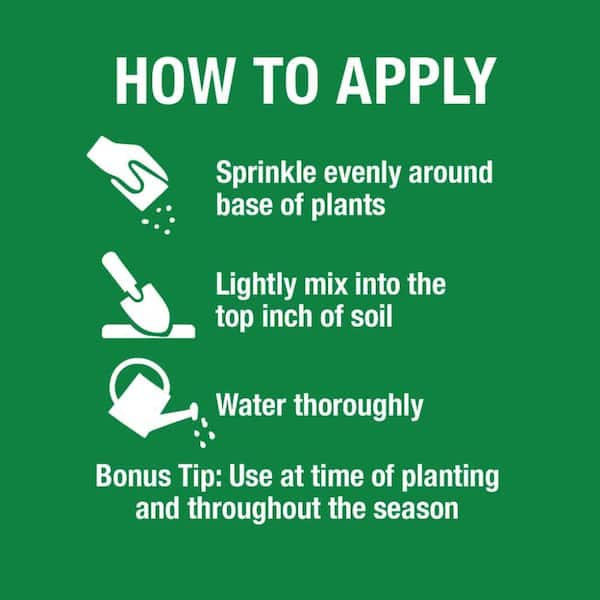
Adding plant food directly to the soil feeds roots. This helps plants absorb nutrients well.
You can spread granules around the plant base or mix liquid food into the soil.
- Scatter granules evenly around the root zone
- Mix liquid plant food with water before pouring
- Work granules lightly into the top soil
- Apply plant food during watering for best absorption
Foliar Feeding Methods
Foliar feeding means spraying nutrients on leaves. Plants absorb nutrients quickly this way.
Use a spray bottle or garden sprayer to cover leaf surfaces evenly. Avoid spraying in strong sun.
- Spray in early morning or late afternoon
- Cover both top and underside of leaves
- Use fine mist for better coverage
- Do not spray if leaves are wet from rain
Dilution And Dosage Tips
Always follow the instructions on the plant food package. Use correct dilution to avoid damage.
Too strong a mix can burn plants. Too weak may not feed them enough.
| Plant Food Type | Recommended Dilution | Application Frequency |
|---|---|---|
| Liquid Fertilizer | 1 tablespoon per gallon of water | Every 1-2 weeks |
| Granular Fertilizer | Follow package directions | Every 1-3 months |
| Foliar Spray | 1 teaspoon per gallon of water | Every 7-10 days |
Credit: www.homedepot.com
Common Mistakes To Avoid
Using plant food helps plants grow strong and healthy. Many people make mistakes that harm their plants.
Knowing what to avoid will keep your plants safe and thriving.
Overfeeding Dangers
Giving too much plant food can burn the roots and leaves. This stops the plant from growing well.
Overfeeding can cause yellow leaves and weak stems. It can also attract pests and diseases.
- Use the recommended amount on the label
- Feed plants less in colder months
- Watch for signs of overfeeding like leaf burn
Incorrect Application
Applying plant food the wrong way reduces its benefits. It can waste the nutrients and harm the soil.
Some plant foods must be mixed with water. Others go directly on the soil or leaves. Always follow instructions.
- Do not apply plant food in strong sunlight
- Water plants before or after feeding
- Use the right tools for spreading or spraying
Ignoring Plant Specific Needs
Different plants need different nutrients and amounts of food. Ignoring this can cause poor growth or damage.
Research your plant’s needs and choose the right fertilizer. Some plants need more nitrogen, others more phosphorus or potassium.
| Plant Type | Key Nutrient | Feeding Tip |
|---|---|---|
| Leafy Greens | Nitrogen | Use high nitrogen fertilizer |
| Flowering Plants | Phosphorus | Choose bloom-boosting food |
| Fruit Plants | Potassium | Feed regularly but not too much |
Boosting Growth With Extra Care
Using plant food correctly helps your plants grow strong and healthy. Giving extra care means your plants get the nutrients they need.
Understanding how to feed and care for plants improves their growth and appearance. Follow simple tips for better results.
Watering And Fertilizing Together
Water your plants before adding plant food. Wet soil helps nutrients reach the roots. Avoid fertilizing dry soil to protect roots.
Use plant food after watering to help plants absorb nutrients faster. Water again lightly to spread the fertilizer evenly.
- Water plants first to moisten soil
- Apply plant food carefully as directed
- Water lightly after fertilizing
- Do not overwater to avoid nutrient loss
Using Mulch And Compost
Mulch keeps soil moist and cool. It also helps keep nutrients near plant roots. Spread mulch around plants without covering stems.
Compost adds natural nutrients to soil. Mix compost into soil before planting or use it as a top layer. It improves soil health.
- Apply 2-3 inches of mulch around plants
- Keep mulch away from plant stems
- Use compost to enrich soil before planting
- Refresh mulch and compost yearly
Monitoring Plant Health
Check your plants often for signs of problems. Look for yellow leaves, spots, or slow growth. Early action helps plants recover well.
Keep a plant care journal to track watering and fertilizing. Note changes in growth or leaf color. This helps you adjust care as needed.
- Inspect leaves and stems weekly
- Watch for pests or diseases
- Record watering and feeding dates
- Adjust care based on plant response
Frequently Asked Questions
What Is The Best Time To Apply Plant Food?
The best time to apply plant food is early morning or late afternoon. Avoid midday heat to prevent nutrient loss. This timing helps plants absorb nutrients effectively and promotes healthy growth.
How Often Should I Use Plant Food On My Plants?
Use plant food every 2-4 weeks during the growing season. Avoid overfeeding as it may harm plants. Follow product instructions for specific application frequency to ensure balanced nutrition.
Can I Use Plant Food For All Types Of Plants?
Most plant foods work well for a variety of plants. However, some plants need specialized formulas. Always check the label to match plant food with your plant type for best results.
How Much Plant Food Should I Apply Each Time?
Apply plant food according to the package instructions. Too much can burn roots and damage plants. Proper dosage ensures healthy growth without nutrient overload.
Conclusion
Using plant food helps your plants grow strong and healthy. Apply it as directed for best results. Too much plant food can harm your plants. Water your plants well after feeding them. Watch your plants closely to see how they respond.
Healthy plants make your garden look beautiful. Simple care and the right plant food go a long way. Keep learning and enjoy growing your plants every day.