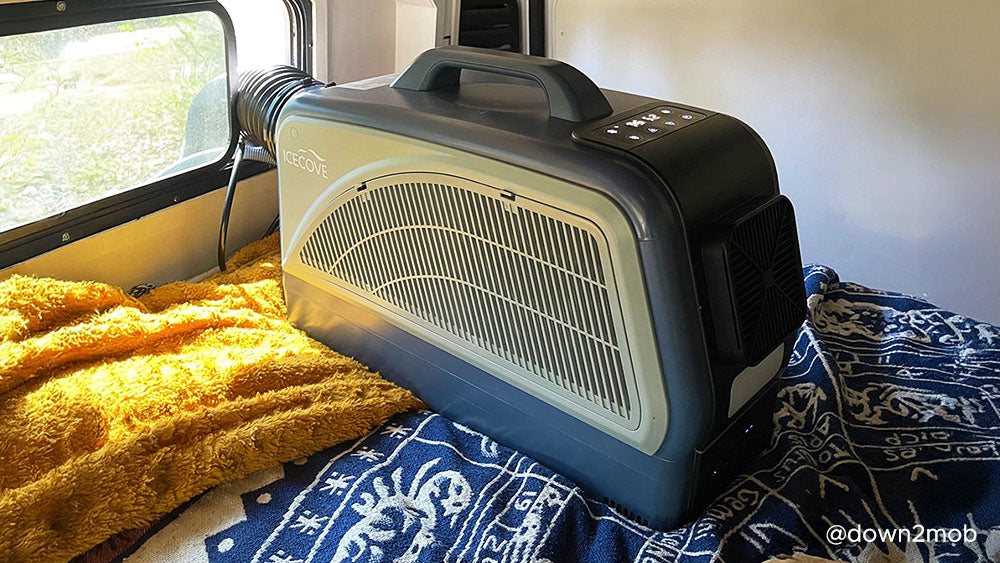
Are you tired of feeling hot and uncomfortable when the temperature rises? A portable air conditioner can be your best friend during those sweltering days.
But how do you make sure you’re using it the right way to cool your space quickly and efficiently? In this guide, you’ll discover simple steps to set up and use your portable air conditioner like a pro. By the time you finish reading, you’ll know exactly how to keep your room perfectly chilled without wasting energy or money.
Ready to beat the heat and enjoy cool comfort? Let’s get started!
Choosing The Right Portable Ac
Picking the right portable air conditioner helps keep your room cool and comfortable. A good choice saves energy and money.
Consider your room size, cooling power, and energy ratings before buying. These factors make a big difference.
Assessing Room Size
Measure the length and width of your room in feet. Multiply these numbers to get the room’s square footage.
Portable AC units work best in specific room sizes. Choose one that matches your room area for good cooling.
- Small rooms: under 300 sq. ft.
- Medium rooms: 300 to 500 sq. ft.
- Large rooms: over 500 sq. ft.
Checking Cooling Capacity
Cooling capacity is measured in BTUs. Higher BTUs mean more cooling power.
Match the BTU rating to your room size for best results. Too low or high BTUs waste energy or cool poorly.
| Room Size (sq. ft.) | Recommended BTUs |
|---|---|
| Up to 300 | 7,000 – 8,000 |
| 300 – 500 | 8,000 – 12,000 |
| 500 – 700 | 12,000 – 14,000 |
Energy Efficiency Ratings
Check the Energy Efficiency Ratio (EER) to find an efficient unit. Higher EER means less power use.
Look for units with ENERGY STAR labels. They save energy and lower electricity bills.
- EER 8.0 or higher is good
- ENERGY STAR certified units save more
- Efficient units reduce environmental impact

Credit: www.youtube.com
Setting Up Your Portable Ac
Setting up your portable air conditioner correctly helps it work well. Follow some easy steps to get the best cooling.
This guide shows how to pick the right spot, install the exhaust hose, and keep air flowing.
Selecting The Ideal Location
Choose a place near a window or door for the exhaust hose. The area should be flat and strong to hold the AC unit.
- Keep the AC away from heat sources like direct sunlight or ovens.
- Leave space around the unit for air to flow freely.
- Avoid places with high moisture to stop damage.
- Make sure the power outlet is close by to plug in the unit.
Installing The Exhaust Hose
Attach the exhaust hose to the back of the portable AC. This hose removes hot air from the room.
| Step | Action |
| 1 | Connect hose to AC exhaust port. |
| 2 | Extend hose fully without bending. |
| 3 | Fit other end of hose into window kit or vent. |
| 4 | Seal gaps around hose to keep air tight. |
Ensuring Proper Ventilation
Good ventilation keeps your AC running well and prevents heat buildup.
Follow these tips for ventilation:
- Open windows slightly to allow fresh air in.
- Keep doors open between rooms for air circulation.
- Do not block air intake or output vents on the AC.
- Remove any obstacles near the exhaust hose outlet.
Operating Your Portable Ac Efficiently
Using a portable air conditioner well can save energy and keep you cool. It is important to know how to set it up right and keep it working smoothly.
This guide explains how to adjust temperature, use different modes, and maintain airflow for best results.
Adjusting Temperature Settings
Set the temperature to a comfortable level that cools the room without using too much power. Avoid setting it too low because it uses more energy and can make the room too cold.
- Start by setting the temperature between 72°F and 78°F.
- Adjust the setting up or down by one degree if needed.
- Use the remote control or the unit’s control panel to change settings.
- Turn off the AC if the room feels cool enough before the timer ends.
Using Fan And Dehumidify Modes
Portable ACs usually have fan and dehumidify modes. Fan mode helps move air without cooling. Dehumidify mode removes moisture from the air to make the room feel cooler.
| Mode | Use When | Effect |
| Fan | Room is not hot but needs air circulation | Moves air without cooling |
| Dehumidify | Humidity is high and room feels damp | Removes moisture and reduces dampness |
| Cool | Room is hot and needs cooling | Cools the air and reduces temperature |
Maintaining Airflow
Good airflow helps the portable AC cool the room faster and work better. Blocked airflow can cause the AC to overheat or stop cooling well.
- Place the AC near a window or vent to exhaust hot air.
- Keep the air intake and exhaust vents clear of objects.
- Clean or replace the air filter regularly.
- Do not place furniture or curtains close to the AC vents.
- Check that the exhaust hose is not bent or blocked.

Credit: www.youtube.com
Maximizing Cooling Performance
Using a portable air conditioner well helps keep your room cool. Small changes in setup can improve its power.
Follow these tips to get the best cooling from your portable air conditioner.
Sealing Windows And Doors
Seal all gaps around windows and doors. This stops warm air from entering the room.
Use weather stripping or caulk to close cracks. Make sure the portable AC’s exhaust hose fits tight.
- Check window edges for air leaks
- Seal door frames with draft stoppers
- Fit exhaust hose securely to window kit
Using Curtains And Blinds
Close curtains and blinds during sunny hours. This blocks heat from sunlight.
Use light-colored curtains to reflect heat. Keep windows covered to reduce indoor temperature.
- Draw curtains before the sun hits windows
- Choose blinds that block light well
- Open curtains only when it is cooler outside
Avoiding Heat Sources
Keep heat-producing items away from the air conditioner. Things like lamps and electronics add heat.
Turn off devices not in use. This lowers the room temperature and helps your AC cool better.
- Move lamps and TVs far from the AC unit
- Switch off unused appliances
- Limit cooking during hot parts of the day
Maintaining Your Portable Ac
Keeping your portable air conditioner clean helps it work well. Regular care makes it last longer and cool better.
Learn simple ways to maintain your unit. This guide covers cleaning filters, draining water, and inspecting parts.
Cleaning Or Replacing Filters
Dirty filters block air and lower cooling. Clean or replace filters every few weeks during use.
- Turn off and unplug the unit before cleaning.
- Remove the filter gently from the back or side panel.
- Wash the filter with warm water and mild soap.
- Let the filter dry completely before putting it back.
- Replace the filter if it is torn or very dirty.
Draining Condensate Water
Portable AC units collect water inside while cooling. Empty this water often to avoid leaks and smells.
| Drain Type | How to Drain |
| Manual Drain | Open the drain plug and let water flow into a container. |
| Auto Evaporation | Unit evaporates water automatically; check for overflow often. |
| Drain Hose | Attach a hose to drain water outside or to a drain. |
Regular Inspection And Care
Check your portable AC for wear and tear. Fix small problems early to avoid big repairs.
- Look for cracks or damage on the body and vents.
- Check the power cord for cuts or frays.
- Clean the outside with a soft cloth to remove dust.
- Make sure the unit stands on a flat surface for proper air flow.
- Test the remote and controls regularly.
Troubleshooting Common Issues
Portable air conditioners can face problems that stop them from working well. You can fix many issues yourself with simple checks.
This guide helps you solve common problems like poor cooling, water leaks, and strange noises.
Handling Poor Cooling
If your portable air conditioner is not cooling properly, check the air filter first. A dirty filter blocks airflow and lowers cooling.
Also, make sure the exhaust hose is not bent or blocked. A blocked hose stops hot air from leaving the unit.
- Clean or replace the air filter regularly
- Keep the exhaust hose straight and clear
- Close doors and windows to keep cool air inside
- Check the thermostat setting and lower it if needed
Dealing With Water Leaks
Water leaks often happen if the drainage system is blocked or full. Portable air conditioners collect moisture during cooling.
Empty the water tank or check the drain hose for clogs. Make sure the unit is on a flat surface to drain water properly.
- Empty the water tank when full
- Check and clear the drain hose
- Keep the unit level on a flat surface
- Use the continuous drain option if available
Fixing Unusual Noises
Unusual sounds can mean loose parts or dirt inside the unit. Turn off the air conditioner before checking for loose screws.
Clean the fan blades and check that the unit sits on a flat surface to reduce vibrations and noise.
- Tighten any loose screws or parts
- Clean dust from fan blades and vents
- Place the unit on a flat, stable surface
- Remove objects near the air intake or exhaust
Energy Saving Tips
Portable air conditioners help cool rooms quickly. Saving energy keeps bills low and helps the planet.
Use these tips to run your portable AC in a smart, energy-friendly way.
Using Timers And Sleep Modes
Timers let you set the AC to turn off or on at certain times. Sleep modes adjust cooling slowly while you rest.
These features stop the AC from running too long, saving power without losing comfort.
- Set timers to match your schedule
- Use sleep mode for cooler nights
- Avoid running AC all day or night
Optimizing Thermostat Settings
Keep the thermostat at a comfortable but not too cold temperature. Around 75°F (24°C) works well.
Lower temperatures make the AC work harder and use more energy.
- Set thermostat between 74°F and 78°F (23°C-26°C)
- Adjust settings when you leave the room
- Use a thermometer to check room temperature
Combining With Fans For Efficiency
Fans help spread cool air faster and reduce hot spots. This lets you set the AC at a higher temperature.
Using a fan with your portable AC lowers energy use and keeps you comfortable.
- Use ceiling or floor fans alongside the AC
- Fans move air, helping cool reach all areas
- Turn off fans when not in the room

Credit: sunjoyshop.ca
Frequently Asked Questions
How Do Portable Air Conditioners Work Effectively?
Portable air conditioners cool air by drawing warm air inside. They use a refrigerant to absorb heat and expel it outside through an exhaust hose. This process lowers indoor temperature quickly and efficiently, making portable ACs a convenient cooling solution for small spaces.
Where Should I Place My Portable Air Conditioner?
Place your portable air conditioner near a window or vent for proper exhaust. Ensure the hose is securely attached and not kinked. Position the unit on a flat surface away from direct sunlight for optimal cooling and energy efficiency.
How Often Should I Clean A Portable Ac Filter?
Clean your portable AC filter every two weeks during heavy use. Remove dust and debris by washing it with warm water and mild detergent. Regular cleaning improves air quality, maintains cooling efficiency, and extends the unit’s lifespan.
Can Portable Air Conditioners Dehumidify A Room?
Yes, portable air conditioners remove moisture from the air while cooling. This reduces humidity levels, making your room feel cooler and more comfortable. Some models have a dedicated dehumidify mode for enhanced moisture control.
Conclusion
Using a portable air conditioner can make your home comfortable. It’s easy and efficient. Remember to place it near a window. Connect the exhaust hose properly. Clean the filters regularly to ensure fresh air. Adjust the thermostat for energy savings.
Always check the power supply. Follow these tips for a cool and pleasant environment. Stay cool, save energy, and enjoy the benefits of your portable air conditioner. Your home comfort is just a plug away. Feel free to explore more tips to enhance your experience.
Keep cool and relax!