Are you struggling to stay cool because your portable air conditioner doesn’t fit in your window? You’re not alone, and the good news is—you don’t always need a window to use it.
Imagine beating the heat without the hassle of complicated setups or damaging your walls. You’ll discover simple, effective ways to use your portable air conditioner without relying on a window. Keep reading, and you’ll learn how to enjoy cool comfort anywhere in your space, hassle-free.
Choosing The Right Portable Ac
Picking the right portable air conditioner is important for comfort. It helps you cool a room without a window.
Focus on the size, energy use, and type of the unit. This guide helps you find the best fit for your space.
Check Btu Capacity
BTU means how much heat the AC can remove. Choose a unit with enough BTUs for your room size.
- Small rooms (up to 150 sq ft): 5,000–6,000 BTU
- Medium rooms (150–300 sq ft): 7,000–8,200 BTU
- Large rooms (300–500 sq ft): 10,000–14,000 BTU
Consider Energy Efficiency
Energy-efficient AC units save electricity and lower bills. Look for models with good energy ratings.
| Feature | Why It Matters |
| Energy Star Certified | Uses less power, saves money |
| Programmable Timer | Turns off AC when not needed |
| Sleep Mode | Adjusts temperature for comfort and saves energy |
Look For Ventless Models
Ventless portable ACs do not need window vents. They cool using water or special technology.
- No need to install exhaust hoses
- Good for rooms without windows
- Usually quieter than vented models
- Can add moisture to the air

Credit: www.youtube.com
Alternative Venting Options
Portable air conditioners need to vent hot air outside for best performance. Without a window, you can try other venting methods. These options help remove heat and keep your room cool.
Below are three ways to vent your portable air conditioner without using a window. Each has its own setup and benefits.
Use A Drop Ceiling
A drop ceiling can be a good place to vent hot air if you have access above it. This method works well in offices or basements with removable ceiling tiles.
- Remove one or more ceiling tiles near the air conditioner.
- Cut a hole in the tile to fit the vent hose.
- Attach the hose securely to the hole.
- Make sure the hot air flows freely into the space above the ceiling.
- Check for any gaps and seal them to prevent air leaks.
Vent Through A Door
You can vent the hot air through a door by creating a small opening or using a door vent kit. This option is easy to set up and does not require window access.
| Method | Description | Notes |
| Door Gap Venting | Leave a small gap under the door for the hose. | Use a door draft stopper to seal around the hose. |
| Door Vent Kit | Install a vent panel or kit in the door. | Provides a cleaner look and better airflow control. |
Utilize A Wall Vent
A wall vent can be a permanent solution to vent your portable air conditioner. It requires cutting a hole in the wall to pass the hose outside.
Here is a checklist to prepare for a wall vent installation:
- Choose a wall location near your air conditioner.
- Measure and mark the vent hole size.
- Cut the hole carefully, avoiding wiring or pipes.
- Install a vent cover or grille on the outside.
- Attach the vent hose inside and seal all gaps.
Setting Up Without A Window
Using a portable air conditioner without a window can be tricky. You need to set it up carefully to keep your room cool.
This guide helps you position the unit, seal air leaks, and use vent adapters properly.
Positioning The Unit
Place the air conditioner near a door or another vent. Make sure it is on a flat surface for stability.
Leave space around the unit for air to flow well. Avoid placing it too close to walls or furniture.
Sealing Air Leaks
Seal any gaps where air can escape. This keeps cool air inside and hot air out.
- Use weather stripping on door edges
- Apply foam tape to vents or gaps
- Cover open spaces with plastic film
Using Vent Adapters
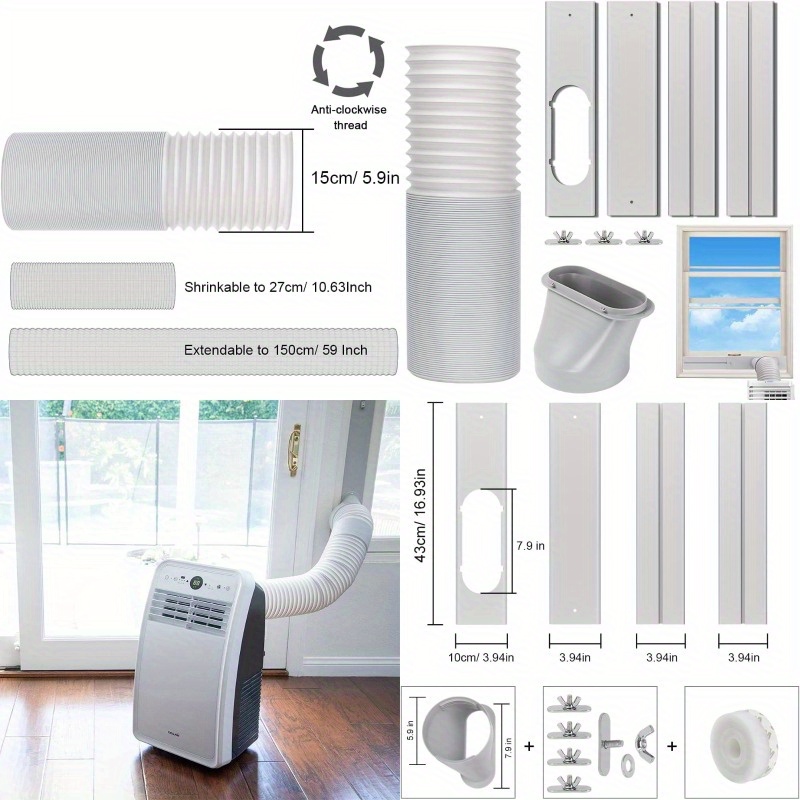
Vent adapters help connect the exhaust hose to door or wall vents. They guide hot air outside safely.
Choose adapters that fit your vent size. Secure them tightly to avoid air leaks.
- Measure your vent opening before buying
- Use adjustable adapters for flexibility
- Check for secure hose connections

Credit: www.cnet.com
Maintaining Airflow And Cooling
Using a portable air conditioner without a window can be tricky. You need to keep good airflow for the unit to cool well.
Proper airflow helps the air conditioner work better and keeps your space cool and comfortable.
Keep Air Intake Clear
Make sure nothing blocks the air intake of your portable air conditioner. A clear intake lets the unit pull in air easily.
Keep furniture, curtains, and other objects away from the air intake area. This helps the air conditioner work efficiently.
Use Fans To Circulate Air
Fans help move cool air around the room. They also push warm air toward the air conditioner for better cooling.
Place a fan near the portable air conditioner to improve air circulation and keep the room cooler.
- Use ceiling or stand fans to spread air evenly
- Point fans toward the air conditioner to help air intake
- Run fans at the same time as the air conditioner for best results
Regular Filter Cleaning
Clean the air filter often. A dirty filter blocks airflow and lowers cooling power.
Check the filter every two weeks and clean it if you see dust or dirt buildup.
- Remove the filter from the unit carefully
- Use a vacuum or wash with water if allowed
- Let the filter dry completely before putting it back
Safety And Efficiency Tips
Using a portable air conditioner without a window can be tricky. You must follow safety and efficiency tips to keep your space cool and safe.
This guide helps you avoid common problems and get the best from your portable AC unit.
Avoid Blocking Vents
Keep the air conditioner vents clear. Blocked vents reduce airflow and make the unit work harder.
Place the unit where nothing blocks the front or back vents. This helps the air move freely and cool your room well.
- Do not place furniture or curtains in front of vents
- Keep at least 2 feet of space around the unit
- Check vents often for dust and clean them
Monitor Temperature And Humidity
Watch the room temperature and humidity to keep comfort and save energy. High humidity makes cooling harder.
Use a thermometer and hygrometer to check these levels. Adjust settings or use a dehumidifier if needed.
- Set the AC to a comfortable temperature between 72°F and 78°F
- Keep humidity below 60% for better cooling
- Open doors or windows slightly if humidity is very high
Proper Drainage Solutions
Portable AC units need to drain water collected from the air. Proper drainage prevents leaks and damage.
Check your model’s drainage options. Use a drain hose, water tank, or pump to remove water safely.
- Empty the water tank regularly if your unit has one
- Connect a drain hose to lead water outside or to a drain
- Use a condensate pump for automatic water removal if available
Credit: www.temu.com
Alternative Cooling Methods
Portable air conditioners usually need a window to vent hot air outside. Without a window, you can try other ways to stay cool.
These alternative cooling methods work well in small spaces and use less power than traditional AC units.
Evaporative Coolers
Evaporative coolers use water to cool the air. They work best in dry climates. The cooler blows air through a wet pad, which cools it down.
- Use a fan to move air through the wet pads.
- Add water regularly to keep the pads wet.
- Place the cooler near an open door for air flow.
- Keep doors and windows closed in humid weather.
Fans With Ice Packs
This method uses a fan and frozen ice packs or bottles to cool air. The fan blows air over the ice, lowering the temperature around you.
- Freeze ice packs or bottles overnight.
- Place them in front of the fan.
- Turn the fan on to blow cool air.
- Replace ice packs when they melt.
Portable Ac With Water Cooling
Some portable ACs use water to cool the air inside the unit. These need less venting and work without a window.
| Feature | Explanation |
| Water Tank | Holds water to cool the air inside the AC. |
| Air Circulation | Blows cooled air into the room without venting. |
| Maintenance | Fill the water tank regularly and clean filters. |
| Power Usage | Uses less energy than window vented AC units. |
Frequently Asked Questions
How Can I Use A Portable Ac Without A Window?
You can use a portable AC without a window by venting it through a door, drop ceiling, or wall vent. Use a vent kit designed for non-window setups to ensure efficient hot air exhaust. Proper sealing around the vent improves cooling performance.
Is Venting Portable Ac Through A Door Effective?
Yes, venting through a door is effective if you use a vent kit and seal gaps properly. This method allows hot air to escape outside, maintaining cooling efficiency. Ensure the door opens to an outdoor area or well-ventilated space for best results.
Can I Use A Portable Ac Without Venting?
Using a portable AC without venting is not recommended. The unit recirculates hot air inside, reducing cooling effectiveness. Always vent hot air outside to maintain optimal cooling and prevent overheating of the room and the AC unit.
What Alternatives Exist To Window Venting For Portable Ac?
Alternatives include venting through sliding doors, drop ceilings, or installing a wall vent. Each option requires a vent kit and proper sealing. Choose the method based on your room layout and ensure hot air is expelled outdoors for effective cooling.
Conclusion
Using a portable air conditioner without a window can be simple and effective. Choose a good venting option like a sliding door or a wall vent. Make sure the exhaust hose fits well to avoid hot air inside. Keep the unit clean and check the water drainage often.
This helps the air conditioner work better and last longer. Stay cool and comfortable even without a window nearby. Small steps make a big difference in beating the heat. Try these tips for easy and cool indoor air.