Are you ready to make your next outdoor adventure more comfortable? Knowing how to use a sleeping bag properly can be the difference between a good night’s sleep and a restless, chilly night.
Whether you’re camping for the first time or just want to get the most out of your gear, this guide will show you simple, effective steps to keep you warm and cozy. Stick with me, and you’ll discover tips that make your sleeping bag work perfectly for you every time.
Let’s get started!
Credit: www.backpacker.com
Choosing The Right Sleeping Bag
Picking a sleeping bag is important for a good night’s sleep outdoors. The right bag keeps you warm and comfortable. You should consider the type, size, and material before buying.
This guide helps you find the best sleeping bag for your needs. Learn about different types, sizes, and insulation options.
Types Of Sleeping Bags
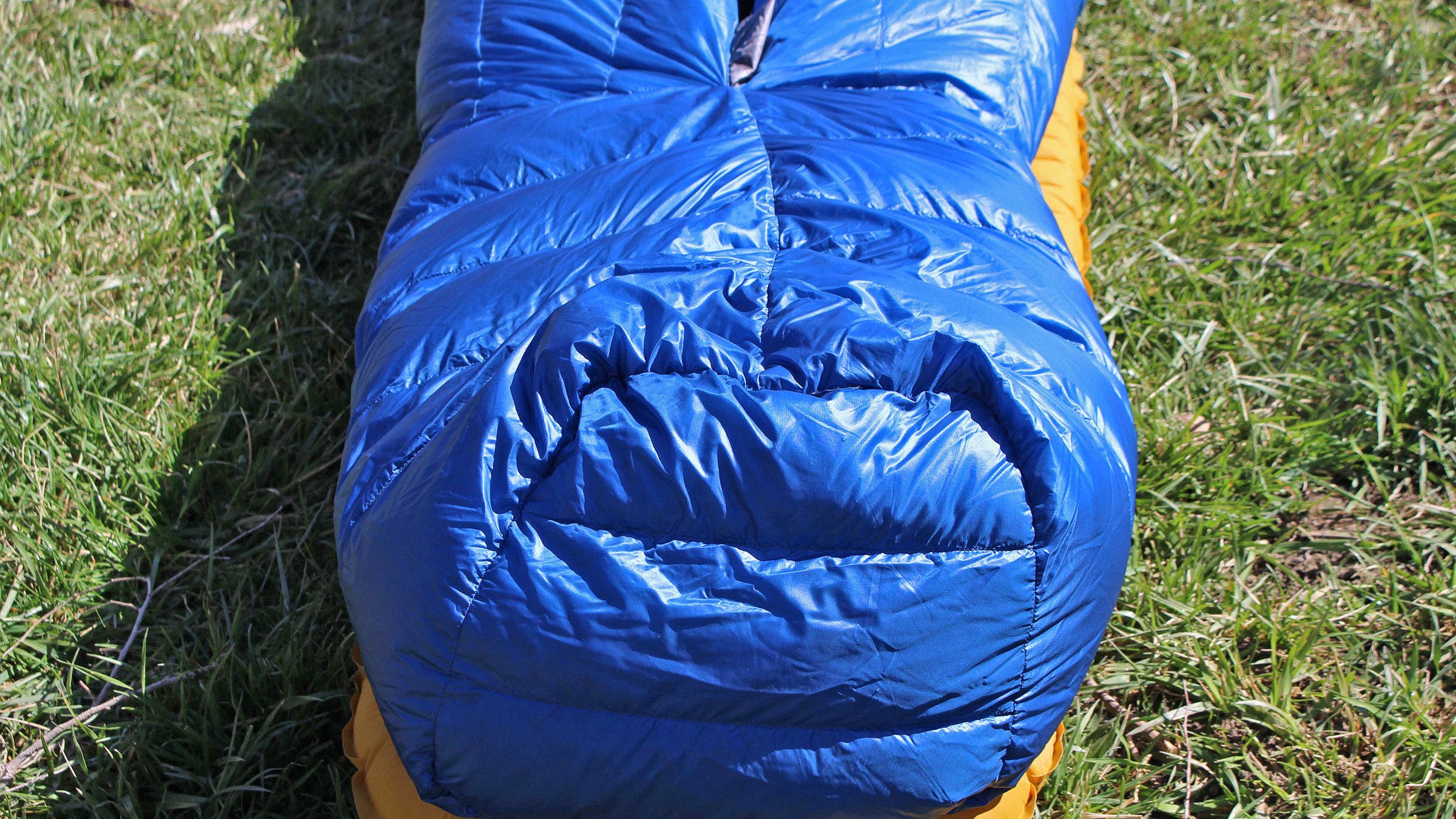
Sleeping bags come in various shapes and designs. The shape affects warmth and how much space you have inside.
- Mummy Bags:Tight fit, good for cold weather, lightweight.
- Rectangular Bags:More room, good for warm weather, heavier.
- Semi-rectangular Bags:A mix of mummy and rectangular, balanced warmth and space.
- Double Bags:Large enough for two people, good for couples.
Selecting The Ideal Size
Size matters for comfort and heat retention. Choose a bag that fits your height and sleeping style.
| Size | Best For | Notes |
| Regular | People up to 6 feet tall | Standard fit for most adults |
| Long | People taller than 6 feet | Extra length for taller users |
| Wide | People who like more space | Extra width for comfort |
Materials And Insulation Options
Materials affect weight, warmth, and durability. Insulation keeps you warm in cold weather.
- Down Insulation:Light, compressible, very warm but loses insulation when wet.
- Synthetic Insulation:Heavier, less compressible, stays warm when wet, easier to clean.
- Shell Material:Usually nylon or polyester. Look for water-resistant and durable fabrics.

Credit: www.rockiesfamilyadventures.com
Preparing Your Sleeping Bag
Using a sleeping bag correctly makes your camping nights cozy. Preparing it well keeps it clean and warm.
Learn simple steps to clean, store, and prepare your sleeping bag for any weather.
Proper Cleaning And Maintenance
Keep your sleeping bag fresh by cleaning it after trips. Dirt and sweat can damage the fabric and insulation.
Use gentle soap made for outdoor gear. Wash by hand or in a front-load washing machine on a gentle cycle.
- Close all zippers and Velcro before washing
- Use cold or warm water, not hot
- Rinse thoroughly to remove all soap
- Dry completely in the sun or on low heat
Storage Tips For Longevity
Store your sleeping bag loosely to keep its shape and insulation. Avoid tight compression for long times.
Use a large cotton or mesh storage sack instead of the small stuff sack used for travel.
- Keep it in a cool, dry place
- Avoid direct sunlight or damp areas
- Air it out occasionally to prevent odors
- Do not store near chemicals or sharp objects
Prepping For Different Weather Conditions
Choose the right sleeping bag for the weather you expect. Prepare it with extra layers in cold weather.
In warm weather, open the bag to let air flow. Use a liner for extra warmth if needed.
- Cold weather: add insulated liners or use a sleeping pad underneath
- Warm weather: unzip or use a lightweight bag
- Wet conditions: keep the bag dry and use waterproof storage
- Always check the temperature rating before your trip
Setting Up For Comfort
Sleeping in the great outdoors can be a fun experience. A sleeping bag is your best friend for a good night’s rest. Setting it up right is key to comfort.
Here’s how you can set up your sleeping bag to stay comfortable all night. Follow these tips and enjoy a cozy sleep under the stars.
Choosing The Best Sleeping Surface
The surface you sleep on affects your comfort. Look for a flat and dry spot to lay your sleeping bag. Avoid rocks and sticks that can poke through.
If the ground is uneven, clear it first. This helps in making your sleep more restful and less bumpy.
Using Sleeping Pads And Liners
Sleeping pads add extra comfort to your sleeping bag. They cushion your body and keep the cold ground away.
Liners can be placed inside your sleeping bag. They make it warmer and keep it clean. Both pads and liners improve your sleep quality.
- Inflatable pads are easy to carry
- Foam pads are lightweight and affordable
- Silk liners are soft and warm
Adjusting Temperature Control Features
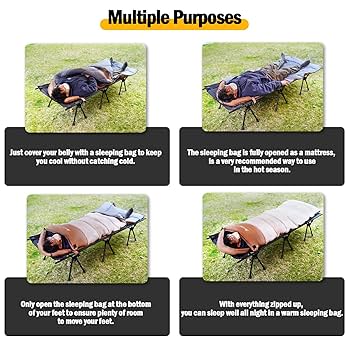
Sleeping bags often have zippers and hoods. Use them to control the temperature inside the bag. Zip it up fully to stay warm.
If it gets too warm, unzip a little to let air in. Adjust the hood to cover your head if it’s cold outside. These features help keep you comfortable.
Sleeping Bag Techniques
Using a sleeping bag properly helps you stay warm and sleep well outdoors. Simple techniques can improve comfort and safety.
Learn how to layer, position yourself, and manage moisture for the best sleeping experience in your bag.
Maximizing Warmth With Layering
Layering clothes inside your sleeping bag traps heat better. Use thin, warm layers like thermal shirts or fleece.
Avoid bulky layers that can reduce space and comfort inside the bag.
- Wear a dry base layer to keep moisture away
- Add a light insulating layer for extra warmth
- Use a hat or socks to keep extremities warm
Positioning For Better Sleep
Position your body in a way that reduces heat loss. Curling slightly helps keep warmth close.
Keep your arms and legs close to your body but avoid tight spots that block blood flow.
- Use a sleeping pad to block cold from the ground
- Keep your head inside the bag’s hood for warmth
- Adjust the zipper to control air flow
Managing Moisture And Ventilation
Moisture inside a sleeping bag can make you cold. Ventilate to reduce sweat and condensation.
Open the zipper slightly if you feel hot. Use breathable fabrics to help moisture escape.
- Keep your sleeping bag dry by airing it out daily
- Wear moisture-wicking clothes inside the bag
- Use a waterproof stuff sack to protect your bag
Troubleshooting Common Issues
Using a sleeping bag can be simple, but sometimes problems happen. This guide helps fix common issues.
Knowing how to solve these problems makes camping more comfortable and safe.
Dealing With Cold Spots
Cold spots happen when the insulation inside the bag moves or gets thin. This lets cold air touch your body.
To fix cold spots, shake the bag well before use. This helps spread the insulation evenly.
- Fluff the sleeping bag to restore loft
- Check for holes or thin areas
- Use a sleeping pad for extra warmth
Fixing Zipper Problems
Zipper jams or breaks can stop your bag from closing properly. Dirt and fabric caught in the zipper cause jams.
Clean the zipper with a soft brush. Use wax or soap to make it slide smoothly.
- Gently pull the fabric out of the zipper teeth
- Apply zipper lubricant or candle wax
- Do not force a stuck zipper to avoid damage
Handling Compression And Loft Loss
Sleeping bags lose loft if they stay compressed for a long time. This lowers their warmth and comfort.
Store your bag loosely in a large sack or hang it to keep the insulation fluffy.
- Avoid storing in tight stuff sacks for months
- Let the bag air out after use
- Wash according to instructions to keep loft

Credit: www.youtube.com
Frequently Asked Questions
How Do I Choose The Right Sleeping Bag Size?
Pick a sleeping bag that fits your height and width comfortably. It should allow movement but keep warmth. Check product dimensions before buying to ensure a perfect fit.
What Is The Best Way To Pack A Sleeping Bag?
Roll your sleeping bag tightly from the foot end. Use compression straps or a stuff sack to minimize size. This saves space and protects the bag from damage.
How Do I Keep My Sleeping Bag Clean?
Spot clean your sleeping bag with mild soap and water. Avoid frequent washing to maintain insulation. Use a sleeping bag liner to reduce dirt and sweat buildup.
Can I Use A Sleeping Bag In All Seasons?
Sleeping bags come in different temperature ratings. Choose one rated for the expected weather. Use additional layers or liners for colder conditions.
Conclusion
Using a sleeping bag properly makes camping more comfortable. Always choose the right size and type for your trip. Keep it clean and dry to last longer. Practice packing and unpacking before you go. Remember, a good sleeping bag helps you rest well outdoors.
Enjoy your adventure with warmth and ease.