Are you looking for a way to save space without giving up the convenience of doing laundry at home? A stacked washer and dryer might be just what you need.
But if you’re new to this setup, you might wonder how to use it properly. Don’t worry—this guide will walk you through everything step-by-step, so you can get the most out of your stacked washer and dryer. Keep reading to discover simple tips that will make your laundry routine easier, faster, and more efficient.
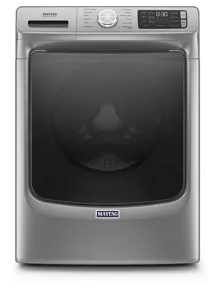
Credit: www.maytag.com
Choosing The Right Location
Finding the right spot for your stacked washer and dryer is important. It affects how well the machines work and how easy they are to use. Consider space, air flow, and access before you place your units.
Pick a location that fits your home layout and daily routine. This helps you keep your laundry area safe and comfortable.
Space Requirements
Stacked washers and dryers need enough space around them. This space lets you open doors and move laundry baskets easily.
- Measure the height, width, and depth of the unit.
- Allow extra space for door clearance and ventilation.
- Keep the area free from clutter for safety.
- Check the floor is level and strong enough to hold the units.
Ventilation Needs
Good air flow prevents heat and moisture buildup. It helps your dryer work better and protects your home from damage.
| Ventilation Aspect | Recommendation |
| Vent Type | Use a vent that leads outdoors |
| Vent Size | Match the size of the dryer vent outlet |
| Air Flow | Keep vents clean and clear of obstructions |
| Room Ventilation | Ensure the room has fresh air supply |
Access And Convenience
Place your stacked washer and dryer where you can reach them easily. This makes laundry tasks faster and safer.
- Choose a spot near water and power sources.
- Make sure the controls are easy to see and use.
- Allow room to load and unload laundry without strain.
- Consider noise and vibration to avoid disturbing living areas.
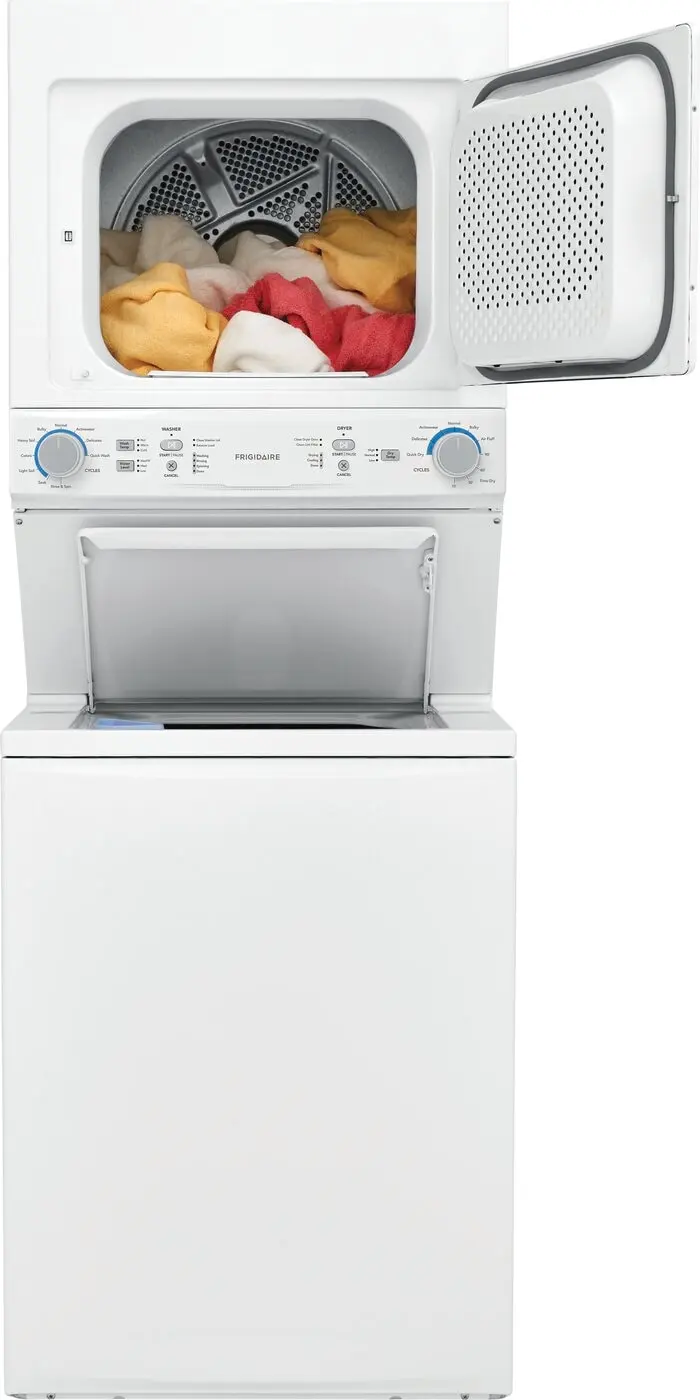
Credit: www.e67.ca
Setting Up Your Stacked Washer And Dryer
Setting up your stacked washer and dryer correctly is important for safe use. This guide covers key steps for installation.
Follow these tips to install, level, and connect your units properly. This will help your machines work well.
Installation Tips
Place the stacked washer and dryer close to water and power sources. Make sure the area is dry and well-ventilated.
Leave enough space around the units for air flow and easy access for maintenance. Use the manufacturer’s manual for specific instructions.
Leveling The Units
Leveling the washer and dryer is important to prevent noise and movement during use. Use a spirit level to check the balance.
- Adjust the feet of the washer until it is level front to back and side to side.
- Lock the feet in place to keep the machine steady.
- Check the dryer’s balance and adjust its feet if needed.
- Make sure both units are stable and do not rock.
Connecting Water And Power
Proper connection of water and power is essential for your stacked washer and dryer to work safely.
| Connection | Details |
| Water Supply | Use cold and hot water hoses to connect to the washer’s inlets. Tighten hoses to stop leaks. |
| Drain Hose | Attach the drain hose to the washer and place it in a standpipe or laundry tub. |
| Power Supply | Plug units into grounded outlets. Avoid using extension cords. |
| Dryer Vent | Connect dryer vent to an outside vent to remove hot air safely. |
Loading For Optimal Performance
Using a stacked washer and dryer saves space. To get the best results, loading the washer correctly is key.
Proper loading helps clothes clean well and keeps the machine working longer. Follow simple steps to load right.
Sorting Laundry
Sort clothes by color and fabric type. This stops colors from bleeding and protects delicate fabrics.
- Separate whites, darks, and colors
- Keep heavy items like towels apart from light clothes
- Wash delicates in a mesh bag
Avoiding Overloads
Do not fill the washer too full. Overloading can make clothes dirty and strain the machine.
- Leave space for clothes to move freely
- Follow the washer’s load capacity guide
- Wash large items separately
Using Proper Detergents
Choose the right detergent for your washer type and clothes. Use the correct amount to avoid residue.
- Use high-efficiency (HE) detergent if needed
- Measure detergent according to load size
- Avoid using too much detergent
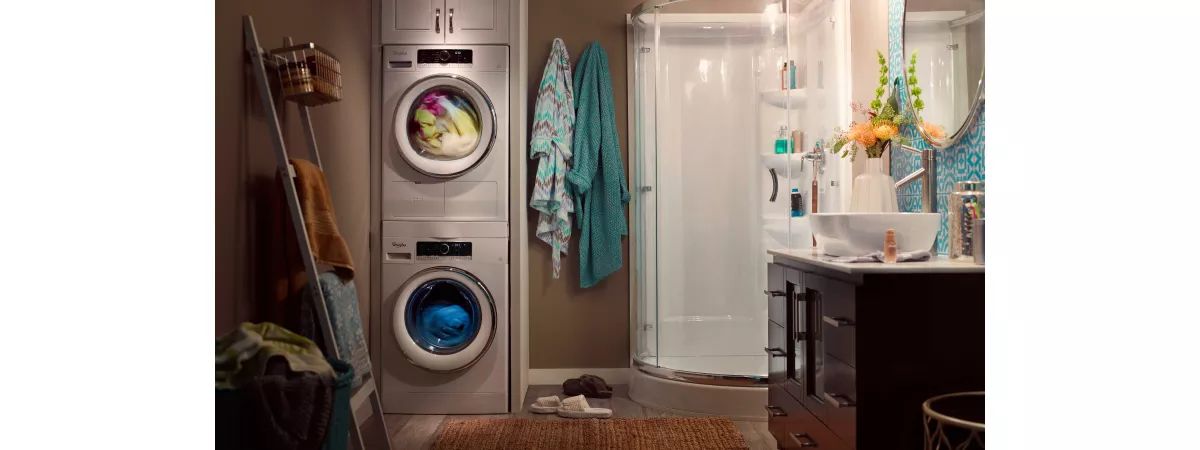
Credit: www.whirlpool.ca
Operating The Washer Efficiently
Using a stacked washer and dryer saves space in your home. Learning to operate the washer well helps clean clothes better.
Simple steps make washing faster and use less water and energy. Let’s look at how to use the washer efficiently.
Selecting Wash Cycles
Pick the right wash cycle for your clothes type. Different fabrics need different care to stay clean and last longer.
Most washers have cycles like cotton, delicate, and quick wash. Use heavy cycles for dirty clothes and gentle ones for light fabrics.
- Normal cycle for everyday clothes
- Delicate cycle for silk or lace
- Heavy duty for towels and jeans
- Quick wash for small, lightly soiled loads
Adjusting Water Temperature
Water temperature affects how well your clothes get clean. Hot water removes tough stains but can shrink some fabrics.
Cold water saves energy and is good for colors and delicate fabrics. Use warm water for most clothes to balance cleaning and care.
- Hot water for whites and heavily soiled items
- Warm water for mixed loads and everyday wear
- Cold water to save energy and protect colors
Energy-saving Settings
Many washers have settings that use less water and electricity. Choose these options to reduce your utility bills.
Using shorter cycles and cold water helps save energy. Also, wait to run full loads to avoid wasting resources.
- Use eco or energy-saving mode
- Wash full loads to save water and energy
- Choose cold water cycles when possible
- Use shorter wash cycles for lightly soiled clothes
Drying Tips For Best Results
Using a stacked washer and dryer can save space in your home. To get the best drying results, follow some simple tips. Proper use will ensure your clothes are dry and fresh.
Pay attention to the drying cycles, clean the lint filter, and avoid overdrying. These actions can protect your clothes and make the machine last longer.
Choosing Drying Cycles
Selecting the right drying cycle is important for your clothes. Each fabric has a preferred setting. Check the labels on your clothes for guidance.
- Use low heat for delicate fabrics
- Choose medium heat for everyday items
- Select high heat for heavy-duty fabrics
Cleaning The Lint Filter
A clean lint filter helps your dryer work better. It prevents lint buildup, which can cause fires. Clean it after every load for safety and efficiency.
- Remove the lint screen carefully
- Wipe away lint with your fingers or a soft brush
- Replace the lint screen before starting a new load
Preventing Overdrying
Overdrying can damage your clothes and use more energy. It is important to stop the dryer when clothes are dry. This saves time and electricity.
- Check clothes mid-cycle to see if they are dry
- Use the moisture sensor setting if available
- Set a timer to remind yourself to check the dryer
Maintenance To Extend Lifespan
Stacked washer and dryer units save space but need regular care. Proper maintenance keeps them working well for years.
Simple tasks like cleaning and checking parts prevent damage. This guide covers key steps to keep your machines in top shape.
Regular Cleaning
Cleaning removes dirt and lint that can cause problems. Clean the washer drum and dryer lint trap often.
- Wipe the washer drum with a damp cloth monthly
- Run a cleaning cycle with washing machine cleaner
- Empty the dryer’s lint filter after each use
- Vacuum lint from the dryer vent yearly
Checking Hoses And Vents
Hoses and vents carry water and air. Check them to avoid leaks and fires.
| Part | What to Check | How Often |
| Water Hoses | Cracks, leaks, loose connections | Every 6 months |
| Dryer Vent | Blockages, damage, proper connection | Every 12 months |
| Drain Hose | Clogs, secure fit | Every 6 months |
Troubleshooting Common Issues
Sometimes your machines may stop working right. Check these common issues before calling for help.
- Washer not spinning: Check load balance and lid switch
- Dryer not heating: Clean lint filter and check power supply
- Water leaking: Inspect hoses and door seals
- Strange noises: Look for loose parts or foreign objects
Saving Time And Energy
Using a stacked washer and dryer can save both time and energy. These machines are designed to be efficient and convenient, making laundry tasks easier.
With smart features, you can optimize your laundry routine. This helps in reducing your electricity and water usage while giving you more free time.
Using Delay And Eco Modes
Delay and Eco modes are useful features in modern washers and dryers. Delay mode allows you to set a later start time for your laundry. This means you can run the machine when energy costs are lower.
Eco mode uses less water and energy. It is perfect for lightly soiled clothes. Both modes help in saving resources and can fit into your busy schedule.
- Delay mode for off-peak hours
- Eco mode for energy efficiency
Combining Loads Smartly
Combining similar types of laundry can save time. Wash similar fabrics and colors together. This reduces the number of loads you need to do.
This method not only saves water and energy, it also extends the life of your clothes. Plan your laundry loads to make the most of your stacked washer and dryer.
- Wash similar fabrics together
- Combine colors wisely
- Reduce the number of loads
Scheduling Laundry Tasks
Scheduling your laundry tasks helps in managing your time better. Set a regular time each week for laundry. This ensures that clothes are always clean and ready.
You can also use reminders on your phone. This keeps you on track and prevents last-minute rushes. Consistent scheduling makes laundry a hassle-free task.
- Set a weekly laundry day
- Use phone reminders
- Avoid last-minute rushes
Frequently Asked Questions
How Do I Properly Load A Stacked Washer And Dryer?
Load the washer first, evenly distributing clothes inside. Avoid overloading to ensure effective cleaning and spinning. For the dryer, shake out clothes before loading. Do not exceed the recommended capacity to prevent wrinkles and improve drying efficiency.
What Maintenance Is Needed For Stacked Washer And Dryer?
Clean lint filters after every drying cycle to prevent fire hazards. Regularly check hoses and connections for leaks. Wipe the washer drum and door seals to avoid mold. Schedule annual professional inspections to maintain optimal performance.
Can I Stack Any Washer And Dryer Model?
Not all models are stackable. Use compatible units designed for stacking. Check manufacturer guidelines before installation to ensure safety and functionality. Use a stacking kit to secure the dryer on top of the washer.
How Much Space Is Needed For Stacked Units?
Stacked washers and dryers save floor space. Allocate at least 27 inches in width and 30 inches in depth. Leave extra space behind for ventilation and connections. Ensure a ceiling height of at least 70 inches for easy access.
Conclusion
Stacked washers and dryers save space and fit small homes. They work well when set up properly. Always follow the user manual for best results. Keep machines clean to avoid problems. Use correct detergent and avoid overloading the washer. Check dryer filters regularly to keep air flowing.
This setup helps you do laundry quickly and easily. A little care goes a long way in using these machines. Enjoy the convenience of stacked washer and dryer in your home.