Are you ready to save time and make delicious meals with ease? Using a stove top pressure cooker can transform your cooking, turning tough ingredients into tender, flavorful dishes in minutes.
But if you’ve never used one before, it might seem a bit intimidating. Don’t worry—this guide will walk you through every step, helping you master your pressure cooker quickly and confidently. By the end, you’ll be cooking smarter, not harder, and enjoying meals that impress every time.
Keep reading to discover how simple and rewarding pressure cooking can be!
Choosing The Right Pressure Cooker
Picking the right stove top pressure cooker helps you cook food faster and safer. It saves energy and locks in flavors and nutrients.
You should think about the type, size, and material before buying one. These factors affect how well the cooker works for your needs.
Types Of Stove Top Pressure Cookers
There are two main types of stove top pressure cookers: weighted and spring valve models. Each has a different way to control pressure.
- Weighted Pressure Cookers:Use a heavy weight on the vent pipe to control pressure.
- Spring Valve Pressure Cookers:Use a spring-loaded valve that opens at a set pressure.
Size And Capacity Options
Pressure cookers come in many sizes. You can find small ones for 2 people or large ones for families.
| Size (Quarts) | Best For | Typical Use |
| 4-6 | Small Families or Singles | Cooking small meals or side dishes |
| 8-10 | Medium Families | Cooking main meals for 3-5 people |
| 12+ | Large Families or Groups | Cooking large quantities or batch cooking |
Material And Durability
Most pressure cookers are made from stainless steel or aluminum. Each material has pros and cons.
- Stainless Steel:Durable, resists rust, and works on all stovetops.
- Aluminum:Heats quickly and is lighter but may wear out faster.
Safety Features To Look For
Using a stove top pressure cooker can save time and energy. Safety features keep you safe while cooking. It is important to know what to look for in your pressure cooker.
These features help prevent accidents and ensure the cooker works correctly. This guide covers the main safety parts to check before use.
Pressure Release Valves
Pressure release valves let steam escape safely to avoid too much pressure inside. They stop the cooker from exploding. Check that the valve is clear of blockages before cooking.
- The valve should move freely and not be stuck.
- Clean the valve regularly to prevent clogging.
- Make sure the valve is made of heat-resistant material.
- Test the valve by pressing it gently to see if steam escapes.
Locking Mechanisms
Locking mechanisms keep the lid tightly closed while cooking. They stop the lid from opening under pressure. A good lock means safer cooking.
| Type of Lock | How It Works | Safety Benefit |
| Lid Lock Pin | Automatically locks when pressure builds | Prevents opening during cooking |
| Twist Lock | Requires turning to seal or release | Ensures lid is secure before pressure rises |
| Pressure Lock | Locks lid based on internal pressure | Keeps lid closed if pressure is high |
Gasket And Seals
The gasket is a rubber ring that seals the lid. It stops steam from leaking. Check the gasket for cracks or damage before use.
Replace the gasket if it is worn out. A good seal keeps the cooker pressure steady and safe.
- Inspect the gasket for tears or hard spots.
- Clean the gasket after each use.
- Use the gasket recommended by the cooker’s brand.
- Replace the gasket yearly or if damaged.
Preparing Your Pressure Cooker
Using a stove top pressure cooker safely starts with proper preparation. You must clean, inspect, and assemble it correctly before cooking.
Following these steps helps the cooker work well and keeps you safe in the kitchen.
Cleaning Before First Use
Wash the cooker and all parts with warm, soapy water. Rinse them well to remove soap residue. Dry all pieces completely before assembly.
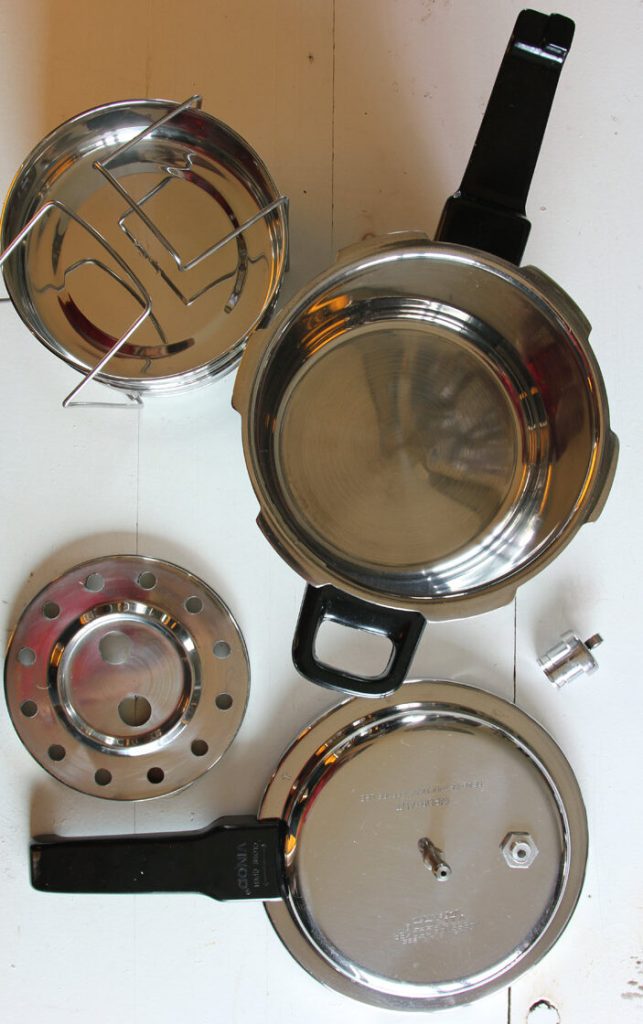
Inspecting Parts
Check each part carefully before putting the cooker together. Look for damage or wear that could cause leaks or unsafe pressure build-up.
- Examine the rubber gasket for cracks or stiffness.
- Make sure the pressure valve is clean and moves freely.
- Check the lid locking mechanism to ensure it works smoothly.
- Inspect the pot for dents or rust.
Assembling The Cooker
| Part | Assembly Tip |
|---|---|
| Pot | Place on a stable, flat surface before assembly. |
| Rubber Gasket | Fit it snugly inside the lid’s groove without twisting. |
| Lid | Align the lid with the pot and close securely until locked. |
| Pressure Valve | Attach and test it by pressing to confirm it moves freely. |
Credit: www.theguardian.com
Basic Operating Steps
Using a stove top pressure cooker is simple and quick. It helps cook food faster by trapping steam inside. Follow these steps carefully for best results.
Always check the cooker parts before starting. Make sure the gasket and safety valves are clean and in good condition.
Adding Ingredients And Liquid
Put the food and the right amount of liquid into the cooker. The liquid creates steam to build pressure. Without enough liquid, the cooker won’t work properly.
- Place solid ingredients first, then add liquid
- Do not fill the cooker more than two-thirds full
- For foods that expand, fill only half full
- Use water, broth, or sauces as the liquid
- Avoid adding thick sauces at the start
Sealing The Lid Properly
Make sure the lid fits tightly. The seal keeps the pressure inside. A loose lid can cause steam to escape and slow cooking.
| Step | Action |
| 1 | Check the rubber gasket for cracks or damage |
| 2 | Place the lid on the cooker aligning the marks |
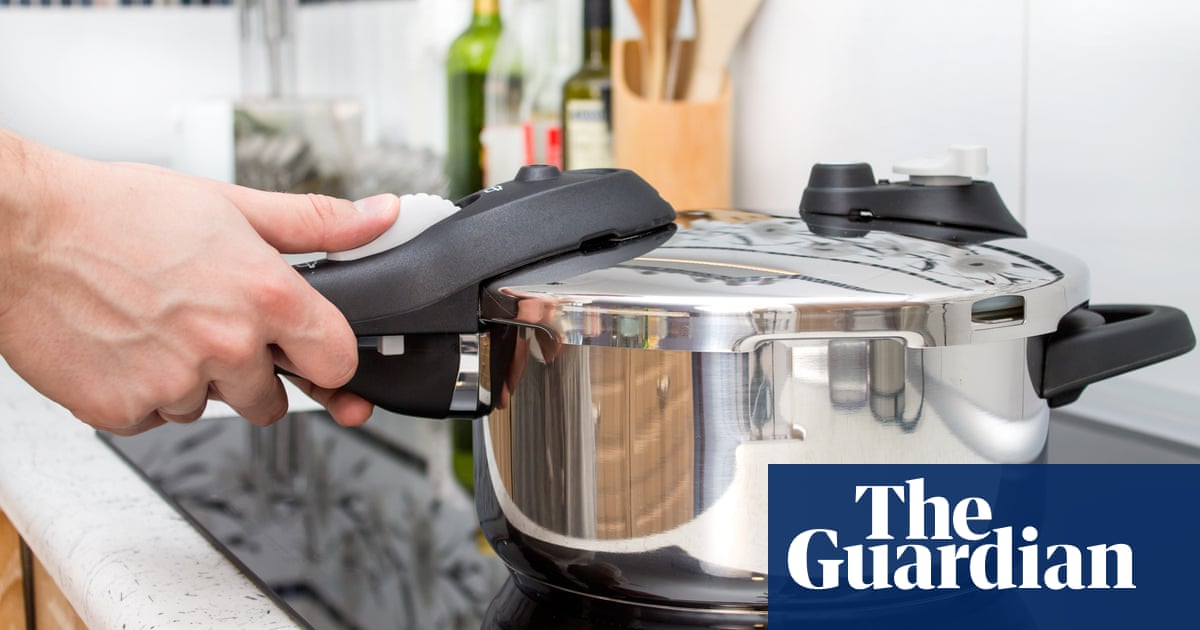
| 3 | Turn the lid to lock it securely |
| 4 | Ensure the pressure valve is clean and open |
| 5 | Do not force the lid if it does not close easily |
Heating And Pressure Building
Place the cooker on the stove and turn on the heat. The liquid inside will start to boil and create steam. Pressure builds as steam fills the cooker.
- Use medium-high heat to start
- Wait for the pressure indicator to rise
- Once pressure is reached, reduce heat to maintain it
- Cook for the time suggested in your recipe
- Turn off heat and let pressure drop before opening
Cooking Times And Pressure Settings
Using a stove top pressure cooker saves time and cooks food evenly. Knowing the right pressure and cooking time is key.
This guide explains how to choose pressure settings and adjust cooking times for best results.
Low Vs High Pressure
Pressure cookers often have low and high pressure settings. Low pressure cooks food gently. High pressure cooks faster and is good for tough foods.
Use low pressure for delicate foods like fish or vegetables. Use high pressure for meats and beans that need more cooking time.
- Low pressure = about 6 to 8 psi (pounds per square inch)
- High pressure = about 10 to 15 psi
- Low pressure takes longer but is gentler
- High pressure cooks food quickly but needs careful timing
Adjusting Cooking Times
Cooking time changes with pressure level. High pressure means shorter cooking times. Low pressure needs longer cooking times.
Check your recipe for times based on high pressure. If using low pressure, increase the time by about 10 to 15 minutes.
- High pressure: faster cooking, less time needed
- Low pressure: slower cooking, more time needed
- Start timing when cooker reaches full pressure
- Release pressure carefully after cooking to avoid overcooking
Common Cooking Times For Popular Foods
| Food | Pressure Setting | Cooking Time (minutes) |
|---|---|---|
| Chicken (whole) | High | 20-25 |
| Rice (white) | High | 6-8 |
| Beans (dry, soaked) | High | 20-25 |
| Vegetables (carrots, potatoes) | Low | 5-10 |
| Fish | Low | 3-5 |
Releasing Pressure Safely
Using a stove top pressure cooker needs care when letting out the pressure. Doing this safely stops accidents and keeps your food perfect.
There are different ways to release pressure. Each way fits certain cooking types and foods.
Natural Release Method
With natural release, you turn off the heat and wait. The pressure goes down by itself. This takes time but helps food stay moist.
It is good for foods like soups, beans, and meats. The slow release stops food from breaking apart.
Quick Release Method
Quick release means letting out steam fast. You use the pressure valve or button to do this. Be careful not to burn yourself.
This method works well for vegetables or foods that cook fast. It stops overcooking and keeps food fresh.
When To Use Each Method
- Use natural release for meats, stews, and soups.
- Use quick release for vegetables and delicate foods.
- Check your recipe to know the right release way.
- Some foods need a mix of both methods.
Cleaning And Maintenance Tips
Keeping your stove top pressure cooker clean helps it last longer. Regular maintenance keeps it working safely and well.
Follow these tips to clean and care for your pressure cooker correctly. This will protect its parts and improve cooking results.
Disassembling For Cleaning
Take apart your pressure cooker before cleaning. Remove the lid, gasket, and any detachable parts carefully.
Check the manufacturer’s guide to avoid damage. Clean each part separately with warm soapy water.
- Remove the lid and wash it well
- Take out the gasket and valves carefully
- Use a soft sponge to avoid scratches
- Dry all parts completely before reassembling
Gasket Care And Replacement
The gasket seals the cooker and keeps steam inside. Clean the gasket gently with warm water after each use.
Check the gasket for cracks or damage regularly. Replace it if you see signs of wear to keep the cooker safe.
- Wash the gasket by hand, no dishwasher
- Keep it dry and avoid stretching
- Replace every 12-18 months or if damaged
- Use only the gasket made for your model
Storing Your Pressure Cooker
Store your pressure cooker in a dry, cool place to avoid rust and damage. Keep the lid off or upside down.
Do not lock the lid when storing. This helps air flow and prevents smells or mold inside the cooker.
- Keep the cooker dry before storing
- Store with lid loose or upside down
- Keep away from heat and direct sunlight
- Check parts before use after long storage
Troubleshooting Common Issues
Using a stove top pressure cooker can save time in the kitchen. Sometimes, it may not work as expected. Knowing how to fix common problems helps you cook safely.
Here are simple tips to solve issues like pressure not building, steam leaks, and lid not sealing.
Pressure Not Building
If your pressure cooker does not build pressure, the food may take longer to cook. It can happen for several reasons.
Check if there is enough liquid inside the cooker. Pressure needs steam, which comes from liquid heating. Also, make sure the heat is high enough to create pressure.
- Use at least the minimum liquid amount suggested in the manual
- Check if the heat is set to medium-high or high
- Make sure the pressure valve is clean and not blocked
Steam Leaks
Steam leaks show that the cooker is not fully sealed. This can stop pressure from building and may waste energy.
Steam usually escapes from the lid edges or the pressure valve. Look for worn or dirty seals and clean them well.
- Check the rubber gasket for cracks or damage
- Clean the gasket and lid rim to remove food bits
- Ensure the pressure valve is properly placed and clean
Lid Not Sealing
A lid that does not seal stops the cooker from working. It may be hard to close or the pressure may escape.
Make sure the lid is aligned properly with the pot. Check the gasket for damage or if it is out of place. Replace it if needed.
- Align the lid marks with the pot marks before closing
- Inspect the gasket and replace if it is cracked or stretched
- Clean the sealing surfaces to remove any dirt or food
Cooking Tips For Beginners
Using a stove top pressure cooker can save time and energy while cooking. Beginners can learn simple tips to get the best results.
Understanding how to fill, layer, and add liquid will help you cook safely and make tasty meals.
Avoiding Overfilling
Never fill your pressure cooker more than two-thirds full. Overfilling can block the steam vent and cause safety issues.
- Leave enough space for steam to build pressure.
- For foods that expand, like rice or beans, fill only halfway.
- Check the cooker’s manual for specific limits.
Layering Ingredients
Place ingredients carefully inside the cooker. Put dense items at the bottom and softer foods on top. This helps even cooking.
| Layer | Examples |
|---|---|
| Bottom Layer | Root vegetables, meat |
| Middle Layer | Grains, beans |
| Top Layer | Leafy greens, soft vegetables |
Using The Right Amount Of Liquid
Pressure cookers need liquid to create steam. Too little liquid can cause burning. Too much liquid can dilute flavors.
- Use at least one cup of liquid for most recipes.
- Adjust liquid depending on food type and cooking time.
- Follow recipe guidelines or your cooker’s instructions.

Credit: www.youtube.com
Popular Recipes To Try
Using a stove top pressure cooker can save time and bring out rich flavors. You can cook many dishes quickly and easily.
Here are some popular recipe ideas for soups, rice, meats, and beans to try in your pressure cooker.
Soups And Stews
Pressure cookers make soups and stews tender and full of flavor fast. They keep the nutrients locked in while cooking.
You can prepare hearty vegetable soups, beef stew, or chicken chili in less than an hour.
- Classic beef stew with carrots and potatoes
- Chicken noodle soup with fresh herbs
- Vegetable lentil soup with tomatoes and spinach
- Spicy black bean chili
Rice And Grains
Rice and grains cook evenly in a pressure cooker. It saves time compared to traditional boiling or steaming.
Try cooking white rice, brown rice, or quinoa for a quick side dish or main meal base.
- Fluffy white rice in 5 minutes
- Nutty brown rice with herbs
- Quinoa with vegetables and spices
- Barley or farro pilaf with nuts
Meats And Beans
Pressure cookers tenderize tough cuts of meat quickly. Beans also cook faster without soaking for hours.
Make stewed beef, pulled pork, or chickpea curry easily with your pressure cooker.
- Beef brisket or stew meat
- Pulled pork shoulder
- Whole chicken or chicken thighs
- Black beans or chickpeas for curries and salads

Credit: medium.com
Frequently Asked Questions
How Do You Use A Stove Top Pressure Cooker?
To use a stove top pressure cooker, first add ingredients and liquid. Secure the lid tightly and set the cooker on medium heat. Once it reaches pressure, reduce the heat and cook for the specified time. After cooking, release pressure safely before opening.
Is It Safe To Use A Pressure Cooker?
Yes, using a pressure cooker is safe when used properly. Always follow the manufacturer’s instructions and safety precautions. Ensure the lid is sealed correctly and never overfill the cooker. Regularly check the pressure release valve and gasket for any signs of wear or damage.
How Much Water Do I Add To A Pressure Cooker?
Always add at least 1 cup of water or liquid to your pressure cooker. This is essential for generating steam and pressure. Avoid overfilling; never fill more than two-thirds full. This ensures proper cooking and safety. Check your cooker’s manual for specific guidelines.
Can I Cook Rice In A Pressure Cooker?
Yes, you can cook rice in a pressure cooker. Rinse the rice and add it to the cooker with water in a 1:1 ratio. Secure the lid and cook at pressure for about 4-6 minutes. Allow natural release for fluffy rice.
Adjust times based on rice type.
Conclusion
Using a stove top pressure cooker saves time and energy in cooking. It cooks food quickly while keeping flavors strong and nutrients intact. Always follow safety steps and use the right amount of liquid. Clean the cooker properly after each use to keep it working well.
With practice, you can prepare many tasty meals easily. Enjoy simple, fast cooking with your stove top pressure cooker every day.