Setting up your tent is just the first step to a comfortable camping experience. But do you know how to use tent guy lines properly?
These simple ropes can make a huge difference in keeping your tent stable, safe, and dry—even in strong winds or rain. If you want to stop your tent from flapping all night or collapsing unexpectedly, learning the right way to use guy lines is essential.
Keep reading, and you’ll discover easy tips that will make your camping setup stronger and more secure every time.
Credit: www.walmart.com
Choosing The Right Guy Lines
Using the right guy lines helps keep your tent stable and safe. They hold the tent in place during wind and rain.
Choosing the best guy lines depends on materials, length, and visibility. These factors affect how well your tent stays secure.
Materials And Lengths
Guy lines come in different materials like nylon, polyester, and polypropylene. Each has its own strength and stretch level.
Length is important to fit your tent size and setup space. Longer lines give more room for adjustment but can be tricky to manage.
- Nylon:Strong and slightly stretchy, good for windy areas.
- Polyester:Less stretch, holds shape well in sun and rain.
- Polypropylene:Lightweight and cheap but less durable.
- Length tips:Use lines 1.5 to 3 times the tent height.
Reflective Vs Non-reflective Lines
Reflective guy lines have shiny threads that glow in low light. They help you see the lines at night and avoid tripping.
Non-reflective lines do not shine but are less visible in the dark. These are good if you want a low-profile look.
- Reflective lines improve safety in campsites.
- Non-reflective lines blend better with nature.
- Choose based on your camping needs and style.

Credit: viraoutdoors.com
Setting Up Tent Guy Lines
Setting up tent guy lines helps keep your tent stable. It stops the tent from moving in wind or rain.
Using the right anchor points and tension makes your tent strong. This guide shows how to do it well.
Optimal Anchor Points
Choose solid anchor points for your guy lines. Good anchors hold the lines tight and keep the tent safe.
- Use strong trees or sturdy rocks nearby.
- Drive tent stakes deep into firm ground.
- Pick points away from foot traffic.
- Avoid loose soil or sandy areas.
- Check anchor points regularly during strong wind.
Proper Tension Techniques
Tension your guy lines evenly on all sides. Proper tension stops the tent from sagging or collapsing.
| Action | Purpose |
| Tighten lines gradually | Prevents damage to tent fabric |
| Check tension after wind | Keeps tent secure |
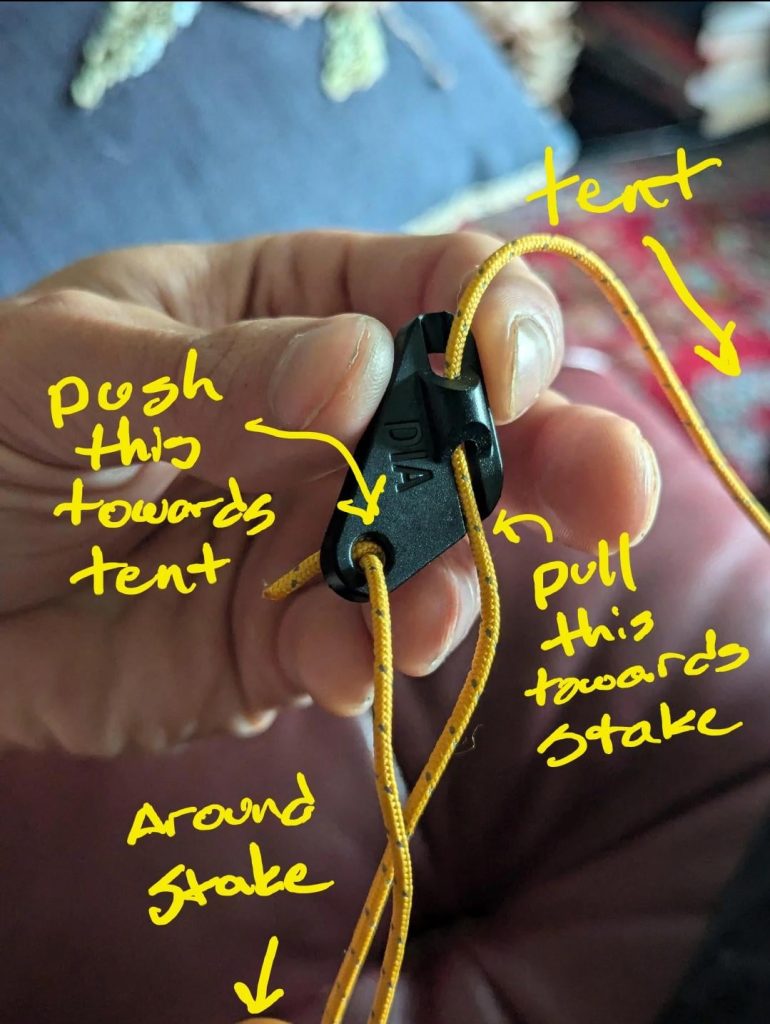
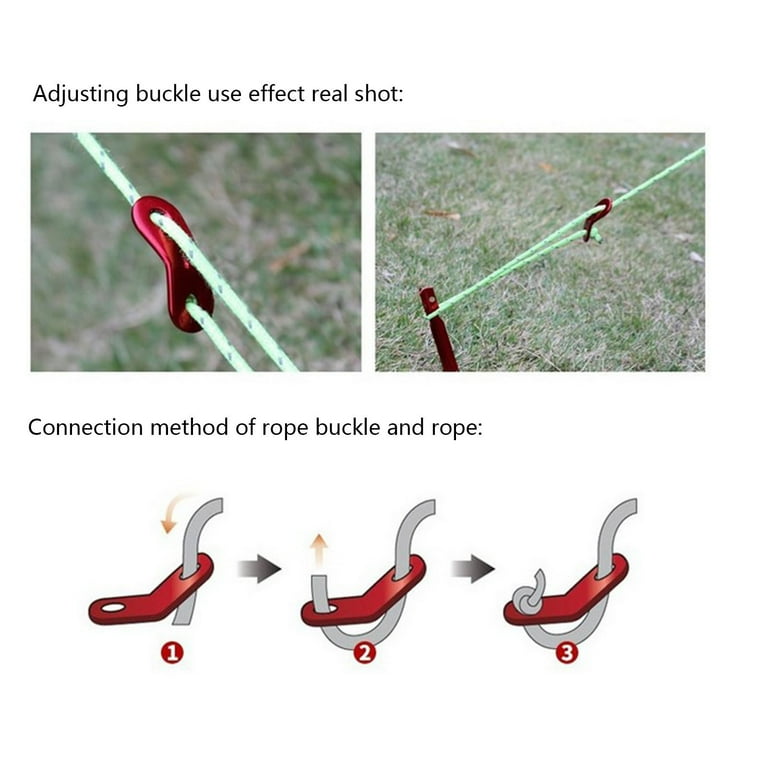
| Use tensioners or knots | Maintains steady line length |
| Adjust lines on soft ground | Stops stakes from pulling out |
Adjusting For Different Weather
Tent guy lines help keep your tent stable. You must adjust them for weather changes.
Different weather conditions need different tension and placement of guy lines. This keeps your tent safe.
Windy Conditions
Strong winds can pull your tent down if guy lines are loose. Tighten all guy lines to hold the tent firm.
Attach guy lines to sturdy stakes and angle them away from the tent. This reduces wind pressure on the tent fabric.
- Use extra guy lines if wind is very strong
- Check tension often and retighten if needed
- Place stakes deep into the ground for better hold
- Avoid placing the tent on hilltops or ridges
Rain And Snow Considerations
Wet weather adds weight to your tent. Snow can also build up on the fabric. Keep guy lines tight to support this weight.
Make sure guy lines pull the tent fabric taut. This helps water and snow slide off easily and prevents sagging.
- Adjust guy lines to keep fabric smooth and tight
- Clear snow from tent roof regularly
- Use waterproof stakes to avoid slipping
- Check guy lines after heavy rain or snowfall
Common Mistakes To Avoid
Setting up tent guy lines correctly is crucial for stability. Avoiding common mistakes ensures your tent stays secure.
Let’s explore mistakes often made with tent guy lines and how to avoid them.
Loose Lines
Loose lines can cause your tent to collapse. Tension is key for maintaining structure.
- Tighten lines evenly for balanced support.
- Use tensioners for easy adjustments.
- Regularly check and retighten as needed.
Incorrect Angles
Angles affect how well your tent withstands wind and rain. Correct angles improve stability.
Visual Guide to Angles:
- 45 degrees for wind resistance.
- 60 degrees for rain deflection.
Check angles during setup to ensure maximum efficiency.
Safety Tips For Tent Guy Lines
Tent guy lines help keep your tent stable in wind and bad weather. Using them safely prevents accidents and damage.
This guide covers ways to improve visibility and avoid trip hazards with guy lines.
Visibility Enhancements
Making guy lines visible helps people see them and avoid walking into them. Use bright colors or reflective materials for your lines.
- Choose neon or bright-colored guy lines.
- Add reflective tape or clips to the lines.
- Use glow-in-the-dark markers at night.
- Set up small flags or banners on the lines.
- Keep lines taut to avoid sagging and low visibility.
Avoiding Trip Hazards
Trip hazards cause injuries and damage tents. Place guy lines where people will not walk. Mark their spots clearly.
| Tip | How to Use |
| Choose line location | Put lines around the tent corners away from paths |
| Secure stakes well | Drive stakes deep into the ground to keep lines tight |
| Keep lines tight | Regularly check tension to prevent sagging |
| Mark lines | Use bright colors or flags to highlight lines |
| Clear area | Remove rocks, branches, and debris near guy lines |
Maintaining And Storing Guy Lines
Taking care of your tent guy lines helps them last longer. Proper maintenance keeps them strong and safe to use.
Storing guy lines the right way stops damage and tangles. It also makes them easy to find for your next trip.
Cleaning Tips
Clean your guy lines after each trip to remove dirt and debris. Dirt can wear down the fibers and weaken the lines.
Use mild soap and warm water to wash the lines. Avoid harsh chemicals that can damage the material.
- Soak the guy lines in soapy water for a few minutes
- Gently scrub with a soft brush or cloth
- Rinse thoroughly with clean water
- Hang them to dry in a shaded area
Proper Storage Methods
Store your guy lines in a dry and cool place. Keep them away from direct sunlight to avoid weakening the fibers.
Coil the lines neatly to prevent tangles and knots. Use a bag or container to keep them organized and clean.
- Coil lines without tight bends
- Place them in a breathable storage bag
- Keep them off the ground to avoid moisture
- Check lines regularly for wear or damage

Credit: www.reddit.com
Frequently Asked Questions
What Are Tent Guy Lines Used For?
Tent guy lines stabilize your tent in windy conditions. They prevent sagging and help maintain the tent’s shape. Proper use increases tent durability and comfort during camping.
How Do You Properly Attach Tent Guy Lines?
Attach guy lines to tent loops or rings. Secure the other end to a stake or anchor point. Adjust tension to keep the tent taut without damaging fabric.
When Should You Use Tent Guy Lines?
Use guy lines in windy or rainy weather. They improve tent stability and prevent collapse. Always set them up before bad weather arrives for safety.
Can Tent Guy Lines Prevent Tent Damage?
Yes, guy lines reduce stress on tent poles and fabric. They distribute tension evenly, minimizing wear and tear. Proper use extends your tent’s lifespan significantly.
Conclusion
Using tent guy lines keeps your tent steady in wind and rain. Tie them tight and secure to strong anchors. Check the lines often to avoid slack. Proper use helps your tent last longer and stay safe. Practice setting them up before your trip.
Simple steps make camping more comfortable and worry-free. Try these tips next time you camp outdoors. You will notice the difference right away.