Setting up your tent properly can make all the difference between a comfortable night outdoors and a frustrating struggle. One key element often overlooked is the use of tent guy ropes.
If you’ve ever wondered how to secure your tent so it stands strong against wind and weather, this guide is for you. You’ll learn simple, practical steps to use your guy ropes effectively, ensuring your shelter stays stable and safe.
Keep reading, and discover how a few easy adjustments can transform your camping experience.
Choosing The Right Guy Ropes
Guy ropes keep your tent steady in wind and rain. Picking the right ropes makes your tent safer and easier to set up.
Consider the material, length, thickness, and visibility before buying guy ropes. These factors affect strength and convenience.
Material Types
Guy ropes come in several materials. Nylon and polyester are popular for their strength and durability. Polypropylene is cheaper but less strong. Dyneema ropes are very strong and light but cost more.
- Nylon:Stretchy and strong, good for windy conditions.
- Polyester:Stiff and durable, resists UV and water well.
- Polypropylene:Lightweight and cheap, but weaker and less durable.
- Dyneema:Extremely strong and light, ideal for serious campers.
Length And Thickness
Choose ropes long enough to reach tent pegs with some extra length for tying knots. Thickness affects strength and weight. Thicker ropes hold better but weigh more.
| Thickness (mm) | Strength | Weight |
|---|---|---|
| 3-4 | Light-duty | Very light |
| 5-6 | Medium strength | Moderate weight |
| 7-8 | Heavy-duty | Heavier |
Reflective Options
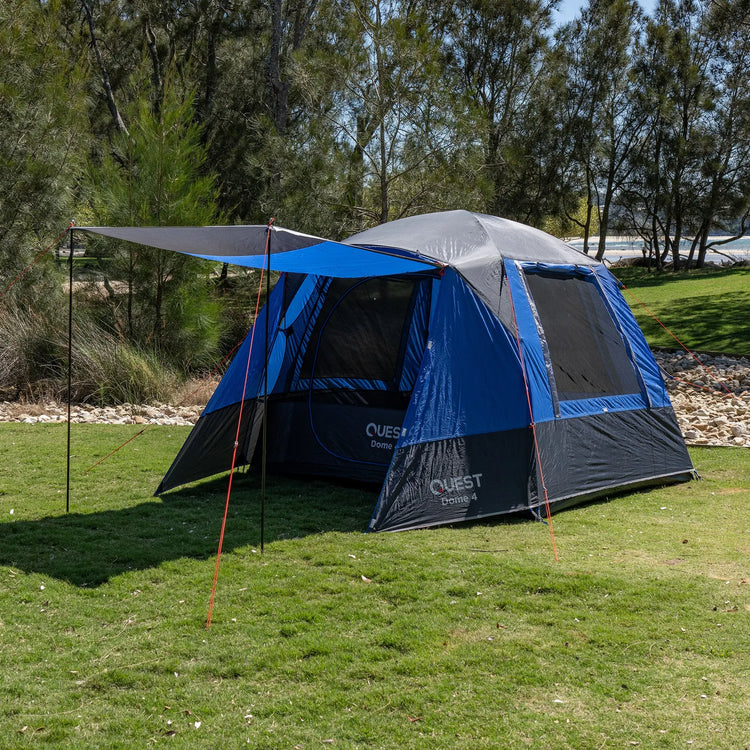
Reflective guy ropes improve safety in low light. They help you see and avoid tripping over ropes at night. Many ropes have reflective strands woven in.
Benefits of reflective guy ropes include:
- Increased visibility in dark areas
- Less chance of accidents around your tent
- Easy to find and adjust ropes at night
Credit: questoutdoors.com.au
Setting Up Guy Ropes
Guy ropes hold your tent steady in wind and bad weather. Setting them up right keeps your tent safe and strong.
Use the right steps to set up your guy ropes. This guide explains how to do it well.
Selecting Anchor Points
Anchor points hold the guy ropes in place. Choose strong spots to tie the ropes.
Good anchor points include trees, tent pegs, or rocks. Make sure they won’t move or break.
- Pick solid, stable objects
- Avoid weak or loose ground
- Keep anchor points away from the tent edges
Optimal Rope Tension
Ropes should be tight but not too tight. This keeps the tent firm without damage.
Check the tension after tying. Adjust if the rope sags or pulls too hard on the tent.
- Pull ropes firmly for good tension
- Leave a little slack for wind movement
- Recheck and tighten ropes during camping
Common Knot Techniques
Knots secure the ropes to anchors and tent loops. Use simple, strong knots for safety.
Learn a few basic knots. They make setup easier and keep ropes from slipping.
- Taut-line hitch: adjusts rope tension easily
- Bowline knot: creates a fixed loop
- Figure-eight knot: stops rope from fraying
Securing Different Tent Styles
Using tent guy ropes correctly is essential for a stable tent. Proper setup keeps your tent secure during windy or rainy weather.
Different tent styles need different guy rope techniques. Learn how to secure dome, tunnel, and cabin tents effectively.
Dome Tents
Dome tents are popular for their easy setup. They have curved poles that create a strong structure.
To secure a dome tent, use guy ropes at the corners. Attach the ropes to the tent’s loops and anchor them to the ground.
- Locate the tent loops for guy ropes
- Attach ropes to the loops
- Anchor ropes with stakes
- Adjust tension for stability
Tunnel Tents
Tunnel tents have a long shape with multiple poles. They need careful guy rope setup for stability.
Use guy ropes along the tent’s sides. This helps keep the tent stable in windy conditions.
- Find side loops on the tent
- Attach guy ropes to each loop
- Stake down the ropes firmly
- Ensure ropes are evenly spaced
Cabin Tents
Cabin tents are spacious with vertical walls. They need extra support from guy ropes.
Set up guy ropes at all corners and midpoints. This prevents the tent from swaying.
- Identify all corner loops
- Use ropes to connect loops to stakes
- Add mid-point ropes for extra support
- Check rope tension regularly

Credit: www.travellingweasels.com
Adjusting Guy Ropes In Changing Weather
Guy ropes hold your tent steady in different weather. You must adjust them often. This helps keep your tent safe and strong.
Weather changes fast outside. Wind, rain, and snow need different rope settings. Learn to manage these conditions well.
Handling Windy Conditions
Wind can shake your tent a lot. Tighten the guy ropes to keep the tent firm. Check ropes for loose knots and adjust them.
- Use strong knots like the taut-line hitch.
- Tighten ropes more when wind picks up.
- Check ropes often during gusts.
- Move stakes deeper into the ground.
Managing Rain And Moisture
Rain makes ropes wet and loose. Wet ropes can stretch or slip. Loosen them slightly to avoid damage, then retighten when dry.
| Action | Effect |
| Loosen wet ropes | Prevents overstretching |
| Retighten when dry | Keeps tent stable |
| Use waterproof rope covers | Protects from moisture |
Dealing With Snow And Ice
Snow and ice add weight to guy ropes. They can freeze ropes or stakes. Clear snow and ice often to keep ropes working well.
- Remove snow from ropes and stakes regularly.
- Check for frozen knots and thaw if needed.
- Use thicker ropes for better strength.
- Adjust ropes to hold extra weight.
Maintenance And Safety Tips
Using tent guy ropes safely helps keep your tent stable. Good maintenance makes ropes last longer. Always check your ropes before use.
Follow simple safety steps to avoid accidents. Keep ropes in good shape and store them properly. Clear trip hazards around your tent area.
Inspecting Ropes For Wear
Look closely at your guy ropes for signs of damage. Check for frays, cuts, or weak spots. Replace ropes if you find any damage.
Also, check the knots and attachments to make sure they hold tight. Loose knots can cause the tent to collapse.
- Look for frayed or broken fibers
- Check for discoloration or stiffness
- Test knots for firmness
- Replace damaged ropes immediately
Proper Storage Methods
Store your guy ropes in a dry place away from sunlight. Moisture and sun can weaken the rope fibers over time. Coil ropes neatly to avoid tangles.
Use a storage bag or container to keep ropes clean. Clean ropes before storing by wiping off dirt and debris.
- Dry ropes completely before storage
- Keep ropes out of direct sunlight
- Store ropes in a cool, dry place
- Use bags or containers to prevent dirt
- Coil ropes to avoid knots and tangles
Avoiding Trip Hazards
Guy ropes can cause trips if not placed carefully. Keep ropes visible by using bright colors or attaching flags. Arrange ropes to cross paths less.
Clear the area around your tent of objects that could hide ropes. Warn campers or visitors about guy ropes to stay safe.
- Use bright or reflective rope if possible
- Attach flags or markers to ropes
- Place ropes away from walkways
- Clear debris that hides ropes
- Tell others about rope locations

Credit: www.amazon.com
Additional Gear To Enhance Stability
Using extra gear can help keep your tent steady in windy or uneven places. This gear supports your tent and stops it from moving.
Adding the right tools makes camping safer and more comfortable. Learn about the gear that improves tent stability.
Types Of Tent Pegs
Tent pegs hold your tent to the ground. Different pegs work better on different surfaces. Choose pegs based on your camping area.
- Steel Pegs:Strong and good for hard or rocky soil.
- Aluminum Pegs:Lightweight and easy to carry, best for soft ground.
- Plastic Pegs:Light but less strong, suitable for small tents or soft soil.
- Snow Pegs:Wide and flat, designed to hold in snow.
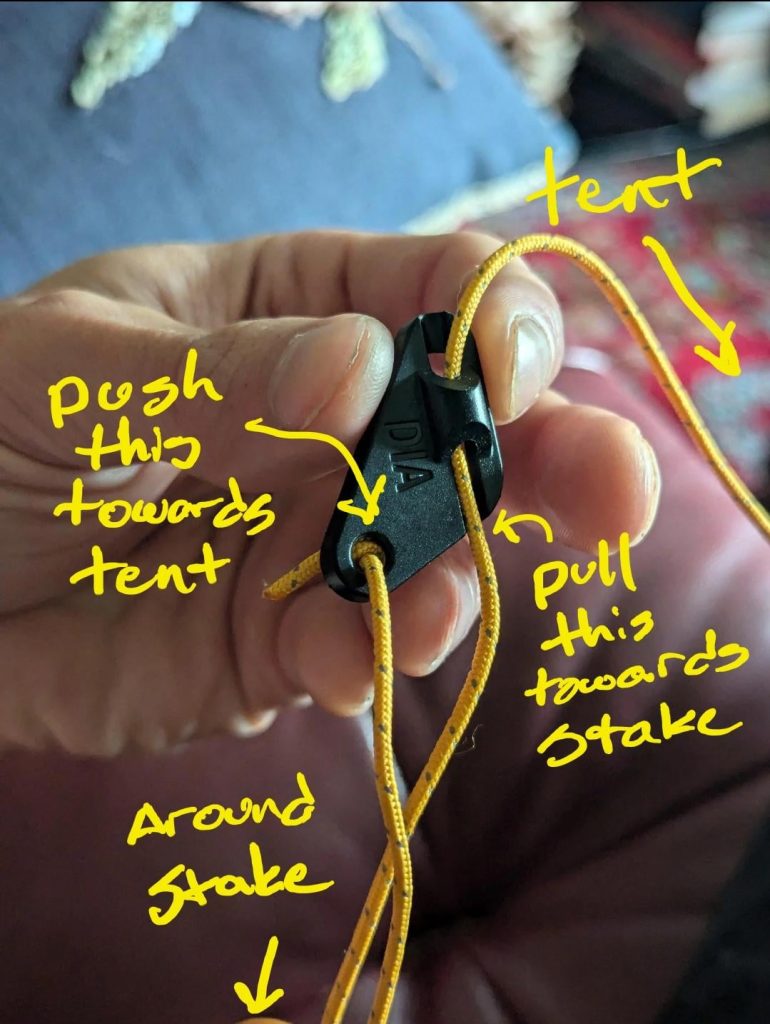
Using Tensioners And Adjusters
Tensioners keep guy ropes tight and stable. They let you adjust the rope length quickly. This helps your tent stay firm in changing weather.
- Tensioners prevent ropes from slipping loose.
- They make setting up and packing easier.
- Adjusters allow fine tuning of rope tension.
- Using them reduces wear on ropes and pegs.
Groundsheet Considerations
A groundsheet protects your tent floor and adds stability. It stops moisture and sharp objects from damaging the tent base.
Choose a groundsheet that fits your tent size. It should be waterproof and tough but light to carry.
- Place the groundsheet flat without wrinkles.
- Make sure it does not extend beyond the tent edges to avoid water pooling.
- Use a breathable material to prevent condensation.
Frequently Asked Questions
What Are Tent Guy Ropes Used For?
Tent guy ropes stabilize tents in windy or rainy conditions. They prevent the tent from collapsing or shifting. Proper use ensures safety and comfort during camping.
How Do I Attach Guy Ropes To A Tent?
Attach guy ropes to tent loops or rings at designated points. Secure the other end to sturdy stakes or anchors in the ground. Tighten for firm support.
How Tight Should Tent Guy Ropes Be?
Guy ropes should be taut but not over-tightened. Firm tension keeps the tent stable without damaging fabric or poles. Check and adjust regularly.
Can Guy Ropes Improve Tent Durability?
Yes, guy ropes distribute wind pressure evenly. This reduces stress on tent fabric and poles. Properly used guy ropes extend your tent’s lifespan.
Conclusion
Using tent guy ropes helps keep your tent steady and safe. Tie ropes tightly to strong stakes or trees. Check knots often to avoid slipping or loosening. Adjust ropes when wind or weather changes. Proper use of guy ropes stops your tent from falling or shaking.
This simple step improves your camping comfort and safety. Always take time to set ropes right before you rest. Small effort, big difference.