Setting up your tent securely can make all the difference between a comfortable night and a restless one. If you’ve ever struggled with your tent flapping in the wind or shifting on uneven ground, learning how to use tent tie downs is the key.
These simple tools keep your shelter stable, safe, and ready to withstand changing weather. In this guide, you’ll discover easy steps to master tent tie downs, so you can enjoy your outdoor adventure without worry. Keep reading—you’re about to unlock the secret to a stronger, more reliable campsite.
Choosing The Right Tie Downs
Tent tie downs keep your tent safe and stable. Choosing the right tie downs is important for strong support.
Different tie downs work best for different tents and weather conditions. Learn how to pick the right ones.
Types Of Tie Downs
Tie downs come in many types. Each type suits different tents and ground conditions.
- Rope tie downs use cords to secure the tent.
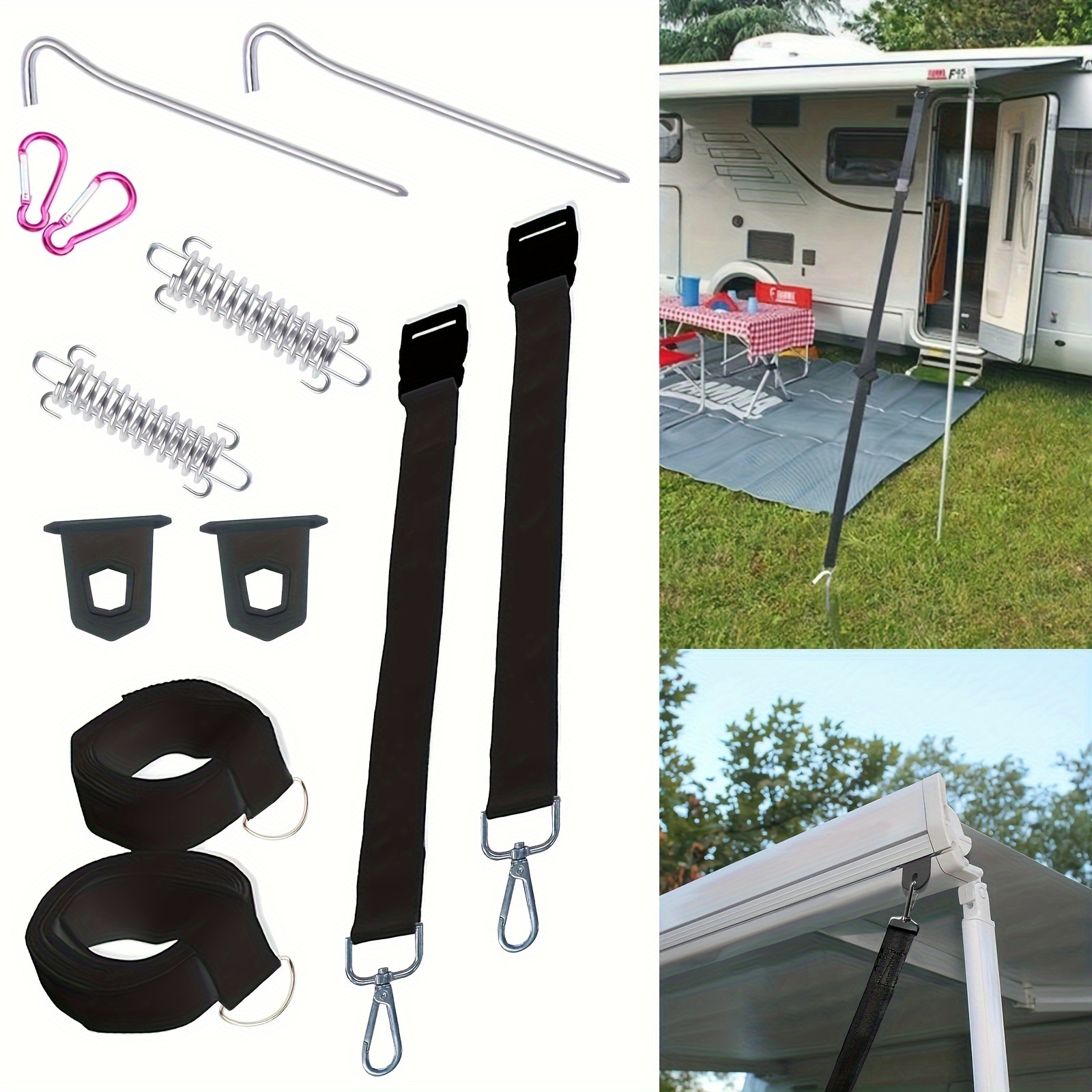
- Strap tie downs use flat straps with buckles for easy tightening.
- Bungee tie downs stretch for flexible hold.
- Elastic cords offer good stretch and shock absorption.
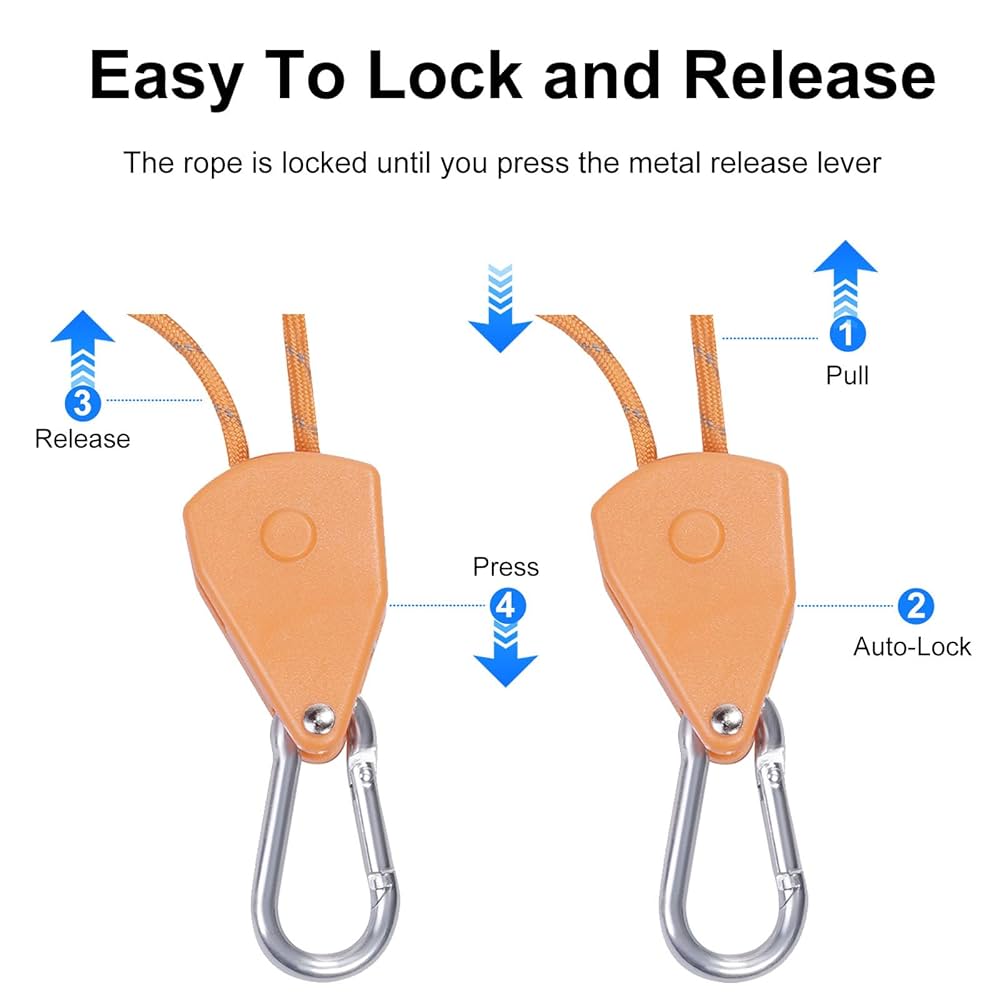
- Ratchet tie downs provide strong tension and adjust easily.
Materials And Durability
Tie downs are made from different materials. Choose ones that last long and resist weather.
Common materials include nylon, polyester, and polypropylene. Nylon is strong and flexible. Polyester resists UV rays well. Polypropylene dries fast and is cheaper.
- Nylon: strong and flexible, good for rough use.
- Polyester: resists sun damage, holds color well.
- Polypropylene: water-resistant and affordable.
- Metal hooks or buckles: check they do not rust easily.
Length And Strength Considerations
Pick tie downs that fit your tent size and setup. They must be long enough to reach anchor points.
Strength matters. Look at the weight and pull force the tie down can hold. Choose stronger tie downs for windy spots.
- Measure distance from tent to anchor point.
- Choose tie downs longer than this distance.
- Check the tie down’s weight limit or breaking strength.
- Stronger tie downs prevent tent damage in storms.

Credit: www.amazon.ca
Preparing Your Tent And Site
Setting up your tent safely starts with good preparation. Choosing the right place and checking the ground helps keep your tent steady.
Using tent tie downs correctly depends on preparing the site well. This guide shows how to get ready before you pitch your tent.
Selecting A Suitable Location
Pick a spot that is flat and away from hazards like falling branches or flooding areas. Avoid places near rivers or steep slopes.
- Look for a flat surface to keep your tent stable.
- Stay clear of areas with loose rocks or sharp objects.
- Avoid low spots that can collect water if it rains.
- Check for overhead dangers like dead tree limbs.
- Find a place with some natural wind protection.
Clearing And Leveling The Ground
Remove sticks, rocks, and debris to protect your tent floor. Level the ground to prevent discomfort and water pooling.
| Task | Why It Matters |
|---|---|
| Clear debris | Prevents damage to the tent floor |
| Flatten bumps | Improves comfort and tent stability |
| Fill holes | Stops water from collecting under the tent |
| Compact soil | Reduces tent movement in wind |
Checking Weather Conditions
Look at the forecast to plan your tent setup. Strong winds or heavy rain need extra care with tie downs.
- Check the wind direction to place tent tie downs correctly.
- Bring extra stakes and ropes for bad weather.
- Ensure tent rainfly is secure and tight.
- Avoid camping in open fields during storms.
Installing Tent Tie Downs
Tent tie downs keep your tent safe in wind and bad weather. They stop the tent from moving or falling.
Using tie downs is easy if you place stakes and ropes correctly. This guide shows how to install them well.
Positioning The Stakes
Put stakes in firm ground around the tent. Space them evenly for good support. Avoid soft or rocky areas.
Place each stake at an angle away from the tent. This helps the stake hold better in the soil.
- Choose firm, dry soil for stakes
- Set stakes about 12 to 18 inches from tent edge
- Drive stakes at a 45-degree angle, pointing away
- Space stakes evenly around the tent
Securing The Ropes
Attach the ropes from the tent to the stakes tightly. Use knots that will not slip or loosen over time.
Make sure each rope is straight and not twisted. This keeps strong tension on the tent walls.
- Use strong knots like the taut-line hitch or bowline
- Connect each rope to a stake securely
- Keep ropes straight and avoid tangles
- Check ropes for damage before use
Adjusting Tension For Stability
Pull the ropes tight to make the tent stable. Loose ropes let the tent sway or collapse in wind.
Check all sides and tighten ropes as needed. Make small changes to avoid tearing the fabric.
- Start by tightening ropes on opposite sides
- Adjust tension gradually on each rope
- Stop tightening if fabric feels stressed
- Recheck tension during strong wind or rain
Credit: www.temu.com
Advanced Tie Down Techniques
Proper tent tie downs keep your shelter stable in tough conditions. Using advanced techniques helps prevent damage and keeps you safe. This guide covers strong methods for securing your tent effectively.
Learn how to use guy lines well, tie strong knots, and reinforce your setup in windy weather. These tips improve your tent’s hold and durability outdoors.
Using Guy Lines Effectively
Guy lines add extra support to your tent by spreading tension. Place them at even angles from the tent corners and anchor points. Keep lines taut but not too tight to avoid damage.
- Attach guy lines to tent loops or webbing designed for them.
- Use stakes that fit your ground type: long for soft soil, short for hard ground.
- Angle stakes away from the tent at about 45 degrees for better hold.
- Check lines regularly and tighten as needed throughout your stay.
Knots For Maximum Hold
Choosing the right knot keeps your tent secure and easy to adjust. Some knots hold tension well and resist slipping under load.
| Knot | Use | Benefit |
|---|---|---|
| Taut-Line Hitch | Adjusting guy line tension | Slips to tighten or loosen easily |
| Bowline | Forming a fixed loop | Strong, easy to untie after load |
| Trucker’s Hitch | Creating high tension | Gives maximum pull on lines |
| Half Hitch | Securing rope ends | Simple and quick to tie |
Reinforcing In Windy Conditions
Wind puts strain on tent tie downs. Reinforce your setup by adding extra lines and anchoring points. Use heavier stakes and secure loose ends to avoid flapping.
- Use additional guy lines on all sides to spread force.
- Bury stakes deeper or use rock anchors if soil is loose.
- Double knot guy lines for extra security.
- Cover exposed ropes with tape to reduce wear.
- Check all connections before wind picks up.
Maintaining Tie Downs
Taking care of your tent tie downs helps keep them strong and safe. Proper maintenance stops problems before they start.
Regular checks and good storage will make your tie downs last longer. You should also replace any parts that are broken.
Inspecting For Wear And Tear
Look closely at your tie downs before and after each use. Check for cuts, frays, and weak spots on the straps.
Also, examine metal parts like hooks and buckles for rust or bending. Damaged parts can fail and cause accidents.
- Check fabric for holes or tears
- Look for loose or broken stitches
- Inspect metal parts for rust or damage
- Test buckles to ensure they lock properly
Proper Storage Tips
Store tie downs in a dry, cool place away from sunlight. Heat and moisture can weaken the materials over time.
Keep them clean and free from dirt before storing. Dirt can cause wear and damage the straps if left on.
- Hang tie downs to avoid creases
- Keep away from chemicals and oils
- Store in a sealed container if possible
- Dry completely before storing to stop mold
Replacing Damaged Components
Replace any part of the tie down that shows damage. Using damaged parts can cause your tent to fall or move.
Buy replacement straps or hardware that match the original size and strength. Do not try to fix broken parts with tape or glue.
- Remove worn or frayed straps immediately
- Replace bent or rusted hooks and buckles
- Use proper tools to install new parts
- Test new components before use

Credit: www.shelter-structures.com
Frequently Asked Questions
What Are Tent Tie Downs Used For?
Tent tie downs are essential for securing your tent in windy conditions. They help stabilize the structure, preventing it from collapsing or flying away. Properly using tie downs ensures the safety and durability of your tent, making your outdoor experience more enjoyable and stress-free.
How Do You Secure A Tent With Tie Downs?
To secure a tent with tie downs, attach the straps to the tent’s anchor points. Then, extend the straps to the ground and stake them securely. Ensure the straps are taut but not overly tight. This setup will provide stability and prevent the tent from shifting.
What Materials Are Best For Tent Tie Downs?
The best materials for tent tie downs include nylon and polyester, known for their strength and durability. These materials resist weather conditions and do not easily fray. Opt for straps that are adjustable and have sturdy buckles for added security and ease of use.
How Tight Should Tent Tie Downs Be?
Tent tie downs should be tight enough to stabilize the tent but not overly strained. Over-tightening can cause damage to the tent fabric or the tie downs themselves. Aim for a firm tension that prevents movement without causing stress on the tent material.
Conclusion
Using tent tie downs keeps your shelter safe and steady. They stop tents from blowing away in wind or falling during rain. Always check the ground before placing your stakes or anchors. Tighten the tie downs just enough to hold your tent firm.
Practice setting them up before camping trips. This way, you avoid surprises and stay comfortable outdoors. Remember, good tie downs help you enjoy your adventure without worry. Simple steps make a big difference in camping safety and fun.