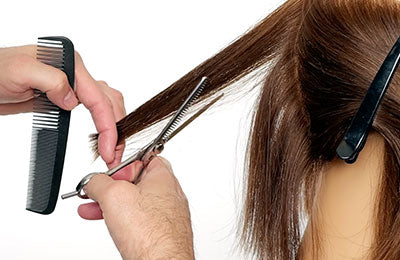
Are you ready to take your haircutting skills to the next level? Learning how to use texture shears can transform your styling game, giving your hair more movement, volume, and a professional finish.
Whether you’re a beginner or looking to refine your technique, mastering these special scissors will help you create looks that stand out. Keep reading, and you’ll discover simple tips and tricks to use texture shears with confidence and achieve salon-quality results every time.
Choosing The Right Texture Shears
Texture shears help create layers and remove bulk from hair. Picking the right shears makes styling easier and better.
Different types, sizes, and materials affect how shears work. Learn about these factors to choose the best pair.
Types Of Texture Shears
Texture shears come in several types. Each type cuts hair in a unique way to create different effects.
- Notched Shears:Have teeth on one blade to thin hair evenly.
- Chunking Shears:Have wide teeth to remove large sections quickly.
- Swivel Shears:Feature a rotating handle for comfort and control.
- Fine-Tooth Shears:Have many small teeth for subtle texturing.
Blade Sizes And Teeth Count
Blade size and teeth count affect how much hair the shears cut. Choose these based on hair type and style needs.
- Blade Length:Short blades (4-5 inches) work well for detail cutting.
- Long Blades:(6-7 inches) cover more area for faster texturing.
- Teeth Count:More teeth mean finer thinning and less bulk removal.
- Fewer Teeth:Remove larger chunks of hair for a bold look.
Material And Quality Factors
Good material and build quality make shears last longer and cut smoothly. Look for strong, sharp blades.
- Stainless Steel:Common and rust-resistant, good for daily use.
- High-Carbon Steel:Holds sharpness longer but needs more care.
- Titanium Coating:Adds durability and reduces blade wear.
- Ergonomic Design:Helps reduce hand fatigue during use.

Credit: jatai.net
Preparing Hair For Texturizing
Texturizing shears can add movement and softness to hair. Proper preparation ensures the best results.
Start by preparing the hair with the right moisture and sectioning techniques. This helps in selecting the areas to texturize effectively.
Hair Moisture And Condition
Maintaining the right moisture level in hair is crucial before texturizing. Hair should be clean and slightly damp.
- Wash hair with a gentle shampoo.
- Apply a light conditioner to keep hair manageable.
- Use a towel to remove excess water.
Sectioning Techniques
Sectioning the hair helps in precise texturizing. It allows better control and even distribution.
Divide the hair into parts based on thickness and style.
- Start by parting the hair down the middle.
- Use clips to hold sections in place.
- Consider face shape to decide section size.
Selecting Areas To Texturize
Choose areas of the hair that need movement. Avoid areas that are already thin.
| Area | Reason to Texturize |
| Top Layers | Add volume |
| Ends | Reduce bulk |
| Bangs | Soften the look |
Basic Techniques With Texture Shears
Texture shears help create soft, textured haircuts. They remove bulk without changing the hair length too much.
Using texture shears correctly gives a natural finish. These techniques work well for many hair types and styles.
Point Cutting Method
Point cutting uses the tips of texture shears. It softens the edges of the hair for a blended look.
Cut small sections by snipping into the hair ends at an angle. This adds movement and reduces harsh lines.
Slide Cutting Method
Slide cutting means sliding the open shears along the hair shaft. It removes weight without cutting the ends bluntly.
This technique works well on thick hair. It creates a smooth, layered effect and blends different lengths.
Notching For Volume Control
Notching means making small cuts at the hair ends. It reduces volume and adds texture without thinning the hair.
Use short, quick snips with the texture shears. This technique controls bulky areas and shapes the hair softly.

Credit: jatai.net
Advanced Texturizing Tips
Texture shears help create natural-looking layers and volume. Using them well adds depth and style to any haircut.
This guide covers advanced ways to use texture shears for blending layers, adding movement, and working with all hair types.
Layer Blending
Use texture shears to blend harsh lines between layers. This softens the transition and avoids a choppy look.
- Hold the shears slightly open and cut into the layer edges.
- Work in small sections to keep control.
- Cut at an angle to create a natural fade between layers.
- Check the blend by running fingers through the hair.
Creating Movement And Softness
Texture shears can add flow and lightness to thick or flat hair. They reduce bulk without cutting length.
| Technique | Effect | Tip |
|---|---|---|
| Point Cutting with Texture Shears | Creates soft edges and natural movement | Cut vertically into ends |
| Slide Cutting | Removes weight smoothly | Slide shears down hair shaft |
| Snipping at Roots | Adds volume and lift | Cut close to scalp carefully |
Handling Different Hair Types
Each hair type needs a different texture shear approach to get the best results.
- Fine Hair:Use light cuts to avoid thinning too much.
- Thick Hair:Use texture shears to remove bulk and soften edges.
- Curly Hair:Cut dry and be gentle to keep curl shape.
- Straight Hair:Focus on layering and adding movement.
Common Mistakes To Avoid
Using texture shears can change your hair’s look and feel. Yet, some errors can spoil the result. Avoiding these common mistakes helps you get better styles.
This guide points out three frequent errors. Learn how to spot and fix them for smooth, natural texture in your hair.
Over-thinning
Using texture shears too much can make hair thin and weak. Over-thinning removes too much volume. This causes hair to look flat and lifeless.
To avoid over-thinning, cut small sections and check hair often. Do not cut the same spot repeatedly. Stop when the hair feels lighter but still full.
Uneven Texturizing
Uneven texturizing makes hair look patchy or rough. This happens when you cut random spots with no plan. The hair ends may appear jagged or messy.
- Work in small, even sections
- Use a mirror to see all angles
- Blend cuts smoothly between layers
- Check for rough or choppy areas
Follow these tips to keep texture smooth and balanced. Take your time and check your work often.
Ignoring Hair Growth Patterns
Hair grows in different directions. Ignoring these patterns can cause cuts to look odd or cause hair to stick out.
| Hair Growth Pattern | Cutting Tip |
| Whorls | Cut gently around the swirl to avoid spikes |
| Cowlicks | Cut in the direction of growth to reduce lift |
| Straight Growth | Cut evenly to maintain shape and flow |
Study your hair’s natural flow before cutting. Work with the grain to create a natural look.
Maintenance Of Texture Shears
Texture shears need regular care to stay sharp and work well. Proper maintenance helps them last longer and cut smoothly.
Taking time to clean, sharpen, and store your shears correctly protects your investment and improves cutting results.
Cleaning And Oiling
After each use, clean your texture shears to remove hair and dirt. Use a soft cloth or brush for this task. Avoid water to prevent rust.
- Wipe blades with a dry or slightly damp cloth.
- Remove any hair stuck between blades.
- Apply a drop of scissor oil at the pivot point.
- Open and close the shears several times to spread the oil.
- Wipe off excess oil to avoid attracting dust.
Sharpening Tips
Keep your texture shears sharp for clean cuts and better styling. Sharpen them only when you notice dullness. Over-sharpening can damage blades.
| Sharpening Method | Details |
| Professional Sharpening | Take shears to a specialist for the best edge. |
| At-Home Sharpening | Use a sharpening stone carefully, following manufacturer’s advice. |
| Frequency | Sharpen every 3-6 months depending on use. |
Storage Best Practices
Store your texture shears safely to avoid damage. Keep them dry and protected from dust and moisture.
- Use a scissor case or pouch for storage.
- Keep shears away from hard objects that can nick blades.
- Store in a dry place to prevent rust.
- Do not leave shears open when not in use.
- Check pivot tension regularly and adjust if needed.

Credit: www.youtube.com
Frequently Asked Questions
What Are Texture Shears Used For In Hairstyling?
Texture shears create layers and remove bulk without changing hair length. They add softness and movement to hairstyles. These scissors help blend sections and enhance natural texture for a more polished look.
How Do You Properly Hold And Use Texture Shears?
Hold texture shears like regular scissors, placing thumb and ring finger in the loops. Use smooth, controlled snips along the hair. Avoid cutting too close to the scalp to prevent uneven texture or damage.
Can Texture Shears Be Used On All Hair Types?
Yes, texture shears work well on most hair types. They are especially useful for thick, coarse, or curly hair to reduce bulk. Fine hair requires gentle use to avoid thinning too much.
How Often Should Texture Shears Be Cleaned And Maintained?
Clean texture shears after each use to remove hair and product buildup. Lubricate the blades regularly for smooth cutting. Proper maintenance extends their sharpness and prevents rust or damage.
Conclusion
Texture shears help create soft, natural hair looks. Practice using them slowly to avoid mistakes. They thin hair without losing its shape. Use small sections for better control and results. Keep your shears clean and sharp for safety. Experiment with different angles to find your style.
With time, you will feel more confident cutting. Enjoy the process of shaping your hair easily. Texture shears make hairstyling simple and fun. Try these tips to improve your skills today.