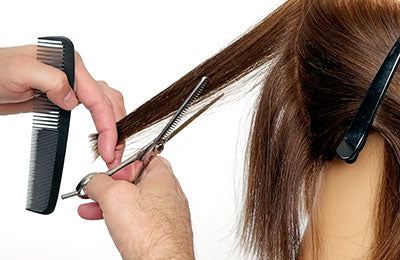
Are you ready to take your hairstyling skills to the next level? Learning how to use texturizing shears can transform your cuts from ordinary to stunning.
These special scissors help add movement, remove bulk, and create soft layers that make your hair look fuller and more natural. Whether you’re a beginner or just want to refine your technique, this guide will show you exactly how to use texturizing shears with confidence.
Keep reading to unlock the secret to effortless, salon-quality texture right at home.

Credit: jatai.net
Choosing The Right Texturizing Shears
Texturizing shears change hair shape and volume by cutting some strands thinner. Choosing the right shears helps you get the style you want.
Look at the type, blade size, teeth count, and material before buying. These features affect how the shears cut hair.
Types Of Texturizing Shears
There are several types of texturizing shears. Each type cuts hair differently for various styles.
Some shears have straight blades for clean cuts. Others have curved blades for soft texture. Some shears have teeth only on one blade.
- Straight blade shears: Good for thick hair and bold texture
- Curved blade shears: Create soft, natural texture
- Single-tooth blade shears: Remove less hair, good for fine details
Shear Blade Sizes And Teeth Count
Blade size affects control and cutting area. Smaller blades give more control. Larger blades cut more hair at once.
Teeth count shows how many teeth the blade has. More teeth cut less hair. Fewer teeth cut more hair.
| Teeth Count | Hair Removed | Use |
|---|---|---|
| 10-15 teeth | Removes a lot | Thick or coarse hair |
| 16-25 teeth | Removes medium amount | Most hair types |
| 26+ teeth | Removes little | Fine hair or small detail work |
Material And Build Quality
Good materials make shears sharp and long-lasting. Stainless steel is common because it resists rust and stays sharp.
Look for shears with a smooth pivot screw. This helps the blades move well without wobbling. Check the handle design for comfort.
- Stainless steel blades stay sharp longer
- Titanium-coated blades resist rust and wear
- Ergonomic handles reduce hand fatigue
- Adjustable tension screw improves cutting control

Credit: www.youtube.com
Preparing Hair For Texturizing
Texturizing shears can help create volume and movement in hair. Preparing the hair is important for best results.
Follow these steps to ensure hair is ready for texturizing. Proper preparation leads to a successful haircut.
Washing And Drying Techniques
Clean hair is easier to work with when texturizing. Wash hair with a gentle shampoo to remove oils and dirt.
Dry hair completely before using texturizing shears. Use a towel to remove excess water and a hairdryer to finish.
Sectioning Hair Properly
Sectioning hair helps in precise texturizing. Divide hair into small sections using clips or combs.
Work on one section at a time to maintain control. This ensures even texturizing throughout the hair.
- Divide hair into four main sections
- Clip each section separately
- Focus on one section before moving to the next
Selecting The Right Hair Type
Not all hair types respond the same to texturizing. Fine hair benefits from added volume, while thick hair can be thinned.
Consult a hair professional if unsure about texturizing your hair type. They can provide advice suited to your needs.
Basic Texturizing Techniques
Texturizing shears help change hair thickness and style. They create soft layers and reduce bulk. This guide covers simple ways to use them.
You will learn about point cutting, slide cutting, thinning thick hair, and adding volume to thin hair. Each method shapes hair differently.
Point Cutting Vs. Slide Cutting
Point cutting uses the tips of the shears to cut into hair ends. It creates texture and soft edges. Slide cutting slides the shears down the hair shaft. It removes bulk and blends layers smoothly.
- Point Cutting:Cuts vertical into hair tips.
- Slide Cutting:Moves shears along hair for thinning.
- Point Cutting:Adds choppy texture and movement.
- Slide Cutting:Makes hair softer and lighter.
Thinning Thick Hair
Thick hair can feel heavy and hard to style. Texturizing shears reduce weight without cutting length. Cut small sections at a time, especially near the ends. Avoid cutting too close to the scalp.
| Tip | Reason |
|---|---|
| Cut small sections | Control amount of hair removed |
| Focus on ends | Keep length while reducing bulk |
| Avoid scalp area | Prevent patchy thinning |
| Use slide cutting | Blend layers smoothly |
Adding Volume To Thin Hair
Thin hair can look flat. Texturizing shears add volume by removing weight in specific spots. Cut hair near the roots lightly. This lifts hair and creates fullness. Use point cutting for soft, natural texture.
- Lift thin sections and cut tips with shears
- Work on crown and sides for balanced volume
- Do not cut too much; keep hair thick
- Use point cutting to avoid blunt edges
Advanced Texturizing Methods
Texturizing shears are essential for adding depth and style to hair. Using them with advanced techniques improves hair flow and shape.
These methods help create natural movement, soften harsh edges, and blend hair sections smoothly. Each approach uses shears differently for best results.
Creating Layers And Movement
Texturizing shears cut hair at an angle to remove bulk without shortening length. This adds layers that give hair more volume and motion.
- Hold shears slightly open and slide through mid-lengths.
- Work in sections for even layering.
- Focus on areas needing lightness or lift.
- Use vertical cutting to create soft, flowing layers.
Softening Harsh Lines
Shears smooth sharp cut lines by thinning the ends. This technique helps hair look softer and more natural.
| Technique | Description | Effect |
|---|---|---|
| Point Cutting | Cutting into hair ends at an angle | Softens blunt edges |
| Slide Cutting | Sliding shears along hair strands | Removes weight and blends lines |
| Chunking | Cutting larger sections with shears | Creates texture and breaks harsh lines |
Blending Different Hair Sections
Use texturizing shears to blend thick and thin areas. This makes transitions smooth and hair easier to style.
- Start blending at the junction of two sections.
- Cut lightly to avoid removing too much hair.
- Work gradually for a seamless look.
- Check in natural light for even blending.
Common Mistakes To Avoid
Texturizing shears can add style and movement to hair. Using them wrong can cause damage and poor results.
Learn about common mistakes to avoid when using texturizing shears. This helps you get better haircuts.
Over-thinning Hair
One big mistake is thinning too much hair at once. This makes hair look thin and weak.
Use the shears lightly and check the hair often. Take small sections to avoid over-thinning.
- Thin small sections only
- Check hair thickness after each cut
- Stop if hair feels too light
Uneven Texturizing
Uneven texturizing makes hair look patchy and messy. Cutting too much in some areas causes this.
Cut evenly by working through the hair in sections. Move the shears smoothly for balanced texture.
- Divide hair into equal sections
- Use consistent cutting angle
- Blend edges carefully
Ignoring Hair Growth Patterns
Hair grows in different directions. Ignoring this can cause cuts to look uneven or grow out badly.
Look closely at the hair growth. Cut with the grain to keep the natural flow and shape.
- Check hair direction before cutting
- Cut in the same direction as growth
- Avoid cutting against natural patterns
Maintenance And Care For Texturizing Shears
Texturizing shears need regular care to work well. Good maintenance keeps them sharp and safe to use.
Learn how to clean, sharpen, and store your shears for long life and best results.
Cleaning And Oiling
Clean your shears after each use to remove hair and dirt. Use a soft cloth and warm water. Dry them well to stop rust.
- Wipe blades with alcohol to kill germs
- Apply a drop of oil to the pivot point
- Open and close shears to spread oil evenly
- Remove extra oil with a soft cloth
Sharpening Tips
Keep your shears sharp for clean cuts. Dull blades can damage hair and cause hand strain. Sharpen shears carefully or use a professional service.
| Sharpening Advice | Details |
|---|---|
| Frequency | Sharpen after every 6 months or when cutting becomes hard |
| Method | Use sharpening stones or send to a pro sharpener |
| Check | Test sharpness on a piece of paper before use |
Proper Storage
Store your texturizing shears in a dry place. Avoid dropping or banging them. Use a protective case to keep blades safe.
- Keep shears away from moisture to prevent rust
- Use blade guards or cases for protection
- Store shears in a dedicated pouch or box
- Avoid leaving shears open when not in use
Tips For Perfect Haircuts Every Time
Using texturizing shears can improve your haircut by adding softness and removing bulk. It is important to learn how to use them correctly for the best results.
Following a few key tips will help you create balanced and natural-looking haircuts every time you cut.
Assessing Hair Texture Before Cutting
Before using texturizing shears, check the hair texture carefully. Different hair types need different approaches to avoid unwanted results.
- Feel the hair to understand its thickness and density.
- Look at the hair’s natural wave or curl pattern.
- Identify any damaged or fragile areas to avoid over-cutting.
- Decide how much bulk needs to be removed for a smooth finish.
Using The Right Angle And Pressure
Holding your shears at the right angle and applying the correct pressure changes the haircut’s texture and flow.
| Angle of Shears | Effect on Hair |
| Parallel to hair strands | Removes more bulk quickly |
| At a slight angle | Creates soft blending and texture |
| Perpendicular to strands | Light texturizing with subtle thinning |
| Light pressure | Gentle thinning without harsh lines |
| Firm pressure | Stronger effect, use with care |
Combining Techniques For Best Results
Using texturizing shears with other cutting methods helps you achieve a natural look and adds dimension to the haircut.
Try mixing these techniques:
- Use scissors for blunt cuts to define shape.
- Apply texturizing shears to soften edges and reduce weight.
- Use point cutting to add movement and break up straight lines.
- Blend with thinning shears for a smooth finish on thick hair.

Credit: www.youtube.com
Frequently Asked Questions
What Are Texturizing Shears Used For?
Texturizing shears thin out hair without changing length. They add volume and reduce bulk for a natural look. They help create movement and blend layers smoothly. Ideal for styling and managing thick or coarse hair.
How Do You Hold Texturizing Shears Correctly?
Hold texturizing shears like regular scissors with your thumb and ring finger. Keep your grip relaxed to control pressure. Your index and middle fingers should support the shears. Proper hold ensures precision and prevents hand fatigue.
When Should You Use Texturizing Shears In A Haircut?
Use texturizing shears after cutting to blend layers. They soften harsh lines and remove excess bulk. Apply them to dry hair for accurate results. Avoid overusing to prevent frizz and uneven texture.
Can Beginners Use Texturizing Shears Safely?
Yes, beginners can use texturizing shears with practice. Start on small hair sections and use gentle snips. Watch tutorial videos for technique guidance. Always work slowly to avoid mistakes and hair damage.
Conclusion
Texturizing shears help add shape and softness to hair. Use them carefully to avoid cutting too much. Practice on small sections before doing a full haircut. These scissors work best on dry hair for control. Keep your hand steady and cut at different angles.
With time, you will feel more confident using them. Enjoy creating natural, textured styles that suit you well. Remember, patience and practice lead to better results. Try simple cuts first, then explore more styles later. Texturizing shears can make your hair look fresh and light.