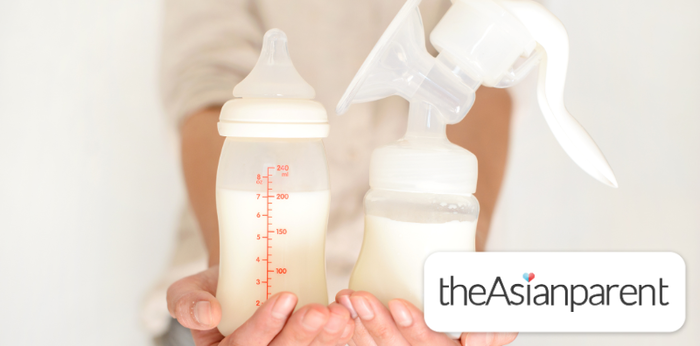
Using a manual breast pump can help mothers feed their babies when they cannot breastfeed directly. It is simple and easy to use. This guide will explain how to use the manual breast pump step by step. You will learn how to prepare the pump, how to pump milk, and how to clean the pump after use.
What is a Manual Breast Pump?
A manual breast pump is a hand-operated device. It helps you collect milk from your breasts. You use your hand to squeeze a handle or lever. This action creates suction. The suction pulls milk out of your breast into a container. Manual pumps are small, light, and easy to carry. They do not need electricity or batteries. They are good for travel or occasional use.
Parts of a Manual Breast Pump
Before using the pump, know its parts. Most manual pumps have these parts:
- Breast shield: The part that fits over your nipple and breast.
- Pump body: Connects the breast shield to the container.
- Handle or lever: You squeeze this to create suction.
- Milk container or bottle: Collects the milk you pump.
- Valve and membrane: Control milk flow and suction.
Step 1: Wash Your Hands and Pump Parts
Always start by washing your hands well with soap and water. Clean hands help keep milk safe. Then, wash all pump parts that touch milk. Use warm water and mild soap. Rinse well and let them dry on a clean towel. Clean parts prevent germs from reaching your milk.
Step 2: Find a Comfortable Place
Choose a quiet and comfortable spot. Sit down and relax your shoulders. Feeling calm helps your milk flow better. Some mothers find it helps to think about their baby or look at a photo. You can also gently massage your breasts before pumping. This helps start milk flow.
Step 3: Assemble the Pump
Put the pump parts together. Attach the breast shield to the pump body. Make sure the valve and membrane are in place. Screw the milk container onto the pump body. Attach the handle or lever to the pump body. Check that everything fits tightly. A good fit helps create suction.
Step 4: Position the Breast Shield
Place the breast shield over your nipple. Make sure your nipple is in the center of the shield. The shield should cover your areola (the darker skin around the nipple). Do not press the shield hard against your breast. Just hold it gently so it fits snugly.
Step 5: Start Pumping Slowly
Squeeze the handle or lever gently. Start with slow, light squeezes. This helps your milk start to flow. You may feel a pulling or tugging sensation. This is normal. Do not squeeze too hard or fast. Pumping too hard can hurt your breast.
Step 6: Find a Good Rhythm
After a few squeezes, find a steady rhythm. Pump at a speed that feels comfortable. Usually, 1 to 2 squeezes per second works well. Take breaks if your hand feels tired. Pump for 10 to 15 minutes or until milk slows down. Switch to the other breast if you want to pump both sides.
Step 7: Remove the Pump Carefully
When you finish pumping, release the handle slowly. Gently take the breast shield away from your breast. Do not pull hard. If milk is inside the container, carefully unscrew it. Put a lid on the container to keep the milk safe. You can store the milk in the fridge or freezer.

Credit: www.babygearlab.com
Step 8: Clean the Pump After Use
Clean the pump parts again after each use. Take apart all pieces that touch milk. Wash them with warm, soapy water. Rinse well and dry completely. Some parts may be safe for boiling or dishwasher. Check the pump manual for cleaning advice. Keeping the pump clean helps keep milk safe for your baby.
Tips for Using a Manual Breast Pump
- Use the pump when your breasts feel full but not sore.
- Drink water and eat well to keep your milk supply good.
- Try to relax and stay calm during pumping.
- If your nipple hurts, check the shield size. It should fit well.
- Use warm compresses before pumping to help milk flow.
- Do not share your breast pump with others.
Benefits of Using a Manual Breast Pump
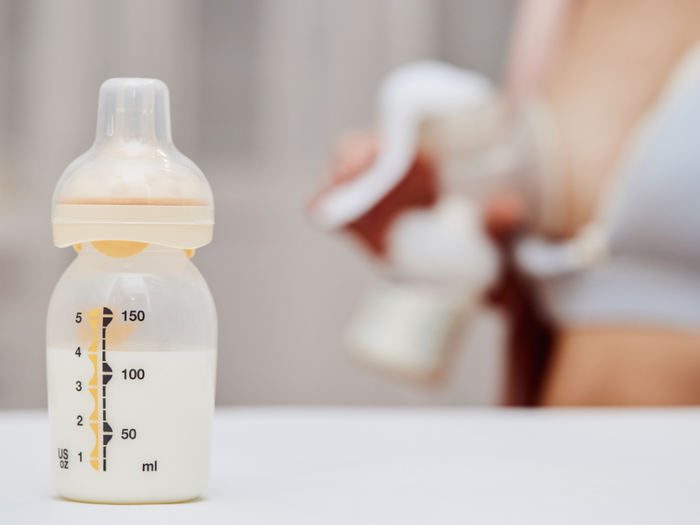
Manual breast pumps have many benefits. They are easy to carry anywhere. They do not need power or batteries. You can use them quietly. Manual pumps are usually cheaper than electric pumps. They work well for mothers who pump sometimes. You control the speed and strength of pumping. This helps avoid pain or discomfort.
Credit: sg.theasianparent.com
Common Challenges and How to Fix Them
Some mothers find manual pumps hard to use at first. The hand can get tired from squeezing. If this happens, take breaks or change hands. Sometimes, the pump does not create enough suction. Check if parts are clean and fit well. Make sure the valve and membrane are not broken. If your milk flow is slow, try to relax more. Massaging your breast can help.
How to Store Breast Milk Safely
After pumping, store milk properly. Use clean, labeled containers. Write the date and time on the container. Fresh milk can stay in the fridge for up to 4 days. For longer storage, freeze milk. Frozen milk lasts about 6 months. Thaw milk in the fridge or warm water. Do not use a microwave to heat milk. Always check the milk’s smell and look before feeding your baby.
Frequently Asked Questions
How Do I Assemble A Manual Breast Pump?
Follow the instruction manual. Usually, connect the handle, flange, and bottle securely.
How Often Should I Pump With A Manual Breast Pump?
Pump every 2 to 3 hours to maintain milk supply and avoid discomfort.
Can Manual Pumps Cause Nipple Pain?
Yes, if suction is too strong or flange size is wrong. Adjust gently.
How Do I Clean My Manual Breast Pump Parts?
Wash with warm, soapy water after each use. Air dry completely before storing.
Conclusion
Using a manual breast pump is easy once you know the steps. Remember to clean your pump parts well before and after use. Find a comfortable place to relax while pumping. Use gentle, steady squeezes to collect milk. Store the milk safely for your baby. With practice, pumping will feel natural and simple.
Manual breast pumps help mothers feed babies anytime. They give freedom and comfort. Follow this guide to use your pump with confidence. Your baby will enjoy your milk, even when you are apart.