Are you tired of your food getting cold before everyone is ready to eat? Imagine having a simple way to keep your meals warm without drying them out or overcooking.
That’s where your oven’s warming drawer comes in. If you’ve never used it before, you might be missing out on a game-changing kitchen feature. You’ll discover how to use your warming drawer effectively to keep your dishes at the perfect temperature, impress your guests, and make mealtime smoother than ever.
Ready to unlock this hidden gem in your oven? Let’s dive in.
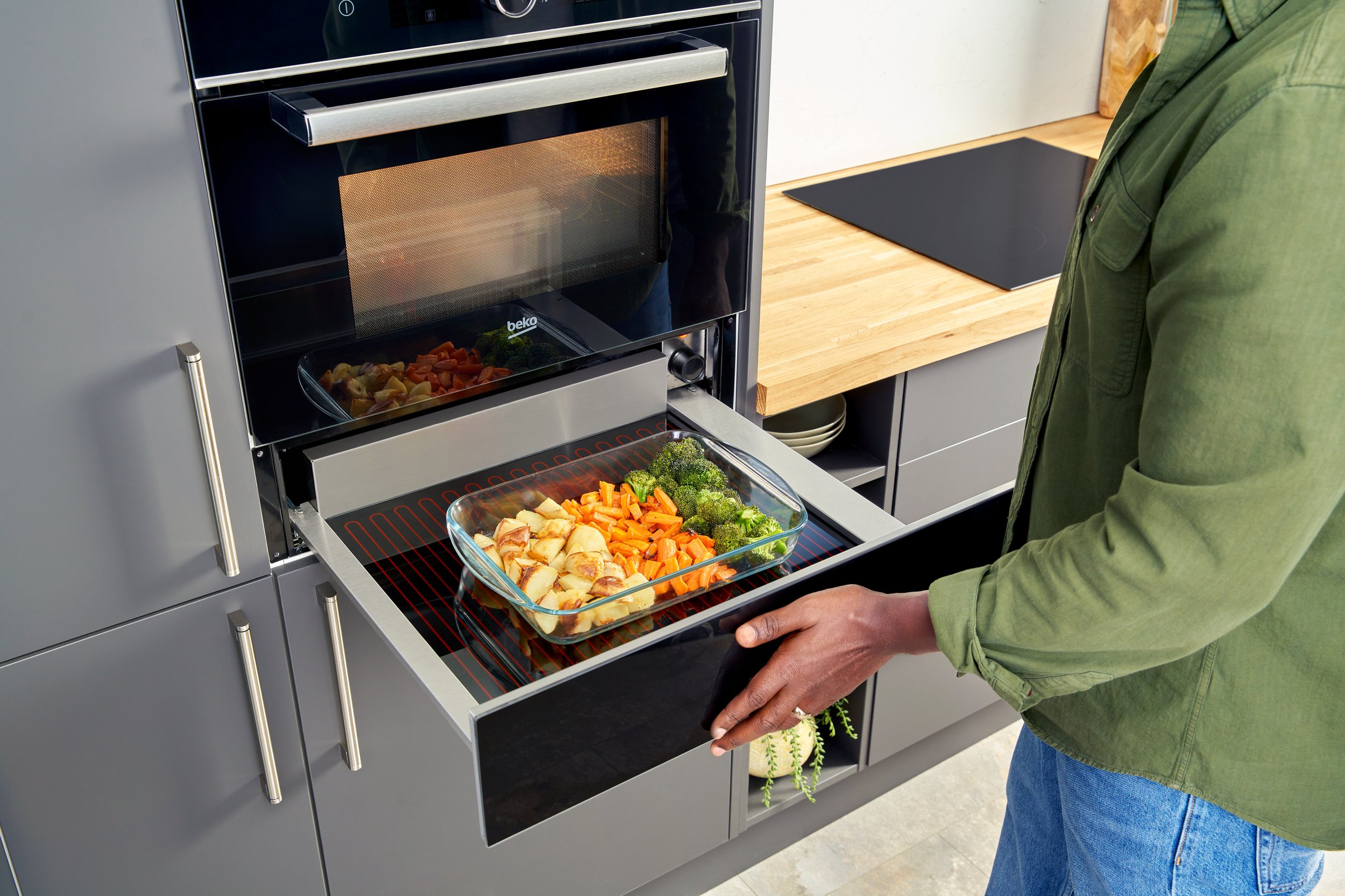
Credit: www.beko.co.uk
Choosing The Right Setting
Using a warming drawer helps keep food hot before serving. Selecting the right setting is key to keeping food warm and tasty.
Different ovens have various settings for temperature and timer. Knowing how to use them improves your warming experience.
Temperature Options
Most warming drawers offer multiple temperature settings. Choose one based on the type of food you want to keep warm.
- Low (around 80°F – 110°F):Ideal for breads and delicate items.
- Medium (around 120°F – 140°F):Best for cooked vegetables and casseroles.
- High (around 150°F – 200°F):Suitable for meats and dishes that need to stay hot.
Timer Settings
Using the timer helps avoid over-warming and drying out food. Set the timer according to how long you want to keep the food warm.
| Time Setting | Use Case |
|---|---|
| 15-30 minutes | Short holding times for fresh food. |
| 30-60 minutes | Good for buffet style serving. |
| Over 60 minutes | Only if food is well covered to prevent drying. |
Preparing Food For Warming
Using a warming drawer keeps your food hot without drying it out. It is important to prepare the food properly before placing it inside.
Proper preparation helps maintain flavor and texture. Follow the tips below to get the best results.
Suitable Food Types
Not all foods warm evenly or keep well in a warming drawer. Choose foods that retain moisture and heat well.
- Cooked meats like roast, chicken, or ham
- Steamed vegetables such as carrots and broccoli
- Breads and rolls to keep soft
- Casseroles and baked dishes
- Soups and sauces in covered containers
Proper Wrapping Techniques
Wrapping food correctly helps keep moisture in and prevents drying. Use materials that can handle gentle heat.
| Wrapping Material | Use | Notes |
| Aluminum Foil | Cover cooked meats and casseroles | Seals in moisture well |
| Plastic Wrap | Wrap breads and rolls | Use microwave-safe wrap |
| Oven-Safe Lids | Cover pots or dishes | Keeps heat and moisture inside |
| Wax Paper | Wrap sandwiches or delicate items | Not heat resistant for long time |
Loading The Drawer
Loading the warming drawer correctly helps keep your food warm and fresh. It is important to place your dishes carefully inside.
Proper loading also prevents damage to the drawer and ensures even heat distribution.
Arranging Dishes
Place dishes so air can flow freely around them. Use heat-safe containers and avoid stacking too many items.
- Use ovenproof plates and bowls.
- Arrange dishes with space between them.
- Place larger items at the back and smaller ones in front.
- Keep lids slightly open if possible to avoid sogginess.
Avoiding Overcrowding
Overcrowding blocks heat and causes uneven warming. Keep the drawer organized to maintain proper temperature.
| Problem | Effect |
|---|---|
| Too many dishes stacked | Food stays cold or heats unevenly |
| Items touching each other | Moisture builds up and sogginess occurs |
| Blocking air vents | Drawer overheats or shuts off |
Maintaining Moisture
Using the warming drawer on your oven keeps food warm. It can dry out food if not used right. Keeping moisture in the food makes it taste better.
There are easy ways to keep food moist while it stays warm. Using covers or adding water helps a lot.
Using Covers And Foil
Cover your food with lids or foil before placing it in the warming drawer. This stops steam from escaping. The food stays moist and soft.
Foil works well for meats and casseroles. Use a tight cover to keep heat and moisture inside.
- Use oven-safe lids or foil
- Cover the food tightly
- Check covers to avoid spills
Adding Water For Steam
Place a small dish with water inside the warming drawer. The water creates steam as it heats. Steam keeps food from drying out.
This method is good for bread, rice, and vegetables. The steam helps keep them soft and fresh.
- Use a shallow oven-safe dish
- Fill it with about one cup of water
- Place it away from food to avoid spills
Safety Tips
Using a warming drawer helps keep food hot before serving. It is important to follow safety rules. This keeps you and your kitchen safe.
Warming drawers get very hot. Knowing how to use them safely stops accidents and burns.
Handling Hot Surfaces
The warming drawer’s inside and outside surfaces become hot during use. Always use oven mitts when opening or closing the drawer.
Do not touch the warming drawer with bare hands. Keep children away from the drawer while it is hot.
- Use heat-resistant gloves or mitts
- Open the drawer slowly to avoid steam burns
- Keep flammable items away from the drawer
- Do not place hands on the drawer’s front panel
Avoiding Overheating
Overheating can cause food to dry out or burn. It can also damage the warming drawer. Always set the temperature according to your food type.
Do not leave the warming drawer on for too long. Check your food regularly to keep it safe and tasty.
- Follow the temperature guidelines in your oven manual
- Do not overload the drawer with too much food
- Turn off the drawer after use
- Clean the drawer regularly to prevent buildup
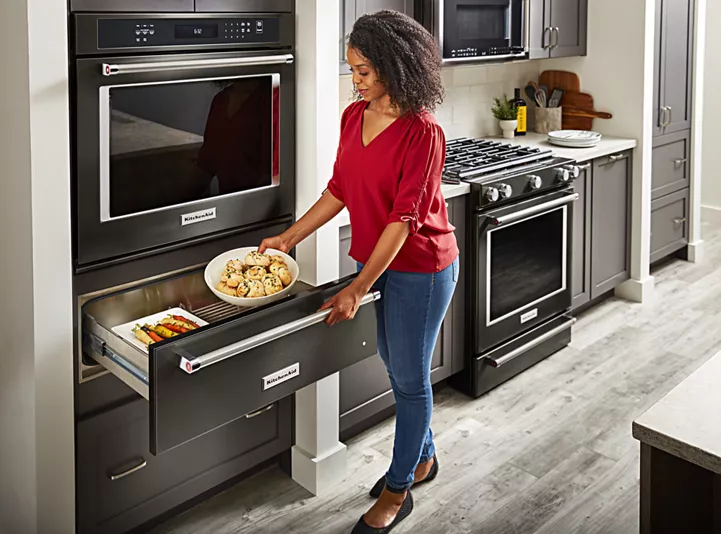
Credit: www.kitchenaid.com
Cleaning And Care
Warming drawers help keep food warm and ready to serve. Regular cleaning and care ensure their optimal performance.
Learn how to clean and prevent odors in your warming drawer easily.
Routine Cleaning
Clean your warming drawer regularly to maintain hygiene and efficiency.
- Turn off the drawer and let it cool completely.
- Remove any racks or pans inside.
- Use a damp cloth with mild soap to wipe surfaces.
- Dry with a clean towel to prevent moisture buildup.
Preventing Odors
Preventing odors keeps your food tasting fresh and delicious.
Place a small bowl of baking soda in the drawer when not in use.
Avoid storing strong-smelling foods without covers.
Use these tips to ensure your warming drawer stays clean and odor-free.

Credit: www.yahoo.com
Frequently Asked Questions
How Do I Turn On The Warming Drawer On My Oven?
To turn on the warming drawer, locate its control knob or digital panel. Set the temperature according to your needs. Some models have preset settings like low, medium, or high. Always refer to your oven’s manual for specific instructions.
What Foods Are Best Kept In A Warming Drawer?
Warming drawers are ideal for keeping cooked foods like bread, vegetables, or meats warm. They prevent food from drying out while maintaining safe serving temperatures. Avoid using it for raw or highly perishable foods.
Can A Warming Drawer Cook Food Or Only Keep It Warm?
A warming drawer primarily keeps food warm, not cook it. It maintains temperature around 140°F to 200°F. Some models may have a low cooking function, but it’s not designed for full cooking. Use the oven for thorough cooking.
How Do I Clean And Maintain A Warming Drawer?
Clean the drawer with a damp cloth and mild detergent after use. Avoid abrasive cleaners or soaking the drawer. Regularly check for food spills to prevent odors. Follow manufacturer guidelines for deeper cleaning and maintenance.
Conclusion
Using a warming drawer helps keep food hot and ready to serve. It saves time and stops food from getting cold. Just set the right temperature and place your dishes inside. This tool fits well in busy kitchens or during big meals.
Try it out to enjoy warm, tasty food anytime. Remember to clean the drawer regularly for best use. A warming drawer is a simple way to make cooking easier. Give it a chance and see the difference it makes.