
Do you ever feel confused about how to use your washing machine and dryer properly? You’re not alone.
Using these appliances the right way can save your clothes, time, and energy. Imagine finishing your laundry quickly with perfectly clean and dry clothes every time—no shrinking, fading, or leftover detergent. In this guide, you’ll learn simple steps to get the best results from your washing machine and dryer.
Keep reading, and you’ll become a laundry pro in no time!
Choosing The Right Machine
Choosing the right washing machine and dryer is important. It helps you save time and energy.
Think about your laundry needs before buying. This guide will help you decide.
Types Of Washing Machines
There are two main types of washing machines. Each type has its own way of cleaning clothes.
- Top-Load Washing Machines:Clothes go in from the top. They are easy to use and usually cost less.
- Front-Load Washing Machines:Clothes go in from the front. They use less water and clean clothes well.
Front-load machines spin faster, so clothes dry quicker. Top-load machines may be faster for small loads.
Types Of Dryers
Dryers also come in two main types. Choose based on space and energy use.
- Vented Dryers:These dryers blow hot air outside. They need a vent to the outdoors.
- Condenser Dryers:These dryers collect moisture in a container. They do not need a vent.
Condenser dryers work well in apartments. Vented dryers dry clothes faster but need more space.
Capacity And Size Considerations
Check the capacity before buying. It shows how much laundry the machine can handle.
Choose a size that fits your laundry needs and space.
- Small capacity (up to 6 kg) is good for singles or couples.
- Medium capacity (6-8 kg) suits small families.
- Large capacity (over 8 kg) works for big families or heavy laundry.
- Measure the space where you will put the machine.
- Leave room for door opening and ventilation.
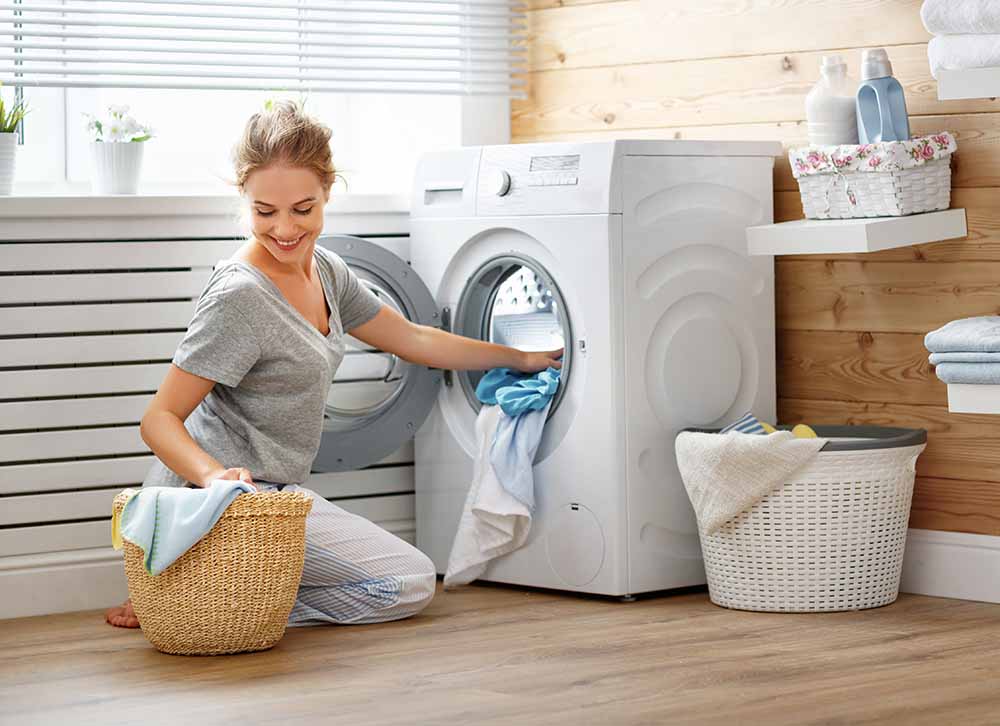
Credit: www.sonnet.ca
Preparing Laundry
Preparing your laundry helps keep clothes clean and safe. Taking time before washing saves time later.
Sorting and checking clothes avoids damage and improves washing results. Follow simple steps for better care.
Sorting Clothes By Color And Fabric
Sort clothes by colors to avoid color bleeding. Dark, light, and white clothes need washing separately.
Separate clothes by fabric type. Delicate fabrics need gentle washing. Heavy fabrics need stronger cycles.
- Dark colors: blacks, navies, dark reds
- Light colors: pastels, light blues, yellows
- Whites: pure white shirts, socks, underwear
- Delicates: silk, lace, thin fabrics
- Heavy fabrics: denim, towels, blankets
Checking Care Labels
Care labels give important washing instructions. They show water temperature and drying advice.
Look for symbols on the label. Follow the instructions to avoid shrinking or damage.
- Washing temperature (cold, warm, hot)
- Hand wash only
- Do not bleach
- Dry flat or tumble dry low
- Ironing temperature limits
Treating Stains Before Washing
Treat stains quickly to remove them better. Use stain remover or mild soap on the spot.
Gently rub the stain before washing. Avoid hot water, as it can set the stain.
- Apply stain remover or soap
- Let it sit for 5 to 10 minutes
- Gently rub fabric together
- Wash as usual after treatment
Loading The Washing Machine
Loading your washing machine correctly helps clean clothes better. It also protects the machine and saves water.
Follow simple steps to load your washing machine safely and efficiently.
Proper Loading Techniques
Place clothes evenly inside the drum. Mix heavy and light items for balance.
Close zippers and buttons to avoid damage. Turn delicate clothes inside out.
- Distribute clothes evenly around the drum
- Mix different fabric types and weights
- Secure zippers and buttons
- Turn delicate items inside out
Avoiding Overloading
Do not fill the drum completely. Leave space for clothes to move freely.
Overloading reduces washing quality and can harm the machine.
- Fill the drum about three-quarters full
- Check the machine manual for weight limits
- Separate large loads into smaller ones
Adding Detergent And Fabric Softener
Use the right amount of detergent for your load size. Too much soap can leave residue.
Add fabric softener to the correct dispenser if you want softer clothes.
- Measure detergent according to load size and soil level
- Use high-efficiency detergent if needed
- Pour fabric softener into its dispenser only
- Do not mix detergent and fabric softener directly
Selecting Wash Cycles
Using the correct wash cycle helps keep clothes clean and lasts longer. Each cycle suits different types of fabrics and dirt levels.
Learn how to pick the right cycle for your laundry to get the best results every time.
Common Wash Cycle Options
Washing machines offer many cycle options. Each one adjusts the wash time, speed, and water level.
- Normal cycle: Best for everyday clothes like cotton and linen.
- Heavy-duty cycle: Designed for tough stains and sturdy fabrics like jeans.
- Quick wash: Short cycle for lightly soiled clothes.
- Permanent press: Reduces wrinkles in synthetic fabrics.
- Rinse and spin: Cleans detergent out without a full wash.
Choosing Water Temperature
Water temperature affects cleaning and fabric care. Some clothes need cold water to avoid damage.
| Water Temperature | Best For |
| Cold | Delicates, bright colors, and quick wash cycles |
| Warm | Most everyday fabrics and moderately dirty clothes |
| Hot | Whites, heavy fabrics, and very dirty items |
Using Special Cycles For Delicates
Delicate fabrics need gentle washing to keep their shape and color. Use cycles made just for these items.
Special cycles for delicates include:
- Gentle or delicate cycle: Uses slow spin speed and gentle washing action.
- Hand wash cycle: Mimics hand washing with very soft agitation.
- Wool cycle: Designed for wool clothes to prevent shrinking.
Operating The Dryer
Using a dryer helps to dry your clothes quickly after washing. It uses heat and tumbling to remove moisture.
Knowing how to operate the dryer properly keeps your clothes safe and saves energy.
Loading Clothes Correctly
Do not overload the dryer. Clothes need space to tumble and dry evenly.
Separate heavy items from light ones. This helps them dry at the right speed.
- Fill the drum about two-thirds full
- Mix large and small items carefully
- Check pockets and close zippers before loading
Selecting Drying Settings
Choose the right drying cycle based on fabric type. This protects your clothes from damage.
Use low heat for delicate items and higher heat for towels or jeans.
- Use “Delicate” or “Low Heat” for thin fabrics
- Select “Normal” or “Medium Heat” for everyday clothes
- Choose “Heavy Duty” for thick or large items
- Use “Air Fluff” for freshening without heat
Using Dryer Sheets And Other Additives
Dryer sheets reduce static and add a fresh scent to clothes. Place one sheet on top of the load before starting.
You can also use wool dryer balls to soften clothes and reduce drying time without chemicals.
- Use one dryer sheet per load
- Do not use dryer sheets with microfiber cloths
- Wool dryer balls can be reused many times
- Check your dryer’s manual for recommended additives
Maintenance Tips
Keeping your washing machine and dryer in good shape is important. Regular maintenance helps them work better and last longer.
Here are some tips to keep your laundry appliances running smoothly and efficiently.
Cleaning The Washing Machine
Washers can collect dirt and soap over time. Regular cleaning prevents bad smells and helps clothes stay fresh.
Use a damp cloth to wipe the door and seals. Run an empty hot cycle with vinegar to remove buildup.
- Clean the detergent drawer monthly
- Leave the door open to dry after use
- Check and clean the filter regularly
Maintaining The Dryer Vent
A clean dryer vent is important for safety. It helps dry clothes faster and saves energy.
Check the vent hose for lint buildup. Clean it regularly to avoid fires and improve airflow.
- Inspect the vent every few months
- Use a vacuum to remove lint
- Ensure the vent is properly attached
Troubleshooting Common Issues
Sometimes, washers and dryers have problems. Knowing how to fix them can save time and money.
If the washer does not spin, check the load balance. For dryers not heating, clean the lint trap and check the power supply.
- Check for strange noises
- Ensure doors close properly
- Refer to the manual for error codes
Energy And Water Efficiency
Using washing machines and dryers efficiently saves energy and water. This helps protect the environment and reduces utility bills.
Learn how to use these appliances in an eco-friendly way. Discover tips to conserve resources and choose energy-efficient models.
Using Eco-friendly Settings
Many machines have eco-friendly settings. These settings use less water and energy, which is good for the planet.
Check your machine’s manual to find these settings. Use them whenever possible to save resources.
- Lower temperature settings save energy
- Shorter cycles use less water
- Delay start options run during off-peak hours
Tips To Save Water And Electricity
Simple changes in how you use your machines can save water and electricity. These tips are easy to follow and effective.
Try washing full loads to maximize efficiency. Avoid using too much detergent as it requires more water to rinse.
- Clean lint filters regularly
- Use cold water whenever possible
- Air-dry clothes when you can
Choosing Energy-efficient Machines
When buying a new machine, look for energy-efficient models. These machines use less water and electricity.
Check for Energy Star ratings. This label means the machine meets energy-saving standards.
| Feature | Benefit |
| High spin speed | Reduces drying time |
| Load sensors | Adjusts water usage |
| Efficient motors | Uses less electricity |

Credit: www.youtube.com
Safety Precautions
Using a washing machine and dryer is easy, but safety is important. Follow simple rules to avoid accidents and damage.
These machines use water, electricity, and heat. Careful handling keeps you and your home safe.
Handling Detergents Safely
Detergents can be harmful if swallowed or touched. Keep them out of reach of children and pets.
Use the right amount of detergent. Too much can cause extra suds and damage the machine.
- Store detergents in a closed cabinet
- Read the label before use
- Wear gloves if you have sensitive skin
- Clean up spills immediately
Avoiding Overheating
Dryers get very hot during use. Make sure the machine has good airflow and is not blocked.
Do not overload the washer or dryer. Overloading can cause the motor to work too hard and overheat.
- Clean the lint filter after every use
- Keep the dryer vent clear and unblocked
- Allow space around the machines for air circulation
- Turn off machines after each cycle
Child Safety Measures
Children should never play near washing machines or dryers. These machines can cause injury.
Always close the doors when the machines are not in use. Use child locks if available on your machine.
- Supervise children near laundry area
- Keep laundry room door closed
- Use safety locks on machine doors
- Store detergents and cleaning products out of reach

Credit: www.youtube.com
Frequently Asked Questions
How Do I Properly Load A Washing Machine?
Load clothes loosely, avoiding overfilling. Separate by fabric type and color. Distribute evenly to maintain balance. Overloading can damage the machine and reduce washing efficiency.
What Detergent Should I Use For Washing Machines?
Use high-efficiency (HE) detergent for HE machines. Choose liquid or powder based on preference. Avoid using too much detergent to prevent residue buildup and poor rinsing.
How Do I Clean The Washing Machine Drum?
Run an empty cycle with hot water and vinegar. Wipe the drum and door seal regularly. Clean detergent dispensers to prevent mold and odors. This maintains machine hygiene and performance.
How Long Should I Dry Clothes In A Dryer?
Dry clothes in 30 to 60 minutes based on fabric type. Avoid over-drying to prevent damage and shrinkage. Clean the lint filter before each use to improve efficiency.
Conclusion
Using a washing machine and dryer saves time and effort. Always separate clothes by color and fabric type. Use the right settings for best results. Clean the machines regularly to keep them working well. Check care labels on your clothes before washing.
Dry clothes properly to avoid damage. Following these simple steps helps clothes last longer. Enjoy fresh, clean laundry with less hassle. Keep your routine easy and effective every time.