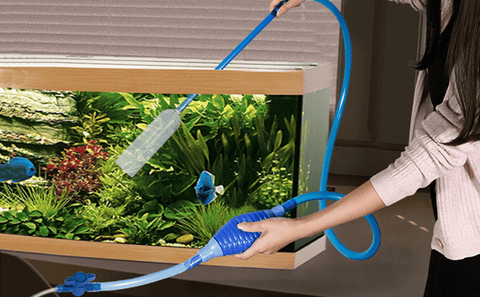
Are you struggling to keep your aquarium sand clean and clear? You’re not alone.
Many aquarium enthusiasts face the challenge of maintaining a pristine environment for their aquatic friends. A clean aquarium not only looks beautiful but also ensures the health of your fish and plants. You might be wondering how to tackle the tricky task of vacuuming aquarium sand without disrupting your underwater world.
Don’t worry; you’re about to discover simple steps that make this task a breeze. Imagine the satisfaction of gazing into your crystal-clear aquarium, knowing you’ve mastered the art of keeping it spotless. Ready to dive in? Let’s explore how you can transform your aquarium maintenance routine and ensure the best for your aquatic life.
Choosing The Right Vacuum
Choosing the right vacuum for your aquarium sand makes cleaning easier and safer. A good vacuum removes debris without disturbing the sand too much. Picking the right tool depends on your tank size, sand type, and how often you clean.
Consider your needs before buying. Some vacuums are better for small tanks, while others suit larger setups. Think about your comfort and budget too.
Types Of Aquarium Vacuums
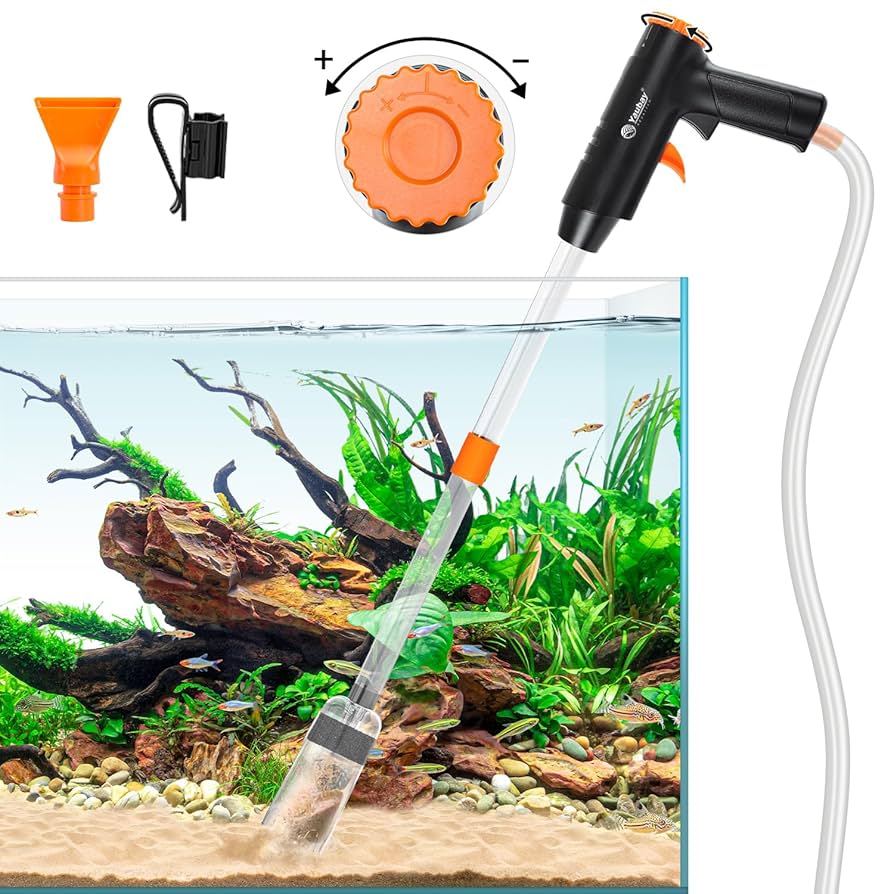
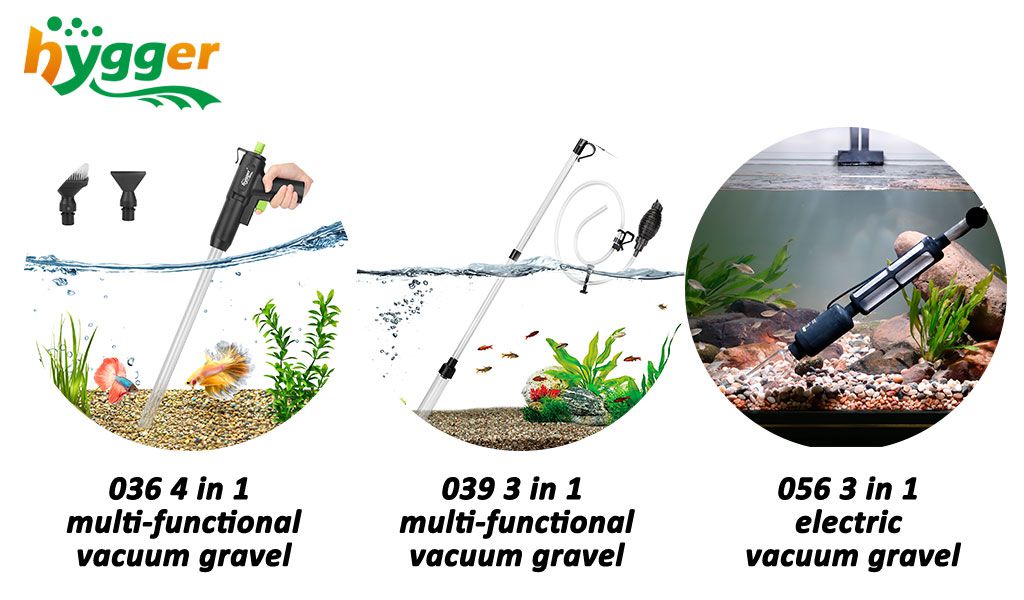
There are several types of aquarium vacuums. Gravel vacuums work well with sand and small pebbles. They use suction to pull dirt without sucking up too much sand.
Siphon vacuums rely on water flow to clean. They are simple and often cheaper. Battery-powered vacuums offer more convenience but may cost more.
Manual Vs Electric Options
Manual vacuums require you to start the siphon by hand. They give you full control but need more effort. Electric vacuums run automatically. They save time but may be noisy or expensive.
Manual tools are good for small tanks or occasional cleaning. Electric models suit bigger tanks or frequent use.
Size And Compatibility
Pick a vacuum size that fits your tank. Large vacuums can disturb sand in small tanks. Small vacuums may take longer in big tanks.
Check if the vacuum fits your tank’s shape and filter system. Some vacuums come with adjustable tubes or nozzles to match different setups.
Credit: www.amazon.com
Preparing Your Aquarium
Preparing your aquarium before vacuuming the sand is important for a smooth and safe process. Taking the right steps helps protect your fish and plants while making cleaning easier. Proper preparation also prevents damage to the tank’s equipment and maintains water quality.
Gathering Necessary Supplies
Collect all tools before starting. You will need:
- A siphon or gravel vacuum
- A bucket for dirty water
- A water conditioner for refilling
- A clean cloth or sponge for wiping
Having everything ready saves time and avoids interruptions.
Turning Off Equipment
Switch off all electrical devices connected to the aquarium. This includes filters, heaters, and air pumps. Turning off equipment prevents damage and reduces stress on fish. It also stops water flow, making vacuuming easier and more effective.
Protecting Fish And Plants
Move delicate plants to a safe container with aquarium water. Gently catch and transfer small or slow fish to a temporary tank. This prevents harm from strong water currents during vacuuming. Keep an eye on fish behavior to reduce stress during the cleaning process.
Vacuuming Techniques
Vacuuming aquarium sand keeps the tank clean and healthy. Using the right technique helps remove waste without harming plants or fish. It also prevents sand from being sucked up or stirred too much. Careful vacuuming protects the tank’s balance and appearance.
Starting The Process
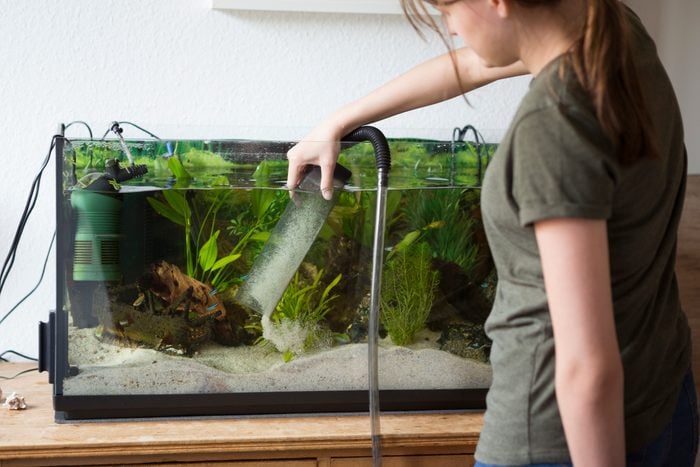
Begin by assembling your gravel vacuum or siphon. Place one end in a bucket outside the tank. Slowly lower the vacuum tube into the sand. Make sure the tube tip stays buried slightly below the surface. This helps pull out debris without sucking up the sand.
Start the water flow gently. Avoid strong suction at first. Watch the water clarity as you vacuum. Clear water means the process is working well. Stop if sand clouds the water too much.
Cleaning Different Sand Depths
Thin layers of sand require gentle vacuuming. Move the tube slowly across the surface. Focus on areas with visible waste or uneaten food.
For deeper sand beds, clean in sections. Push the vacuum tip down carefully to avoid stirring sand. Lift slowly to remove debris without pulling sand out. Repeat in different spots until the whole bed is clean.
Avoiding Disturbance To Tank Inhabitants
Vacuum during the fish’s quiet time or when they hide. Use a low suction setting to avoid stressing animals. Move the vacuum slowly and calmly to prevent sudden water flow changes.
Keep the water level stable by removing only a small amount at once. Refill the tank with treated water immediately after vacuuming. This keeps fish safe and comfortable.
Maintaining Water Quality
Maintaining water quality is key to a healthy aquarium and vibrant fish. Vacuuming the sand helps remove debris, but it’s only part of the process. You also need to take steps to keep the water clean and balanced, ensuring your aquatic life thrives.
Partial Water Changes
Regular partial water changes reduce the buildup of harmful substances like ammonia and nitrates. Try changing 10-20% of the water weekly or biweekly, depending on your tank’s size and stocking levels.
When you vacuum the sand, you disturb the substrate, which can release trapped waste into the water. Doing a partial water change right after vacuuming helps flush out these pollutants before they harm your fish.
Monitoring Water Parameters
Keep a close eye on essential water parameters such as pH, ammonia, nitrite, and nitrate levels. Test kits are affordable and easy to use, letting you catch problems before they escalate.
Ask yourself: Are your fish acting normally? Changes in behavior often signal water quality issues. Check parameters immediately if you notice anything unusual.
Using Conditioners And Treatments
Adding water conditioners can neutralize chlorine, chloramine, and heavy metals in tap water. This step protects beneficial bacteria and fish health during water changes.
Sometimes, your tank might need extra help with treatments like beneficial bacteria boosters or algae control. Using these products carefully can prevent imbalances and keep your aquarium stable after vacuuming the sand.
Post-cleaning Care
After vacuuming your aquarium sand, the real care begins. Taking the right steps immediately after cleaning helps keep your tank healthy and your fish happy. How you manage post-cleaning care can make a noticeable difference in your aquarium’s environment.
Restarting Equipment
Once you’ve finished vacuuming, it’s important to restart your aquarium equipment carefully. Turn on the filter and heater slowly to avoid sudden changes in water flow or temperature. Sudden restarts can stress your fish or disturb the beneficial bacteria that keep your tank balanced.
Check that all equipment is running smoothly without any strange noises or leaks. This quick check can save you from bigger problems down the line.
Observing Fish Behavior
After cleaning, watch your fish closely for any signs of stress or unusual behavior. Are they hiding more than usual? Are they gasping at the surface?
Small changes can indicate water quality shifts or irritation caused by the disturbance. Keep an eye on them for at least a few hours and be ready to test water parameters if something feels off.
Regular Maintenance Tips
- Vacuum your sand regularly but avoid over-cleaning; removing too much debris can strip away necessary nutrients.
- Perform partial water changes alongside sand vacuuming to maintain water quality.
- Monitor ammonia and nitrate levels weekly to catch problems early.
- Use gentle suction settings on your vacuum to protect delicate sand grains and avoid stirring up excessive debris.
Have you noticed how consistent care after cleaning keeps your aquarium thriving? Share your routine and see what others suggest to fine-tune your process!
Credit: www.familyhandyman.com
Credit: www.hygger-online.com
Frequently Asked Questions
How Often Should I Vacuum Aquarium Sand?
Vacuum aquarium sand every 1-2 weeks to remove waste and debris. Regular cleaning keeps the tank healthy and prevents harmful buildup.
What Equipment Is Best For Vacuuming Aquarium Sand?
Use a gravel vacuum or siphon designed for sand. Choose one with adjustable flow to avoid disturbing the sand bed too much.
Can Vacuuming Harm Beneficial Bacteria In Aquarium Sand?
Vacuum gently to protect beneficial bacteria. Avoid deep cleaning that removes too much sand or disrupts bacterial colonies essential for water quality.
How Do I Prevent Sand From Being Sucked Into The Vacuum?
Hold the vacuum above the sand surface or use a guard attachment. This prevents sand from clogging the vacuum or clouding the water.
Conclusion
Cleaning aquarium sand keeps your tank healthy and clear. Use a siphon or gravel vacuum to remove dirt gently. Do not disturb the sand too much to avoid stress for fish. Regular vacuuming prevents harmful waste buildup and helps plants grow.
Keep the water clean and fresh by changing some water after vacuuming. A clean tank means happier fish and better water quality. Simple steps, done often, make a big difference in your aquarium care.