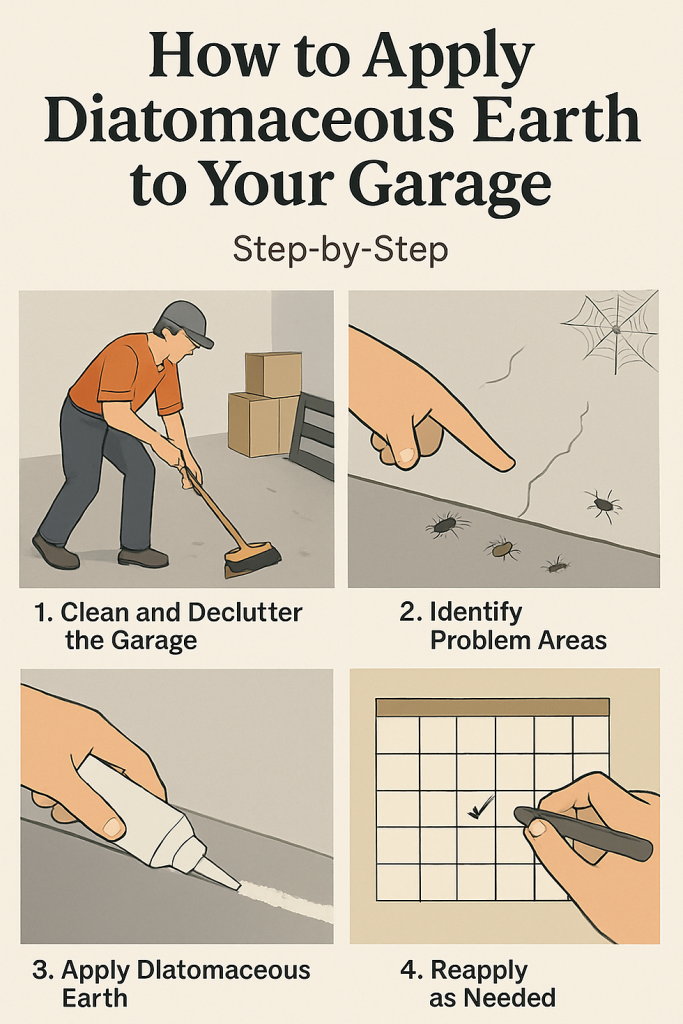
Have you ever wondered how to clean up diatomaceous earth safely and effectively? If you’re dealing with this natural powder, you already know its benefits for pest control and other uses.
However, vacuuming it up can be a bit tricky, and if done incorrectly, it could lead to more harm than good. You might even be worried about damaging your vacuum or not getting rid of all the dust. Don’t worry—you’re in the right place.
You’ll discover the step-by-step process to vacuum diatomaceous earth without any mess or stress. Stick around to learn how to maintain a clean and safe environment in your home while protecting your cleaning tools. Your peace of mind is just a few scrolls away!

Credit: www.amazon.ca
Choosing The Right Vacuum
Choosing the right vacuum for cleaning up diatomaceous earth (DE) is crucial to avoid making a mess or damaging your equipment. DE’s fine, powdery texture can clog vacuums or even damage motors if the vacuum isn’t designed to handle such particles. Selecting a vacuum with the right features will save you time and protect your investment.
Hepa Filters And Their Importance
HEPA filters trap tiny particles that ordinary filters might miss. Since diatomaceous earth is very fine, a vacuum with a HEPA filter prevents these particles from escaping back into the air you breathe. This is especially important if you or anyone in your home has allergies or respiratory issues.
Without a HEPA filter, the DE dust can circulate, making cleanup frustrating and potentially harmful. Look for vacuums that specifically mention HEPA-certified or true HEPA filters to ensure maximum air filtration.
Vacuum Types Suitable For Diatomaceous Earth
Not all vacuums handle diatomaceous earth well. Shop vacuums or wet/dry vacuums are often the best choices because they have strong motors and can deal with fine powders without clogging. Upright or standard household vacuums usually lack the power and filtration needed for DE.
Consider vacuums designed for fine dust or construction debris—they usually have sealed systems to prevent leaks. If you have a bagless vacuum, make sure it has washable filters to maintain suction after cleaning.
Avoiding Vacuum Damage
Using the wrong vacuum can lead to clogs or motor burnout. Avoid vacuums with small, delicate filters or those not rated for fine dust. Empty the vacuum frequently during cleanup to prevent buildup.
Also, check if your vacuum’s hose and attachments are wide enough to prevent clogging. Have you ever noticed your vacuum losing suction halfway through cleaning? That’s often a sign of too much fine dust accumulation. Prevent this by choosing a vacuum designed for tough cleanup jobs like DE.
Preparing The Area
Preparing the area is key before vacuuming diatomaceous earth. It helps keep the cleaning process smooth and safe. Taking some simple steps protects your home and reduces dust spread. This preparation makes vacuuming easier and more effective.
Clearing Large Debris
Remove any big pieces of dirt or trash first. Large debris can clog the vacuum or damage it. Use a broom or dustpan to sweep away visible chunks. Clear the floor around the diatomaceous earth. This step prevents blockages and saves time during vacuuming.
Minimizing Dust Spread
Diatomaceous earth creates fine dust that spreads easily. Close windows and doors to keep dust contained. Cover vents and air ducts with tape or cloth. Wear a mask to avoid breathing in dust. Use a damp cloth to wipe nearby surfaces before vacuuming.
Protecting Surrounding Surfaces
Cover furniture and floors near the area with plastic sheets. This prevents dust from settling on surfaces. Tape edges of the coverings to keep them in place. Remove any valuable or fragile items from the room. These steps help keep your space clean and damage-free.
Vacuuming Techniques
Vacuuming diatomaceous earth requires a bit of patience and the right approach to avoid spreading the fine powder into the air or missing spots. The key lies in how you move the vacuum and which tools you use. Paying attention to your technique ensures a cleaner space and saves you time on repeated cleaning.
Slow And Steady Movements
Move your vacuum slowly over the areas with diatomaceous earth. Quick sweeps can kick up dust and scatter the powder instead of picking it up.
Take your time, especially on carpets or textured surfaces where the powder can settle deep. A steady pace helps the vacuum suction grab more particles in one go.
Using Attachments For Corners
Corners and edges often trap diatomaceous earth, making it harder to clean with the main vacuum head. Use smaller attachments like crevice tools to reach these tight spots.
Attachments can also help you avoid scratching delicate surfaces. Have you tried switching attachments mid-cleaning to get those hidden bits?
Multiple Passes For Thorough Cleaning
One pass rarely picks up all the powder. Go over the same area two or three times, changing your direction with each pass to catch leftover particles.
This technique reduces the chance of missing spots and prevents the need for constant vacuum bag or filter changes. It’s worth the extra effort for a truly clean result.
Post-vacuum Cleanup
After vacuuming diatomaceous earth, the cleanup process is just as important as the vacuuming itself. This fine powder can be stubborn and messy if not handled properly. Taking the right steps after vacuuming ensures your space stays clean and safe, and your vacuum remains in good condition.
Emptying And Cleaning The Vacuum
Start by emptying the vacuum bag or canister immediately. Diatomaceous earth can clog filters quickly, so don’t let it sit inside your vacuum. Use a brush or a damp cloth to remove any remaining dust from the filter and inside the vacuum chamber.
Have you noticed how some vacuums handle powders better than others? Choosing one with a HEPA filter can make this process easier and protect your vacuum’s motor.
Disposing Of Collected Dust Safely
Collect the dust in a sealed bag to prevent it from spreading back into the air. Avoid emptying it directly into open trash bins where it can become airborne again. If possible, double-bag the waste for extra protection.
Think about your local waste disposal guidelines. Some areas recommend specific methods for disposing of fine powders to avoid environmental impact.
Wiping Down Surfaces
Once vacuuming is done, wipe down nearby surfaces with a damp cloth to catch any leftover dust. Diatomaceous earth can settle on counters, window sills, and floors, so don’t overlook these spots. Use gentle, circular motions to lift the powder without spreading it further.
Have you ever missed a spot and found dust on your clothes hours later? Taking a moment to thoroughly wipe surfaces can save you from that frustration.
Safety Precautions
Handling diatomaceous earth requires care to protect your health and home. This powder can irritate eyes and lungs if disturbed improperly. Safety precautions reduce risks and make cleanup easier. Follow simple steps to stay safe while vacuuming diatomaceous earth.
Wearing Protective Gear
Always wear a dust mask or respirator to avoid breathing fine particles. Use safety goggles to protect your eyes from dust. Gloves help keep your skin clean and prevent irritation. Long sleeves and pants add extra protection when working with this powder.
Ventilation Tips
Open windows and doors to create airflow in the room. Use fans to push dust outside, not deeper into your home. Avoid using air conditioners or heaters that recirculate indoor air. Good ventilation helps clear dust quickly and keeps the air safe to breathe.
Handling Diatomaceous Earth Safely
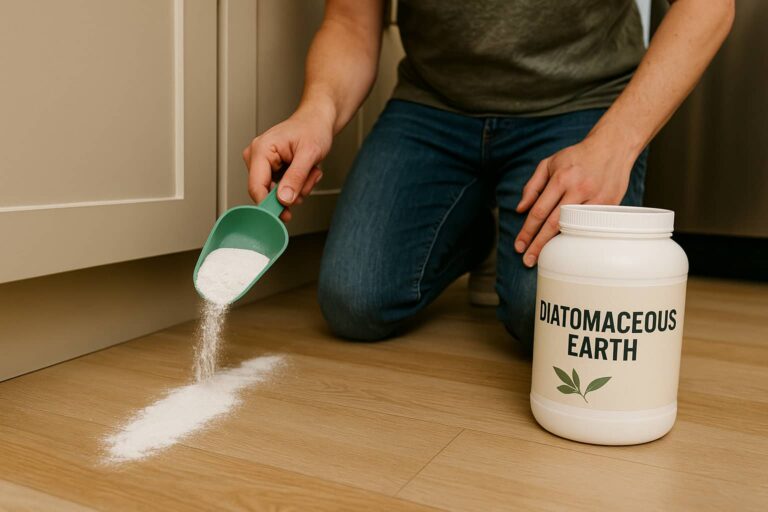
Keep diatomaceous earth dry to reduce dust clouds. Apply it gently to avoid stirring up powder. Use a vacuum with a HEPA filter designed for fine dust. Seal vacuum bags tightly after use to prevent leaks. Store the powder in a closed container away from children and pets.
Credit: www.safesalt.com.au

Credit: www.earthworkshealth.com
Frequently Asked Questions
What Type Of Vacuum Is Best For Diatomaceous Earth?
A vacuum with a HEPA filter is best for cleaning diatomaceous earth. It traps fine particles effectively and prevents dust from escaping back into the air. Avoid vacuums without strong filtration to minimize airborne dust and ensure thorough cleaning.
Can Regular Vacuums Handle Diatomaceous Earth Safely?
Regular vacuums may struggle with diatomaceous earth’s fine dust. They can clog filters and release dust. Using a vacuum with a HEPA filter or a shop vac is safer. This prevents damage and protects indoor air quality during cleanup.
How To Prevent Dust Spread When Vacuuming Diatomaceous Earth?
Vacuum slowly and use a vacuum with sealed bags or canisters. Avoid sweeping before vacuuming to reduce dust clouds. Wearing a mask also helps protect your lungs from fine particles during cleanup.
Is Wet Vacuuming Effective For Diatomaceous Earth Cleanup?
Wet vacuuming is not recommended for diatomaceous earth. Moisture can cause it to clump and clog the vacuum. It’s best to use a dry vacuum with proper filtration to clean the powder effectively without damaging equipment.
Conclusion
Vacuuming diatomaceous earth is simple with the right steps. Use a vacuum cleaner with a HEPA filter. This helps trap tiny dust particles. Avoid spreading the powder further by moving slowly. Clean the vacuum after use to keep it working well.
Proper vacuuming keeps your space clean and safe. Follow these tips for easy and effective cleanup. Your home will stay fresh without much effort. Easy to do, and it works every time.