Are you tired of your fish losing its flavor and freshness soon after you buy it? Imagine if you could preserve that just-caught taste for weeks, or even months.
Vacuum packing is your secret weapon for keeping fish as fresh as the day it was caught. This simple yet effective technique locks in flavor, extends shelf life, and saves you money by reducing waste. You don’t need any fancy equipment or expertise to start.
Curious about how to make the most of your catch or purchase? Keep reading to discover how vacuum packing can revolutionize the way you store fish. Let’s dive into the simple steps and tips that will help you maintain that delectable seafood taste for longer.
Credit: pacfood.com.au
Choosing The Right Fish
Choosing the right fish is the first step to effective vacuum packing. Not all fish hold up well under vacuum sealing. Selecting the proper type ensures freshness and flavor stay intact during storage.
Look for fish that freeze well and maintain texture after thawing. Avoid oily fish that can become mushy or lose taste quickly. Freshness is key to a quality vacuum-packed product.
Types Ideal For Vacuum Packing
- Lean fish like cod, haddock, and sole work best.
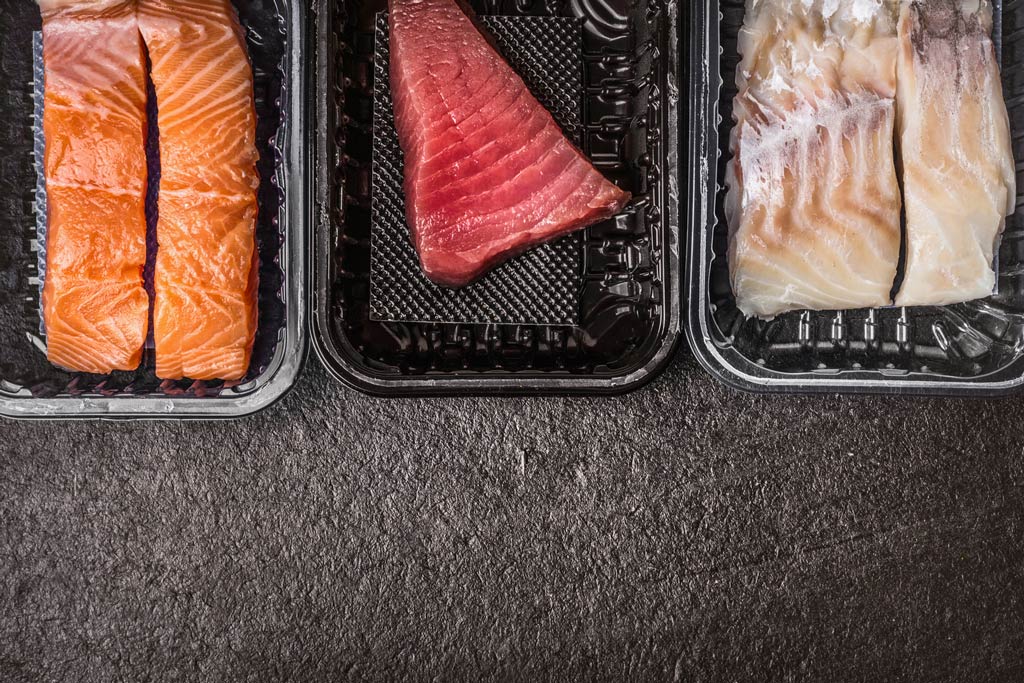
- Firm fish such as salmon and tuna hold shape well.
- Shellfish like shrimp and scallops also vacuum pack nicely.
- Avoid delicate fish that crumble easily, like flounder.
Freshness Indicators To Check
- Clear, bright eyes indicate fresh fish.
- Firm flesh that springs back on touch is ideal.
- Smell should be mild, not fishy or sour.
- Shiny skin with tight scales shows freshness.
- Look for moist, not slimy, surfaces on the fish.
Preparing Fish For Packing
Preparing your fish properly before vacuum packing is essential to keep it fresh and flavorful. This step requires attention to detail and a bit of patience, but it pays off when you open a perfectly preserved fillet later. You want to make sure the fish is clean, dry, and cut just right to maximize shelf life and quality.
Cleaning And Gutting
Start by rinsing the fish under cold water to remove any surface slime or debris. Be thorough but gentle to avoid damaging the flesh.
Next, gut the fish by making a clean incision along the belly. Remove all internal organs carefully, as leftover bits can spoil the fish quickly.
Some people overlook this, but I’ve found that even small remnants inside the cavity can cause a bad taste after freezing. Take your time to ensure the fish is completely clean.
Portioning And Drying
Cut the fish into portions that match your cooking plans. Smaller pieces freeze faster and thaw more evenly.
After cutting, pat each piece dry with paper towels. Moisture inside the vacuum bag encourages bacterial growth and ice crystals.
Have you ever opened a vacuum-sealed bag only to find soggy fish? Drying your portions well is the key to avoiding that.
Selecting Vacuum Packaging Materials
Selecting the right vacuum packaging materials is key to preserving fish freshness. The right materials protect fish from air, moisture, and freezer burn. They also keep fish flavor and texture intact for longer. Choosing proper packaging makes vacuum sealing easy and effective. Understanding the differences in materials helps pick what suits your needs best.
Vacuum Bags Vs. Rolls
Vacuum bags come pre-cut in standard sizes. They are quick and simple to use for sealing single portions. Rolls allow custom bag sizes by cutting to length. Rolls reduce waste and fit larger or oddly shaped fish. Both options are made from strong, air-tight plastic. Bags offer convenience; rolls provide flexibility.
Material Thickness And Quality
Thicker materials prevent punctures and leaks during sealing. Look for bags or rolls with a thickness of at least 3 mils (75 microns). High-quality materials resist tears and keep vacuum tight. Multi-layer films offer better protection against oxygen and moisture. Clear, odorless plastic helps inspect fish without opening the package.
Vacuum Packing Process
The vacuum packing process is key to preserving the freshness and flavor of your fish. It removes air that can cause spoilage and freezer burn, extending the shelf life significantly. Getting this process right means your fish stays delicious longer, whether you’re storing it for a few days or several months.
Setting Up The Vacuum Sealer
Begin by ensuring your vacuum sealer is clean and ready to use. Plug it in and check the manufacturer’s guidelines for any specific setup instructions. Make sure you have the right size bags or rolls designed for vacuum sealing fish.
Test the machine with an empty bag first to see how it works. This helps you avoid mistakes like incomplete seals or air pockets. Have a damp cloth nearby to wipe the sealing strip if needed, as moisture can interfere with the seal.
Placing Fish Correctly
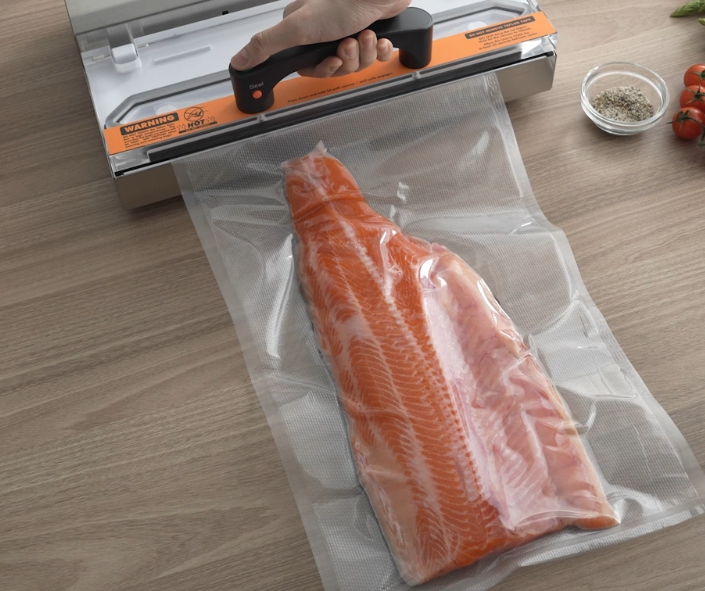
Arrange your fish pieces flat and avoid overlapping them inside the bag. Overlapping traps air and prevents a tight seal, which can lead to freezer burn. If you have fillets with skin, place the skin side down to keep the flesh intact.
For oily fish like salmon or mackerel, consider wrapping them in parchment paper before sealing. This extra layer helps control moisture and keeps the bag cleaner. Don’t forget to leave enough space at the open end of the bag for the vacuum sealer to grip and remove air effectively.
Sealing Tips For Air Removal
Before sealing, gently press the bag to push out as much air as possible manually. This step makes the vacuum sealer’s job easier and ensures a tighter seal. If your sealer has different modes, choose the one designed for moist or delicate foods.
Keep a close eye during sealing—if you notice air bubbles or wrinkles forming, stop and adjust the bag position. Sometimes sealing twice on the same edge creates a stronger, leak-proof seal. Have you ever lost a batch of fish because air sneaked in? Taking these extra steps prevents that frustration.
Storing Vacuum Packed Fish
Storing vacuum packed fish properly keeps it fresh longer and maintains flavor. The vacuum seal prevents air from spoiling the fish. Still, correct storage is key to avoid bacteria growth and preserve texture. Follow clear steps for refrigeration and freezing to enjoy fresh fish every time.
Refrigeration Guidelines
- Keep vacuum packed fish in the coldest part of the fridge.
- Maintain fridge temperature between 32°F and 38°F (0°C to 3°C).
- Use vacuum packed fish within 2 to 3 days for best freshness.
- Do not open the vacuum pack until ready to use.
- Place fish on a plate or tray to catch any leaks.
Freezing Best Practices
- Freeze vacuum packed fish at 0°F (-18°C) or lower.
- Label packages with date to track storage time.
- Use frozen fish within 3 to 6 months for best quality.
- Thaw fish slowly in the fridge, not at room temperature.
- Keep vacuum seal intact until fully thawed.

Credit: www.food-safety.com
Thawing And Using Vacuum Packed Fish
Vacuum packed fish stays fresh longer, but how you thaw and use it makes all the difference. Handling it properly preserves texture, flavor, and safety. Let’s dive into the best ways to thaw and cook your vacuum packed fish so it tastes just like fresh from the market.
Safe Thawing Methods
Thaw fish slowly to keep it safe and maintain quality. The best way is to place the vacuum packed fish in the refrigerator overnight. This gentle thaw prevents bacteria growth and keeps the fish firm.
If you’re short on time, submerge the sealed package in cold water. Change the water every 30 minutes until thawed. Avoid warm or hot water—this can spoil the fish and create a breeding ground for bacteria.
Never thaw fish by leaving it out on the counter. It might seem quicker, but it risks food poisoning. Have you ever wondered why fish at a restaurant tastes so fresh? Proper thawing is a big part of the secret.
Cooking Tips To Retain Freshness
Once thawed, cook your fish soon to keep its delicate flavor. Pat the surface dry with a paper towel to remove excess moisture. This helps achieve a better sear and prevents sogginess.
Use simple seasonings like lemon, salt, and fresh herbs to highlight the fish’s natural taste. Avoid overpowering it with heavy sauces or spices right away. You want to taste the freshness, not mask it.
Cook fish over medium heat and watch it closely. Overcooking dries it out and dulls the flavor. A good rule of thumb is to cook fish for about 3-4 minutes per side, depending on thickness.
Ever tried cooking fish straight from frozen? It’s tempting but won’t give you the same texture. Thawing properly can make your home-cooked fish just as enjoyable as dining out.
Common Mistakes To Avoid
Vacuum packing fish is a great way to keep it fresh longer. Avoiding common mistakes helps maintain quality and safety. These errors can cause spoilage or loss of flavor. Understanding what to avoid ensures your fish stays delicious and safe.
Improper Sealing
Sealing the bag poorly lets air enter. Air exposure causes freezer burn and bacteria growth. Always check the seal for gaps or wrinkles. Use the vacuum machine correctly to remove all air. A strong, airtight seal keeps the fish fresh.
Packing Wet Fish
Fish should be dry before vacuum packing. Moisture inside the bag reduces seal strength. Wet surfaces prevent the bag from sticking properly. Pat the fish dry with paper towels first. Dry fish helps create a tight, lasting seal.
Ignoring Expiry Dates
Vacuum packing does not stop spoilage completely. Fish still has a limited shelf life. Check the fish’s expiry or catch date before packing. Use or freeze the fish within recommended time frames. Ignoring dates risks eating spoiled fish.
Benefits Of Vacuum Packing Fish
Vacuum packing fish offers many benefits that help keep it fresh and tasty. This method removes air and seals the fish tightly. It protects the fish from spoilage and damage. The process locks in freshness, making fish last longer and taste better.
Extended Shelf Life
Vacuum packing slows down the growth of bacteria and mold. Without air, fish does not spoil quickly. This means fish can stay fresh in the fridge or freezer much longer. Less waste, more savings. It also helps keep the fish safe to eat.
Flavor And Texture Preservation
Vacuum sealing keeps the natural juices inside the fish. This stops fish from drying out or losing flavor. The texture stays firm and smooth, not mushy or tough. It keeps the fish tasting fresh, as if it was just caught. Perfect for cooking or eating raw.

Credit: www.youtube.com
Frequently Asked Questions
How Long Can Vacuum-packed Fish Last?
Vacuum-packed fish can last 1 to 2 weeks in the refrigerator. In the freezer, it stays fresh for 6 to 12 months. Proper sealing prevents air exposure, reducing spoilage and freezer burn.
What Type Of Fish Is Best For Vacuum Packing?
Firm, fresh fish like salmon, cod, and tuna are ideal for vacuum packing. These types hold their texture and flavor well during storage.
Can I Vacuum Pack Cooked Fish?
Yes, vacuum packing cooked fish is safe. It preserves flavor and texture, extending freshness. Cool the fish completely before sealing to avoid moisture buildup.
Do I Need Special Bags For Vacuum Packing Fish?
Yes, use BPA-free, food-grade vacuum seal bags. These bags ensure airtight sealing and prevent leaks, maintaining fish quality and safety.
Conclusion
Vacuum packing fish keeps it fresh for longer. It stops air from spoiling the fish. This method helps keep the taste and texture. Use a good vacuum sealer and fresh fish. Seal the bag tightly to avoid leaks. Store vacuum-packed fish in the freezer or fridge.
This simple step saves money and reduces waste. Try vacuum packing to enjoy fresh fish anytime. It’s an easy way to keep your fish safe. A small effort makes a big difference in quality.