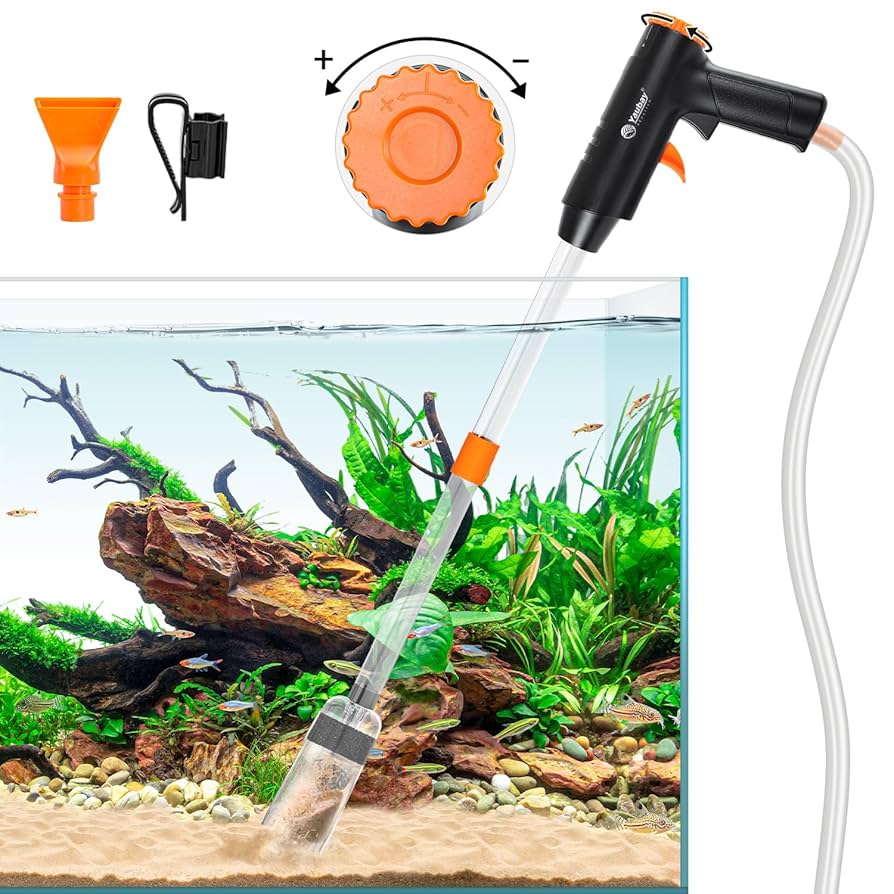
If you’ve ever tried to maintain a beautiful aquarium, you know that keeping it clean is essential for the health of your fish. But when it comes to sand substrates, things can get a bit tricky.
Sand, unlike gravel, can easily be disturbed and make your aquarium look cloudy if not handled correctly. That’s where vacuuming comes in! You might be wondering how to vacuum your sand aquarium without turning it into a murky mess. Don’t worry, it’s easier than you think, and we’re here to guide you through it.
Imagine your aquarium sparkling clean, with your fish thriving in a pristine environment. You’ll feel a sense of satisfaction every time you glance at your aquatic wonderland. Ready to learn the secrets to a clean and healthy sand aquarium? Let’s dive in!

Credit: theplecofeeder.com
Choosing The Right Vacuum
Choosing the right vacuum is key to keeping your sand aquarium clean and healthy. The right tool makes sand vacuuming easy and safe for your fish and plants. It helps remove waste without disturbing the sand bed too much. Knowing the different types and features helps in picking the best vacuum for your needs.
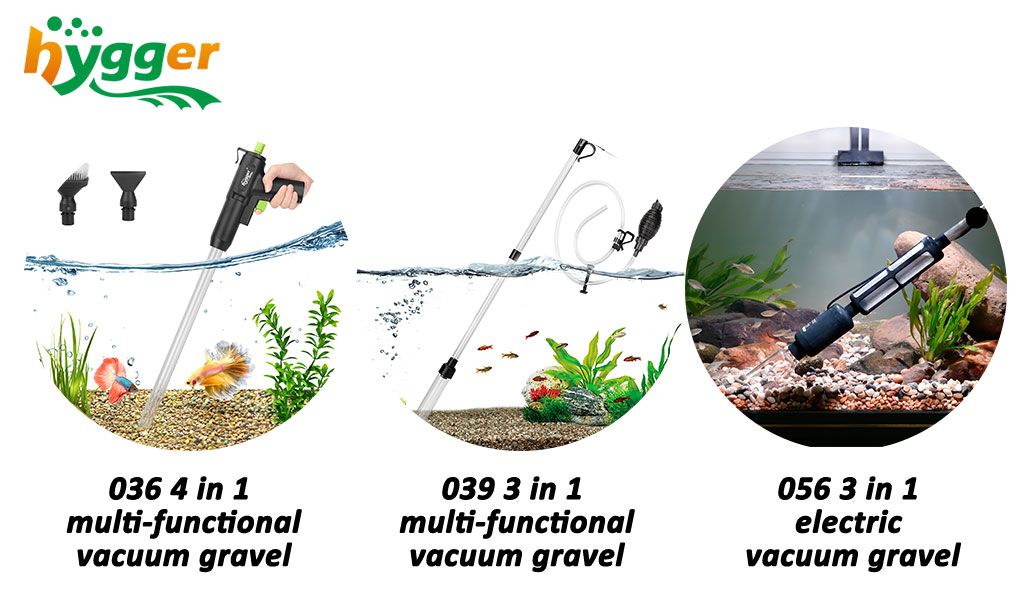
Types Of Aquarium Vacuums
- Gravel Vacuums:Designed for gravel but can work on coarse sand. They use suction to lift debris.
- Siphon Vacuums:Operate with a simple siphon action. Easy to use and affordable.
- Electric Vacuums:Use a motor to suck waste. Good for large tanks and heavy cleaning.
- Manual Bulb Vacuums:Powered by squeezing a bulb. Ideal for small tanks and light cleaning.
Features To Look For
- Adjustable Suction:Helps control how much sand moves during cleaning.
- Long Hose:Allows easy reach to all tank corners.
- Sand Guard:Prevents sand from being sucked up too fast.
- Easy to Clean:Parts that can be disassembled for cleaning.
- Durability:Made from strong materials to last long.
Budget Considerations
Vacuum prices vary based on type and features. Simple siphon vacuums cost less and work well for small tanks. Electric models are pricier but save time and effort for larger setups. Choose a vacuum that fits your budget but still meets your cleaning needs. Investing in a good vacuum avoids damage to your aquarium sand and fish.
Credit: www.hygger-online.com
Preparing Your Aquarium
Preparing your aquarium before vacuuming the sand is crucial for a smooth and safe cleaning process. Taking the time to set up properly can protect your fish and maintain the delicate balance of your aquatic environment.
Gathering Supplies
Start by collecting all the tools you will need: a gravel vacuum or siphon designed for sand substrates, a bucket for dirty water, and a water conditioner for later. Having everything within reach saves time and prevents rushing, which can stress your fish.
Consider using a siphon with adjustable flow control. This helps you avoid sucking up too much sand at once. Don’t forget a clean towel or cloth to wipe any spills and gloves if you prefer extra hygiene.
Safety Precautions
Always unplug electrical equipment before beginning to avoid shocks or damage. Water and electricity don’t mix well, so ensuring safety is your first priority.
Wear gloves if you have sensitive skin or if the water is cooler than usual. Keep your hands steady and avoid sudden movements to minimize stress on your fish.
Think about the water temperature and quality during vacuuming. Sudden changes can shock your aquatic friends, so plan to replace water with similar temperature and pH.
Temporary Fish Relocation
Some fish are sensitive to disturbance during cleaning. If your aquarium has delicate species, consider temporarily moving them to a separate container filled with water from the tank.
Make sure the temporary container is well-aerated and kept at the same temperature as your main tank. This reduces stress and keeps your fish comfortable while you work.
Have you noticed how much calmer your fish become when you prepare their temporary space carefully? It really makes a difference in maintaining their health during aquarium maintenance.
Vacuuming Techniques
Vacuuming the sand in your aquarium is key to keeping your underwater environment clean and healthy. The right vacuuming techniques help remove debris without harming beneficial bacteria or disturbing your aquatic life. Let’s look at how you can effectively vacuum your sand bed with simple, practical steps that protect your tank’s balance.
Starting The Vacuum
Begin by preparing your siphon or gravel vacuum. Submerge the vacuum tube in the tank water to fill it completely, then start the siphon either by manual suction or using a pump. Make sure you have a bucket ready to catch the dirty water.
Don’t rush this step—getting a smooth, steady flow is crucial. A shaky start can scatter sand and stress your fish. Have you noticed how a gentle start creates less disturbance? That’s exactly the effect you want.
Cleaning The Sand Bed
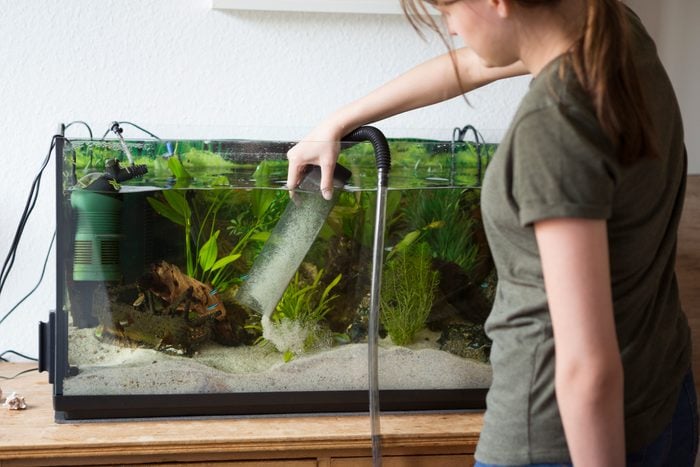
Hold the vacuum just above the sand surface to avoid sucking up too much substrate. Slowly move it across the sand in short bursts, letting the vacuum pull up debris and waste.
Focus on areas where waste tends to accumulate, like near filters or decorations. The goal is to lift dirt without removing large amounts of sand. Watching the water clarity improve as you clean is incredibly satisfying and proves your technique is working.
Avoiding Disturbance
Keep your movements slow and steady to minimize clouding the water. Avoid plunging the vacuum deep into the sand, as this can disrupt beneficial bacteria and stress your fish.
Consider cleaning smaller sections of the tank each week instead of the whole sand bed at once. This approach maintains biological balance and keeps your tank’s ecosystem stable. How often you vacuum can directly affect the health of your aquarium—are you paying enough attention to this?
Credit: www.familyhandyman.com
Post-vacuum Care
After vacuuming the sand in your aquarium, proper care helps keep the environment healthy. This stage ensures your fish and plants stay safe. Follow simple steps to maintain water quality and equipment.
Refilling The Tank
Use water that matches the tank’s temperature and chemistry. Slowly add water to avoid disturbing the sand again. Pour gently along the tank’s side or use a container to reduce splashing. This prevents stress for fish and keeps sand settled.
Monitoring Water Quality
Check water parameters daily for the first few days. Test for ammonia, nitrites, and nitrates using a water test kit. Watch for any sudden changes in pH or clarity. Clear water and stable readings mean the tank is recovering well.
Maintaining Equipment
Clean filters and hoses after vacuuming to remove trapped debris. Inspect the vacuum device for wear or clogs. Ensure all equipment runs smoothly to keep the tank clean. Regular maintenance extends the life of your aquarium tools.
Tips For Regular Maintenance
Regular maintenance keeps your sand aquarium healthy and clear. It helps avoid common problems like debris buildup and poor water quality. Following simple tips can save time and protect fish and plants.
Scheduling Cleanings
Set a routine for vacuuming your sand aquarium. Weekly or biweekly cleanings work well for most tanks. This prevents too much waste from settling in the sand. Stick to the schedule to keep the environment stable.
Preventing Sand Build-up
Remove leftover food and waste daily with a small net or siphon. Avoid overfeeding to reduce debris. Stir the sand gently during vacuuming to loosen trapped dirt. This stops thick layers of waste from forming.
Balancing Aquarium Ecosystem
Maintain proper water parameters to support beneficial bacteria. Use live plants to absorb excess nutrients naturally. Add clean water carefully after vacuuming to avoid stress on fish. Balance helps keep the sand clean longer and fish healthy.
Frequently Asked Questions
How Often Should I Vacuum Sand In My Aquarium?
Vacuum your aquarium sand every 2 to 4 weeks. This keeps debris and waste from building up. Regular cleaning maintains a healthy environment for fish and plants.
Can I Use A Regular Gravel Vacuum For Sand?
Yes, but use a vacuum with adjustable suction. Sand is finer and can be sucked up easily. Lower suction prevents disturbing the sand and harming beneficial bacteria.
What Is The Best Technique To Vacuum Sand Safely?
Use a siphon with gentle, slow movements. Avoid stirring the sand too much to prevent cloudiness. Focus on removing debris without disturbing the sand layer.
Does Vacuuming Sand Affect Beneficial Bacteria?
Proper vacuuming removes debris but leaves bacteria intact. Avoid deep cleaning that disturbs the entire sand bed. Beneficial bacteria live mainly in the substrate and filter media.
Conclusion
Vacuuming sand in your aquarium keeps the tank clean and fish healthy. Use a gentle touch to avoid disturbing the sand too much. Regular cleaning removes debris and prevents harmful buildup. Take your time and clean small areas each session.
Clear water and a neat tank create a better home for your fish. Keep practicing these steps to maintain a beautiful, healthy aquarium. Simple care makes a big difference in your fish’s life.