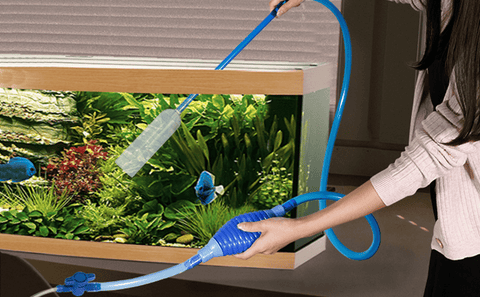
If you have sand in your aquarium, keeping it clean can feel tricky. You might wonder how to remove debris without losing the beautiful sand or harming your fish.
Luckily, vacuuming sand is easier than you think, and doing it right will keep your tank healthy and sparkling. You’ll discover simple steps and smart tips to vacuum sand safely and effectively. Stick with me, and your aquarium will look fresh and inviting every time.
Choosing The Right Vacuum
Choosing the right vacuum for cleaning sand in your aquarium can make a huge difference in how effectively you maintain your tank. Not all vacuums are suited for delicate substrates like sand, so selecting one that fits your specific needs is essential. Have you ever tried to clean sand with a vacuum meant for gravel? It usually ends in frustration and a messy tank.
Types Of Aquarium Vacuums
There are several types of aquarium vacuums available, each designed for different cleaning styles and tank sizes.
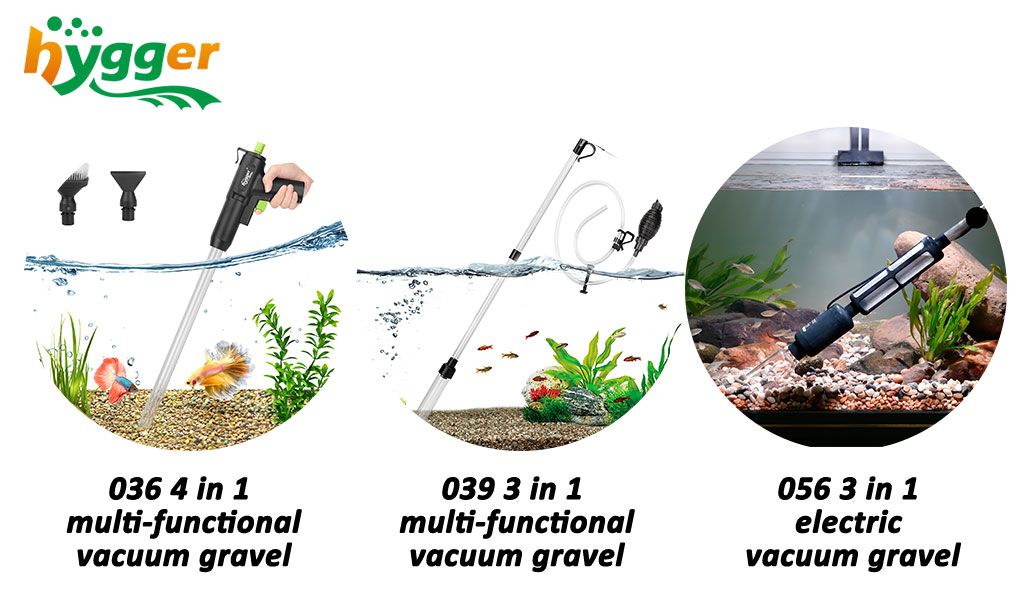
- Siphon Vacuums:These rely on gravity to create suction. They are simple and affordable, perfect for small to medium tanks. You control the flow by adjusting the siphon.
- Electric Gravel Vacuums:These use a motor to suck debris and water. They are more powerful and faster but can be harsher on delicate sand beds.
- Handheld Battery-Powered Vacuums:Portable and easy to use, these are great for spot cleaning. They offer moderate suction and are gentle on the substrate.
Choosing between these depends on your tank size, how often you clean, and how gentle you need the vacuum to be.
Features To Consider
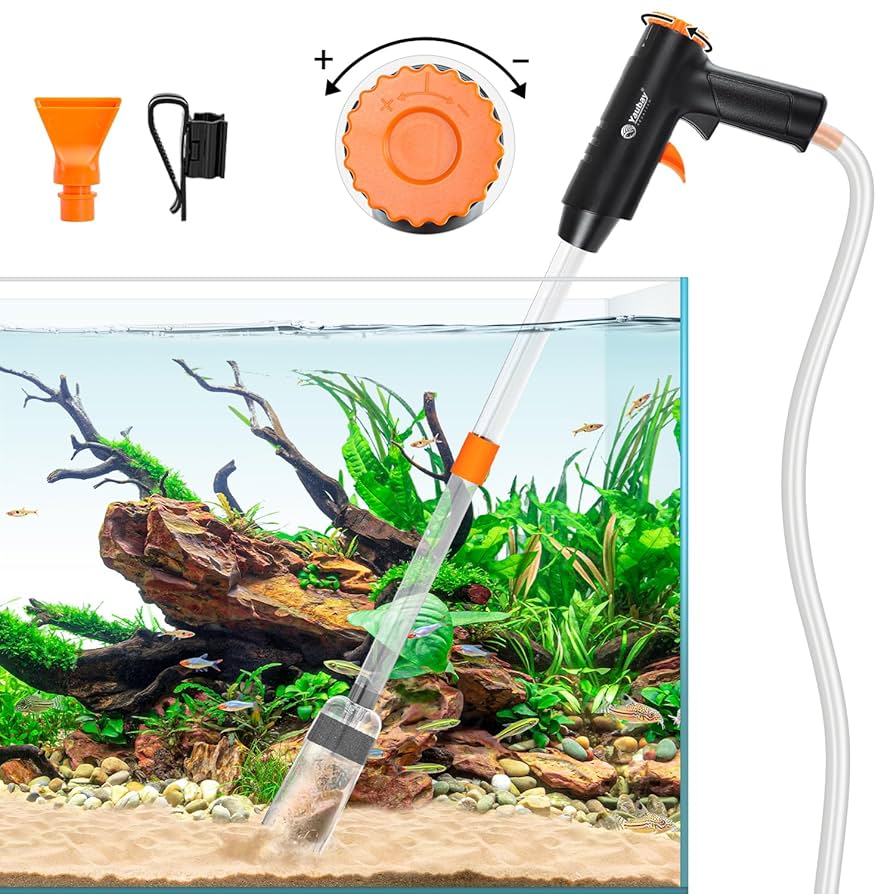
Look for vacuums with adjustable suction power. This allows you to clean without disturbing the sand too much. A vacuum that is too strong will suck up sand along with the debris.
Also, check if the vacuum has a wide, flat intake tube. This helps prevent the sand from being sucked in while still removing waste. A transparent tube is a bonus so you can see how much debris you’re removing.
Ease of use matters a lot. Consider how easy it is to assemble, clean, and store the vacuum. You don’t want a tool that becomes a hassle every time you need it.
Have you noticed how much easier cleaning feels when your tools fit your routine and tank perfectly? Choosing the right vacuum means less stress and a healthier aquarium.
Credit: www.amazon.com
Preparing Your Aquarium
Preparing your aquarium before vacuuming the sand is essential for a clean and healthy environment. It helps protect your fish and plants from stress. Proper preparation also makes the cleaning process easier and more effective.
Gathering Supplies
Collect all necessary tools before starting. This prevents interruptions during cleaning. You will need:
- A gravel vacuum or siphon
- A bucket for dirty water
- A water conditioner
- Clean towels or cloths for spills
- Optional: a net to catch fish if needed
Having these items ready saves time and keeps the process smooth.
Adjusting Tank Conditions
Check water temperature and quality before vacuuming. Aim to keep temperature stable to avoid shocking fish. Turn off aquarium filters and heaters temporarily to prevent damage.
Lower water flow helps sand settle and makes vacuuming easier. Plan to do a partial water change after cleaning. This maintains water quality and removes debris stirred up during vacuuming.
Step-by-step Vacuuming Process
Vacuuming sand in your aquarium is essential for maintaining a clean and healthy environment for your fish. The process may seem daunting at first, but breaking it down into manageable steps can make it straightforward and even enjoyable. Let’s walk through the vacuuming process to help you keep your tank spotless without stressing your aquatic friends.
Starting The Vacuum
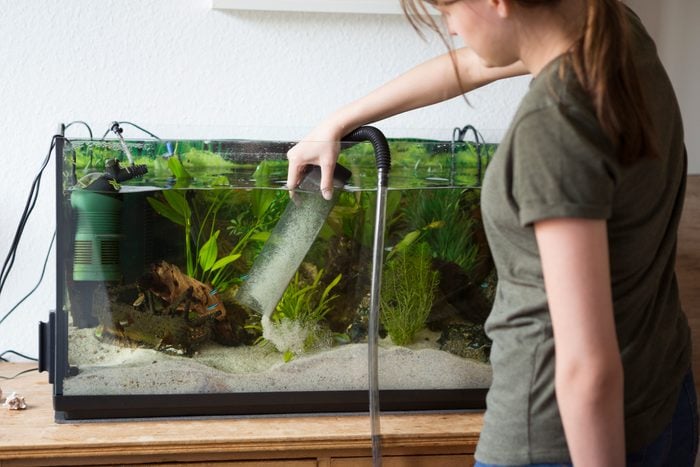
Begin by assembling your gravel vacuum and placing a bucket nearby to collect the debris. Submerge the vacuum tube in the aquarium water to fill it completely, avoiding air pockets that can disrupt suction.
Next, start the siphon by either squeezing the tube or using a manual pump if your vacuum has one. Once the water starts flowing, move the vacuum gently into the sand bed, allowing the suction to pull up dirt and waste.
Cleaning Sand Without Disturbing Fish
Fish can get stressed when their environment is disrupted, so vacuum carefully around them. Focus on small sections at a time to avoid stirring up too much debris all at once.
Move slowly and keep an eye on your fish’s behavior. If they appear overly disturbed, pause and let the water settle before continuing. This approach keeps your aquatic pets comfortable while cleaning effectively.
Handling Difficult Areas
Some spots, like corners or around plants, can be tricky to clean. Use the vacuum’s narrow end or detach parts to reach tight spaces without uprooting plants or disturbing decorations.
If debris is stubborn, try lifting the sand slightly to loosen it before vacuuming. Patience here pays off—rushing can cause more mess and stress for your fish.
Credit: www.familyhandyman.com
Maintaining Sand Quality
Maintaining sand quality in your aquarium is essential for a healthy environment and the well-being of your aquatic life. Proper care ensures the sand remains clean and functional without disrupting the tank’s balance. Let’s focus on practical ways to keep your sand in top shape while vacuuming.
Avoiding Sand Loss
Sand can easily get sucked up during vacuuming if you’re not careful. To prevent this, use a gravel vacuum with adjustable suction or one designed specifically for sand substrates. Start with gentle, slow movements close to the surface rather than plunging the vacuum deep.
Another useful trick is to angle the vacuum tube slightly to scoop debris without disturbing the entire sand bed. Have you noticed how a sudden rush of water can send sand swirling? Controlling flow helps keep your substrate in place.
Preventing Cloudiness
Cloudy water often results from disturbing the sand too much during cleaning. To minimize this, vacuum in small sections and avoid stirring up the entire substrate at once. Patience here pays off with clearer water and less stress for your fish.
Rinse the vacuum tube regularly outside the tank to clear any trapped debris that might be reintroduced. Also, consider using a fine mesh filter on your vacuum to catch finer particles before they float back into the water.
Post-vacuum Care
After vacuuming the sand in your aquarium, the job isn’t quite done. Post-vacuum care is essential to keep your aquatic environment stable and healthy. Taking a few thoughtful steps now can prevent stress to your fish and maintain water clarity for days to come.
Water Replacement Tips
Vacuuming stirs up debris and disturbs beneficial bacteria in the substrate. It’s important to replace the water you removed with fresh, dechlorinated water that matches the tank’s temperature. Sudden changes in water temperature or chemistry can shock your fish.
Here are some practical tips to help you manage water replacement effectively:
- Use a thermometer to match the new water’s temperature closely to the tank’s current temperature.
- Always treat tap water with a water conditioner to remove chlorine and chloramine before adding it back.
- Pour the new water gently onto a plate or rock to avoid disturbing the sand or plants.
- Replace only about 20-30% of the water at a time to keep water parameters stable.
Monitoring Tank Health
After cleaning, your aquarium needs close monitoring. Watch your fish for signs of stress such as erratic swimming, hiding, or loss of appetite. These behaviors can indicate that water quality has changed.
Keep an eye on water parameters using test kits. Measure ammonia, nitrite, nitrate, and pH levels daily for a week after vacuuming. Any spikes in ammonia or nitrite suggest that beneficial bacteria have been disrupted and need time to recover.
Consider adding live plants or beneficial bacteria supplements if you notice prolonged water quality issues. Have you noticed your fish acting differently after cleaning? Tracking these changes helps you respond quickly and protect your aquatic pets.
Common Mistakes To Avoid
Vacuuming sand in your aquarium is essential for maintaining a healthy environment, but it’s easy to slip up. Avoiding common mistakes can save you time, protect your aquatic life, and keep your tank looking pristine. Let’s take a closer look at some pitfalls to watch out for.
Over-vacuuming
Many hobbyists get carried away and vacuum the sand bed too aggressively or too often. This can disturb beneficial bacteria and release trapped toxins back into the water. Have you noticed your fish acting stressed or your water parameters fluctuating after cleaning?
Try to vacuum only the surface layer where debris accumulates. Deep cleaning too frequently can damage the natural balance of your tank’s ecosystem. A gentle, less frequent approach helps maintain healthy sand and water quality.
Using Incorrect Equipment
Using the wrong vacuum tools can make the job harder and harm your aquarium. A vacuum that’s too powerful might suck up sand along with debris, while one that’s too weak won’t clean effectively. Have you checked if your vacuum is designed specifically for sand substrates?
Choose a vacuum with adjustable suction and a wide tube to avoid sucking up sand. If you have fine sand, a vacuum with a gentle flow setting works best. Investing in the right equipment ensures you clean efficiently without damaging your tank.
Credit: www.hygger-online.com
Frequently Asked Questions
How Often Should I Vacuum Sand In My Aquarium?
Vacuuming sand in your aquarium depends on the tank’s bio-load. Generally, every 1-2 weeks is ideal. Regular maintenance helps prevent algae buildup and keeps water clear. Monitor your tank’s condition and adjust the frequency as needed. Consistent cleaning ensures a healthy environment for aquatic life.
What Tools Are Best For Vacuuming Aquarium Sand?
Use a gravel vacuum or siphon designed for aquariums. These tools efficiently remove debris without disturbing the sand bed. Choose one with adjustable flow to match your tank size. Battery-operated vacuums offer convenience and ease for quick clean-ups. Ensure the tool is aquarium-safe and suitable for sand substrates.
Can Vacuuming Sand Harm My Aquarium Fish?
Vacuuming sand carefully won’t harm your fish. Move slowly and avoid sudden movements to prevent stress. Ensure the vacuum’s flow isn’t too strong, especially for small fish. Observe your fish during cleaning to ensure they’re not distressed. Proper technique ensures a safe and clean environment for your fish.
Why Is Vacuuming Sand Important In Aquariums?
Vacuuming sand removes uneaten food, waste, and debris, maintaining water quality. It prevents harmful bacteria buildup and reduces algae growth. Regular cleaning supports healthy aquatic life and prevents disease. A clean substrate enhances the tank’s appearance and provides a safe habitat for fish and plants.
Conclusion
Vacuuming sand in your aquarium keeps it clean and healthy. Regular cleaning removes waste and prevents harmful buildup. Use a gentle vacuum to protect small fish and plants. Take your time and clean a little each session. This helps avoid disturbing the tank too much.
Clean sand means clearer water and happier fish. Keep your aquarium fresh by vacuuming sand often. Simple steps make a big difference in tank care. Your fish will thank you with better health and energy.