Are you tired of dealing with messy spills and spoiled food when trying to store liquids? Imagine if you could extend the shelf life of your soups, sauces, and marinades with just a simple technique.
Enter the world of vacuum sealing with Foodsaver. This game-changing method not only keeps your liquids fresh but also locks in their flavor, making meal prep a breeze. You might be wondering, how exactly does one vacuum seal liquids without creating a mess?
Dive into this guide to discover the secrets of mastering this skill with ease and precision. Unveil the potential of your Foodsaver and transform the way you store your favorite liquid-based foods. Ready to revolutionize your kitchen storage? Let’s get started!
Credit: business.walmart.com
Choosing The Right Bags
Choosing the right vacuum seal bags ensures a strong seal and protects your liquids well. Different bags offer various features suited for liquids and solid foods. Picking the correct type keeps your food fresh and prevents leaks. Consider the material, size, and thickness for the best results.
Types Of Vacuum Seal Bags
Vacuum seal bags come in a few common types. Standard bags work well for dry and solid foods. Textured bags have small bumps that help air escape. Multi-layer bags provide extra protection against moisture and odors. Each type serves a unique purpose in food storage.
Size And Thickness Considerations
Choosing the right size prevents waste and ensures a good seal. Bags that are too large can cause air pockets. Thick bags resist punctures and tears from sharp food edges. Thicker bags also handle liquids better, reducing the risk of leaks during sealing.
Bags Designed For Liquids
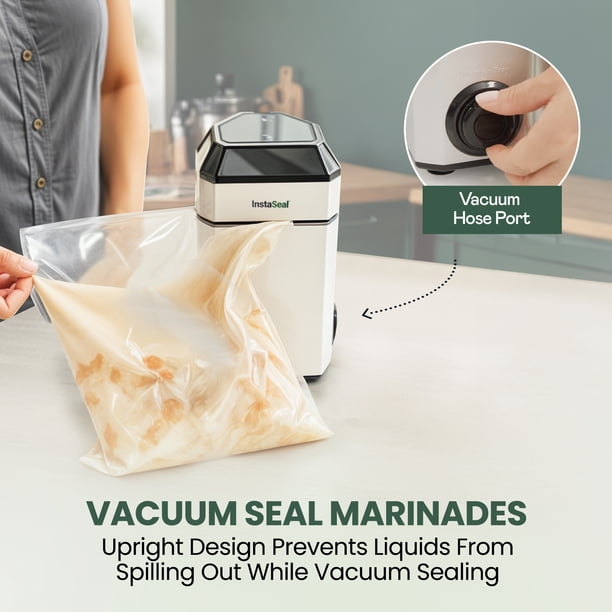
Bags designed for liquids include special features to prevent spills. These bags often have a stronger seal area. Some have a textured surface to help remove air faster. Using liquid-specific bags reduces mess and keeps your vacuum sealer working smoothly.
Preparing Liquids For Sealing
Preparing liquids for sealing with a FoodSaver requires careful steps. Liquids need special handling to avoid leaks and ensure a strong seal. Proper preparation helps keep your food fresh and your vacuum sealer working well.
Chilling Liquids Before Sealing
Always chill liquids before sealing. Cold liquids are thicker and less likely to spill. Cooling also helps prevent steam from forming inside the bag. Place liquids in the fridge for a few hours until cold but not frozen.
Using Containers And Pouches
Use containers designed for vacuum sealing when possible. These hold liquids safely during the sealing process. If using pouches, fill them carefully and leave space at the top. Avoid overfilling to ensure a proper seal.
Avoiding Spills And Messes
Place a folded paper towel inside the pouch to catch drips. Seal the pouch slowly to control liquid movement. Keep the sealing area clean and dry. Work over a sink or tray to catch spills easily.
Sealing Techniques For Liquids
Vacuum sealing liquids requires careful handling to prevent spills and ensure a tight seal. The Foodsaver system offers features that help secure liquids safely inside the bag. Using the right sealing techniques keeps liquids fresh and avoids mess during storage or freezing. This section covers practical tips for sealing liquids effectively.
Manual Sealing Tips
Pause the vacuum process before the liquid reaches the seal area. This stops liquids from being sucked into the machine. Remove the bag and wipe the sealing edge dry. Then, place the bag back for sealing. Use a clip or rubber band to hold the bag upright if needed. This prevents liquid from flowing near the seal.
Using The Pulse Or Moist Setting
The Pulse or Moist setting controls suction strength and sealing time. Use this setting for soups, sauces, or marinated foods. Pulse mode lets you stop vacuuming manually before liquid escapes. The Moist setting increases sealing time for better bond on wet bags. Both settings help protect the machine and ensure a strong seal.
Double Sealing For Extra Security
Create a backup seal by sealing the bag twice. This adds extra protection against leaks. Wait a few seconds between seals to let the first seal cool and set. Double sealing is useful for storing liquids long-term or freezing. It keeps the bag airtight and prevents liquid from escaping.

Credit: www.youtube.com
Handling Soups, Sauces, And Broths
Vacuum sealing liquids like soups, sauces, and broths requires special care to avoid mess and preserve freshness. These liquids can spill or get sucked into the vacuum sealer if not handled properly. Using a FoodSaver to seal liquids works best with the right preparation. Proper steps help keep your kitchen clean and your food safe.
Pre-freezing Liquids
Pour the liquid into a freezer-safe container or bag. Freeze it until solid, usually 4 to 6 hours. Solid liquids are easier to vacuum seal. They prevent the liquid from being drawn into the machine. Once frozen, place the solid block into a FoodSaver bag. Seal the bag carefully without wrinkles or air pockets.
Portioning For Easy Storage
Divide soups and sauces into smaller portions before freezing. Use containers or bags that fit your typical serving size. This saves space and makes thawing faster. Smaller portions reduce waste and help control meal sizes. Label each portion clearly before sealing to avoid confusion later.
Labeling And Dating Sealed Bags
Use a permanent marker to write the contents on the bag. Include the date of sealing for easy tracking. Proper labeling helps identify flavors and freshness quickly. Write on a flat part of the bag for clear visibility. This step keeps your freezer organized and reduces food waste.
Common Mistakes To Avoid
Vacuum sealing liquids with a FoodSaver can be tricky. Mistakes can cause leaks or poor seals. Avoiding these errors helps keep your food fresh and mess-free. Here are common mistakes to watch out for.
Overfilling Bags
Too much liquid in the bag can spill during sealing. It blocks the vacuum and prevents a tight seal. Leave enough space at the top of the bag. This space allows air to be removed and the bag to seal properly.
Sealing Warm Liquids
Sealing hot liquids can create steam inside the bag. Steam makes the vacuum process difficult and weakens the seal. Let liquids cool before sealing. Cooler liquids reduce moisture and improve sealing quality.
Ignoring Bag Placement
Placing the bag incorrectly can cause sealing failure. Make sure the open end lies flat in the vacuum channel. Wrinkles or folds stop the machine from sealing correctly. Smooth the bag for a clean, strong seal every time.
Cleaning And Maintenance Tips
Keeping your FoodSaver vacuum sealer clean and well-maintained ensures it works smoothly. Regular care prevents damage and extends the machine’s life. Simple steps after each use help avoid clogs and bad smells. Follow these tips to keep your vacuum sealer ready for the next sealing task.
Cleaning The Vacuum Sealer After Use
Unplug the machine before cleaning. Wipe the outside with a damp cloth. Avoid using harsh chemicals or soaking the unit. Remove and clean the drip tray if your model has one. Use warm, soapy water and dry it completely. Clean the sealing area gently to remove food residue. This keeps the machine hygienic and prevents leaks.
Maintaining Seal Bars And Gaskets
Check the seal bars for sticky residue after every use. Wipe them with a soft cloth and warm water. Avoid scratching or bending the seal bars. Inspect the gaskets for cracks or wear. Replace gaskets if they lose flexibility or cause poor seals. Proper care ensures airtight sealing and consistent performance.
Storage Tips For Longevity
Store the vacuum sealer in a dry, cool place. Keep it away from direct sunlight and moisture. Ensure the lid is slightly open to protect gaskets. Avoid placing heavy items on top of the unit. Use the original box or a dust cover for protection. Proper storage helps maintain the machine’s shape and function.

Credit: ohsnapletseat.com
Frequently Asked Questions
How Do You Vacuum Seal Liquids With A Foodsaver?
To vacuum seal liquids, first freeze the liquid in a container or ice cube tray. Then, place the frozen liquid in a FoodSaver bag and vacuum seal it. This prevents liquid from being sucked into the machine during sealing.
Can I Vacuum Seal Hot Liquids Using Foodsaver?
No, avoid sealing hot liquids directly. Let the liquid cool and partially freeze before vacuum sealing. This prevents damage to the vacuum sealer and ensures a tight seal.
What Are The Best Foods To Vacuum Seal With Liquids?
Soups, sauces, marinades, and stews work well when frozen before vacuum sealing. Liquids should be solid or semi-solid to avoid spills and ensure proper sealing.
How Do I Prevent Liquids From Ruining My Foodsaver Machine?
Freeze liquids before sealing to keep them solid. Use a barrier like a paper towel at the bag’s opening to absorb any moisture. This protects the vacuum sealer from liquid damage.
Conclusion
Vacuum sealing liquids with a FoodSaver keeps food fresh longer. It prevents spills and freezer burn effectively. Seal liquids carefully by following the right steps. Use the right bags and avoid overfilling them. This method saves time and reduces food waste.
You can store soups, sauces, and marinades safely. Practice makes perfect, so try a few times. Enjoy fresher meals and less mess in your kitchen. Simple steps lead to better food storage every day.