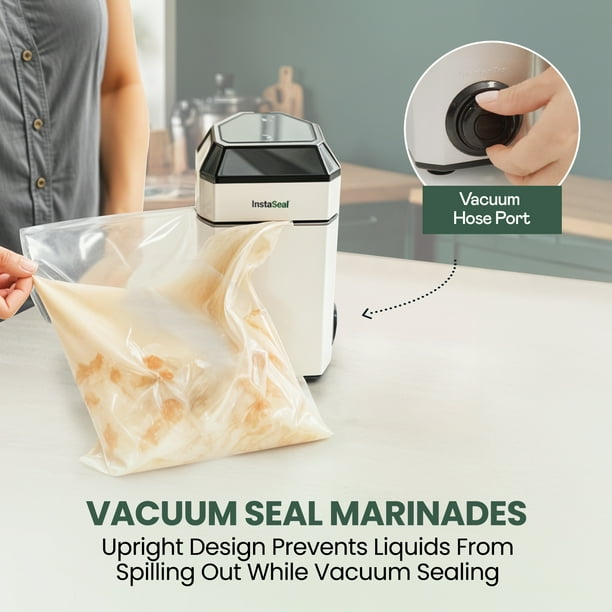
Ever opened your fridge only to find your favorite soup or homemade sauce spoiled before you got a chance to enjoy it? If you have, you’re not alone.
Many people struggle with storing liquids effectively. But what if there was a simple method to extend their freshness and flavor? Imagine preserving those precious liquids longer without sacrificing taste or quality. The answer lies in vacuum sealing. By learning how to vacuum seal liquids, you can save money, reduce waste, and enjoy your favorite recipes anytime.
Dive into this guide to discover the secrets of vacuum sealing liquids and transform how you store your culinary creations. Your kitchen, your rules. Let’s get started!
Choosing The Right Vacuum Sealer
Choosing the right vacuum sealer is key for sealing liquids effectively. Not all vacuum sealers handle liquids well. Some models are better suited for dry foods only. Selecting the right one helps prevent messes and keeps your liquids fresh longer. Understanding the types and features of vacuum sealers will guide your choice.
Types Of Vacuum Sealers
- External Vacuum Sealers:Most common and affordable. They work well with dry foods but may struggle with liquids.
- Chamber Vacuum Sealers:Ideal for liquids. The whole bag goes inside a sealed chamber, allowing better control of sealing.
- Handheld Vacuum Sealers:Portable and simple. Best for small tasks but not great for sealing liquids.
Features For Sealing Liquids
- Adjustable Vacuum Pressure:Helps avoid sucking liquids into the machine.
- Seal Only Mode:Allows sealing without vacuum, useful for delicate liquids.
- Double Seal:Provides extra security to prevent leaks.
- Liquid Detection:Some models pause vacuuming when liquids are near the seal area.

Credit: www.youtube.com
Preparing Liquids For Sealing
Preparing liquids for vacuum sealing requires careful steps to avoid spills and maintain freshness. Liquids need special handling to ensure the vacuum process works well. Proper preparation keeps the seal tight and prevents damage to the vacuum sealer.
Cooling Liquids Before Sealing
Hot liquids can create steam and pressure inside the bag. This may break the seal or cause leaks. Let liquids cool to room temperature before sealing. Cooling reduces moisture and helps the vacuum work better.
Place liquids in the fridge for a few hours. Avoid sealing warm or hot soups, sauces, or drinks directly. Cold liquids are safer and easier to seal tightly.
Using Containers And Bags
Use containers designed for vacuum sealing to hold liquids. These containers stop liquids from spilling during sealing. Choose vacuum bags made for liquids or double-bag for extra protection.
- Fill bags only halfway to leave room for sealing.
- Use a heat-resistant container if liquids are warm.
- Seal bags slowly to avoid sucking up liquid.
Some vacuum sealers have special settings for liquids. Use those if available. Containers and bags help keep liquids safe and the seal tight for longer storage.
Techniques For Sealing Liquids
Sealing liquids requires special care to prevent spills and maintain freshness. Using the right techniques helps create a strong vacuum seal without damaging the bag or causing leaks. These methods focus on controlling suction and adding layers of security for the best results.
Using The Pulse Or Manual Mode
Many vacuum sealers have a pulse or manual mode. This setting lets you control how much air is removed. It prevents liquids from being sucked out of the bag during sealing.
Start by placing the liquid in the bag and leaving space at the top. Use short bursts with the pulse mode to remove air slowly. Stop before the liquid reaches the opening. This careful suction keeps the liquid inside and avoids mess.
Once air is removed, the sealer will close the bag tightly. This method is ideal for soups, sauces, and juices.
Double Sealing For Extra Protection
Double sealing means sealing the bag twice at the opening. This creates an extra barrier to stop leaks and keep air out. It adds strength to the seal, especially for liquids that may expand or move during storage.
After the first seal, leave a small gap and seal again just above it. The two seals work together to protect the contents better. This technique helps keep liquids fresh longer and avoids spills in the fridge or freezer.
Avoiding Common Mistakes
Vacuum sealing liquids can save space and keep food fresh longer. Mistakes during the process can cause leaks or damage the vacuum sealer. Avoiding these common errors helps achieve perfect results every time.
Preventing Liquid Suck-back
Liquid suck-back happens when the vacuum pulls liquid into the machine. It can ruin the sealer and cause a mess. To stop this, freeze liquids before sealing. Solid liquids do not get sucked into the machine.
Another way is to leave some space in the bag. Do not fill it to the top. This extra room prevents liquids from reaching the seal area.
Handling Delicate Liquids
Delicate liquids like soups or sauces need gentle treatment. Use a chamber vacuum sealer if possible. It handles liquids better than external sealers.
For other sealers, try using a double-bag method. Place the liquid in one bag, then put that bag inside another. This protects the liquid and stops leaks.
Storing Vacuum-sealed Liquids
Storing vacuum-sealed liquids properly ensures you maintain their freshness and prevent spills or spoilage. The way you store these liquids affects their texture, flavor, and safety over time. Understanding the best storage methods helps you get the most out of your vacuum-sealed foods.
Freezing Vs Refrigeration
Freezing vacuum-sealed liquids locks in freshness for longer periods. It’s perfect for soups, sauces, and broths you won’t use right away. Remember, liquids expand when frozen, so leave some space in the bag to avoid bursting.
Refrigeration suits liquids you plan to consume within a few days. It keeps juices, milk, and homemade dressings cool and ready without the texture changes freezing can cause. Always keep vacuum-sealed liquids upright in the fridge to prevent leaks.
Shelf Life Of Sealed Liquids
Vacuum sealing can extend the shelf life of liquids significantly by reducing exposure to air and bacteria. For refrigerated liquids, expect a lifespan of up to 7-10 days, depending on the type of liquid. Frozen vacuum-sealed liquids can last for 6 months or more without losing quality.
Check for any changes in smell or appearance before using stored liquids. Even with vacuum sealing, some liquids may spoil faster if not handled properly before sealing. How long do you usually keep your liquids sealed before using them?

Credit: avidarmor.com
Troubleshooting Sealing Issues
Vacuum sealing liquids can be tricky, especially when the seal doesn’t hold properly. You might notice leaks or incomplete seals that ruin your efforts. Understanding common sealing issues and how to fix them helps you save time and avoid wasting food or supplies.
Dealing With Seal Failures
Seal failures often happen because of moisture or liquid near the sealing strip. Make sure to wipe the bag’s edge dry before sealing to prevent weak seals. If you’re sealing hot liquids, let them cool slightly to reduce steam, which can interfere with the vacuum process.
Are you using the right type of bag? Some vacuum bags are designed specifically for liquids or moist foods. Using an ordinary bag might cause the seal to fail more often. Try switching to a thicker or liquid-safe bag to improve results.
Sometimes, the sealing strip itself might be dirty or damaged. Check for any crumbs, residue, or scratches on the sealing bar. Cleaning it or replacing the sealing strip can fix persistent issues.
Cleaning And Maintenance Tips
Keeping your vacuum sealer clean is key to consistent performance. After each use, wipe down the sealing area with a damp cloth to remove any food particles or liquid residue. Avoid using harsh chemicals that could damage the sealing strip.
Inspect the rubber gasket regularly. A worn or cracked gasket can cause air leaks, preventing a proper vacuum. Replacing the gasket is often inexpensive and can save you from repeated seal failures.
Have you noticed your vacuum sealer getting noisier or slower? That might signal clogged air channels or a need for internal cleaning. Check your user manual for guidance on cleaning internal parts safely—sometimes a small adjustment or cleaning can make a big difference.
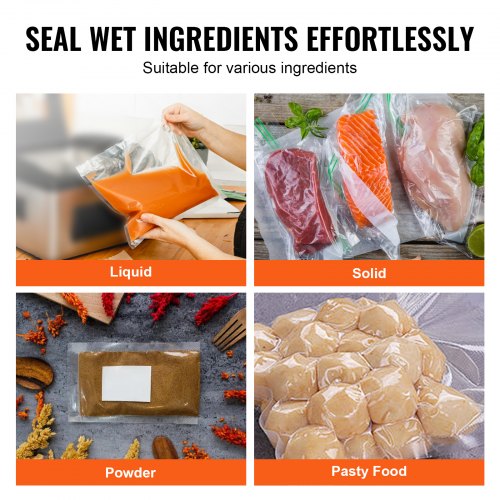
Credit: www.vevor.com
Frequently Asked Questions
How Do You Vacuum Seal Liquids Without Spills?
To vacuum seal liquids without spills, pre-freeze the liquid in a flat layer. Then, use the vacuum sealer quickly. This prevents the liquid from being sucked into the machine, ensuring a clean seal and no mess.
Can I Vacuum Seal Hot Liquids Safely?
No, avoid vacuum sealing hot liquids directly. Hot liquids can create steam and damage the sealer. Let liquids cool to room temperature or freeze them before vacuum sealing for safety.
What Bags Work Best For Vacuum Sealing Liquids?
Use high-quality, BPA-free vacuum sealer bags designed for liquids. These bags are thicker and prevent leaks. Avoid thin or porous bags to ensure a secure, airtight seal and preserve liquid freshness.
How Long Can Vacuum Sealed Liquids Last?
Vacuum sealed liquids can last 1 to 3 years in the freezer. Proper sealing and freezing slow spoilage and freezer burn. Always label bags with dates to track storage time.
Conclusion
Vacuum sealing liquids keeps them fresh and saves space. It stops spills and protects food from air and moisture. Using the right bags and careful sealing is important. Quick freezing liquids before sealing helps prevent messes. Practice makes sealing liquids easier and less messy.
Try these tips to store liquids safely and longer. Keep your food fresh and organized with vacuum sealing. It’s a smart way to reduce waste and save money. Give it a try and see the difference yourself.