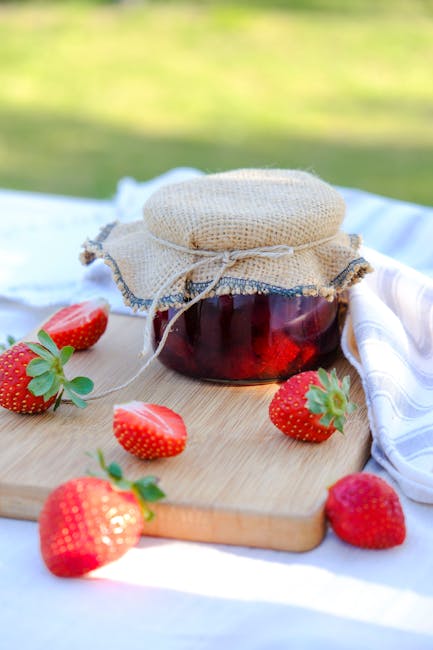
Imagine enjoying fresh strawberries long after their season has passed. Sounds like a dream, right?
Well, with the magic of vacuum sealing, this dream becomes reality. By vacuum sealing strawberries, you can preserve their vibrant color, juicy flavor, and essential nutrients for months. If you’re tired of tossing out spoiled berries or simply want to savor their sweetness year-round, you’ve come to the right place.
In this guide, you’ll discover the simple steps to effectively vacuum seal strawberries, ensuring that each bite is as delightful as the day they were picked. Ready to unlock the secret to fresher, longer-lasting berries? Let’s dive in!
Why Vacuum Seal Strawberries
Vacuum sealing strawberries is more than just a neat kitchen trick. It’s a smart way to keep your berries fresh and delicious longer than usual. If you’ve ever bought a big batch only to see them spoil quickly, you’ll appreciate how vacuum sealing changes the game.
Benefits Of Vacuum Sealing
Vacuum sealing removes the air around your strawberries, which slows down the growth of mold and bacteria. This means you waste less fruit and save money. Plus, it’s a space saver—vacuum-sealed bags take up less room in your fridge or freezer compared to traditional containers.
You might not realize how much air affects freshness until you try vacuum sealing. Have you noticed how quickly strawberries go soft in a regular plastic bag? Vacuum sealing helps avoid that by creating a tight seal that keeps out moisture and oxygen.
Impact On Shelf Life
Without vacuum sealing, strawberries usually last only a few days in the fridge. Once sealed, their shelf life can extend to two weeks or more. Freezing vacuum-sealed strawberries can keep them good for up to a year, which is perfect if you want to enjoy summer’s sweetness all year round.
This longer shelf life means you can buy strawberries in bulk when they’re in season and store them safely. It reduces the need for frequent shopping trips and cuts down on food waste. Isn’t it better to have fresh berries ready anytime you want instead of worrying about spoilage?
Preserving Flavor And Texture
Vacuum sealing doesn’t just keep strawberries fresh; it helps maintain their natural flavor and texture. By limiting exposure to air, the berries stay firm and juicy instead of turning mushy or bland. This is especially useful if you plan to use strawberries in smoothies, desserts, or salads.
I once vacuum sealed strawberries and noticed they tasted just as sweet and vibrant weeks later. It was a pleasant surprise that made me rethink how I store all my fresh produce. Wouldn’t you want your strawberries to taste just-picked every time you eat them?
Credit: www.tasteofhome.com
Choosing Strawberries For Sealing
Choosing the right strawberries is key to preserving their freshness with vacuum sealing. The quality of the berries affects taste, texture, and shelf life. Picking the best fruit ensures your sealed strawberries stay delicious longer. Keep an eye out for color, firmness, and condition. Small details make a big difference in the final result.
Selecting Fresh And Ripe Berries
Choose strawberries that are bright red and firm to the touch. Avoid berries that look pale or have white tips near the stem. Fresh strawberries have a sweet smell. Pick fruit that feels heavy for its size. This means the berry is juicy inside. Look for smooth skin without wrinkles or shriveling. Fresh berries seal better and keep their flavor well.
Avoiding Damaged Or Moldy Fruit
Check each strawberry carefully for bruises or soft spots. Damaged areas can spoil quickly and affect other berries. Discard any fruit with signs of mold or dark patches. Mold spreads fast and ruins the whole batch. Avoid strawberries with broken stems or holes from insects. Clean, intact berries seal tightly and stay fresh longer.
Preparing Strawberries
Preparing strawberries correctly is key to ensuring they stay fresh and tasty once vacuum sealed. Taking a little extra time here can save you from soggy or spoiled berries later. Let’s look at how to get your strawberries ready for sealing.
Washing And Drying Techniques
Start by rinsing your strawberries gently under cool running water. Avoid soaking them, as strawberries absorb water easily, which can lead to mushiness after sealing.
Use a colander to let the water drain off quickly. Then, lay the berries on a clean kitchen towel or paper towels. Pat them dry carefully—don’t rub, as that can bruise the fruit.
Have you noticed how damp strawberries often spoil faster? Dryness is crucial before vacuum sealing, so take your time here.
Removing Stems And Leaves
Next, remove the green stems and leaves, also known as the hulls. You can do this with a small paring knife or a strawberry huller tool.
Removing the stems helps prevent extra moisture from building up inside the seal bag. It also makes the strawberries easier to eat straight from storage.
Try to keep the strawberries whole for better texture after thawing, unless you plan to freeze them for smoothies or sauces. Cutting them too soon can cause them to lose shape and juice during sealing.
Credit: www.gettystewart.com
Vacuum Sealing Methods
Vacuum sealing strawberries is a smart way to keep them fresh longer and lock in their natural flavor. You have different options to achieve this, from using specialized machines to simple DIY approaches. Each method has its own benefits, depending on what tools you have and how much time you want to spend.
Using Vacuum Sealers
Vacuum sealers are designed to remove air and create an airtight seal quickly. You simply place the strawberries in a special bag, insert the open end into the machine, and let it do the work. These machines are excellent at preventing freezer burn and keeping berries fresh for months.
Some vacuum sealers come with adjustable settings, allowing you to seal delicate items like strawberries without crushing them. Using a vacuum sealer also reduces oxidation, which slows down spoilage and preserves color and taste. If you buy strawberries in bulk, this method saves you both money and trips to the store.
Alternative Diy Methods
If you don’t have a vacuum sealer, you can still vacuum seal strawberries using simple household items. One popular trick is the water displacement method. Place your strawberries in a resealable plastic bag and slowly lower it into a bowl of water, letting the water pressure push out the air before sealing the bag.
Another option is using a straw to suck out air manually from the bag before sealing it tightly. While these DIY methods don’t remove all the air like machines do, they significantly reduce exposure to oxygen and extend freshness. Have you ever tried these tricks in your kitchen? They’re surprisingly effective and cost nothing extra.
Packaging Tips
Packaging strawberries for vacuum sealing requires some careful thought to keep them fresh and flavorful. The right packaging not only protects the berries but also makes your storage more efficient. Let’s look at how to pick the best bags and portion your strawberries for easy use later.
Choosing The Right Bags
Not all vacuum seal bags are created equal, especially when it comes to strawberries. Look for bags made of multi-layered, food-grade plastic that can resist punctures from the berry’s seeds and stems.
Clear bags help you see the quality of your berries without opening the package. Also, consider bags that are BPA-free to keep your strawberries safe from harmful chemicals.
Have you noticed how some bags stick too much or don’t seal properly? Avoid these by choosing bags designed specifically for vacuum sealers—they provide a tight seal that prevents air and moisture from sneaking in.
Portioning For Convenience
Dividing strawberries into smaller portions before sealing saves time and frustration when you want to use them later. Think about how you usually use strawberries—maybe in smoothies, desserts, or snacks—and pack accordingly.
Use small bags or divide large bags into sections with enough space to prevent crushing the berries. This way, you only open what you need without exposing the rest to air.
Have you ever wasted berries because you thawed too many at once? Portioning correctly helps you avoid that by keeping your strawberries fresh until you’re ready to enjoy them.
Freezing And Storage
Freezing and storing vacuum-sealed strawberries properly can make a huge difference in their taste and texture later on. The goal is to keep the berries fresh and flavorful as if they were just picked. How you freeze and store them determines how long you can enjoy that freshness.
Best Practices For Freezing Vacuum-sealed Strawberries
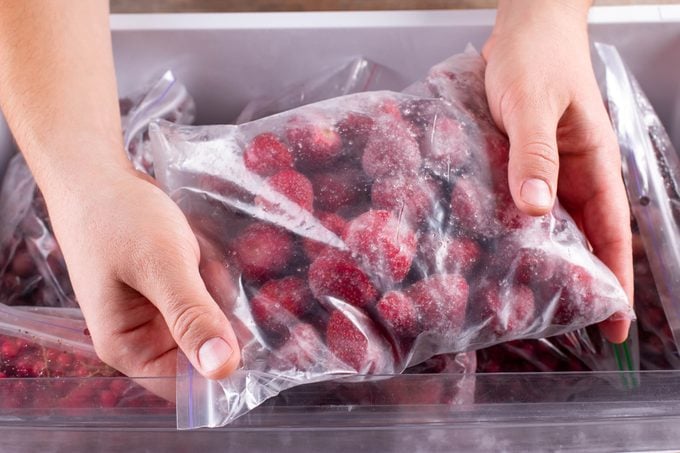
Start by washing and drying your strawberries thoroughly before sealing. Excess moisture can cause ice crystals, which damage the fruit’s texture.
Freeze the sealed bags flat to save space and allow the berries to freeze evenly. This also makes stacking easier in your freezer.
Label each bag with the date of sealing. This simple step helps you keep track of how long the strawberries have been stored.
Storage Duration And Conditions
Vacuum-sealed strawberries last much longer than those stored in regular bags. Typically, you can keep them frozen for 12 to 18 months without losing quality.
Keep your freezer temperature at 0°F (-18°C) or lower. Fluctuations in temperature can cause freezer burn even in vacuum-sealed bags.
Ask yourself: how often do you check your freezer’s temperature? Consistent cold is key to preserving taste and nutrition.
Thawing And Using Sealed Strawberries
Thawing vacuum-sealed strawberries properly keeps their taste and texture fresh. It prevents sogginess and preserves nutrients. Using the right thawing method helps you enjoy strawberries just like fresh ones. After thawing, strawberries work well in many recipes.
Safe Thawing Methods
Thaw strawberries slowly for best results. Keep them in the refrigerator for several hours or overnight. This method stops bacteria growth and keeps strawberries firm.
For faster thawing, place sealed strawberries in cold water. Change the water every 30 minutes. Avoid warm or hot water to protect the fruit’s quality.
Microwave thawing is not recommended. It can make strawberries mushy. Use it only if you plan to cook or blend strawberries immediately.
Recipe Ideas And Uses
Thawed strawberries fit many dishes. Add them to smoothies for a fresh flavor boost. They blend well with yogurt or milk.
Use thawed strawberries in salads for a sweet touch. Combine with spinach, nuts, and cheese for a tasty mix.
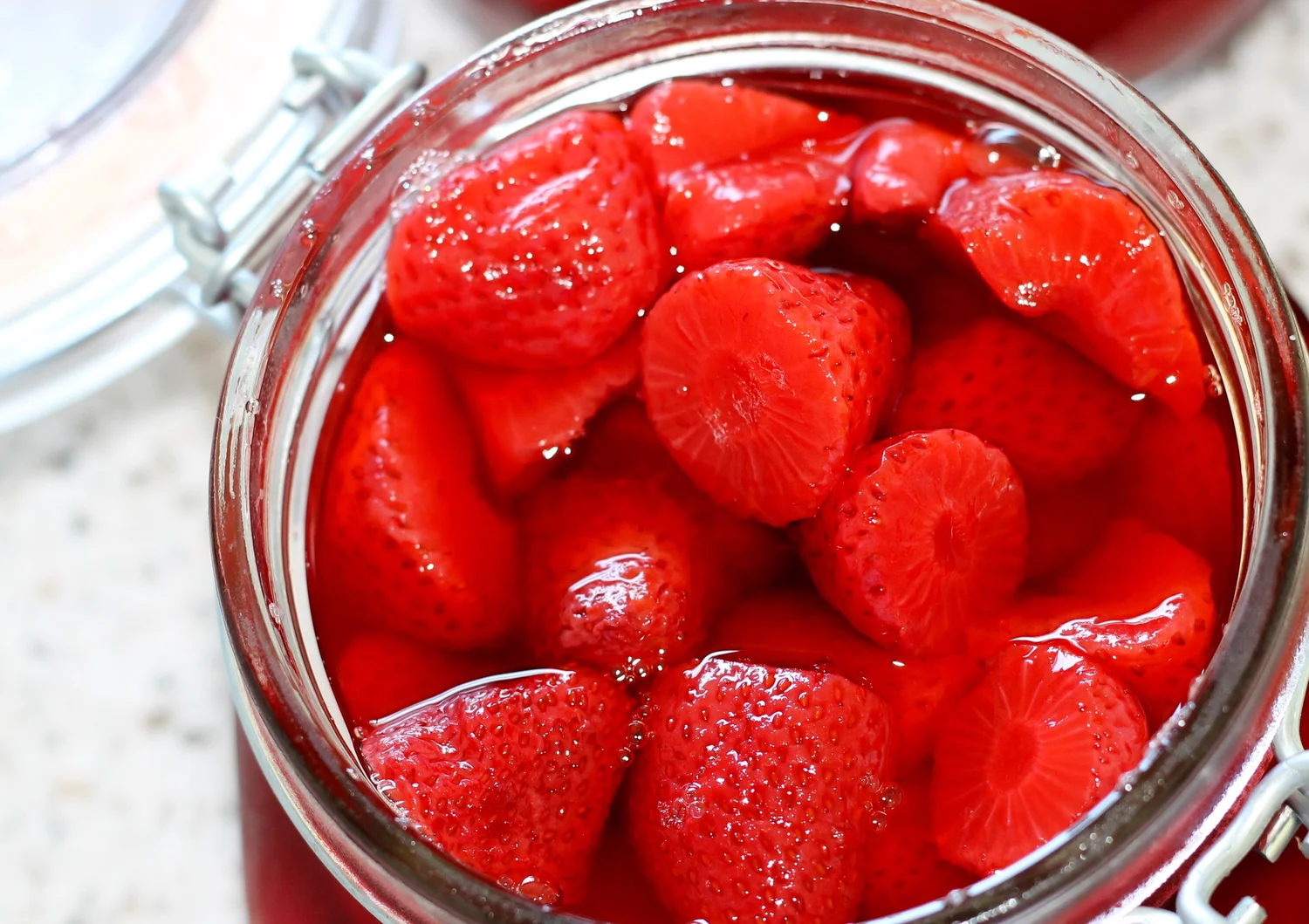
Make strawberry sauce or jam. Cook thawed strawberries with sugar and lemon juice. Use the sauce on pancakes, ice cream, or toast.
In baking, add thawed strawberries to muffins or cakes. They add moisture and natural sweetness.
Credit: www.tasteofmylife.org
Common Mistakes To Avoid
Vacuum sealing strawberries can extend their freshness and flavor, but it’s easy to make mistakes that ruin your efforts. Avoiding common errors will help you get the most out of your vacuum sealer and enjoy perfectly preserved berries every time. Let’s look at some pitfalls you want to steer clear of to keep your strawberries fresh and delicious.
Overpacking Bags
Stuffing too many strawberries into one bag might seem like a good way to save space, but it actually causes problems. Overpacked bags don’t seal properly because the vacuum can’t remove all the air evenly.
This can lead to uneven preservation and squished berries. Give your strawberries room to breathe inside the bag for the best seal and to keep their shape intact.
Sealing Wet Strawberries
Moisture is the enemy when vacuum sealing. Sealing wet strawberries can cause the sealer to malfunction or create a weak seal that lets air in.
Pat your berries dry before sealing. Even a little water can freeze and create ice crystals, ruining the texture when thawed. Have you ever opened a sealed bag only to find soggy berries? That’s what happens when moisture sneaks in.
Ignoring Expiration Times
Vacuum sealing extends shelf life but doesn’t stop the clock completely. Ignoring expiration times can lead to spoiled fruit and wasted effort.
Label your bags with the date and check them regularly. Even sealed strawberries won’t last forever—keeping track helps you eat them at their best. Are you confident your sealed strawberries are still fresh after weeks in the freezer?
Frequently Asked Questions
How Do You Prepare Strawberries For Vacuum Sealing?
Wash strawberries thoroughly and dry completely. Remove stems and any damaged parts. This prevents moisture that can cause spoilage during sealing.
Can Vacuum Sealing Preserve Strawberries Longer?
Yes, vacuum sealing significantly extends strawberry shelf life. It reduces air exposure, slowing down oxidation and mold growth. Properly sealed strawberries can last months in the freezer.
What Vacuum Seal Bags Work Best For Strawberries?
Use BPA-free, food-grade vacuum seal bags. Choose bags designed for freezing to prevent freezer burn. Bags should be thick enough to avoid punctures from strawberry seeds.
Should Strawberries Be Frozen Before Vacuum Sealing?
Freezing strawberries before vacuum sealing helps maintain texture. It prevents juice loss and keeps berries fresh longer. Freeze on a tray first, then seal in bags.
Conclusion
Vacuum sealing strawberries keeps them fresh for a longer time. It stops air and moisture from spoiling the fruit. This method also saves space in your freezer or fridge. Sealed strawberries stay tasty and nutritious. You can enjoy them anytime without worry.
Try vacuum sealing to reduce waste and save money. It’s a simple step to keep your berries fresh. A small effort with big benefits. Give it a shot and enjoy fresh strawberries all year round.