
Are you tired of staring at debris floating in your pool, wishing for a sparkling oasis in your backyard? You’re not alone.
Many pool owners feel overwhelmed by the task of manual vacuuming, yet it’s essential for maintaining a clean and inviting swimming environment. Imagine transforming your pool into a pristine haven without the hefty price tag of hiring a professional. In this guide, we’ll uncover the secrets to mastering the art of manually vacuuming your pool.
With easy steps and practical tips, you’ll gain the confidence to tackle this chore efficiently and enjoy a spotless pool all season long. Ready to dive in? Let’s get started!

Credit: www.youtube.com
Choosing The Right Equipment
Choosing the right equipment is crucial for effective manual pool vacuuming. The right tools make the job easier, faster, and more thorough. Before you start, understanding what gear fits your pool type and cleaning needs will save you time and effort.
Types Of Manual Pool Vacuums
Manual pool vacuums come in different styles, each suited for specific cleaning tasks.
- Vacuum Heads:These attach to a telescopic pole and connect to your pool’s filtration system. They come in various shapes like flat, curved, or with brushes to tackle different debris types.
- Leaf Rakes:Ideal for scooping up larger debris such as leaves and twigs before vacuuming. They prevent clogging and make vacuuming smoother.
- Handheld Vacuums:Battery-powered options offer portability and ease, especially for spot cleaning or smaller pools.
Think about the debris you usually find in your pool. Are you battling fine dirt or mostly leaves? Your choice should reflect this to avoid frustration.
Essential Accessories
Besides the vacuum itself, some accessories can enhance your cleaning experience.
- Telescopic Poles:Adjustable poles help you reach every corner without straining your back.
- Vacuum Hoses:Ensure you get a hose long enough to cover your entire pool. Check for flexibility to prevent kinks during use.
- Brush Attachments:Use these for stubborn dirt stuck on pool walls and floors. They loosen grime, making vacuuming more effective.
Have you checked if your current accessories fit your pool size? Using mismatched tools can waste your energy and time.
Safety Gear
Safety should never be an afterthought while cleaning your pool manually.
- Non-slip Footwear:Wet pool areas can be slippery. Shoes with good grip protect you from falls.
- Gloves:Protect your hands from chemicals and rough surfaces when handling equipment.
- Eye Protection:Splashing water mixed with pool chemicals can irritate your eyes. Safety glasses keep them safe during cleaning.
Have you ever slipped while cleaning your pool? Proper safety gear minimizes such risks and keeps the task worry-free.
Preparing The Pool
Preparing the pool before vacuuming is key to effective cleaning. It helps avoid damage and improves the vacuum’s performance. Taking simple steps can save time and effort. Clear the pool and check important conditions for smooth cleaning.
Removing Debris
Start by removing large debris from the pool surface. Use a leaf skimmer or net to scoop out leaves, twigs, and bugs. This prevents clogging the vacuum and filter. Clear water makes vacuuming easier and faster.
Checking Water Levels
Check the water level before vacuuming. The water should be at least halfway up the skimmer opening. Low water levels can cause the pump to run dry, damaging the system. Add water if needed to reach the right level.
Balancing Chemicals
Test the pool water’s chemical balance before vacuuming. The pH should be between 7.2 and 7.6 for safe cleaning. Adjust chlorine and alkalinity levels if they are off. Balanced water protects the pool surface and keeps it clean longer.
Setting Up The Vacuum
Setting up your pool vacuum properly is crucial before you start cleaning. A smooth setup ensures the vacuum works efficiently, saving you time and effort. Let’s break down the key steps to get your vacuum ready for action.
Assembling The Vacuum Head
Begin by attaching the vacuum head to the telescopic pole. Make sure it fits tightly to avoid losing suction power. If your vacuum head has brushes or wheels, check they move freely to help scrub the pool floor as you clean.
Double-check the vacuum head for any debris or dirt before assembly. This small step prevents clogging during use. Have you noticed how a clean vacuum head improves the suction immediately?
Connecting The Hose
Next, connect the vacuum hose to the vacuum head. Push the hose firmly onto the fitting until it’s secure. A loose connection can cause air leaks, which will reduce suction and make cleaning frustrating.
To avoid air bubbles, submerge the hose in the pool water before attaching it to the vacuum. This fills the hose with water, maintaining the suction balance. Have you ever tried this and seen a difference in cleaning performance?
Attaching To The Skimmer
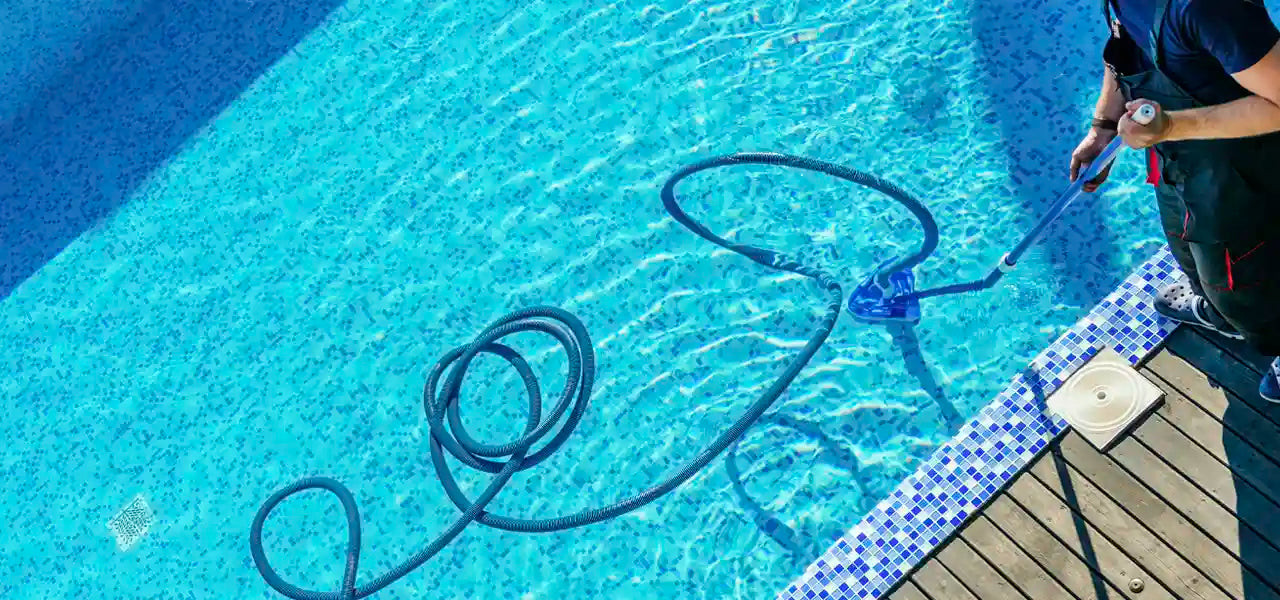
Now, attach the other end of the hose to your pool’s skimmer. Remove the skimmer basket and place the hose end into the skimmer’s suction port. Some pools have a dedicated vacuum plate for this—use it if available.
Make sure the hose stays submerged and doesn’t float up. You can use a few small weights or clips to keep it down. Without proper hose placement, you risk losing suction and leaving parts of your pool dirty.
Credit: us.mammotion.com
Vacuuming Techniques
Mastering the right vacuuming techniques can make your manual pool cleaning faster and more effective. These techniques help you cover every inch of the pool, prevent common issues, and keep the water sparkling clear. Let’s dive into the essential steps that will improve your pool vacuuming experience.
Starting The Vacuum
Before you begin, ensure your pool pump is off and the vacuum head is securely attached to the telescopic pole. Submerge the vacuum head and hose slowly to fill the hose with water, avoiding any trapped air. Connect the hose to the skimmer or suction port only after the hose is fully filled to prevent losing suction.
Try to position yourself comfortably at the poolside so you can maneuver the vacuum easily without strain. This simple preparation saves you time and frustration once you start cleaning.
Systematic Cleaning Patterns
Cover the pool floor methodically by following a clear pattern. Start at one end and work your way across in straight, overlapping lines to avoid missing spots. This approach helps you track your progress and ensures every corner gets cleaned.
Don’t rush—move the vacuum head slowly and steadily. Think about how you would mow a lawn: overlapping strokes guarantee no patch is left behind. Have you noticed how skipping areas often leads to dirt buildup and more work later?
Avoiding Airlocks
Airlocks in the vacuum hose reduce suction and make cleaning inefficient. To prevent this, always fill the hose with water before connecting it to the suction side. Check for bubbles in the hose and gently shake or tap it to release trapped air.
If suction weakens during cleaning, stop and inspect the hose for kinks or air pockets. Fixing these early keeps your vacuum running smoothly and saves you from restarting your work multiple times.
Post-vacuum Steps
After you finish vacuuming your pool manually, there are important steps to take to ensure your pool stays clean and your equipment runs smoothly. These post-vacuum tasks help maintain water clarity and extend the life of your pool system. Skipping them can lead to clogged filters and leftover debris that ruins all your hard work.
Backwashing The Filter
Backwashing your filter clears out the dirt and debris trapped during vacuuming. This process reverses water flow to flush out contaminants, restoring filter efficiency. If you notice reduced water flow or pressure spikes on your filter gauge, it’s a clear sign that backwashing is needed.
To backwash, turn off the pump, set the valve to “Backwash,” then turn the pump back on for about 2-3 minutes. Watch the sight glass or waste line until the water runs clear. Don’t forget to reset the valve to “Filter” afterward to resume normal operation.
Emptying The Skimmer Basket
Your skimmer basket collects larger debris like leaves and bugs, which can pile up after vacuuming. Cleaning it prevents blockages and keeps water circulating properly. It’s a quick step that can save you from costly pump damage.
Simply remove the basket, dump out the debris, and rinse it with a hose. Check for any holes or cracks that might reduce its effectiveness. A clean skimmer basket helps maintain the pool’s overall health and your pump’s performance.
Inspecting For Missed Spots
Even the best vacuuming can miss some corners or stubborn dirt patches. Take a few minutes to visually inspect your pool, especially around steps, corners, and behind ladders. Use a brush or your vacuum to tackle any remaining spots.
Ask yourself: Is the water clear everywhere? Are there any floating debris or settled dirt on the bottom? Catching these areas early keeps your pool sparkling and avoids algae growth. Your extra attention here pays off in a cleaner, healthier swimming environment.
Credit: www.youtube.com
Maintenance Tips
Keeping your pool clean and inviting requires more than just occasional vacuuming. Maintenance plays a key role in ensuring your manual vacuum works efficiently and your pool stays sparkling. With the right care, you can avoid bigger problems and enjoy a hassle-free swimming experience.
Cleaning The Vacuum Equipment
After each use, rinse your vacuum head, hose, and brush with fresh water to remove debris and prevent buildup. Dirt and algae can clog the equipment, reducing suction power and making cleaning harder next time.
Check for cracks or holes in the hose regularly. Even a small leak can cause a loss of suction. Replace worn parts promptly to keep your vacuum running smoothly.
Regular Pool Checks
Inspect your pool weekly for floating debris, algae growth, and water clarity. Skimming leaves and dirt before vacuuming saves you effort and prevents your vacuum from getting clogged.
Test your pool’s chemical levels often. Balancing pH and sanitizer levels helps keep the water clear and avoids algae buildup, which can make manual vacuuming tougher.
Seasonal Care
During heavy leaf fall in autumn, increase the frequency of vacuuming and skimming to keep the pool clean. In winter, remove and store vacuum equipment in a dry place to prevent damage from freezing temperatures.
Spring is a great time to inspect your vacuum and pool thoroughly. Replace worn-out parts and do a deep clean before the busy swimming season begins. Are you ready to give your pool the care it deserves year-round?
Frequently Asked Questions
How Do I Manually Vacuum A Pool Step-by-step?
Start by connecting the vacuum head to the telescopic pole. Attach the hose and submerge it fully to remove air. Connect the hose to the skimmer. Turn on the pump and slowly move the vacuum head across the pool floor for thorough cleaning.
What Equipment Is Needed To Vacuum A Pool Manually?
You need a telescopic pole, vacuum head, vacuum hose, and pool pump. These tools work together to remove debris efficiently. Proper equipment ensures effective cleaning and prevents damage to the pool surface.
How Often Should I Vacuum My Pool Manually?
Vacuum your pool at least once a week during peak season. More frequent cleaning is necessary if the pool is heavily used or surrounded by trees. Regular vacuuming maintains water clarity and prevents algae growth.
Can I Vacuum A Pool With A Leaf Skimmer?
A leaf skimmer removes floating debris but cannot vacuum the pool floor. Use a manual vacuum system for thorough cleaning of settled dirt. Both tools complement each other for complete pool maintenance.
Conclusion
Cleaning your pool by hand keeps it fresh and clear. Take your time and follow each step carefully. Regular vacuuming stops dirt from building up. It also helps your pool last longer. Stay consistent, and your pool will always look inviting.
Simple tools and patience make the job easier. Now, enjoy your sparkling clean pool every day.