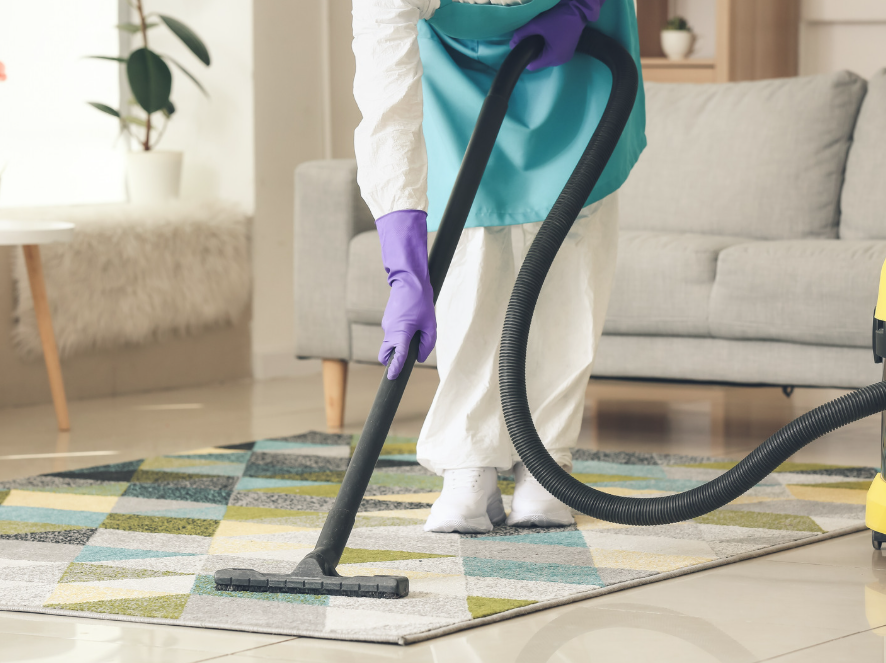
If you have a wool carpet in your home, you know how luxurious and warm it feels underfoot. But maintaining its beauty and softness requires a bit of care, particularly when it comes to vacuuming.
You might wonder if you’re using the right technique or worried that you might damage those delicate fibers. Fear not! With a few simple tips, you can keep your wool carpet looking fresh and vibrant. In this guide, you’ll discover the secrets to vacuuming wool carpets effectively without any fuss.
By the end, you’ll feel confident and equipped to tackle this task with ease, ensuring your wool carpet remains a centerpiece of comfort and elegance in your home. Stick around, and let’s dive into the best methods to protect and clean your wool carpet.
Credit: www.sisalrugs.com
Choosing The Right Vacuum
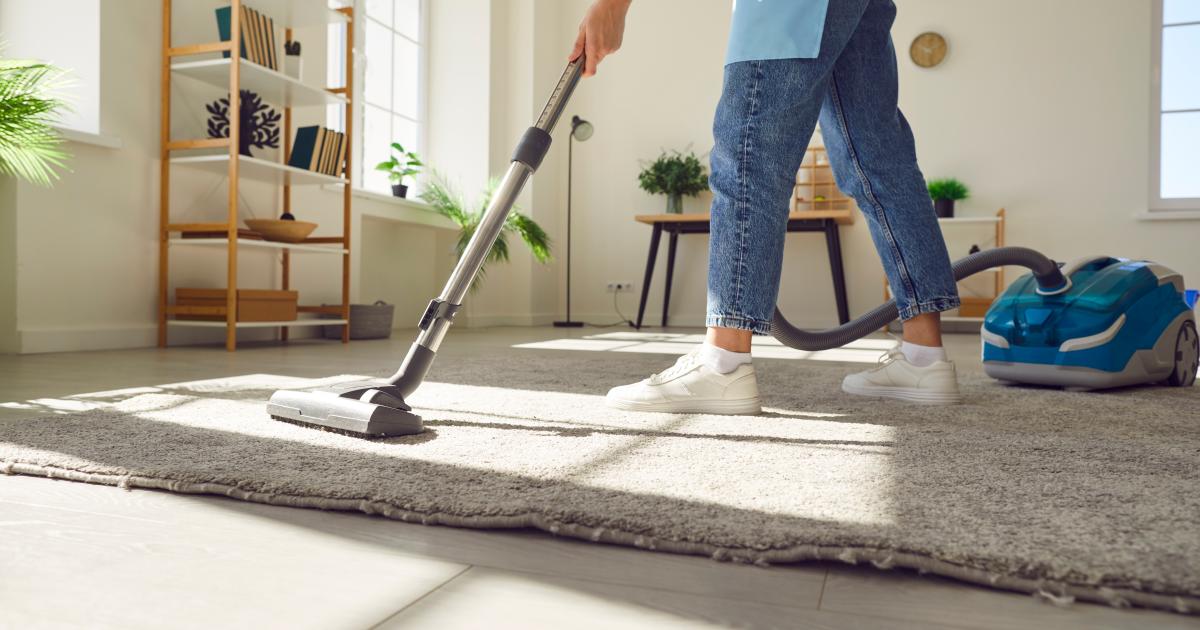
Choosing the right vacuum is crucial for maintaining wool carpets. Wool is delicate and needs gentle care. The wrong vacuum can damage fibers or reduce the carpet’s lifespan. Selecting a vacuum with suitable features helps keep your carpet clean and fresh.
Types Of Vacuums Suitable For Wool
- Canister Vacuums:Lightweight and easy to maneuver. They often come with adjustable suction settings. Ideal for delicate wool fibers.
- Upright Vacuums:Good for deep cleaning but choose models with gentle brush rolls or no beater bars.
- Handheld Vacuums:Best for spot cleaning and small areas. Use for quick touch-ups without stressing the wool.
- Vacuum Cleaners with Adjustable Suction:Allows control over cleaning power. Prevents fiber damage from too strong suction.
Features To Look For
- Adjustable Suction Power:Essential to protect wool fibers from harsh cleaning.
- Soft Brush Roll or No Beater Bar:Prevents pulling or damaging the wool pile.
- HEPA Filters:Helps trap fine dust and allergens, improving indoor air quality.
- Good Maneuverability:Lightweight design and swivel heads make cleaning easier.
- Bagged Vacuum:Keeps dirt contained and reduces dust exposure.

Credit: www.reddit.com
Preparing Your Carpet
Preparing your wool carpet before vacuuming sets the stage for a deeper, more effective clean. Taking a little extra time now helps protect the fibers and extends the life of your carpet. It also makes the vacuuming process smoother and more efficient.
Removing Loose Debris
Start by picking up any visible items like toys, clothes, or paper from the carpet surface. This prevents your vacuum from getting clogged or damaged. Next, use a soft-bristle broom or handheld brush to gently sweep away loose dirt and dust that the vacuum might miss.
Have you noticed how small bits of debris can hide in corners or along baseboards? Taking a moment to clear these areas ensures your vacuum can work without obstruction. This step can also reveal spots that may need special attention during vacuuming.
Checking For Damage
Before you vacuum, closely inspect your carpet for any signs of damage, such as frayed edges, loose threads, or holes. Vacuuming over these areas can make the damage worse or cause the vacuum to snag. If you find any problem spots, consider repairing them or using a gentler vacuum setting.
Ask yourself: is your vacuum’s brush roller too aggressive for this delicate carpet? Adjusting the height or turning off the beater bar can prevent pulling or tearing. Protecting your wool carpet from damage starts with this careful inspection.
Vacuuming Techniques
Vacuuming wool carpet needs care and the right technique. Wool is delicate and can lose its softness if cleaned roughly. Using proper vacuuming methods helps keep the carpet clean and fresh without damage. It also extends the carpet’s life and maintains its natural look.
Adjusting Vacuum Settings
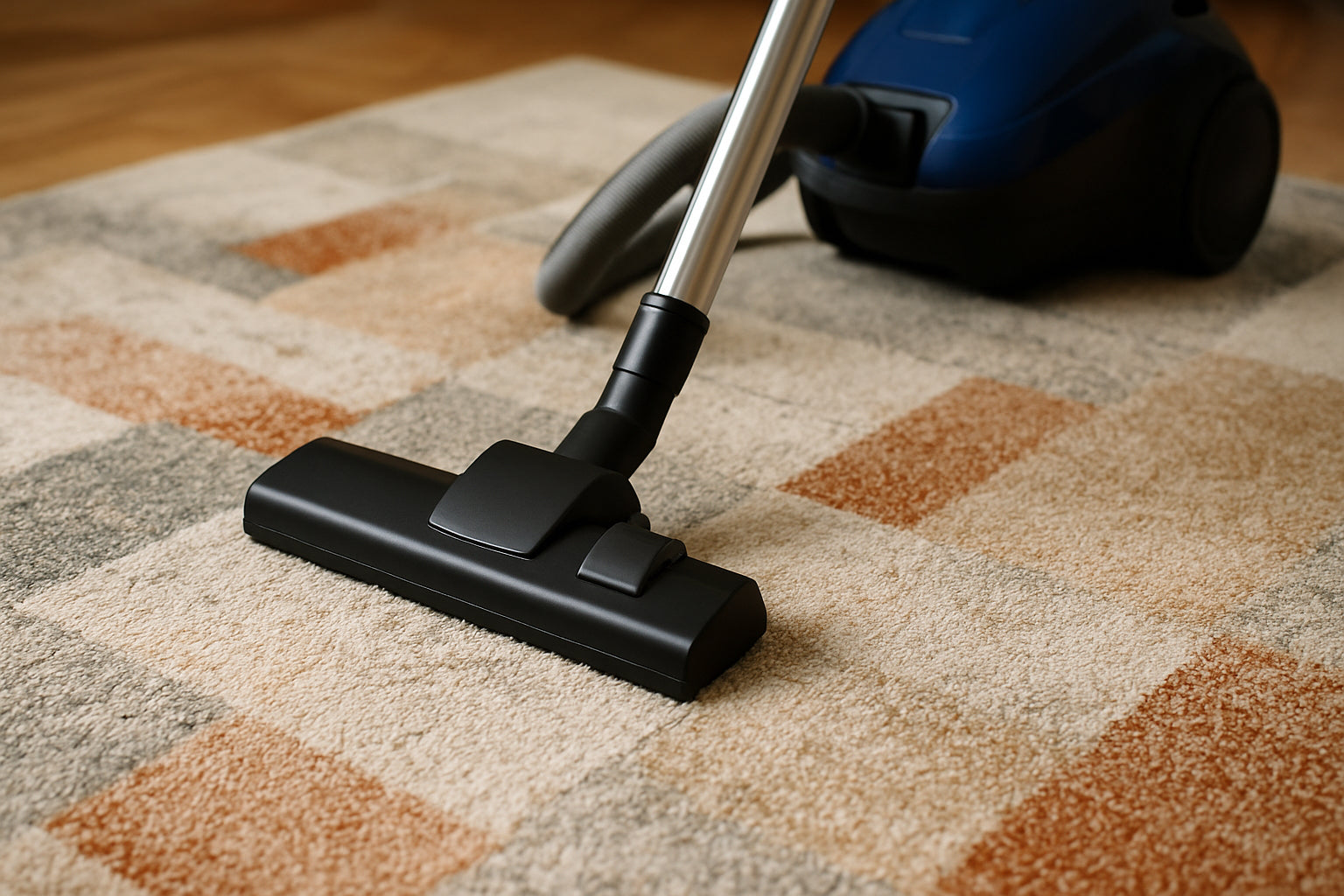
Set the vacuum to the correct height for wool carpets. Too low can harm the fibers. Too high may not clean well. Use a gentle suction setting to avoid pulling the wool threads. Turn off the beater bar or brush roll. These parts can be too harsh for wool and cause fuzzing.
Proper Vacuuming Motion
Move the vacuum slowly and steadily across the carpet. Avoid quick or harsh strokes. Vacuum in different directions to lift dirt from all angles. Use light pressure to protect the wool fibers. Overlapping each pass ensures no spots are missed. Pause occasionally to check for any damage or loose threads.
Frequency And Maintenance
Keeping your wool carpet in pristine condition demands regular attention and smart upkeep. Knowing how often to vacuum and caring for your vacuum cleaner itself makes a significant difference. Let’s dive into how to balance frequency and maintenance for the best results.
How Often To Vacuum
Vacuum your wool carpet at least twice a week if it’s in a high-traffic area. This helps remove dirt before it settles deep into the fibers, preserving the carpet’s softness and color.
If your carpet is in a low-traffic zone, once a week might be enough. But don’t wait too long—dust and debris build-up can damage the wool over time.
Think about your household: Are there pets shedding fur? Kids tracking in dirt? You might need to vacuum more frequently to keep your carpet looking fresh.
Maintaining Vacuum Cleanliness
Your vacuum cleaner’s condition directly impacts how well it cleans your wool carpet. Make it a habit to empty the dustbin or replace bags regularly to maintain suction power.
Check and clean the brushes and filters at least once a month. A clogged brush roller or filter can cause the vacuum to pull less dirt and even damage delicate wool fibers.
Have you noticed a drop in your vacuum’s performance? It might be time for a quick maintenance check before your carpet pays the price.
Additional Care Tips
Taking care of your wool carpet goes beyond regular vacuuming. Paying attention to additional care tips can keep your carpet looking fresh and extend its life. These extra steps help you handle stains and reduce wear, so your carpet stays soft and vibrant.
Dealing With Stains
Act quickly when you notice a stain on your wool carpet. Blot the area gently with a clean cloth—never rub, as this can push the stain deeper into the fibers.
Use a mild detergent mixed with water for spot cleaning. Test this solution on a small, hidden patch first to avoid color damage. Avoid harsh chemicals or bleach, as they can ruin the wool’s natural texture.
If the stain persists, consider calling a professional cleaner who specializes in wool carpets. Have you ever tried to remove a stain yourself and ended up making it worse? Knowing when to seek help can save your carpet from permanent damage.
Preventing Wear And Tear
Place rugs or mats at entryways to catch dirt and grit before it reaches your wool carpet. Dirt particles act like sandpaper, wearing down fibers every time you walk over them.
Rotate furniture regularly to prevent uneven wear patterns. Heavy pieces can crush the wool pile, creating permanent dents if left in one spot for too long.
Consider using furniture coasters or pads under legs to distribute weight evenly. Do you notice certain areas of your carpet looking more worn than others? Small changes like these can make a big difference in preserving your carpet’s appearance.
Credit: onlinetapijten.be
Frequently Asked Questions
How Often Should I Vacuum A Wool Carpet?
Vacuum your wool carpet at least twice a week. Frequent vacuuming prevents dirt buildup and maintains fiber health. Use a vacuum with adjustable suction to avoid damaging the wool fibers. Regular care prolongs the carpet’s life and keeps it looking fresh and clean.
What Vacuum Settings Are Best For Wool Carpets?
Use a vacuum cleaner on a low suction or gentle setting. Avoid beater bars or rotating brushes that can damage wool fibers. Choose a vacuum with a suction-only mode or adjustable height for wool carpets. This ensures effective cleaning without harming the delicate wool.
Can I Use A Vacuum With A Beater Bar On Wool?
No, avoid using a vacuum with a beater bar on wool carpets. Beater bars can pull and damage the wool fibers, causing wear and tear. Instead, use a vacuum with a brushless suction head or turn off the brush feature when cleaning wool carpets.
Should I Vacuum Wool Carpets With Or Without Attachments?
Use vacuum attachments like upholstery or crevice tools for wool carpets. These attachments gently clean edges and corners without harming the fibers. Avoid using hard or stiff brushes that could damage the wool. Attachments help maintain the carpet’s texture and appearance.
Conclusion
Vacuuming wool carpets keeps them clean and looking fresh. Use the right vacuum setting to protect the fibers. Move the vacuum slowly to catch all dust and dirt. Regular care helps your carpet last longer and stay soft. Avoid harsh tools or strong suction that can damage wool.
Small efforts make a big difference in carpet health. Keep your wool carpet inviting and comfortable with simple steps. Clean carpets create a healthier home for everyone.