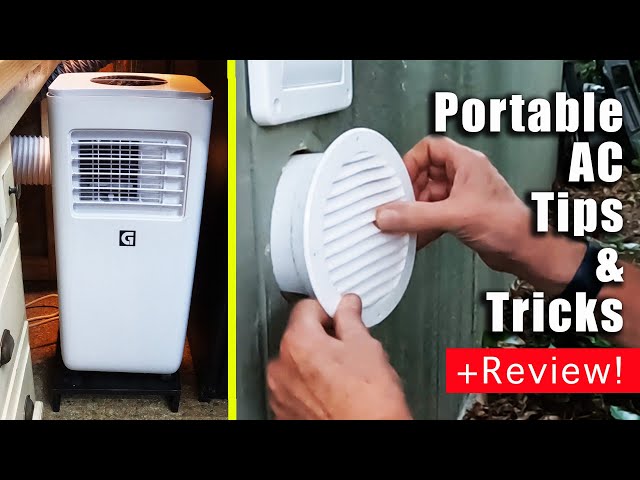
Struggling to cool your space with a portable air conditioner but don’t have a window to vent it? You’re not alone.
Venting your portable AC properly is key to keeping your room cool and your unit running smoothly. Without the right setup, your air conditioner can’t do its job, and your space stays hot and uncomfortable. In this guide, you’ll discover simple, effective ways to vent your portable air conditioner without a window.
By the end, you’ll have easy solutions to beat the heat, no matter your room’s layout. Keep reading to unlock the secrets to cool comfort without the hassle.
Choosing The Right Venting Options
Venting a portable air conditioner properly is important to keep your space cool. Sometimes, you cannot use a window for venting. In that case, you need other venting options.
Choosing the right venting method depends on your room layout and available openings. Let’s explore how to assess your space and find common alternative venting methods.
Assessing Your Space
Look around your room for places to vent the hot air. You need a spot that leads outside or to another area that can release heat.
- Check for sliding doors with a small gap
- Find wall vents or exhaust fans
- Look for ceiling openings or drop ceilings
- Consider using a vent through a pet door
- Measure the size of any potential vent openings
Make sure the venting path is as short and straight as possible. Long or bent ducts reduce the air conditioner’s efficiency.
Common Alternative Venting Methods
If you cannot use a window, these venting options may work well for you. Each method has pros and cons depending on your space.
| Venting Method | Description | Best For |
|---|---|---|
| Sliding Door Vent Kit | A panel fits into the door gap with a vent hole. | Rooms with sliding glass doors |
| Wall Vent | Use existing wall vents or create a small hole for the duct. | Rooms with external walls |
| Drop Ceiling Vent | Route the duct into the ceiling space and vent outside. | Rooms with drop ceilings |
| Pet Door Vent | Use a pet door opening for ducting the hot air out. | Rooms with pet doors |
| Through-the-Wall Vent | Install a vent through the wall if allowed. | Permanent solutions for external walls |

Credit: www.reddit.com
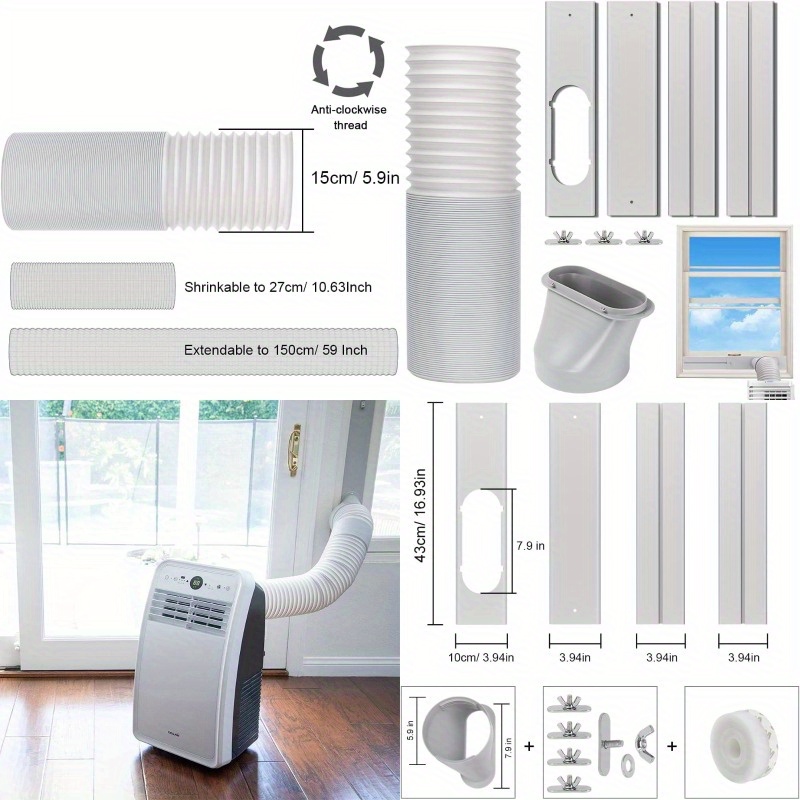
Using A Door Vent Kit
Portable air conditioners need a way to vent hot air outside. Usually, this is done through a window. Sometimes, a window is not available or suitable. A door vent kit can solve this problem.
A door vent kit lets you vent the hot air through the space around a door. This keeps your room cool without needing a window opening.
Types Of Door Vent Kits
Door vent kits come in different types to fit various door styles. You can choose one based on your door size and material.
- Sliding Door Vent Kit:Designed for sliding doors, this kit fills the gap between the door and frame.
- Hinged Door Vent Kit:Fits standard swinging doors by sealing the space between the door and frame.
- Adjustable Door Vent Kit:Flexible in size, this kit can work with different door types and sizes.
- Magnetic Door Vent Kit:Uses magnets to attach the vent panel, allowing easy removal and reinstallation.
Installation Tips
Installing a door vent kit is simple but needs care. Follow these tips for the best results.
- Measure the door opening carefully before buying the kit.
- Clean the door surface to ensure good seal and attachment.
- Make sure the vent hose fits well into the kit opening.
- Seal any gaps with weatherstripping to prevent air leaks.
- Check the hose length and avoid sharp bends for better airflow.
- Test the setup by running the air conditioner and checking for leaks.
Venting Through A Drop Ceiling
Sometimes, portable air conditioners need venting but there is no window nearby. A drop ceiling offers a good spot to vent the hot air outside. This method keeps your room cool without needing a window.
Using a drop ceiling requires finding the right access points and securing the vent hose properly. This guide explains how to do both safely and effectively.
Finding Access Points
Look for removable ceiling tiles in your drop ceiling. These tiles can create an opening for the vent hose. Choose a tile near an external wall or vent pipe.
Check the space above the tiles. Make sure there is a clear path for the hose to reach outside. Avoid blocking pipes or wires.
- Identify loose or removable ceiling tiles
- Pick a tile close to an outside vent or wall
- Inspect the space above for clear hose placement
- Avoid areas with electrical wiring or plumbing
Securing The Vent Hose
Attach the vent hose to the air conditioner first. Use clamps or tape to keep it tight. This stops hot air from leaking back inside.
Next, feed the hose through the open ceiling tile spot. Support the hose so it does not sag or fall. Use zip ties or brackets if needed.
- Secure hose to air conditioner with clamps or tape
- Insert hose through removed ceiling tile space
- Support hose to prevent sagging
- Seal gaps around hose with foam or tape
Utilizing A Wall Vent
Portable air conditioners need to push hot air outside. Usually, this is done through a window. But what if you don’t have a window? You can use a wall vent instead.
This guide will explain how to vent a portable air conditioner through a wall. It focuses on creating a vent hole and making it weatherproof.
Creating A Vent Hole
First, find a good spot on the wall near your air conditioner. The hole must be big enough for the vent hose. Use a drill and saw to cut the hole.
Make sure to measure the vent hose size before cutting. The hole should be slightly larger than the hose for a good fit.
- Choose a low-traffic wall area
- Mark the hole size based on hose diameter
- Use a drill to make starter holes
- Cut the hole carefully with a saw
- Test fit the vent hose in the hole
Weatherproofing Techniques
After making the hole, protect it from rain and wind. Use weatherproof materials to seal around the vent hose. This keeps your home dry and energy efficient.
Use foam insulation or caulk to fill gaps. Attach a vent cover outside to stop rain from entering. Check the seal regularly for damage.
- Apply foam insulation around the vent hose
- Use caulk to seal small gaps
- Install a vent cover with a flap outside
- Check seals every few months
Employing A Dryer Vent Kit
Portable air conditioners need to vent hot air outside. Usually, this happens through a window. Sometimes, windows are not available or suitable. A dryer vent kit can help vent the hot air safely.
A dryer vent kit includes a vent hose and an adapter. It lets you connect the air conditioner to a vent in your wall or ceiling. This way, you can remove hot air without a window.
Compatibility With Portable Ac
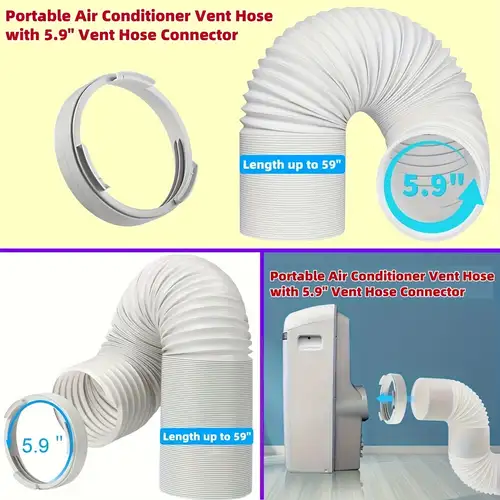
Not all portable air conditioners work with a dryer vent kit. Check your AC model before buying the kit. The vent hose size must fit your AC’s exhaust port.
Most portable ACs use a 5-inch or 6-inch hose. Dryer vent kits come in these sizes. Some kits include adapters for different sizes. Make sure the material is heat-resistant.
- Check the exhaust port diameter on your AC
- Choose a dryer vent kit with matching hose size
- Use adapters if needed to connect different sizes
- Ensure the hose material can handle hot air
Step-by-step Setup
Setting up a dryer vent kit is simple. First, find a wall or ceiling vent to use. Then, attach the vent hose to your AC’s exhaust port using the adapter.
Connect the other end of the hose to the wall or ceiling vent. Make sure all connections are tight to avoid leaks. Finally, secure the hose so it does not fall or bend sharply.
- Locate a wall or ceiling vent for hot air exit
- Attach the vent hose to the AC exhaust port
- Use the adapter to connect different hose sizes
- Connect the hose to the wall or ceiling vent
- Check all connections are tight and secure
- Secure the hose to prevent kinks or falls
Temporary Venting Solutions
Portable air conditioners need to vent hot air outside. Without a window, you must find other ways to vent. Temporary venting solutions help keep your space cool and comfortable.
These solutions do not require permanent installation. They work well for short-term use or in places without windows.
Using Ventilation Fans
Ventilation fans can move hot air out of your room. You can place a fan near a door or vent to push air outside. This reduces heat build-up inside.
Choose a fan with enough power to handle the air flow. Position the fan to create a clear path for hot air to leave your space.
- Place the fan near an open door or vent
- Use a duct or tube to guide the air outside
- Seal gaps around the fan to prevent hot air from coming back
- Run the fan while the air conditioner is on
Diy Venting Hacks
You can create simple venting setups with household items. Use plastic sheeting, cardboard, or duct tape to direct hot air out.
These hacks help vent without a window by creating a temporary exhaust path. Make sure the vent hose is connected and air flows outside.
- Cut a hole in plastic sheeting to fit the vent hose
- Seal edges with duct tape to stop air leaks
- Use a door draft stopper to close gaps under doors
- Set up the hose through a pet door or vent opening
Sealing And Insulating Vent Connections
Vent connections of a portable air conditioner must be sealed and insulated well. This helps stop air leaks and keeps the room cool. Proper sealing also improves energy efficiency.
Without a window, venting needs extra care. Using the right materials and techniques will make the vent work properly and last longer.
Preventing Air Leaks
Air leaks reduce the cooling power of your air conditioner. Sealing all gaps around the vent hose stops warm air from entering.
Use weatherstripping or foam tape around vent connections. This blocks air from escaping or coming in.
- Check for gaps between the vent hose and the wall or ceiling.
- Apply foam tape or weatherstripping to cover gaps.
- Use aluminum foil tape to seal joints tightly.
- Inspect seals regularly for wear and replace as needed.
Materials And Tools Needed
Gather these materials and tools before sealing and insulating your vent connections. They make the job easier and more effective.
- Foam weatherstripping or foam tape
- Aluminum foil tape
- Scissors or a utility knife
- Measuring tape
- Vent hose (flexible duct)
- Rubber gloves (optional for handling tape)
Credit: www.temu.com
Maintaining Efficient Airflow
Ventilation is key to running a portable air conditioner well. Without proper airflow, the unit works harder and uses more energy. You can vent a portable air conditioner without a window by focusing on airflow and keeping vents clear.
This guide covers how to keep your air conditioner vent working smoothly. Regular care and avoiding blockages help keep air moving freely and your space cool.
Regular Cleaning
Cleaning your portable air conditioner’s vents and filters keeps air moving well. Dust and dirt can slow airflow and reduce cooling power. Clean the vents often to avoid buildup.
- Unplug the unit before cleaning
- Remove and wash the air filter with warm water
- Wipe the vents with a soft, damp cloth
- Check the exhaust hose for dust or debris
- Let parts dry completely before reassembling
Avoiding Blockages
Blockages stop air from flowing through the vent hose. Keep the hose straight and clear of kinks. Avoid placing objects near the vent that block air from leaving the room.
| Common Blockages | How to Prevent |
| Bent or crushed hose | Keep hose straight and supported |
| Dust buildup inside hose | Clean hose regularly with a vacuum |
| Objects blocking vent exit | Clear area around vent exit |
| Improper hose length | Use hose length recommended by manufacturer |
Credit: www.temu.com
Frequently Asked Questions
How Can I Vent A Portable Ac Without A Window?
You can vent a portable AC using a wall vent, drop ceiling, or sliding door adapter. Ensure proper sealing for efficient airflow and cooling.
Is Venting Through A Wall Safe For Portable Ac?
Yes, venting through a wall is safe if you use a proper vent kit. It prevents hot air from re-entering and maintains room temperature effectively.
Can I Use A Ventless Portable Air Conditioner?
Ventless units exist but are less effective. They cool by evaporating water and don’t remove hot air, making them suitable for small spaces only.
What Materials Do I Need To Vent Without A Window?
You need a vent kit, vent hose, wall or door adapter, sealant, and possibly a drill. These materials help create a secure venting path.
Conclusion
Venting a portable air conditioner without a window is doable. You can use door vents, drop ceiling vents, or wall vents. Each method helps remove hot air efficiently. Always check your room’s layout before choosing a venting option. Proper venting keeps your space cool and comfortable.
Try these ideas and see what works best. Stay cool even without a window nearby. Simple steps make a big difference in cooling your room well.