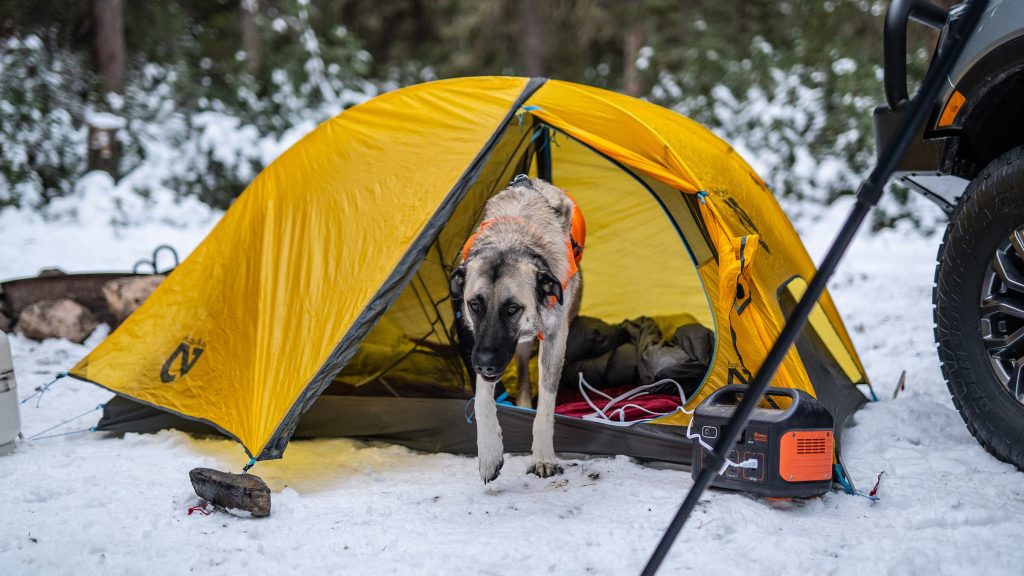
When you’re camping, nothing feels worse than shivering inside a cold tent. You want your shelter to be cozy and warm, so you can relax and enjoy the great outdoors without freezing.
But how do you keep your tent warm when the temperature drops? You might be surprised at how simple changes can make a big difference. You’ll discover easy, practical tips to warm your tent fast. By the end, you’ll know exactly what to do to stay comfortable and cozy, no matter how chilly it gets outside.
Keep reading, and make your next camping trip a warm and pleasant experience.
Choose The Right Tent
Choosing the right tent helps keep you warm during cold weather camping. The tent should protect you from wind and rain. It also needs to hold heat well.
Different tents offer different levels of warmth. Picking the correct one makes your outdoor stay more comfortable and safe.
Opt For Four-season Tents
Four-season tents are built for cold and harsh weather. They have stronger poles and thicker fabric. These tents keep out snow and wind better than summer tents.
- Use strong poles that hold up under snow load
- Choose tents with full-coverage rainflies for better insulation
- Look for tents with fewer mesh panels to keep warmth in
- Check for vents that can be closed to block cold air
Consider Tent Size And Shape
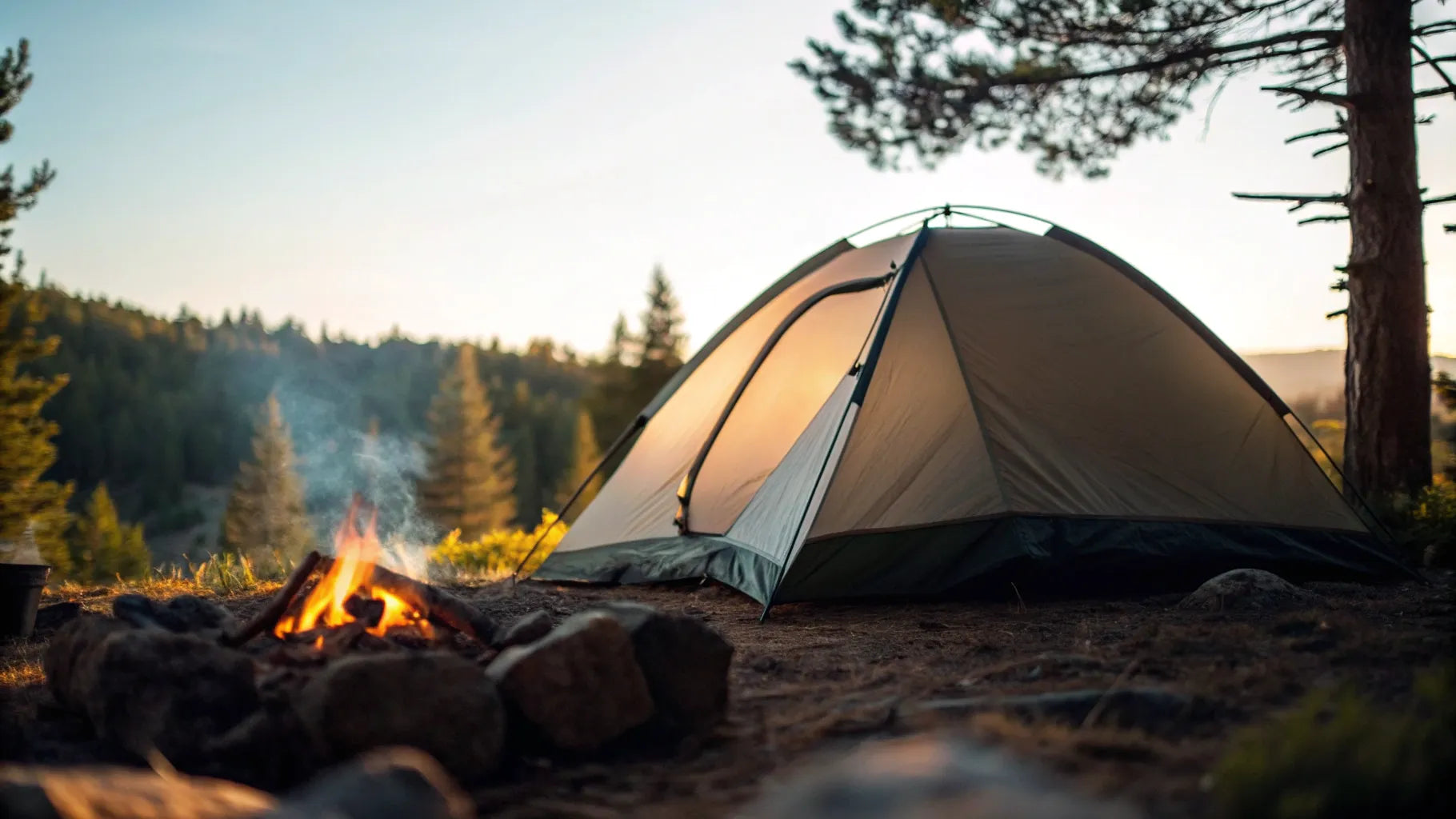
Tent size and shape affect how warm it stays inside. Smaller tents are easier to heat. Tall tents lose heat faster through the roof. Shape also changes wind resistance.
| Factor | Effect on Warmth | Notes |
|---|---|---|
| Size | Smaller tents retain heat better | Less air space to warm up |
| Height | Lower tents keep heat inside | Less warm air rises away |
| Shape | Rounded shapes reduce wind pressure | Good for cold, windy areas |
| Number of occupants | More people add body heat | Don’t overcrowd the tent |
Credit: www.battlbox.com
Select A Warm Campsite
Choosing the right campsite helps keep your tent warm. A warm spot protects you from cold winds and moisture.
Look for places that block wind and avoid cold air pockets. These choices make camping more comfortable.
Find Natural Windbreaks
Natural windbreaks like trees, bushes, or rocks can block cold winds. Set your tent near these to stay warmer.
Windbreaks reduce the wind chill effect. They help keep your tent stable and warmer inside.
- Look for dense trees or thick bushes
- Use large rocks or hills as barriers
- Position your tent on the sheltered side
Avoid Low-lying Areas
Cold air sinks to low areas at night. Avoid valleys, ditches, or depressions when picking your campsite.
Low spots collect cold air and moisture. This makes your tent colder and damp.
- Choose higher ground to stay warmer
- Look for flat or gently sloping spots
- Check the site for water drainage
Use Effective Insulation
Keeping your tent warm is important for comfort and safety. Insulation helps block cold air and keeps heat inside.
Good insulation can make a big difference during cold nights outdoors. You can use simple tools to keep warm.
Lay Down Ground Pads
Cold from the ground can make your tent very chilly. Ground pads stop this cold from reaching you.
Use foam pads, inflatable sleeping pads, or thick blankets under your sleeping area. This creates a warm layer.
- Choose pads with good thickness for better warmth
- Make sure the pads cover the whole sleeping area
- Use multiple pads if needed for extra insulation
Add Reflective Blankets
Reflective blankets reflect your body heat back to you. They help keep warm air inside your tent.
Place a reflective blanket on the tent floor or walls. This stops heat from escaping and blocks cold air.
- Use emergency space blankets or mylar blankets
- Lay them shiny side up to reflect heat
- Combine with ground pads for best results
Heat Sources For Tents
Keeping warm in a tent is important for comfort and safety. Using the right heat sources helps maintain a cozy environment. Always choose safe and effective ways to add warmth inside your tent.
This guide covers the safe use of portable heaters and how to utilize warm water bottles to heat your tent properly.
Safe Use Of Portable Heaters
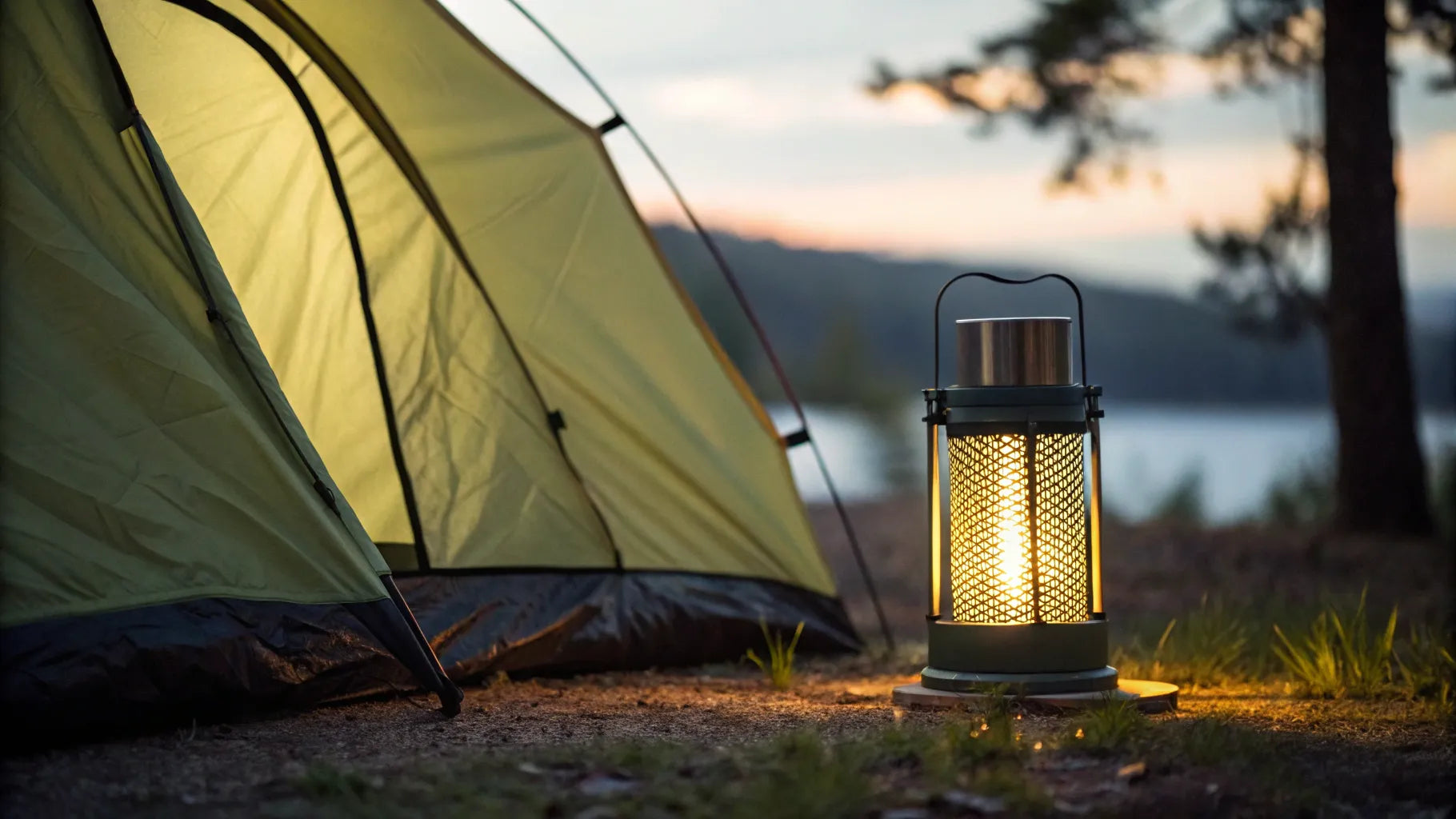
Portable heaters can quickly warm a tent, but they must be used with caution. Always follow safety rules to prevent fires or carbon monoxide poisoning.
- Choose heaters designed for indoor or tent use only.
- Place the heater on a stable, flat surface away from flammable materials.
- Keep a window slightly open for ventilation to avoid gas build-up.
- Never leave the heater unattended while it is on.
- Turn off the heater before sleeping or leaving the tent.
Utilize Warm Water Bottles
Warm water bottles are simple and safe heat sources. They provide steady warmth without electricity or fuel.
| Tip | Details |
| Fill with hot water | Use water heated to about 120°F (49°C) |
| Seal tightly | Prevent leaks by closing the bottle cap firmly |
| Wrap in cloth | Wrap with a towel to avoid burns |
| Place in sleeping bag | Keep near feet or body for best warmth |
| Refill as needed | Reheat water and refill when it cools down |
Layer Up Inside The Tent
Keeping warm inside your tent is important on cold nights. You can do this by adding layers that trap heat.
Layering helps keep your body temperature steady and stops cold air from reaching you.
Choose Thermal Sleeping Bags
Thermal sleeping bags are made to hold heat close to your body. They have special insulation to keep you warm.
- Pick a sleeping bag rated for temperatures below the expected cold.
- Use a sleeping bag liner for extra warmth.
- Keep the sleeping bag dry to maintain its heat properties.
- Close the bag fully to trap warm air inside.
Wear Insulating Clothing
Wearing the right clothes inside the tent helps keep your body heat close. Choose materials that trap air and dry fast.
| Clothing Type | Material | Purpose |
| Base Layer | Wool or synthetic | Wicks sweat and keeps skin dry |
| Mid Layer | Fleece or down | Provides insulation and warmth |
| Outer Layer | Windproof shell | Blocks cold wind and traps heat |
Manage Ventilation
Proper ventilation helps keep your tent warm and safe. It controls airflow and stops moisture buildup inside.
Good air movement reduces cold spots and helps maintain a comfortable temperature.
Prevent Condensation
Condensation forms when warm air meets cold surfaces inside the tent. This can make the tent damp and cold.
Ventilation helps by letting moist air escape. This keeps the tent dry and warmer.
- Open vents or windows slightly to allow air to flow
- Keep wet clothes outside or in a separate area
- Use a breathable tent fabric if possible
- Clear snow or debris from vents to keep them open
Balance Warmth And Airflow
Too little airflow causes stuffiness and moisture. Too much airflow lets heat escape fast.
Find a balance by adjusting vents based on weather and temperature.
- Keep vents partially open to allow fresh air
- Close vents more when it is very cold outside
- Use a small heater safely with good ventilation
- Check airflow regularly to avoid cold drafts
Additional Warmth Tips
Staying warm inside your tent can be tough on cold nights. Using simple tricks can help you keep cozy and comfortable. Here are two easy ways to add warmth to your tent.
Try cooking hot meals before going to sleep. Also, use tent rugs and curtains to keep the cold air out and heat in.
Cook Hot Meals Before Bed
Eating warm food raises your body temperature. This helps you feel warmer inside your sleeping bag. Cooking hot meals just before bedtime adds extra heat to your body and can make a big difference.
- Choose easy-to-cook meals like soups or stews.
- Cook your meal outside the tent to avoid smoke inside.
- Eat slowly to let the warmth spread through your body.
- Drink hot beverages like tea or cocoa after your meal.
Use Tent Rugs And Curtains
Cover your tent floor with rugs to stop cold air from coming up. Hang curtains inside to block drafts. These layers help keep the heat inside your tent and stop cold wind from entering.
| Item | Benefit |
| Tent Rugs | Stops cold from floor |
| Heavy Curtains | Blocks wind and drafts |
| Insulated Mats | Adds a warm barrier |
| Extra Blankets | Increases warmth inside |
Credit: www.battlbox.com

Credit: growattportable.com
Frequently Asked Questions
How Can I Safely Warm My Tent?
To safely warm your tent, use a portable heater designed for camping. Ensure proper ventilation to prevent carbon monoxide buildup. Alternatively, use hot water bottles or insulated sleeping bags. Avoid open flames inside the tent to prevent accidents and maintain a safe environment.
Always prioritize safety over comfort.
What Is The Best Heater For Tents?
The best heater for tents is a portable propane heater. It is designed for outdoor use and provides efficient warmth. Choose models with safety features like automatic shut-off. Always ensure proper ventilation when using any heater to prevent carbon monoxide buildup and ensure a safe camping experience.
Can I Use A Campfire To Heat My Tent?
Using a campfire to directly heat your tent is not safe. Instead, use the campfire to warm rocks or water bottles, then bring them inside. This indirect method provides warmth without the fire risk. Always prioritize safety and ensure the tent remains well-ventilated to prevent any hazards.
How Do I Insulate My Tent For Warmth?
To insulate your tent, use a footprint or tarp underneath for extra warmth. Add thermal blankets to the walls and roof. Use sleeping pads or foam mats on the ground for insulation. Ensuring minimal heat loss will help maintain a comfortable temperature inside your tent during cold weather.
Conclusion
Keeping your tent warm makes camping more comfortable and safe. Use proper gear and good setup to keep heat inside. Small heaters, warm sleeping bags, and insulated mats help a lot. Close vents but allow some air to avoid moisture.
Remember, safety first—never leave heaters unattended. With these steps, cold nights can feel cozy. Enjoy your camping trip without shivering or discomfort. Stay warm, stay happy.