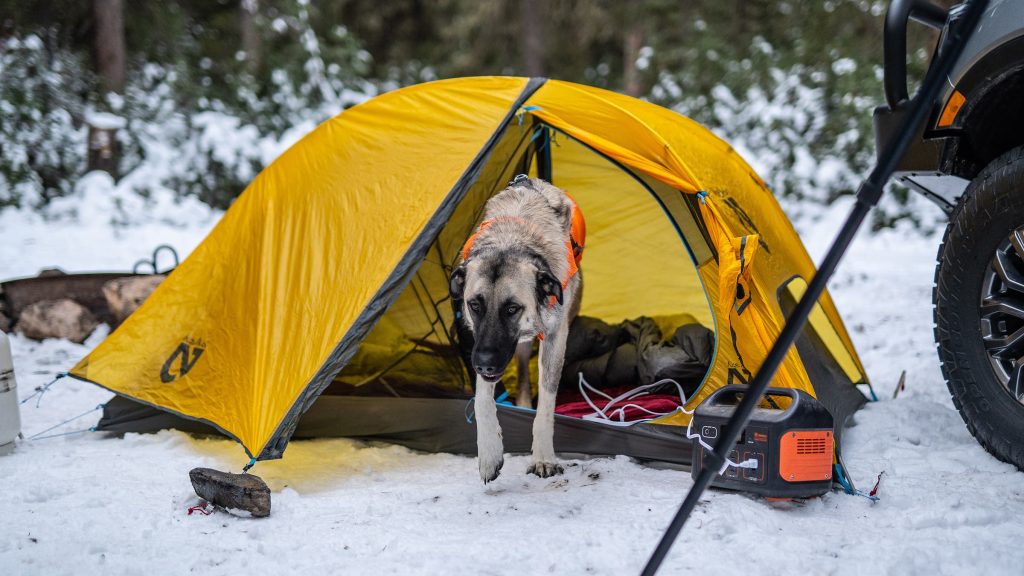
When you’re camping, nothing beats the comfort of a warm tent on a chilly night. But staying cozy inside your tent isn’t always easy, especially when the cold starts to creep in.
You might be wondering how to keep your tent warm without risking safety or comfort. The good news? There are simple and effective ways you can warm up your tent, so you can enjoy your time outdoors without shivering. Keep reading, and you’ll discover practical tips that will transform your cold camping nights into warm, relaxing moments.
Choosing The Right Tent
Picking the right tent helps keep you warm during camping. Not all tents hold heat well. You need to think about the materials, size, and weather features.
A good tent blocks cold air and keeps your body heat inside. This guide covers what to look for when choosing a warm tent.
Materials That Retain Heat
Tent fabric affects how much heat stays inside. Thick materials keep warmth better than thin ones. Look for fabrics made from polyester or nylon with a coating.
Some tents have extra layers to trap heat. These layers reduce heat loss and block wind chill. Check if the tent uses thermal or insulated fabrics.
- Polyester fabric with polyurethane coating
- Nylon with silicone or waterproof layers
- Double-wall tents with mesh and fabric layers
- Insulated linings or thermal blankets inside
Tent Size And Insulation
Smaller tents are easier to warm because they hold less air. Large tents need more heat to feel warm. Choose a tent size that fits your group but is not too big.
Look for tents with good insulation. Some tents have foam or reflective layers between walls. These layers help keep cold out and heat in.
- Small tents warm up faster
- Insulated walls keep temperature stable
- Double-wall tents reduce condensation
- Choose a tent just big enough for campers
Weather-resistant Features
Weatherproof tents protect you from wind, rain, and snow. These tents help keep warmth inside by stopping cold air from coming in. Look for tents with strong rainflies and sealed seams.
Good ventilation helps reduce moisture but should not let cold air in. Windproof tents have sturdy poles and tight closures. These features make your tent warmer and safer.
- Waterproof rainfly covers tent fully
- Sealed seams stop air leaks
- Strong poles resist wind
- Ventilation windows with covers
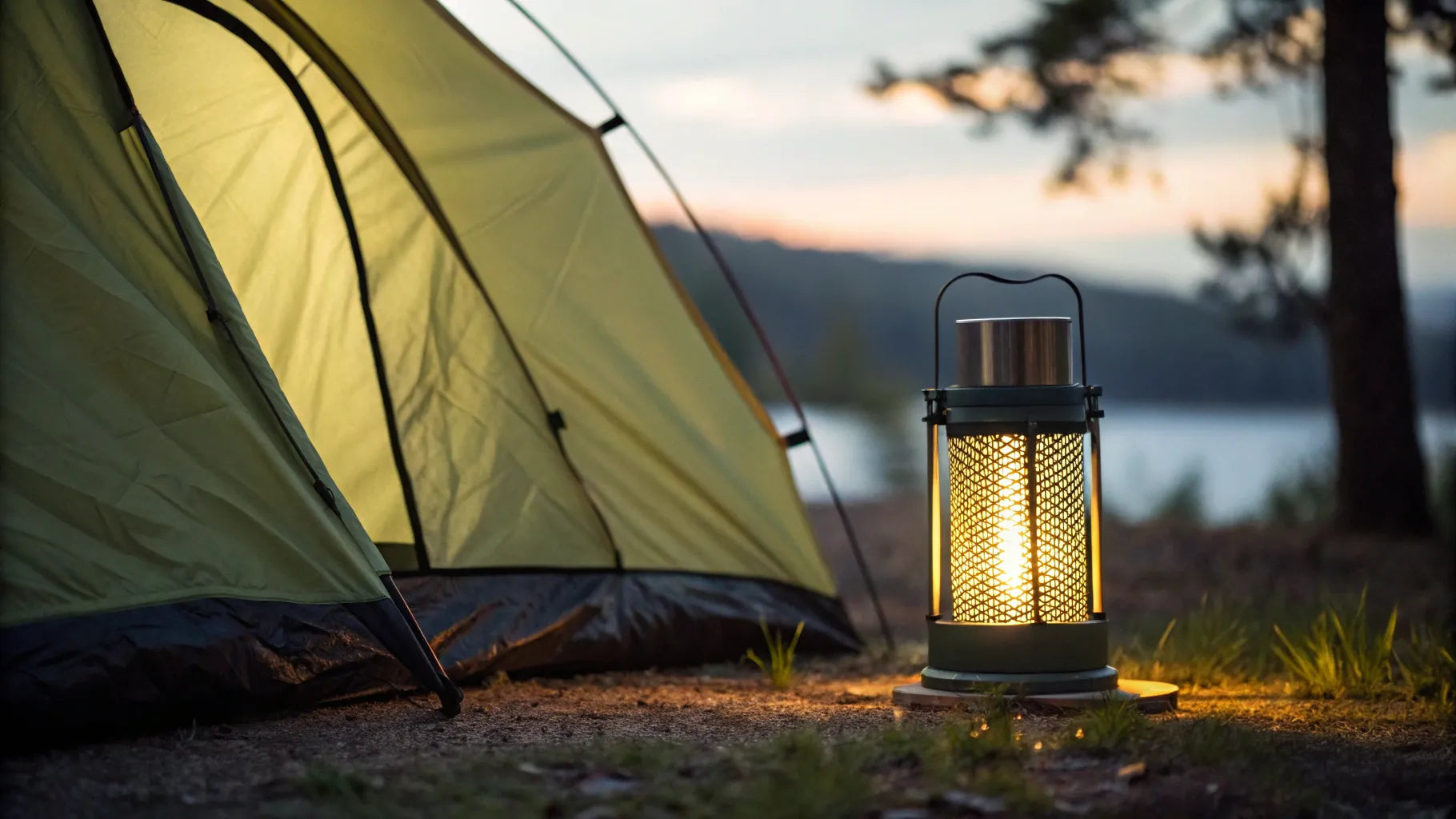
Credit: www.battlbox.com
Effective Tent Placement
Keeping your tent warm starts with where you set it up. Proper placement can make a big difference. Choose your spot wisely to stay comfortable.
Consider natural features and the sun’s path. Avoid cold spots to improve your camping experience.
Finding Natural Windbreaks
Wind can make your tent cold. Use natural barriers to block it. Trees, bushes, or rocks can serve as great windbreaks.
Look for areas where the wind is less intense. This will help keep your tent warmer. Avoid open fields where wind is strong.
- Set up behind large rocks
- Use thick bushes as shields
- Pick spots in wooded areas
Using Sun Exposure To Your Advantage
The sun is a natural heater. Place your tent where it gets morning sun. This will warm your tent as soon as the sun rises.
Avoid areas shaded all day. Direct sunlight can raise the temperature inside your tent. It helps to keep you warm during cold mornings.
- Find east-facing spots
- Avoid deep forest shade
- Consider open areas with morning light
Avoiding Cold Ground Spots
Cold ground can sap warmth from your tent. Look for dry, elevated spots. They are less likely to hold moisture and cold.
Inspect the ground before pitching your tent. Avoid low areas where cold air settles. A dry, flat surface is best for warmth.
- Choose dry, high ground
- Avoid valley floors
- Check for moisture before setting up
Insulating The Tent Interior
Keeping your tent warm is important during cold weather. Insulating the inside helps keep heat in and cold out. You can use simple methods to make your tent cozier.
Focus on blocking cold from the ground, adding layers inside, and sealing any openings. These steps will make your tent warmer and more comfortable.
Using Thermal Ground Pads
Thermal ground pads create a barrier between you and the cold ground. They help stop heat loss and keep the floor warm.
- Choose pads made from foam or inflatable materials with insulation.
- Lay the pad evenly inside the tent floor.
- Use multiple pads if the tent floor is large.
- Place a blanket or sleeping bag on top for extra warmth.
Adding Extra Layers Inside
Adding layers inside the tent traps warm air and blocks cold drafts. Use fabric or blankets on walls and floors.
| Layer Type | Purpose |
| Blankets | Extra warmth and softness |
| Tapestries or rugs | Block wind and insulate walls |
| Foam mats | Stop cold from floor below |
| Sleeping bags | Personal warmth while resting |
Sealing Gaps And Openings
Gaps and openings let cold air inside. Seal these to keep warmth in your tent.
- Use tape or weather stripping to close small holes.
- Zip all doors and windows fully.
- Cover vents with breathable fabric to block cold air but allow airflow.
- Check tent seams and repair if needed.
Safe Heating Methods
Keeping your tent warm during camping trips is important for comfort and safety. Using the right heating methods helps prevent accidents.
Choose safe options to avoid fire hazards and carbon monoxide poisoning. Here are some reliable ways to heat your tent safely.
Portable Camping Heaters
Portable camping heaters are small devices designed to heat tents safely. Many run on propane or butane and include safety features like automatic shutoff.
- Always use heaters with built-in oxygen sensors.
- Keep the heater away from tent walls and flammable materials.
- Ensure proper ventilation in the tent to avoid gas buildup.
- Turn off the heater before sleeping or leaving the tent.
Warm Water Bottles And Heat Packs
Warm water bottles and heat packs are simple, safe ways to add warmth inside a tent. They do not require fuel or electricity.
| Type | Use Time | Safety Tips |
|---|---|---|
| Hot Water Bottle | 4-6 hours | Use a cover to avoid burns. |
| Reusable Heat Pack | 1-2 hours | Follow package instructions carefully. |
| Instant Heat Pack | 30 minutes to 1 hour | Do not puncture or overheat. |
Campfire Heat Reflection Techniques
Using campfire heat reflection helps direct warmth toward your tent. This method increases heat efficiency without extra fuel.
Try these steps for effective heat reflection:
- Place a reflective blanket or foil behind the campfire.
- Build a low fire near the tent, keeping a safe distance.
- Position stones around the fire to absorb and radiate heat.
- Set up a windbreak to keep heat focused toward the tent.
Choosing Warm Sleeping Gear
Staying warm in a tent is important for a good night’s rest. Picking the right sleeping gear helps keep your body heat inside.
This guide covers how to choose insulated sleeping bags, use blankets and liners, and wear proper clothing for sleeping.
Selecting Insulated Sleeping Bags
Choose sleeping bags with good insulation to trap heat. Look for bags rated for cold temperatures below what you expect to face.
- Down insulation is lightweight and warm but can lose heat if wet.
- Synthetic insulation works better in damp conditions and dries faster.
- Check the temperature rating on the sleeping bag label.
- Consider mummy-shaped bags for better heat retention.
Layering With Blankets And Liners
Adding blankets and liners inside your sleeping bag adds extra warmth. You can adjust layers depending on the weather.
| Layer Type | Benefit |
| Fleece Blanket | Soft and adds warmth without much weight |
| Silk or Cotton Liner | Keeps sleeping bag clean and adds slight insulation |
| Wool Blanket | Great for cold nights, retains heat even when damp |
| Emergency Thermal Blanket | Reflects body heat in very cold conditions |
Proper Clothing For Sleeping
Wear clothes that keep heat close to your body but do not trap moisture. Avoid cotton as it stays wet and cold.
- Wear thermal underwear or base layers made of wool or synthetic fibers.
- Use a warm hat to reduce heat loss from your head.
- Wear clean, dry socks to keep feet warm.
- Keep clothes loose to allow circulation and avoid sweating.
Ventilation And Moisture Control
Keeping a tent warm is not just about adding heat. Proper ventilation helps control moisture inside.
Moisture can cause cold and discomfort. Good airflow keeps the tent dry and cozy.
Preventing Condensation Build-up
Condensation happens when warm air meets cold surfaces inside the tent. This makes water droplets form.
To stop condensation, keep some vents open. This lets moist air escape and fresh air enter.
- Open vents slightly, even in cold weather
- Avoid blocking airflow with gear or sleeping bags
- Use a tent with mesh panels for better air exchange
Balancing Warmth And Airflow
Too little airflow makes the tent damp and cold. Too much airflow can let heat escape quickly.
Find the right balance by adjusting vents based on weather and number of people inside.
- Close vents a bit during very cold nights
- Open vents more when cooking or breathing increases moisture
- Use a tent heater safely without blocking air supply
Using Vent Covers Effectively
Vent covers help control airflow without fully closing vents. They block wind but allow air movement.
Place vent covers on the outside to reduce drafts but keep moisture out. Adjust them as needed.
- Use vent covers to block strong winds
- Keep covers slightly open for continuous airflow
- Check covers regularly for ice or snow buildup
Additional Tips For Warmth
Keeping warm inside a tent can be tough on cold nights. Small actions can make a big difference in staying cozy.
Here are some useful tips to help you stay warm and comfortable in your tent during chilly weather.
Eating And Drinking To Boost Body Heat
Eating the right foods helps your body create heat. Warm drinks also keep your body temperature up.
Choose foods that are high in calories and easy to digest. Avoid alcohol because it lowers your body heat.
- Eat nuts, cheese, and chocolate for quick energy
- Drink warm tea or hot water with lemon
- Have a warm meal before going to sleep
- Avoid cold drinks and alcohol before bedtime
Staying Active Before Bedtime
Moving your body helps generate heat. Do light exercises before you go to bed.
Simple activities like stretching or walking around the campsite raise your body temperature.
- Do jumping jacks or jogging in place for a few minutes
- Stretch your arms, legs, and back gently
- Avoid sweating too much to stay dry
- Keep moving until you feel warm and relaxed
Using Reflective Materials
Reflective materials bounce your body heat back to you. Use them inside your tent for extra warmth.
Items like emergency blankets or reflective tarps work well to keep heat close to your body.
- Line the floor or walls of your tent with a reflective blanket
- Wrap yourself in a reflective emergency blanket
- Use a reflective tarp over your tent to reduce heat loss
- Make sure materials do not block ventilation

Credit: growattportable.com
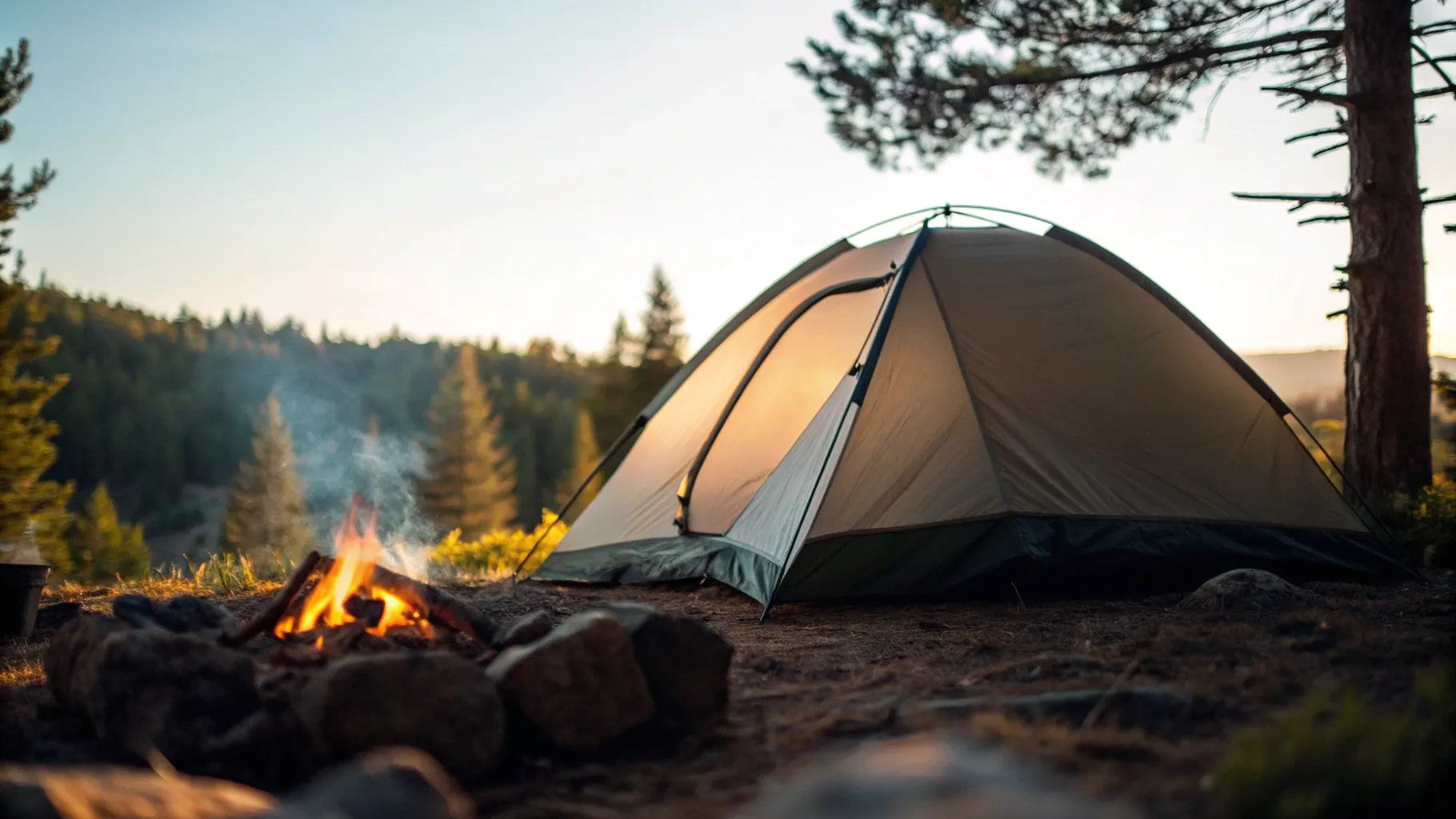
Credit: www.battlbox.com
Frequently Asked Questions
How Can I Safely Heat A Tent In Cold Weather?
Use a tent-safe stove or heater designed for indoor use. Ensure proper ventilation to avoid carbon monoxide buildup. Always follow manufacturer guidelines and never leave heat sources unattended inside the tent for safety.
What Materials Help Keep A Tent Warm?
Insulating materials like foam pads, thermal blankets, and insulated ground covers retain heat. Using windproof and waterproof tent fabrics also prevents heat loss. Layering helps maintain a cozy interior temperature during cold camping trips.
How Does Body Heat Warm A Tent?
Body heat from occupants generates warmth inside the tent. Sharing sleeping bags and using insulated liners enhances this effect. Limiting tent openings reduces heat escape, making your tent warmer overnight.
Can A Campfire Warm My Tent Effectively?
A campfire warms the surrounding area but cannot safely heat inside a tent. Sparks and smoke pose fire hazards and health risks. Use campfires only outside and keep your tent at a safe distance.
Conclusion
Warming a tent can make your camping trip much more comfortable. Use safe heat sources and proper insulation to stay cozy. Keep air flowing to avoid moisture and stuffiness. Dress warmly and use sleeping bags suited for cold weather. Small steps can create a warm, inviting space inside your tent.
Enjoy your outdoor adventure without feeling cold or uncomfortable. Stay safe, warm, and happy camping!