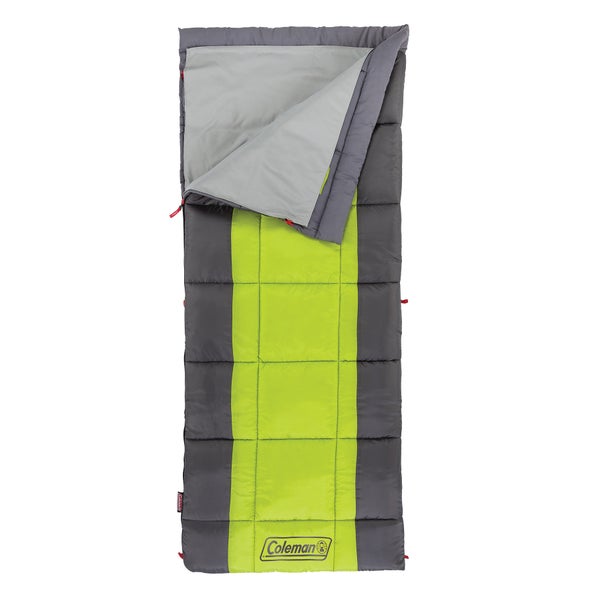
Your Coleman sleeping bag is your trusty companion on every adventure. But after countless nights under the stars, it’s bound to get dirty and smelly.
Washing it properly is key to keeping it fresh, comfy, and long-lasting. If you’re wondering how to clean your Coleman sleeping bag without damaging it, you’re in the right place. This guide will walk you through simple, effective steps that anyone can follow.
Ready to bring your sleeping bag back to life? Let’s dive in.
Choosing The Right Washing Method
Cleaning your Coleman sleeping bag properly keeps it fresh and lasts longer. Picking the right washing method matters to protect the fabric and insulation.
This guide helps you decide if you should machine wash or hand wash your sleeping bag. It also explains how to read the care label for the best results.
Machine Wash Vs. Hand Wash
Machine washing is easy but may be rough on the sleeping bag. Hand washing is gentler but takes more time and effort.
- Machine Wash: Use a front-loading washer on a gentle cycle with cold water.
- Hand Wash: Fill a bathtub or large basin with cool water and mild detergent.
- Drying: Always air dry or use a dryer on low heat if allowed.
- Detergent: Use mild, non-detergent soap made for outdoor gear.
Checking The Care Label
The care label on your Coleman sleeping bag gives important washing instructions. Follow these to avoid damage and keep your sleeping bag in good shape.
| Symbol | Meaning | Advice |
| Machine wash symbol | Safe for machine wash | Use gentle cycle, cold water |
| Hand wash symbol | Hand wash only | Wash gently by hand |
| Do not wash symbol | Do not wash | Spot clean or use professional cleaning |
| Tumble dry symbol | Safe for tumble dry | Dry on low heat |
| Do not tumble dry symbol | Do not tumble dry | Air dry only |
Preparing The Sleeping Bag
Washing your Coleman sleeping bag is important to keep it clean. Follow these steps to prepare it for washing.
Proper preparation helps maintain the sleeping bag’s condition and ensures a thorough wash.
Removing Dirt And Debris
Shake out the sleeping bag to remove loose dirt. This helps get rid of sand, leaves, and other debris.
Use a soft brush to gently remove stuck-on dirt. Pay attention to seams and corners.
- Turn the bag inside out for better cleaning.
- Brush lightly to avoid damaging the fabric.
Closing Zippers And Velcro
Zip up all zippers before washing. This prevents them from snagging and causing damage.
Make sure Velcro fasteners are closed. This helps protect the fabric and keeps the Velcro clean.
- Check that all zippers are fully closed.
- Press Velcro strips together firmly.
Selecting The Best Detergent
Choosing the right detergent is important for washing your Coleman sleeping bag. The detergent should clean well and keep the fabric safe. Using the wrong detergent can harm the sleeping bag’s insulation and material.
It is best to use gentle products that protect the sleeping bag’s quality. Avoid harsh chemicals and strong detergents that might damage it.
Using Mild Detergents
Mild detergents clean your sleeping bag without hurting the fabric or filling. They keep the insulation soft and fluffy. Use detergents made for delicate or outdoor gear.
These detergents do not leave strong residues. They rinse out easily and help keep the sleeping bag fresh and clean.
- Choose liquid detergents over powders
- Look for products labeled safe for down or synthetic fills
- Use a small amount to avoid build-up
- Test on a small area if unsure
Avoiding Fabric Softeners And Bleach
Do not use fabric softeners on your Coleman sleeping bag. They can clog the fabric pores and reduce breathability. Softener also harms the water-resistant coating.
Avoid bleach because it weakens the fabric fibers. Bleach can cause holes and damage the sleeping bag’s durability. It also changes the color and texture of the material.
- Skip fabric softeners to keep fabric breathable
- Never use bleach to protect fabric strength
- Stick to gentle detergents only
Washing Steps For Machine Cleaning
Cleaning your Coleman sleeping bag in a washing machine keeps it fresh and ready. Use the right settings and handle the bag with care.
Follow these steps to wash your sleeping bag safely in a machine without damage.
Setting The Washer Cycle
Choose a gentle cycle to protect the sleeping bag’s fabric and insulation. Use cold water to avoid shrinking or damage.
- Select the delicate or gentle wash cycle on your machine.
- Set the water temperature to cold or cool.
- Use a mild detergent that is safe for down or synthetic filling.
- Avoid bleach or fabric softeners as they can harm the material.
- Choose an extra rinse if your machine allows it to remove all soap.
Loading The Sleeping Bag Properly
Place the sleeping bag loosely inside the washer. Do not overload the machine to ensure a good clean and avoid damage.
| Tip | Reason |
| Use a front-loading washer if possible | Prevents rough agitation that can tear fabric |
| Do not stuff the bag tightly | Allows water and detergent to reach all parts |
| Add tennis balls or dryer balls | Helps keep insulation fluffy during washing |
| Balance the load with towels if needed | Prevents washer from shaking excessively |
Hand Washing Instructions
Cleaning your Coleman sleeping bag by hand helps keep it in good shape. This method is gentle and avoids damage.
Follow these simple steps to wash your sleeping bag carefully and effectively.
Filling The Tub
Start by filling a large tub or bathtub with lukewarm water. Use enough water to fully submerge the sleeping bag without forcing it.
Add a mild detergent designed for delicate fabrics or outdoor gear. Avoid bleach or harsh chemicals.
- Fill tub with water about 2 feet deep
- Use mild detergent, about 1/4 cup per tub
- Mix detergent well before adding the bag
- Make sure water temperature is lukewarm, not hot
Gentle Soaking And Agitation
Place the sleeping bag in the water and gently press it down to soak. Let it rest for 15 to 30 minutes to loosen dirt.
| Action | Description |
| Soak | Let the sleeping bag sit in water for 15-30 minutes |
| Agitate | Gently move the bag by hand to release dirt |
| Rinse | Drain soapy water and refill tub with clean water |
| Repeat | Rinse until no soap remains, usually 2-3 times |
Do not wring or twist the sleeping bag. This can damage the insulation and fabric.

Credit: topaccountant.uk
Drying The Sleeping Bag
Drying your Coleman sleeping bag properly helps keep it warm and comfortable. Wet sleeping bags can lose their insulation and take a long time to dry.
Use the right drying methods to protect the fabric and fill. Avoid rushing the process to keep your sleeping bag in good shape.
Air Drying Tips
Air drying is the safest way to dry your sleeping bag. It keeps the fabric safe from heat damage and preserves the insulation.
- Find a shaded, well-ventilated area to hang the bag.
- Use a large drying rack or clothesline to spread it out fully.
- Avoid direct sunlight to prevent fabric fading and damage.
- Turn the bag over every few hours to dry evenly.
- Allow at least 24 hours for complete drying.
Using A Dryer Safely
You can use a dryer if air drying is not possible. Use low heat and gentle settings to avoid damage.
| Dryer Setting | Recommended Use | Notes |
| Low Heat | Safe for drying sleeping bags | Prevents fabric and insulation damage |
| Tumble Dry | Helps fluff the insulation | Add clean tennis balls to improve loft |
| High Heat | Not recommended | Can melt or shrink fabric |
Fluffing To Restore Loft
Fluffing your sleeping bag helps restore its warmth. It breaks up clumps in the insulation and keeps the bag soft.
- Shake the bag gently after drying.
- Lay it flat and pat it to spread the fill.
- Use your hands to lift and press the insulation evenly.
- Store the bag loosely to keep the loft intact.
Maintaining Freshness Between Washes
Keeping your Coleman sleeping bag fresh is important for a good night’s rest. Washing it too often can wear it out. You can keep it clean and fresh without washing every time.
There are easy ways to keep your sleeping bag fresh. Proper storage and spot cleaning help a lot. These methods save time and keep your bag in great shape.
Proper Storage Techniques
Store your sleeping bag in a dry, cool place to avoid odors and damage. Keep it loose, not compressed, so the insulation stays fluffy.
- Use a large cotton or mesh storage sack, not the tight stuff sack
- Hang your sleeping bag on a wide hanger if possible
- Keep it away from direct sunlight and damp areas
- Make sure it is completely dry before storing
Proper storage keeps your sleeping bag fresh and ready for your next trip. It also helps the material last longer.
Spot Cleaning Methods
Spot cleaning removes small stains and dirt without washing the whole bag. It helps keep your sleeping bag fresh between washes.
- Use a mild soap mixed with water
- Dab the stain gently with a sponge or cloth
- Rinse the spot with a clean damp cloth
- Let the area air dry completely before storing
Spot cleaning saves time and protects your sleeping bag’s insulation. Only clean the dirty parts to avoid wear.

Credit: www.amazon.com

Credit: www.amazon.ca
Frequently Asked Questions
How Often Should I Wash My Coleman Sleeping Bag?
You should wash your Coleman sleeping bag after every 3-4 uses or when it looks dirty. Regular washing keeps it fresh and maintains insulation.
Can I Machine Wash A Coleman Sleeping Bag?
Yes, you can machine wash a Coleman sleeping bag. Use a gentle cycle with cold water and mild detergent for best results.
What Detergent Is Best For Cleaning Sleeping Bags?
Use a mild, non-detergent soap or a cleaner specially made for sleeping bags. Avoid harsh detergents to protect the fabric and insulation.
How Do I Dry My Coleman Sleeping Bag Properly?
Air dry your sleeping bag or tumble dry on low heat with clean tennis balls. This helps maintain loft and prevents damage.
Conclusion
Washing your Coleman sleeping bag keeps it fresh and comfy. Use gentle soap and cold water for best results. Avoid harsh chemicals or strong machines to protect the fabric. Dry it slowly, away from direct heat or sunlight. Clean bags last longer and stay warm on every trip.
Remember, regular care helps your gear perform well. Now, your sleeping bag is ready for the next adventure. Simple steps make a big difference in camping comfort.