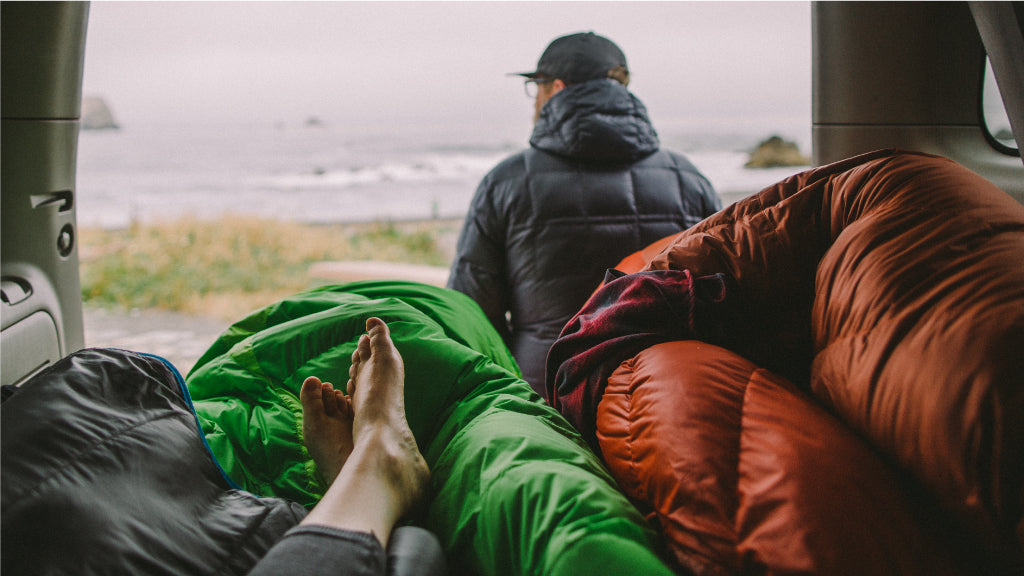
Your polyester sleeping bag is your trusty companion on every adventure. But when was the last time you gave it a proper wash?
Cleaning it the right way can keep it fresh, extend its life, and make sure it stays cozy for many trips to come. If you’re wondering how to wash a polyester sleeping bag without damaging it, you’re in the right place.
Keep reading, and you’ll discover simple, step-by-step tips that make this chore easy and effective—so your sleeping bag feels like new every time you unzip it.

Credit: www.salewa.com
Choosing The Right Cleaning Method
Cleaning a polyester sleeping bag keeps it fresh and lasts longer. Choosing the right method protects the fabric and filling.
Different cleaning ways work better for certain stains and conditions. Pick one based on your sleeping bag’s dirt and care label.
Machine Washing Vs Hand Washing
Machine washing is quick and easy for many polyester sleeping bags. Use a front-loading washer on a gentle cycle.
Hand washing gives you more control. It is better for small stains or delicate bags that might get damaged in a machine.
- Machine washing uses cold water and mild detergent
- Hand washing needs a large tub or bathtub with gentle soap
- Machine washing requires careful drying to avoid clumps
- Hand washing takes more time but reduces wear on fabric
Spot Cleaning Tips
Spot cleaning fixes small stains without washing the whole bag. Use it for dirt, food, or mud spots.
Apply mild soap with a soft cloth or sponge. Gently rub the stain and rinse with cold water.
- Test soap on a small area first
- Use a soft brush for tough stains
- Avoid harsh chemicals that can damage polyester
- Let the area air dry completely before storing

Credit: www.familyhandyman.com
Preparing Your Sleeping Bag
Washing a polyester sleeping bag is essential for its longevity. Proper preparation ensures effective cleaning.
Begin by getting your sleeping bag ready. This will make washing easier and more efficient.
Emptying And Inspecting
First, empty your sleeping bag. Make sure to remove all items like socks and flashlights.
Inspect the bag for any damage. Check for holes or weak seams that need repair before washing.
- Empty all pockets
- Check for tears
- Look for worn areas
Removing Loose Dirt And Debris
Shake your sleeping bag outdoors. This helps remove loose dirt and small debris.
Use a soft brush to gently clean the surface. Focus on areas with visible dirt.
- Shake the bag vigorously
- Brush with a soft bristle brush
- Pay attention to zippers and seams
Selecting Detergents And Supplies
Washing a polyester sleeping bag needs care. Picking the right detergent and supplies helps keep it clean and safe.
Using wrong products can damage the fabric or reduce warmth. Choose mild and suitable options for the best results.
Best Detergents For Polyester
Choose detergents made for synthetic fabrics. They clean well without harming polyester fibers or coatings.
Look for liquid detergents because powders may leave residue. Use small amounts to avoid buildup inside the sleeping bag.
- Liquid detergents labeled for polyester or synthetic clothes
- Detergents free of fabric softeners
- Mild soaps made for delicate outdoor gear
- Products that do not require bleach
Avoiding Harsh Chemicals
Harsh chemicals can break down polyester fibers. They also harm the water-resistant coatings inside sleeping bags.
Stay away from bleach, fabric softeners, and strong stain removers. These weaken the fabric and reduce insulation.
- No chlorine or oxygen bleach
- No fabric softeners or dryer sheets
- Avoid detergents with strong fragrances or dyes
- Use gentle, eco-friendly cleaning products
Step-by-step Washing Process
Washing a polyester sleeping bag keeps it clean and fresh. It also helps keep the insulation working well.
Follow simple steps to wash your sleeping bag safely. Choose machine washing or hand washing based on your gear and preference.
Machine Washing Instructions
Use a front-loading washing machine if possible. Avoid top loaders with agitators, as they can damage the bag.
Wash your polyester sleeping bag with gentle detergent made for synthetic fabrics. Do not use bleach or fabric softeners.
- Place the sleeping bag in the washing machine.
- Set the machine on cold water and gentle cycle.
- Use a small amount of mild detergent.
- Run an extra rinse cycle to remove all soap.
- Gently squeeze out excess water without wringing.
Hand Washing Instructions
Hand washing is gentle and good for delicate sleeping bags. Use a large tub or bathtub to wash it.
Use mild detergent and cold water. Soak the bag and gently move it around to clean.
- Fill a tub with cold water and mild detergent.
- Submerge the sleeping bag completely.
- Gently squeeze and press the bag to clean it.
- Let it soak for 15-30 minutes.
- Drain soapy water and rinse with clean water.
- Repeat rinsing until no soap remains.
- Press out water without twisting or wringing.
Drying Techniques
Drying a polyester sleeping bag correctly keeps it fresh and lasts longer.
Use gentle methods to avoid damage and maintain insulation.
Air Drying Tips
Air drying is the safest way to dry your polyester sleeping bag.
- Find a shaded, well-ventilated area to hang the bag.
- Lay it flat on a clean surface if hanging is not possible.
- Shake the bag gently to spread the filling evenly.
- Turn the bag occasionally to speed up drying.
- Avoid direct sunlight to prevent fabric damage.
Using A Dryer Safely
Dryers can be used but with care to protect the sleeping bag.
| Dryer Setting | Recommendation |
| Heat Level | Low or no heat |
| Cycle Type | Gentle or delicate |
| Drying Time | Check often, do not overdry |
| Extras | Add clean tennis balls to keep loft |

Credit: gearjunkie.com
Maintaining Your Sleeping Bag Post-wash
Cleaning your polyester sleeping bag is important. After washing, take steps to keep it in good shape. Proper care helps the bag last longer and stay comfortable.
Knowing how to store and maintain your sleeping bag after washing will protect its insulation and fabric. This guide covers the best ways to do that.
Proper Storage Methods
Store your sleeping bag loosely to keep its loft. Avoid tight compression after washing because it can damage the insulation.
Use a large cotton storage sack or hang the bag in a cool, dry place. Keep it away from direct sunlight and moisture to prevent damage.
- Do not store in a small stuff sack for long periods
- Keep the bag in a breathable storage bag or hang it
- Store in a cool, dry, and dark area
- Make sure the bag is completely dry before storing
Regular Maintenance Practices
Check your sleeping bag regularly for dirt and damage. Spot clean small stains to avoid frequent full washes.
Air out your sleeping bag after each use. This helps remove moisture and odors, keeping the insulation fresh.
- Inspect zippers and seams for tears
- Brush off dirt and debris after each use
- Air the bag in a shaded area to dry
- Only wash when necessary to protect fabric and fill
Common Washing Mistakes To Avoid
Washing a polyester sleeping bag is easy if you know what to avoid. Many people make mistakes that damage the bag or reduce its warmth.
Knowing the common mistakes helps keep your sleeping bag clean and in good shape for a long time.
Using Harsh Detergents
Strong detergents can harm the polyester fibers and the insulation inside the sleeping bag. Always choose a gentle or specialized cleaner made for synthetic fabrics.
Washing At High Temperatures
Hot water can melt or weaken polyester fibers. Use cold or warm water only to avoid damaging the fabric and filling.
Skipping The Rinse Cycle
Not rinsing well leaves detergent residue in the sleeping bag. This residue can cause stiffness and skin irritation.
Drying Mistakes That Harm The Bag
Drying your sleeping bag incorrectly can cause clumping of the filling and fabric damage. Avoid direct sunlight and high heat settings.
- Do not use high heat in the dryer.
- Use a low heat or air-dry setting.
- Add clean tennis balls to the dryer to keep insulation fluffy.
- Never hang the bag by its loops to dry; it can stretch the fabric.
Ignoring The Washing Instructions
Extending The Life Of Your Polyester Bag
Polyester sleeping bags are strong and easy to care for. Proper washing and handling help them last longer. Taking care of your bag keeps it warm and comfortable for many trips.
This guide gives simple tips for handling, usage, and fixing small damages. These steps protect your sleeping bag from wear and tear.
Handling And Usage Tips
How you use and store your polyester sleeping bag affects its life. Follow these tips to keep it in good shape.
- Always dry your bag completely before storing it.
- Use a large, breathable storage sack instead of a tight stuff sack.
- Avoid sitting or standing on the bag to prevent damage to the fabric and insulation.
- Keep the bag away from sharp objects and rough surfaces.
- Wash your bag only when needed to avoid breaking down the fibers.
Repairing Minor Damages
Small tears or holes can make your sleeping bag less warm. Fixing these early helps keep your bag working well.
| Damage Type | Repair Method | Materials Needed |
| Small Tear | Sew with a needle and polyester thread | Needle, thread, scissors |
| Hole | Use fabric repair tape or patch | Repair tape or patch, scissors |
| Broken Zipper | Replace slider or use zipper lubricant | Zipper slider, lubricant |
Frequently Asked Questions
How Often Should I Wash A Polyester Sleeping Bag?
Wash your polyester sleeping bag after 3-4 uses or if it’s visibly dirty. Frequent washing can reduce insulation and fabric life. Spot clean minor stains to maintain freshness between washes.
What Is The Best Detergent For Polyester Sleeping Bags?
Use a mild, non-detergent cleaner designed for synthetic fabrics. Avoid bleach and fabric softeners as they can damage the fibers and reduce water resistance.
Can I Machine Wash A Polyester Sleeping Bag Safely?
Yes, use a front-loading washing machine with a gentle cycle and cold water. Avoid top-loading machines with agitators that can damage the bag’s insulation.
How Do I Dry A Polyester Sleeping Bag Properly?
Air dry your sleeping bag flat or hang it in a shaded, ventilated area. Avoid direct sunlight and high heat from dryers to prevent fabric damage.
Conclusion
Washing a polyester sleeping bag keeps it fresh and lasts longer. Use gentle soap and cold water to protect the fabric. Avoid harsh scrubbing or high heat to prevent damage. Dry it slowly in a shaded area or use a low dryer setting.
Clean bags stay warm and comfy on every trip. Taking care of your sleeping bag saves money and effort. Ready for your next outdoor adventure with a clean, cozy bag? Simple steps make a big difference.