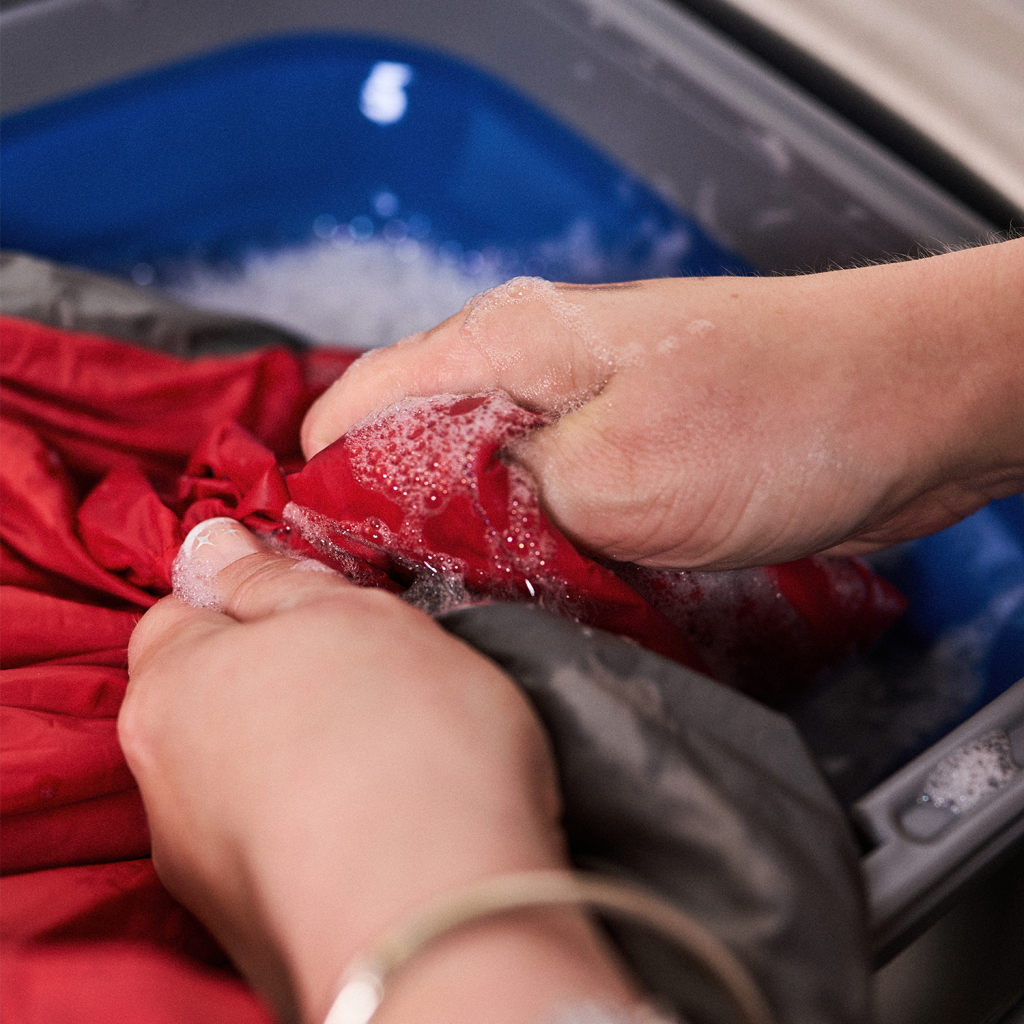
Washing your sleeping bag might seem tricky, but it doesn’t have to be. If you want to keep your gear fresh, clean, and ready for your next adventure, knowing how to wash a sleeping bag in a washing machine is a skill you need.
You might worry about ruining the insulation or damaging the fabric, but with the right steps, you can easily refresh your sleeping bag without any hassle. Keep reading, and you’ll learn simple, effective tips that protect your investment and make your next camping trip more comfortable.
Choose The Right Washing Machine
Washing a sleeping bag in a machine needs care. Picking the right washer helps keep it clean and safe.
Not all washing machines work well for bulky sleeping bags. You must know which type fits your needs.
Front-load Vs Top-load Machines
Front-load washers spin clothes more gently. They use less water and are better for big items like sleeping bags.
Top-load washers fill with water and agitate more. They can be rougher on delicate fabrics and may cause damage.
- Front-load machines are gentler on sleeping bags
- Top-load machines may twist or tear fabric
- Front-load washers save water and energy
- Top-load washers can be easier to load and unload
Capacity Considerations
Check the washer size before washing a sleeping bag. A small machine may not fit the bag well.
Choose a washer with enough space for the bag to move freely. This ensures it gets clean and rinsed properly.
- Large capacity washers handle bulky sleeping bags better
- Overcrowding can cause poor washing and damage
- Leave extra room for water and detergent to circulate
Prepare The Sleeping Bag
Washing a sleeping bag in a washing machine starts with proper preparation. Taking time to get it ready protects the fabric and filling. It also helps the bag clean evenly and last longer.
Follow these important steps before placing your sleeping bag in the washer. Each step ensures the best care for your sleeping bag’s material and features.
Check Care Labels
Always read the care labels sewn inside your sleeping bag. These labels give instructions about washing temperature, drying methods, and special care. Ignoring these can damage your sleeping bag.
| Label Instruction | Meaning |
| Machine Wash Cold | Use cold water only, no hot water |
| Do Not Bleach | Avoid bleach or harsh chemicals |
| Tumble Dry Low | Dry on a low heat setting |
| Do Not Iron | Ironing can damage fabric and filling |
Close Zippers And Velcro
Before washing, zip up all zippers and fasten all Velcro strips. This prevents snags and tears during the wash cycle. It also keeps the bag’s shape intact.
- Zip all main and pocket zippers completely
- Press Velcro strips firmly together
- Check for any broken or stuck zippers
- Repair or avoid washing if needed
Remove Loose Dirt And Debris
Cleaning off dirt before washing helps protect your machine and improves the wash. Use a soft brush or shake out the bag outdoors. Focus on areas with visible soil or dust.
- Shake the sleeping bag outside to remove dust
- Brush off mud or dirt with a soft brush
- Spot clean stubborn stains before washing
- Empty any pockets of small debris
Select Suitable Detergent
Choosing the right detergent is important for washing your sleeping bag. The wrong detergent can damage the fabric or reduce its warmth.
Use detergents that clean well but are gentle on materials. This helps keep your sleeping bag in good shape for many trips.
Use Mild Detergents
Mild detergents are best for washing sleeping bags. They clean without hurting the fabric or insulation.
Look for detergents made for delicate clothes or outdoor gear. These keep your sleeping bag soft and warm.
- Use liquid detergents instead of powders
- Choose detergents without strong chemicals
- Test a small area if unsure about detergent
Avoid Fabric Softeners And Bleach
Do not use fabric softeners or bleach on your sleeping bag. These can damage the fabric and insulation.
Fabric softeners leave a coating that reduces warmth. Bleach breaks down fibers and causes discoloration.
- Skip fabric softeners to keep insulation effective
- Avoid bleach to protect color and material strength
- Use water and mild detergent only

Credit: alpkit.com
Set Proper Washing Cycle
Washing a sleeping bag in a machine needs care. Using the right washing cycle helps keep it safe.
This guide explains how to set the proper washing cycle for your sleeping bag.
Choose Gentle Or Delicate Cycle
Pick the gentle or delicate cycle on your washing machine. These cycles move slowly and use less agitation.
This protects the sleeping bag’s fabric and filling from damage during the wash.
- Prevents tearing or stretching
- Maintains insulation material
- Reduces wear on zippers and seams
Select Cold Or Warm Water
Use cold or warm water for washing your sleeping bag. Hot water can harm the fabric and filling.
Cold water saves color and keeps the bag from shrinking or losing shape.
- Cold water is best for synthetic sleeping bags
- Warm water works for some down bags, but check care labels
- Avoid hot water to protect insulation and fabric
Drying The Sleeping Bag
After washing your sleeping bag, drying it properly is very important. Drying helps keep the insulation fluffy and the bag fresh. You can use a machine dryer or air dry it safely.
Use the right methods to avoid damage and keep your sleeping bag warm for your next trip.
Tumble Dry On Low Heat
Set your dryer to a low heat setting to protect the sleeping bag’s insulation. High heat can melt or damage the fabric and filling. Dry the bag slowly to keep it in good shape.
Use Dryer Balls Or Tennis Balls
Adding dryer balls or clean tennis balls helps keep the insulation fluffy during drying. They break up clumps and improve air flow inside the bag.
- Place 2 or 3 dryer balls or tennis balls in the dryer with the sleeping bag.
- Check the bag regularly to avoid overheating.
- Remove the bag when it is completely dry to prevent mildew.
Air Drying Tips
If you prefer air drying, choose a shaded, well-ventilated area. Avoid direct sunlight because it can fade colors and weaken fabric.
| Air Drying Tips | Why It Helps |
|---|---|
| Hang the sleeping bag loosely | Allows air to flow inside and dry evenly |
| Turn the bag occasionally | Prevents damp spots and mildew growth |
| Use a drying rack or clothesline | Keeps the bag off the ground and clean |
| Pat the bag gently to restore loft | Fluffs insulation as it dries |

Credit: www.halfwayanywhere.com
Additional Care Tips
Washing a sleeping bag in a machine needs some extra care. Proper steps keep it clean and safe. These tips help your sleeping bag last longer and stay cozy.
Follow these simple guidelines for storing, washing frequency, and stain handling. They protect the fabric and insulation of your sleeping bag.
Store Properly After Washing
After washing, dry your sleeping bag fully before storing. Store it loose, not compressed, to keep its loft and warmth. Avoid damp or direct sunlight spots to prevent damage.
- Use a large cotton storage sack or hang it in a closet.
- Keep it in a cool, dry place.
- Do not store in a tight stuff sack for long periods.
- Check for moisture regularly to avoid mold.
Frequency Of Washing
Washing your sleeping bag too often can wear it out. Wash it only when needed. Spot clean small areas to avoid full washes.
| Use | Wash Frequency |
| Occasional camping | Once per season |
| Regular use (weekly) | Every 3–4 months |
| Heavy use or dirt | After every trip |
Handling Stains Before Washing
Remove stains gently before washing. Use mild soap and cold water. Avoid harsh chemicals that harm fabric and insulation.
- Apply a small amount of mild soap to the stain.
- Use a soft cloth or sponge to dab, not rub.
- Rinse with cold water carefully.
- Repeat if needed before machine wash.

Credit: www.familyhandyman.com
Frequently Asked Questions
How Do I Prepare A Sleeping Bag For Machine Washing?
Remove dirt and debris first. Zip the bag fully. Use a front-loading washer to avoid damage. Check the care label for specific instructions.
What Detergent Is Best For Washing Sleeping Bags?
Use a gentle, non-detergent cleaner designed for down or synthetic sleeping bags. Avoid bleach and fabric softeners to protect insulation and fabric.
Can I Use A Regular Washing Machine For My Sleeping Bag?
Yes, but a large front-loading machine is best. Avoid top-loaders with agitators, as they can damage the bag’s insulation and fabric.
How Do I Dry A Sleeping Bag After Washing?
Tumble dry on low heat with clean tennis balls to restore loft. Avoid high heat to prevent fabric damage and shrinkage.
Conclusion
Washing your sleeping bag can be simple and effective. Just follow the steps above to keep it clean. Proper care helps your sleeping bag last longer. Always check the label for specific instructions. Use mild detergent and gentle settings. Avoid hot water and harsh chemicals.
Dry it thoroughly to prevent mold. Clean sleeping bags feel fresh and cozy. They also provide better insulation. Regular washing keeps your gear in top shape. With these tips, enjoy more comfortable camping trips. Happy camping!