You love your sleeping bag—it keeps you warm and cozy on every adventure. But when was the last time you gave it a proper clean?
Washing your sleeping bag in a washing machine might seem tricky, but it’s easier than you think. If you want to keep your gear fresh, smelling great, and performing at its best, you need to know the right way to do it.
Stick with me, and I’ll show you exactly how to wash your sleeping bag safely and effectively, so it lasts for many trips to come. Ready to make your sleeping bag feel like new again? Let’s dive in!
Choosing The Right Washing Machine
Washing a sleeping bag needs care to keep it clean and safe. Picking the right washing machine helps protect its fabric and filling.
Not all machines are good for washing big, bulky sleeping bags. You need one that can handle the size and weight without damage.
Front-loading Vs. Top-loading Machines
Front-loading machines are better for washing sleeping bags. They use less water and spin faster to remove water well.
Top-loading machines with agitators can be rough on sleeping bags. They may tear or wear out the fabric.
- Front-loading machines are gentler on fabrics
- Top-loading machines with agitators can cause damage
- Choose machines without agitators if using top-loaders
Capacity Size Of The Washing Machine
Pick a washing machine with enough space for your sleeping bag. It needs room to move freely inside the drum.
A small machine may squash the bag and not clean it well. Larger capacity machines help the bag wash evenly.
- Check the machine’s drum size before washing
- Choose large-capacity machines for bulky sleeping bags
- Extra space helps prevent damage during washing
Gentle Wash Settings
Use machines with gentle or delicate wash cycles. These settings protect the sleeping bag’s fabric and filling.
Fast or heavy cycles can harm the bag. Look for machines that let you adjust the wash speed and spin speed.
- Choose gentle wash or delicate cycles
- Use slow spin speed to avoid damage
- Adjust water temperature to cold or warm
Availability Of Extra Rinse Option
Extra rinse helps remove soap from the sleeping bag. Some machines have a special extra rinse setting for better cleaning.
This option is useful because soap left inside can harm the bag’s material and cause stiffness.
- Look for machines with extra rinse feature
- Extra rinse ensures no soap remains
- Better for sensitive fabrics and fillings

Credit: www.gearaid.com
Selecting The Appropriate Detergent
Washing a sleeping bag in a machine needs the right detergent. The detergent should clean well without harming the materials.
Using the wrong detergent can damage the insulation or fabric. Choose one that keeps your sleeping bag safe and fresh.
Use A Mild Detergent
Mild detergents have gentle cleaning agents. They protect the sleeping bag’s fabric and filling from damage.
Strong detergents can strip oils from down or synthetic insulation. Mild options keep the bag fluffy and warm.
- Look for detergents labeled “gentle” or “for delicate fabrics”
- Avoid bleach or fabric softeners
- Choose liquid detergent to dissolve easily
Choose A Detergent Made For Outdoor Gear
Special detergents for outdoor gear clean without harming water repellency. They keep your sleeping bag’s finish intact.
These detergents help maintain the bag’s ability to repel water and dry quickly after washing.
- Check for products labeled “technical wash” or “gear wash”
- They avoid residues that reduce water resistance
- Help preserve the sleeping bag’s performance
Avoid Detergents With Additives
Detergents with brighteners, perfumes, or enzymes can harm your sleeping bag. They leave residues or cause fabric wear.
Stick to plain detergents without extra chemicals to keep your bag soft and strong.
- No optical brighteners
- No added fragrances
- No enzymes or bleach
Preparing The Sleeping Bag
Preparing your sleeping bag before washing is important. It helps protect the fabric and keeps the bag in good shape.
Start by inspecting the bag carefully. This step prevents damage during the wash cycle.
Checking For Tears Or Damage
Look over your sleeping bag to find any tears, holes, or weak seams. Fixing these before washing saves you from bigger problems later.
- Turn the bag inside out to see all areas clearly.
- Use a bright light to spot small holes or thin fabric.
- Mark any damaged spots with a piece of tape or a pin.
- Consider patching tears or sewing loose seams before washing.
Zipping And Securing Fasteners
Before placing your sleeping bag in the washing machine, secure all zippers and fasteners. This stops damage to the bag and the machine.
| Fastener Type | Action to Take |
| Zippers | Close fully to prevent snagging |
| Velcro Straps | Fasten tightly to avoid catching fabric |
| Drawstrings | Tie or tuck inside to keep secure |
Setting The Wash Cycle
Washing a sleeping bag in a machine needs care. Setting the right wash cycle keeps it safe and clean.
Choosing the correct temperature and cycle type helps protect the fabric and filling. It also keeps the bag fluffy.
Choosing The Correct Temperature
Use cold or warm water only. Hot water can damage the sleeping bag’s insulation and fabric.
Cold water saves energy and prevents shrinking. Warm water helps remove dirt but should not be too hot.
- Cold water: Best for down and synthetic bags
- Warm water: Use if very dirty, but below 30°C (86°F)
- Avoid hot water above 40°C (104°F)
Selecting The Gentle Cycle
Pick the gentle or delicate cycle on your machine. It uses slow spin and less agitation.
This cycle protects the sleeping bag’s shape and filling. It stops the bag from getting damaged or tangled.
- Gentle cycle reduces wear on fabric
- Slow spin helps keep insulation fluffy
- Prevents zippers and seams from breaking
Drying The Sleeping Bag
Drying your sleeping bag properly keeps it warm and fluffy. Wet sleeping bags can get musty and lose insulation.
Choose the right drying method to protect your sleeping bag’s material and filling.
Using A Dryer With Caution
You can use a dryer to dry your sleeping bag, but do it carefully. Use a low heat setting to avoid damage.
High heat can melt synthetic fibers or harm down insulation. Add clean tennis balls or dryer balls to keep fluff.
- Set dryer to low or air fluff mode
- Use dryer balls to restore loft
- Check the bag often to prevent overheating
- Remove the bag when mostly dry to air dry completely
Air Drying For Best Results
Air drying is the safest way to dry your sleeping bag. It takes longer but protects the fabric and filling.
Hang the sleeping bag in a shady, well-ventilated area. Avoid direct sunlight to prevent color fading and damage.
- Hang the bag by the loops or spread it flat
- Flip and shake the bag often to keep filling even
- Allow plenty of time for the bag to dry fully
- Store only when the bag is completely dry
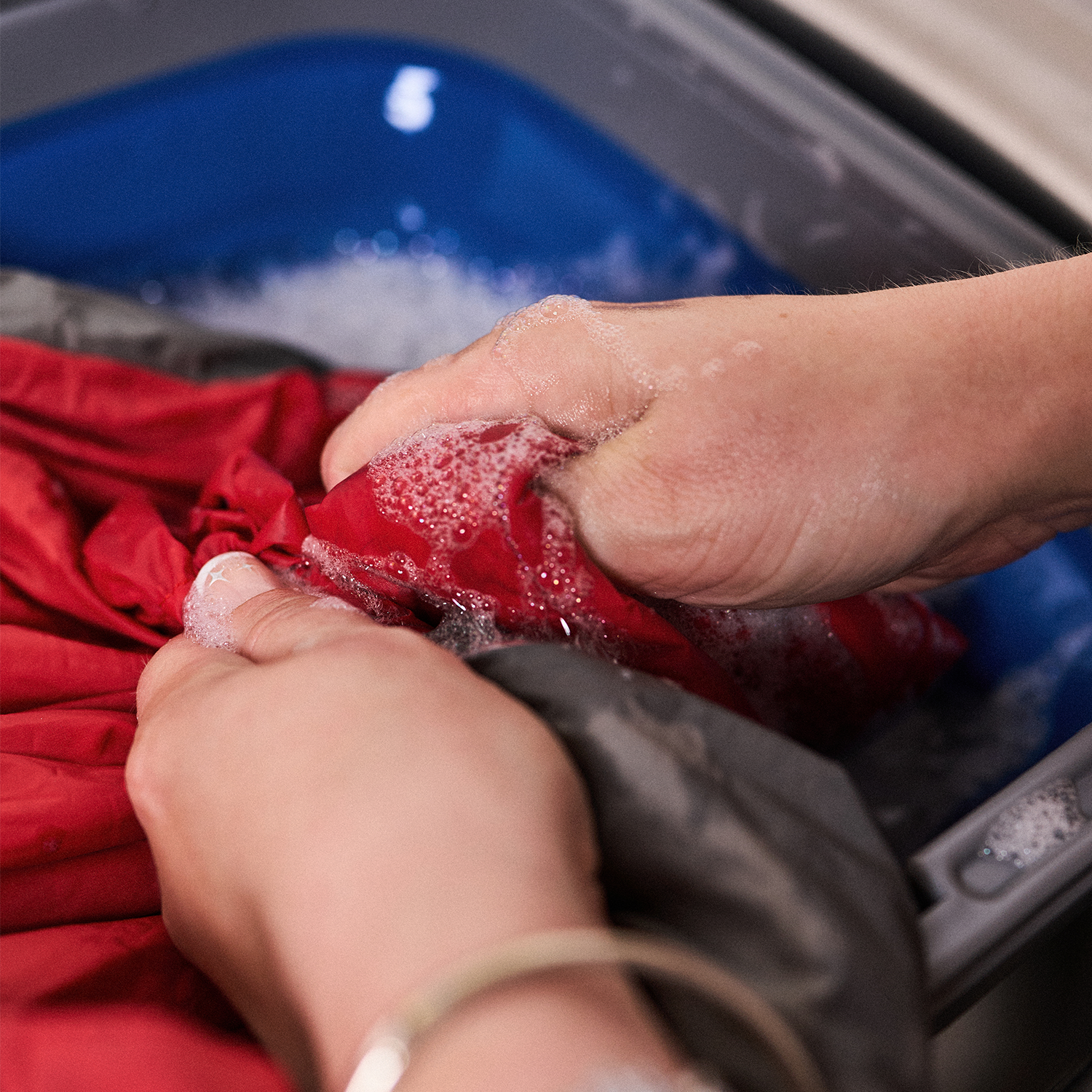
Credit: www.ellis-brigham.com
Storing The Sleeping Bag
Proper storage helps keep your sleeping bag clean and fluffy. It also extends its life and keeps it ready for your next trip.
After washing and drying your sleeping bag, store it carefully to avoid damage. Use the right techniques to keep the insulation safe.
Folding Techniques
Folding your sleeping bag loosely prevents damage to the insulation inside. Avoid tight folds that can crush the filling.
Use large, gentle folds or roll it loosely before placing it in storage. This keeps the bag’s shape and warmth intact.
- Lay the bag flat and fold in half lengthwise
- Fold loosely into large sections
- Roll gently without pressing hard
- Place in a breathable storage sack or hang
Avoiding Compression
Never store your sleeping bag in a tight stuff sack for long periods. Compression breaks down the insulation and reduces warmth.
Keep your sleeping bag in a large storage sack or hang it in a cool, dry place. This lets the filling keep its loft and stay soft.
- Use a loose cotton or mesh storage bag
- Hang the sleeping bag on a wide hanger
- Avoid placing heavy items on top
- Store in a dry, ventilated area
Common Mistakes To Avoid
Washing a sleeping bag in a washing machine needs care. Many people make errors that harm the bag or reduce its warmth.
Avoiding these mistakes helps keep your sleeping bag clean and safe for many trips.
Using The Wrong Detergent
Regular detergents can damage the insulation inside your sleeping bag. They strip natural oils and reduce loft, making the bag less warm.
- Do not use bleach or fabric softeners.
- Choose a detergent made for down or synthetic insulation.
- Use a small amount to avoid residue build-up.
Washing At High Temperatures
Hot water can ruin the fabric and insulation. It may cause clumping or shrinkage.
Always wash your sleeping bag in cold or lukewarm water to keep it safe.
Overloading The Washing Machine
Stuffing your sleeping bag into a small machine can stop it from cleaning well. It may also strain the washer’s motor.
| Mistake | Effect |
| Overloading machine | Poor cleaning and machine damage |
| Using harsh detergents | Loss of insulation and fabric damage |
| Washing with hot water | Shrinkage and clumping of insulation |
| Skipping rinse cycle | Detergent residue left on fabric |
| Not drying properly | Mold growth and bad odor |
Skipping The Rinse Cycle
Not rinsing well leaves detergent inside the bag. This can damage the fabric and cause skin irritation.
Always run an extra rinse cycle to remove all soap.
Improper Drying
Drying your sleeping bag incorrectly can harm insulation and cause bad smells. Never dry it in direct sunlight or on a hot radiator.
Use these tips for drying:
- Use a large dryer on low heat.
- Add clean tennis balls to help fluff insulation.
- Make sure the bag is completely dry before storing.
Maintaining Your Sleeping Bag
Keeping your sleeping bag clean helps it last longer. A clean sleeping bag also stays warm and comfortable. Washing it correctly is important to avoid damage.
This guide explains how to care for your sleeping bag using a washing machine. Follow these tips for regular cleaning and spot treatment.
Regular Cleaning Schedule
Washing your sleeping bag often can harm its insulation. Wash it only after several uses or when it smells bad. Use a gentle cycle and cold water in your washing machine.
- Use a front-loading washing machine if possible.
- Choose a mild detergent made for down or synthetic bags.
- Close all zippers and fasten Velcro straps.
- Run the machine on a gentle or delicate cycle.
- Rinse the bag twice to remove all soap.
- Dry the bag in a large dryer on low heat with clean tennis balls.
- Make sure the bag is completely dry before storing.
Spot Cleaning Tips
Spot cleaning saves water and protects your sleeping bag. Use this method to clean small stains or dirt without washing the whole bag.
| Spot Cleaning Materials | Purpose |
|---|---|
| Soft cloth or sponge | Gently scrub spots |
| Mild soap or detergent | Remove dirt without damage |
| Warm water | Help dissolve dirt |
| Towel | Dry cleaned area |
Mix a small amount of mild soap with warm water. Dip the cloth in the mix and gently rub the dirty area. Avoid soaking the fabric. Use a clean towel to pat dry.

Credit: www.familyhandyman.com
Frequently Asked Questions
How Do I Prepare My Sleeping Bag For Machine Washing?
First, zip up the sleeping bag and shake out debris. Use a front-loading washing machine to avoid damage. Check the care label for specific instructions before washing.
What Detergent Is Best For Washing A Sleeping Bag?
Use a mild, non-detergent soap or a cleaner made for outdoor gear. Avoid bleach and fabric softeners as they damage insulation and fabric.
What Water Temperature Should I Use To Wash A Sleeping Bag?
Wash your sleeping bag in cold or warm water, never hot. Hot water can damage insulation and reduce the bag’s effectiveness.
How Do I Dry A Sleeping Bag After Machine Washing?
Tumble dry on low heat with clean tennis balls to restore loft. Avoid high heat which can damage the fabric and insulation.
Conclusion
Washing a sleeping bag in a machine keeps it clean and fresh. Use gentle settings and mild detergent for best care. Always check the care label before starting. Dry the bag properly to keep its shape and warmth. Regular cleaning helps your sleeping bag last longer.
Now, enjoy your next camping trip with a fresh, comfy sleeping bag. Simple steps make a big difference. Easy to do, easy to keep clean.