
Your synthetic sleeping bag is your trusty companion on every adventure. But over time, dirt, sweat, and odors can build up, making it less comfortable and less effective.
Knowing how to wash a synthetic sleeping bag properly can save you from damage and keep it fresh for many trips to come. In this guide, you’ll discover simple, step-by-step tips that protect your gear and make cleaning easy. Ready to give your sleeping bag the care it deserves?
Let’s get started!
Prepare Your Sleeping Bag
Washing a synthetic sleeping bag starts with good preparation. Taking time before washing helps keep your bag safe and clean.
Follow simple steps to get your sleeping bag ready. This makes the cleaning process easier and more effective.
Check Care Labels
Look at the care labels sewn inside your sleeping bag. They give important washing and drying instructions.
Care labels tell you the best water temperature, detergent type, and if machine washing is safe. Always follow these rules.
Gather Cleaning Supplies
Collect all supplies before you start washing. This helps you stay organized and saves time.
- Mild, non-detergent soap made for synthetic fabrics
- Large front-loading washing machine or bathtub
- Soft brush or sponge for spot cleaning
- Clean towels for drying
- Mesh laundry bag if needed
Inspect For Damage
Check your sleeping bag for tears, holes, or broken zippers. Fix small problems before washing.
Repairing damage early stops dirt and water from getting inside. It also keeps the insulation safe during cleaning.

Credit: cascadedesigns.com
Choose The Right Washing Method
Cleaning a synthetic sleeping bag keeps it fresh and extends its life. Choosing the right washing method is key to avoid damage.
Some sleeping bags do well in machines, while others need gentle hand washing. Check the care label first.
Machine Washing Tips
Use a front-loading washing machine to protect the bag. Top loaders with agitators can tear the fabric.
Select a gentle cycle with cold water. Use a mild detergent made for synthetic fabrics.
- Do not use bleach or fabric softeners
- Close all zippers and Velcro before washing
- Wash the bag alone to avoid damage
- Run an extra rinse cycle to remove detergent
Hand Washing Steps
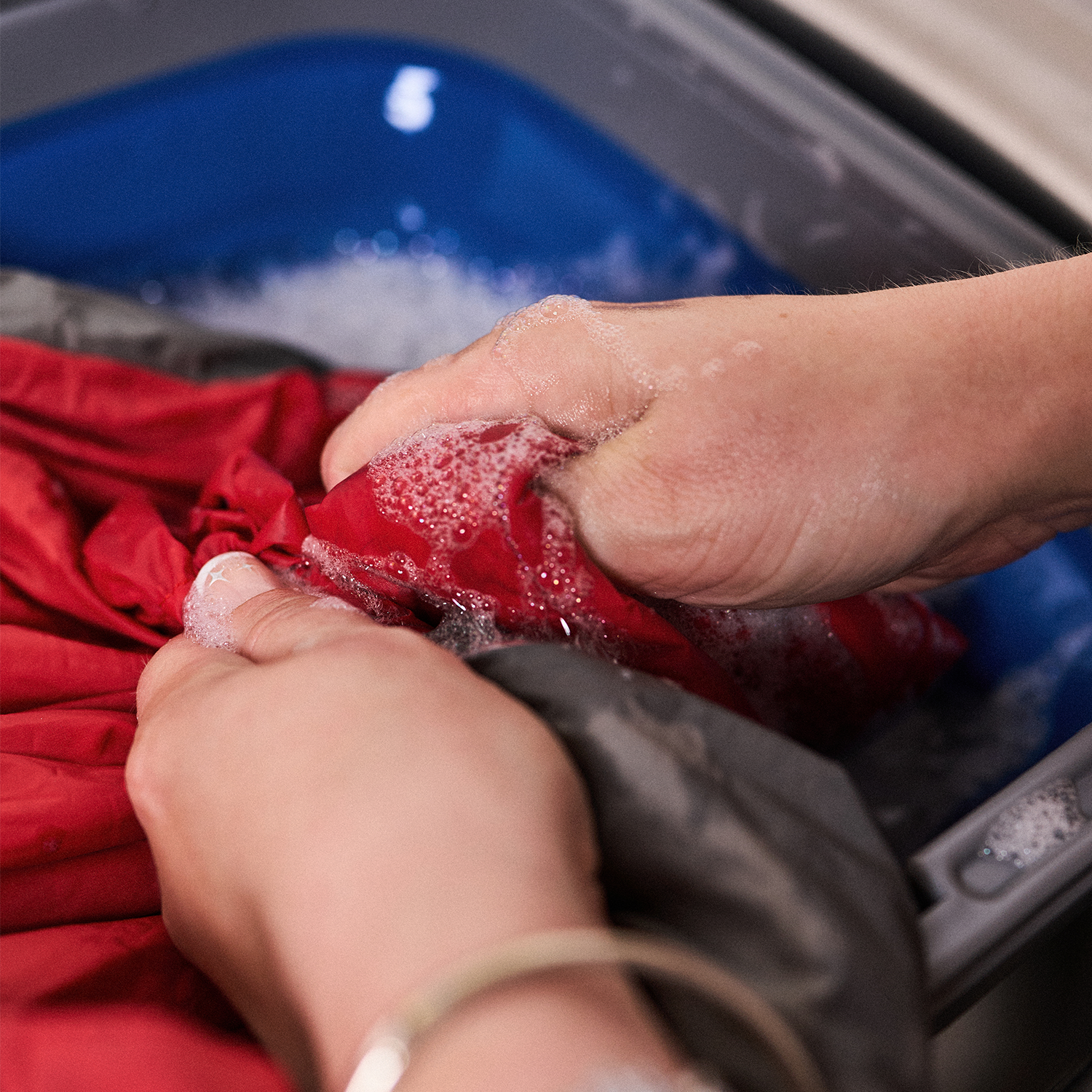
Fill a bathtub or large basin with cold water and mild detergent. Mix the water well to dissolve soap.
Submerge the sleeping bag and gently squeeze the water through. Avoid harsh scrubbing or twisting.
- Let the bag soak for 15-30 minutes
- Press water out slowly without wringing
- Rinse with clean cold water until soap is gone
- Lay flat or hang to dry away from direct sunlight
Select Suitable Detergents
Washing a synthetic sleeping bag needs gentle care. Picking the right detergent protects the bag’s material and keeps it clean.
Choosing detergents made for synthetic fabrics helps keep the sleeping bag soft and durable.
Avoid Harsh Chemicals
Harsh chemicals can damage the fibers in synthetic sleeping bags. They may cause the material to break down or lose insulation.
Steer clear of detergents with bleach, fabric softeners, or strong enzymes. These ingredients harm the bag’s performance.
- Do not use bleach or chlorine-based detergents
- Avoid fabric softeners that clog the fibers
- Skip detergents with strong enzymes or brighteners
Use Mild, Synthetic-friendly Detergents
Choose mild detergents made for synthetic fabrics. These keep the sleeping bag clean without harming the insulation.
Look for detergents labeled as gentle or synthetic-friendly. They help maintain the bag’s loft and water resistance.
- Mild detergents protect the synthetic fibers
- They prevent clumping of insulation
- Help keep water repellency intact
- Are free from harsh additives
Wash With Care
Cleaning a synthetic sleeping bag takes careful steps. Proper washing helps keep it warm and comfortable. Follow simple rules to avoid damage and maintain softness.
Use the right water temperature, gentle washing cycles, and thorough rinsing. These methods protect the fabric and filling inside your bag.
Set Proper Water Temperature
Use cold or warm water for washing your synthetic sleeping bag. Hot water can harm the fibers and reduce insulation. Keep the temperature below 30°C (86°F) to stay safe.
Use Gentle Cycle
A gentle washing cycle prevents tearing and keeps the filling evenly spread. Avoid strong spins and harsh agitation. Hand washing is an option but takes more time.
- Choose the delicate or gentle cycle on your machine
- Use a mild detergent designed for synthetic fabrics
- Close all zippers and fasten any Velcro straps
- Do not use bleach or fabric softeners
Rinse Thoroughly
Rinsing well removes all soap from the sleeping bag. Soap left inside can cause stiffness and attract dirt. Multiple rinses may be needed to clear detergent.
| Rinse Tips | Why It Matters |
| Use cold water for rinsing | Prevents damage to filling |
| Run at least two rinse cycles | Removes soap fully |
| Press gently to remove water | Avoids squeezing out filling |
Drying Techniques
Drying your synthetic sleeping bag properly keeps it in good shape. It stops bad smells and mold from growing.
Use the right drying methods to keep the bag soft and warm for your next trip.
Air Drying Tips
Air drying is gentle and safe for synthetic sleeping bags. It helps keep the bag’s fill and fabric strong.
- Find a shaded spot with good air flow.
- Lay the bag flat or hang it by the loops.
- Turn the bag occasionally to dry both sides.
- Keep it away from direct sunlight to avoid fading.
- Allow enough time; air drying can take many hours.
Using A Dryer Safely
A dryer can speed up drying. Use low heat to protect the bag’s fibers and insulation.
| Dryer Setting | Recommended | Not Recommended |
| Heat Level | Low or Air Fluff | High Heat |
| Dryer Time | Short Cycles (15-20 min) | Long Cycles |
| Additional Items | Tennis Balls to Fluff | Heavy Items with Bag |
Avoid Direct Heat
Direct heat can damage your synthetic sleeping bag. It weakens the fabric and fill.
- Do not place the bag near heaters or radiators.
- Avoid drying over a fire or on hot surfaces.
- Keep away from direct sunlight for long periods.
- Use gentle drying methods to keep the bag safe.
Credit: www.ellis-brigham.com
Maintain Freshness Between Washes
Keeping your synthetic sleeping bag fresh between washes helps it last longer. Dirt and sweat build-up can cause odors and damage the material.
Use simple methods to keep your sleeping bag clean and ready for your next trip.
Proper Storage
Store your sleeping bag loosely to keep the insulation fluffy. Avoid compressing it in tight spaces for long periods.
- Use a large cotton storage sack instead of a small stuff sack.
- Keep it in a dry, cool place away from direct sunlight.
- Ensure the sleeping bag is completely dry before storing.
Spot Cleaning
Spot cleaning removes small stains and dirt without a full wash. It saves time and protects the fabric.
Use mild soap and water with a soft cloth or sponge. Gently rub the dirty area and rinse with clean water. Let it air dry completely.
Regular Airing
Airing your sleeping bag helps remove moisture and odors. Do this after every use to keep it fresh.
| Airing Tips | Why It Helps |
| Hang your sleeping bag outside in shade | Dries moisture and reduces smell |
| Use a clothesline or a large hanger | Keeps shape without crushing insulation |
| Air for a few hours after each use | Prevents mildew and keeps fabric fresh |

Credit: www.ellis-brigham.com
Frequently Asked Questions
How Often Should I Wash My Synthetic Sleeping Bag?
Wash your synthetic sleeping bag every 20-30 uses or once a season. Frequent washing can reduce insulation effectiveness. Spot clean dirt and stains between washes. Always follow the care instructions on the label for best results. Proper maintenance will extend the life of your sleeping bag.
Can I Machine Wash A Synthetic Sleeping Bag?
Yes, you can machine wash a synthetic sleeping bag. Use a front-loading machine and mild detergent. Set the machine to a gentle cycle with cold water. Avoid using fabric softeners. After washing, air dry or tumble dry on low heat to prevent damage.
What Detergent Is Best For Synthetic Sleeping Bags?
Use a mild, non-detergent soap or a cleaner specifically designed for synthetic materials. Avoid regular laundry detergents, bleach, and fabric softeners, as they can damage the insulation. Special sleeping bag detergents maintain the loft and warmth of the bag, ensuring optimal performance.
How Do I Dry A Synthetic Sleeping Bag?
Air drying is best for synthetic sleeping bags. Lay it flat or hang it in a well-ventilated area. If using a dryer, select a low heat setting. Add clean tennis balls to the dryer to help maintain loft and prevent clumping of the insulation.
Conclusion
Washing a synthetic sleeping bag keeps it clean and fresh. Use gentle soap and cold water for best care. Avoid strong detergents that can damage the fabric. Dry it slowly, away from direct heat or sun. Regular cleaning helps your bag last longer and stay cozy.
Treat your sleeping bag right to enjoy many good nights outdoors. Simple steps make a big difference in its life. Clean gear means better comfort on every trip.