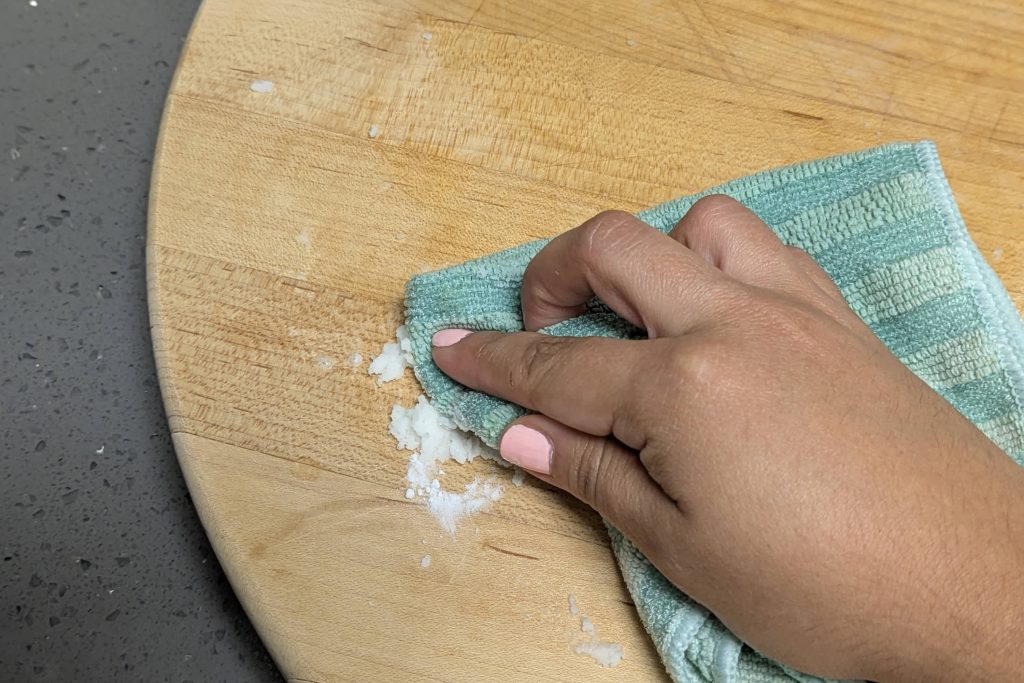
Your wooden cutting board is more than just a kitchen tool—it’s where you prepare meals for yourself and your loved ones. But do you know the best way to clean it without causing damage or leaving harmful bacteria behind?
If you want to keep your board safe, fresh, and long-lasting, learning how to wash it properly is essential. You’ll discover simple, effective steps that protect your board and make your kitchen safer. Keep reading to find out how easy it is to care for your wooden cutting board the right way.

Credit: food52.com
Choosing The Right Cleaning Tools
Cleaning a wooden cutting board needs care to keep it safe and strong. Using the right tools helps remove dirt without damage.
Some cleaning tools can hurt the wood or leave scratches. Picking soft and gentle tools is best for long use.
Soft Brushes And Sponges
Soft brushes clean the board without scratching the surface. They reach into grooves and remove food particles well.
Sponges with a soft side work great for washing wooden boards. They hold soap and water gently to clean the wood.
- Use a brush with soft bristles
- Choose sponges with a soft, non-abrasive side
- Rinse tools after each use to avoid germs
Avoiding Harsh Scrubbers
Harsh scrubbers like steel wool can scratch and damage wooden boards. They wear down the surface and cause cracks.
Avoid rough scrubbers to keep your board smooth. Gentle cleaning tools help your board last longer and stay safe for food.
- Do not use steel wool or metal brushes
- Avoid rough scouring pads
- Pick tools that clean without scraping the wood
Daily Cleaning Routine
Keeping your wooden cutting board clean every day helps it last longer. A simple routine removes food and bacteria.
Follow these easy steps after each use to keep your board safe and fresh.
Washing With Warm Soapy Water
Use warm water and mild soap to clean your wooden cutting board. Avoid harsh detergents that can damage the wood.
Scrub gently with a soft sponge or cloth to remove food particles. Wash both sides of the board.
Rinsing And Drying Properly
Rinse the board well with clean water to remove soap and residue. Make sure no soap remains.
Dry the board immediately with a clean towel. Stand it upright to air dry completely before storing.
Removing Stains And Odors
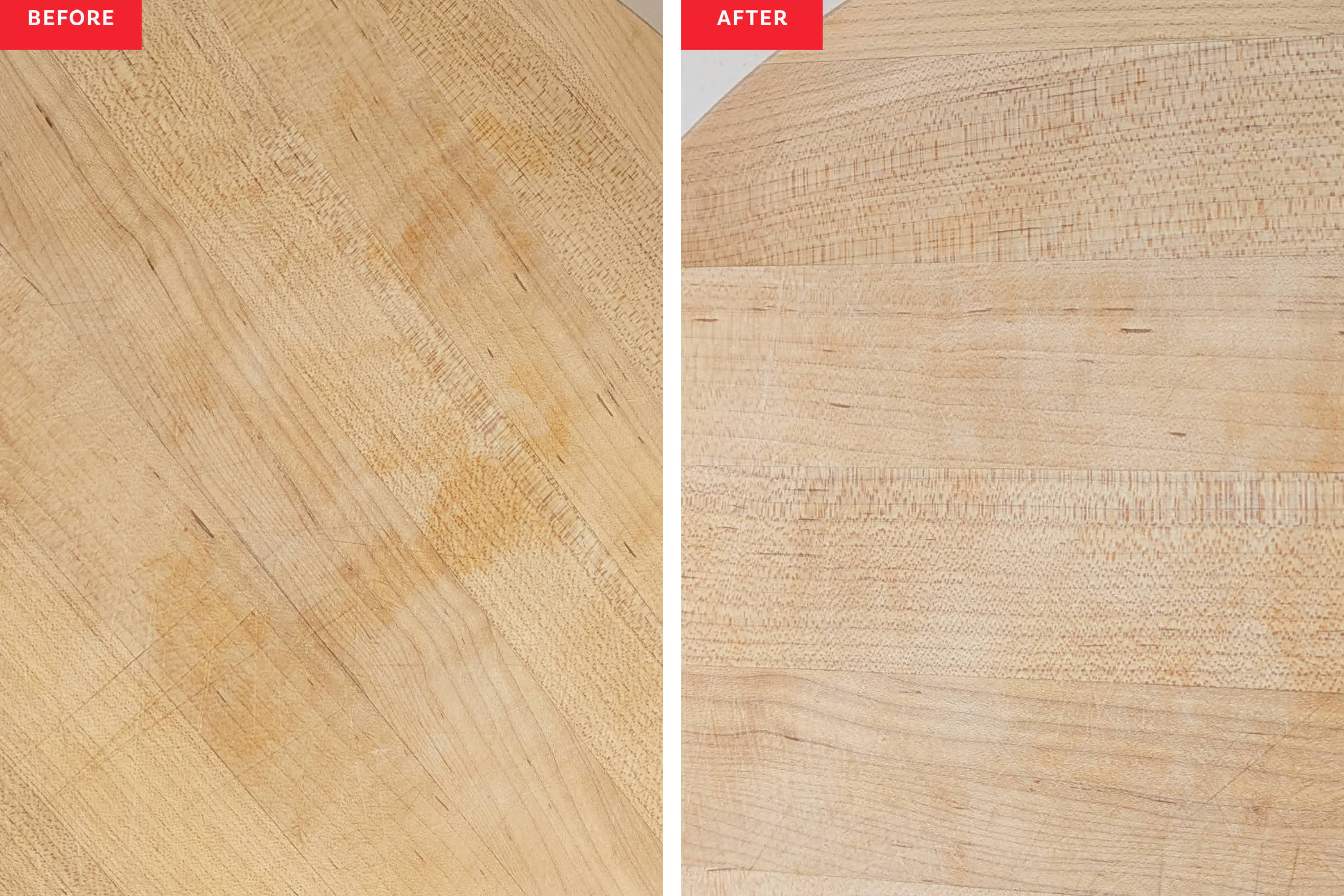
Wooden cutting boards can absorb stains and odors from food. Cleaning them properly keeps them fresh and safe to use.
Simple natural ingredients can remove stains and smells without damaging the wood. These tips help maintain your board’s quality.
Using Lemon And Salt
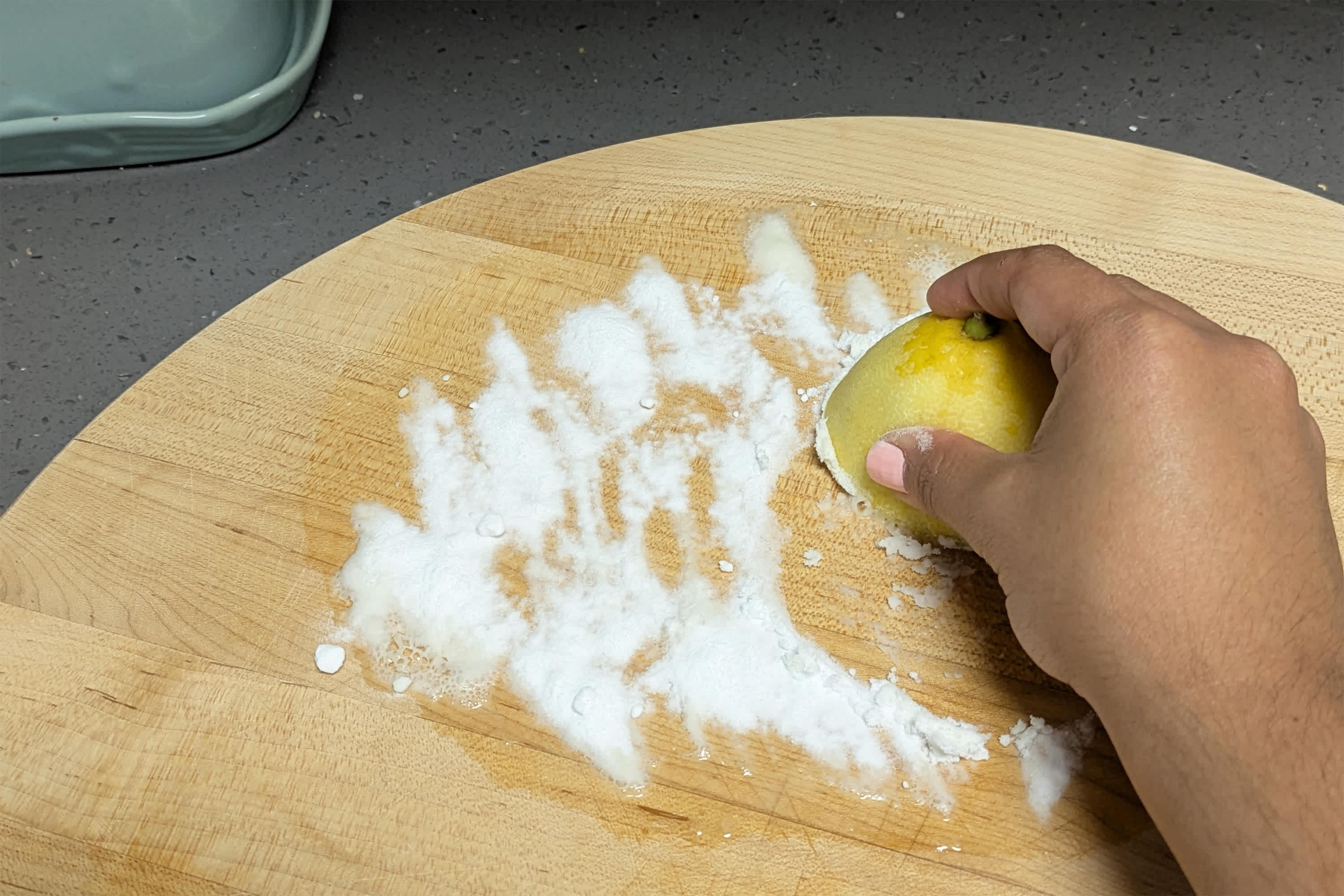
Lemon and salt work well together to clean wooden cutting boards. Lemon juice breaks down stains and kills bacteria.
Salt acts as a gentle scrub to remove stuck-on food and dirt. This mix also helps remove bad smells from the board.
- Cut a lemon in half and sprinkle salt on the cut side.
- Rub the lemon and salt over the stained or smelly areas.
- Let it sit for 5 minutes to soak in.
- Rinse the board with warm water and dry it well.
Baking Soda Solutions
Baking soda is a natural cleaner that removes odors and light stains. It is gentle and safe for wood surfaces.
You can make a paste with baking soda and water to scrub the board. This helps lift away stains and freshen the wood.
- Mix baking soda with a little water to form a paste.
- Apply the paste to the cutting board’s surface.
- Scrub gently with a soft sponge or cloth.
- Rinse the board with warm water and dry completely.
Credit: www.thekitchn.com
Deep Cleaning Methods
Wooden cutting boards need deep cleaning to stay safe and last longer. Regular washing does not remove all germs.
Deep cleaning kills bacteria and keeps the board fresh. Use natural products for safe cleaning.
Vinegar Disinfection
Vinegar is a natural disinfectant. It helps remove germs from wooden cutting boards.
Spray or wipe the board with white vinegar. Let it sit for a few minutes before rinsing with water.
- Use plain white vinegar, not flavored or colored types
- Apply vinegar evenly over the surface
- Let vinegar sit for 5 to 10 minutes
- Rinse with warm water and dry the board well
Hydrogen Peroxide Treatment
Hydrogen peroxide kills bacteria and cleans deep into wood pores. It is safe for wooden boards.
Pour 3% hydrogen peroxide on the board. Spread it with a clean cloth and wait for 10 minutes. Rinse and dry thoroughly.
- Use 3% hydrogen peroxide, found in most stores
- Apply enough to cover the board surface
- Allow it to work for about 10 minutes
- Rinse with warm water and dry completely
Maintaining Wood Quality
Wooden cutting boards need care to last long. Proper washing and maintenance keep the wood strong.
Good habits help prevent cracks and stains. Let’s look at two key ways to keep your board healthy.
Oiling Techniques
Oiling your wooden board stops it from drying out and cracking. Use food-safe mineral oil for best results.
- Apply a small amount of oil on a clean cloth.
- Rub the oil evenly over the entire board surface.
- Let the board absorb oil for several hours or overnight.
- Wipe off any excess oil with a dry cloth.
- Repeat oiling once a month or when the wood looks dry.
When To Sand The Surface
Sanding fixes deep cuts and rough spots. It refreshes the board’s smooth surface.
| Condition | Action |
| Deep knife marks | Lightly sand with fine-grit sandpaper |
| Rough texture | Smooth the entire surface gently |
| Stains or odors | Sanding helps remove surface discoloration |
| Regular maintenance | Sanding once or twice a year is enough |
Avoiding Common Mistakes
Washing a wooden cutting board needs care to keep it safe and useful. Many people make simple mistakes that damage the wood.
Learn what to avoid to keep your cutting board clean and long-lasting.
Skipping Soaking
Do not soak your wooden cutting board in water. Wood can absorb water and swell or crack.
Instead, wash the board quickly with warm, soapy water and rinse well.
- Soaking weakens the wood fibers
- Long water exposure causes warping
- Quick cleaning keeps the board safe
Using Dishwashers
Never put a wooden cutting board in the dishwasher. The heat and water can damage it.
Dishwashers can dry out the wood and cause it to crack or split.
- Dishwashers use hot water that hurts wood
- Strong detergents remove natural oils
- Hand washing keeps the board in good shape
Storage Tips For Longevity
Taking care of your wooden cutting board helps it last longer. Proper storage is key to keep it clean and strong. This guide covers important tips for air drying and storing your board safely.
Follow these simple steps to protect your wooden cutting board from damage and warping. Good habits extend its life and keep it safe for food use.
Proper Air Drying
Dry your wooden cutting board completely after washing. Moisture left on the board can cause cracks or mold growth. Air drying is the best method to remove water safely.
- Stand the board upright on its edge to allow air flow.
- Place it in a well-ventilated area away from direct sunlight.
- Do not stack other items on top while drying.
- Wait until the board feels dry to the touch before storing.
Safe Storage Locations
Choose a dry and clean spot to store your wooden cutting board. Avoid humid or warm places that can damage the wood over time.
| Storage Place | Why It Works |
| Kitchen shelf away from the stove | Prevents heat damage and warping |
| Vertical rack or holder | Allows air circulation to keep board dry |
| Inside a cabinet with good airflow | Keeps dust out while avoiding moisture build-up |
| Avoid under the sink | High humidity can cause mold and cracks |
Credit: www.thekitchn.com
Frequently Asked Questions
How Often Should I Wash A Wooden Cutting Board?
Wash your wooden cutting board immediately after each use. Frequent cleaning prevents bacteria buildup and keeps it hygienic. Use warm water and mild soap, then dry thoroughly to avoid warping or cracking.
Can I Put A Wooden Cutting Board In The Dishwasher?
No, avoid placing wooden cutting boards in the dishwasher. High heat and moisture damage the wood, causing cracks and warping. Hand wash with mild soap and dry immediately instead.
What Is The Best Way To Disinfect A Wooden Cutting Board?
Disinfect wooden boards with white vinegar or diluted bleach solution. Spray or wipe the surface, let sit for a few minutes, then rinse and dry. This kills bacteria without damaging the wood.
How Do I Remove Stains And Odors From Wooden Boards?
Sprinkle coarse salt or baking soda, then rub with lemon halves. Let it sit for a few minutes before rinsing. This natural method effectively removes stains and neutralizes odors.
Conclusion
Washing a wooden cutting board keeps it safe and long-lasting. Use warm water and mild soap for cleaning. Avoid soaking or putting it in a dishwasher. Dry it quickly to stop cracks and warping. Regular oiling helps protect the wood.
Clean boards prevent germs and food smells. Follow these simple steps to keep your board fresh. Care today means a strong board tomorrow. Easy habits make your kitchen safer and cleaner.