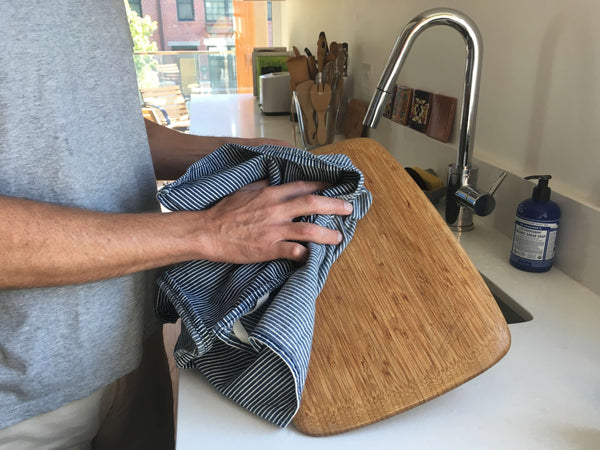
You know how important your bamboo cutting board is in your kitchen. It’s durable, eco-friendly, and looks great.
But do you know the best way to wash it without damaging the wood or letting bacteria build up? If you want your cutting board to last longer and stay safe for food prep, you need to follow the right cleaning steps.
You’ll discover simple, effective tips to clean your bamboo cutting board the right way. Keep reading to learn how to protect your board and keep it fresh every time you use it.

Credit: www.bambuhome.com
Choosing The Right Bamboo Board
Bamboo cutting boards are popular for their strength and eco-friendliness. Picking the right one helps keep your kitchen clean and safe.
Different bamboo boards vary in size, finish, and quality. Knowing what to look for makes washing and caring for them easier.
Size And Thickness
Choose a bamboo board that fits your kitchen space. Thicker boards last longer and resist warping from water.
Finish And Surface Texture
A smooth surface cleans easily but can show knife marks. A slightly textured board may hide scratches but needs careful washing.
- Glossy finish: easy to wipe clean
- Matte finish: less slippery but can trap food
- Natural finish: eco-friendly but needs more care
Quality And Construction
Good quality bamboo boards resist cracking and absorb less water. Check if the board is made of solid bamboo or bamboo strips glued together.
| Type | Durability | Water Resistance |
|---|---|---|
| Solid Bamboo | High | Good |
| Bamboo Strips | Medium | Fair |
Daily Cleaning Routine
Keeping your bamboo cutting board clean is simple. A daily cleaning routine helps keep it safe and lasts longer.
Use gentle methods to protect the bamboo from damage. Follow these easy steps after each use.
Rinsing And Soap Washing
Rinse the board under warm water right after use. This removes food bits and stops stains.
Wash with mild soap and a soft sponge. Avoid harsh scrubbing to keep the surface smooth.
- Use warm water, not hot.
- Apply a small amount of gentle dish soap.
- Scrub lightly with a soft sponge or cloth.
- Rinse thoroughly to remove all soap.
- Dry with a clean towel immediately.
Avoiding Soaking
Do not soak your bamboo cutting board in water. Soaking can cause the wood to crack or warp.
| Do | Don’t |
|---|---|
| Dry board after washing | Leave board in water |
| Store in a dry place | Put board in dishwasher |
| Clean immediately after use | Let food residue sit for long |
Deep Cleaning Techniques
Keeping a bamboo cutting board clean is important for safety and durability. Deep cleaning removes hidden dirt and bacteria.
Use natural ingredients to clean your board gently but effectively. These techniques help keep it fresh and safe.
Using Vinegar And Baking Soda
Vinegar and baking soda work well together to clean and deodorize bamboo boards. Vinegar kills bacteria, and baking soda scrubs away stains.
Sprinkle baking soda on the board, then spray vinegar over it. Let it bubble for a few minutes. Use a sponge to scrub the surface gently.
- Sprinkle baking soda evenly on the board
- Spray white vinegar over the baking soda
- Wait 3 to 5 minutes for fizzing action
- Scrub the board with a soft sponge
- Rinse with warm water and dry thoroughly
Sanitizing With Lemon Juice
Lemon juice is a natural sanitizer and deodorizer. It helps remove odors and kills germs on the bamboo surface.
Rub half a lemon over the board, squeezing juice as you go. Let it sit for 5 minutes, then rinse with warm water and dry.
- Cut a fresh lemon in half
- Rub the lemon over the entire board
- Allow lemon juice to soak for 5 minutes
- Rinse board with warm water
- Dry board completely before storing

Credit: miti-life.com
Drying And Storage Tips
Keeping your bamboo cutting board dry and stored properly helps it last longer. Moisture can cause damage and make the board unsafe to use.
Follow these drying and storage tips to keep your bamboo cutting board in good shape.
Proper Air Drying
After washing, dry your bamboo cutting board with a clean towel. Then, let it air dry completely before storing it. This prevents moisture buildup that can cause warping or cracking.
- Wipe the board with a dry cloth immediately after washing.
- Stand the board upright on its side to allow air to circulate.
- Place it in a well-ventilated area away from direct sunlight.
- Wait until the board feels completely dry to the touch before storing.
Avoiding Moisture Traps
Storing your bamboo cutting board in the wrong way can trap moisture. This causes mold and bacteria growth, which harms your board and food safety.
| Storage Method | Risk Level | Notes |
| Laying flat on a damp surface | High | Moisture stays under board |
| Stacked under wet items | High | Blocks airflow, traps moisture |
| Standing upright in open air | Low | Allows drying and airflow |
| Inside a closed, humid cabinet | Medium | Can cause moisture buildup |
Preventing Stains And Odors
Bamboo cutting boards are strong and eco-friendly. They can absorb stains and smells if not cleaned well.
Cleaning your board right helps keep it fresh and looking good for a long time.
Regular Oil Treatment
Oiling your bamboo board stops water from soaking in. It also keeps stains and odors away.
Use food-safe mineral oil to protect your board. Apply oil once a week or after washing.
- Pour a small amount of oil on the board
- Rub oil evenly with a clean cloth
- Let the board absorb oil for a few hours
- Wipe off extra oil before use
Quick Stain Removal
Remove stains fast to stop them from setting in. Use natural cleaners for safe cleaning.
Mix baking soda and water to make a paste. Rub it on stains gently and rinse with warm water.
- Make a thick paste with baking soda and water
- Apply paste to stain and rub softly
- Leave for 10 minutes
- Rinse with warm water and dry well
Common Mistakes To Avoid
Washing a bamboo cutting board needs care. Some mistakes can damage the board or reduce its life.
Knowing what to avoid helps keep your board clean and strong for a long time.
Dishwasher Use
Do not put your bamboo cutting board in the dishwasher. The heat and water can cause the wood to crack.
Dishwashers use strong jets and high temperatures that dry out the bamboo and make it warp.
- Heat causes the bamboo to dry and split
- Strong water jets can damage the surface
- Detergents in dishwashers are often harsh
- Hand wash with mild soap and warm water instead
Harsh Chemicals
Avoid using harsh chemicals to clean your bamboo board. They can eat away the wood fibers and finish.
Strong cleaners can leave harmful residues that affect food safety and cause discoloration.
- Do not use bleach or ammonia-based cleaners
- Skip abrasive scrubs that scratch the surface
- Use gentle dish soap and a soft sponge
- Rinse well and dry immediately after washing

Credit: www.bambusi.com
Frequently Asked Questions
How Do I Clean A Bamboo Cutting Board?
To clean a bamboo cutting board, use warm water and mild soap. Gently scrub with a soft sponge. Rinse thoroughly and dry immediately with a towel. Avoid soaking or using the dishwasher to prevent warping. Regularly oil your board to maintain its condition.
Can I Put A Bamboo Cutting Board In The Dishwasher?
No, you shouldn’t put a bamboo cutting board in the dishwasher. High heat and moisture can cause warping and cracking. Instead, hand wash with mild soap and warm water. Dry it immediately to maintain its longevity and appearance.
How Often Should I Oil My Bamboo Cutting Board?
Oil your bamboo cutting board once a month. Use food-grade mineral oil or specialized board oil. Apply a thin layer evenly and let it absorb overnight. This helps prevent drying, cracking, and warping, keeping your board in excellent condition for longer.
What Should I Avoid When Washing Bamboo Boards?
Avoid soaking bamboo boards in water or using harsh detergents. These can damage the wood and cause warping. Also, steer clear of the dishwasher, as the high heat and water pressure can ruin the board. Instead, stick to gentle hand washing.
Conclusion
Washing a bamboo cutting board is simple and quick. Use warm water and mild soap for cleaning. Avoid soaking it in water to protect the wood. Dry the board immediately with a clean towel. Regular oiling keeps it strong and smooth.
Clean boards last longer and stay safe for food. Follow these easy steps to keep your bamboo board fresh. Caring well means better cooking and healthier meals. Take a little time, and your board will thank you.