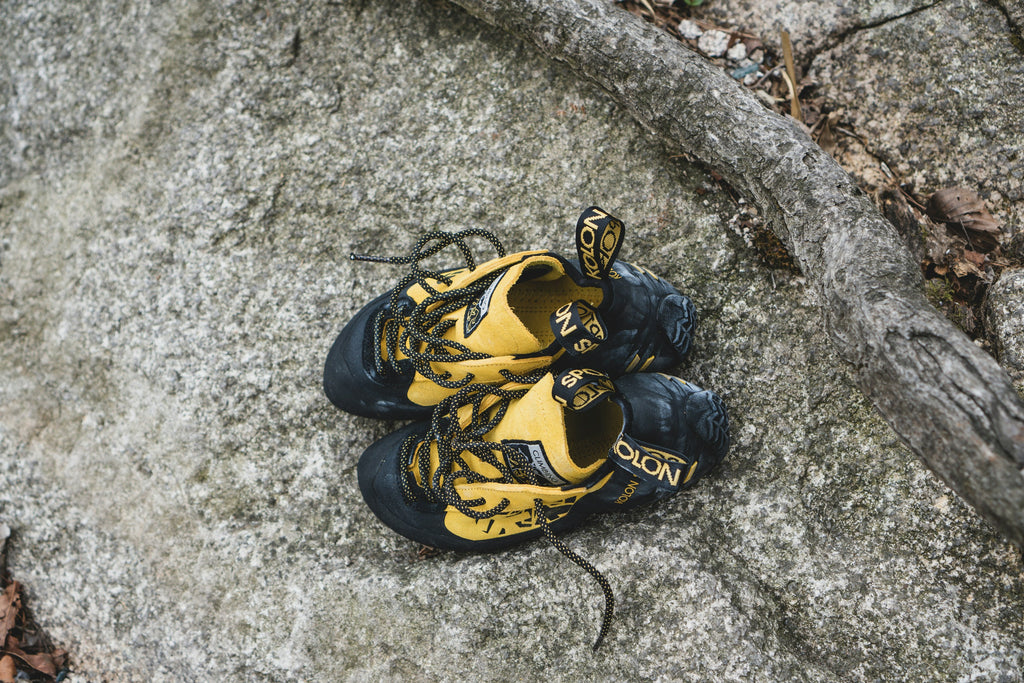
Your climbing shoes are your most trusted gear on every climb. But after countless adventures, they start to smell and lose their grip.
Do you know the right way to wash your climbing shoes without damaging them? If you want to keep your shoes fresh, comfortable, and ready for your next climb, this guide is exactly what you need. Keep reading to discover simple, effective steps that will extend the life of your climbing shoes and make every climb feel like the first.
Why Clean Climbing Shoes Matter
Climbing shoes get dirty from chalk, dirt, and sweat. Cleaning them keeps shoes working well and comfortable.
Regular cleaning helps your shoes last longer and stay fresh. It also keeps you safe while climbing.
Impact On Performance
Clean shoes grip better on rocks and walls. Dirt and grime reduce the stickiness of the rubber.
When your shoes are clean, you feel more confident. This helps you climb harder and safer.
- Dirt blocks rubber contact with surfaces
- Clean shoes offer better friction
- Good grip helps prevent slipping
Extending Shoe Lifespan
Climbing shoes last longer if you clean them often. Dirt and sweat can break down materials.
Removing debris stops early damage. This saves money and keeps shoes safe to use.
- Clean shoes avoid material wear
- Prevent rubber from cracking
- Keep fabric strong and intact
Preventing Odors And Bacteria
Sweat inside shoes causes bad smells and bacteria growth. Cleaning kills germs and stops odors.
Fresh shoes feel nicer to wear. They reduce the risk of skin infections and discomfort.
- Remove sweat and dirt buildup
- Stop bacteria and fungus growth
- Keep shoes smelling fresh

Credit: www.ellis-brigham.com
When To Wash Climbing Shoes
Climbing shoes need proper care to last long. Knowing when to wash them is crucial for their performance.
Let’s explore how to identify when your climbing shoes need cleaning and how often you should do it based on usage.
Signs Your Shoes Need Cleaning
It’s important to notice when your shoes are dirty. Dirt and grime can reduce their grip and comfort.
- Visible dirt on the surface
- Unpleasant odor from the shoes
- Loss of grip on climbing surfaces
- Stiff or hardened material
Frequency Based On Usage
How often you wash climbing shoes depends on how much you use them. Regular use means more frequent cleaning.
| Usage Frequency | Cleaning Frequency |
| Daily Climbing | Weekly |
| Weekly Climbing | Bi-weekly |
| Occasional Climbing | Monthly |
Preparing Your Shoes For Cleaning
Cleaning climbing shoes helps keep them fresh and lasts longer. Before washing, prepare them well. This makes cleaning easier and safer for your shoes.
Start by checking all parts of your shoes. Remove anything that might get damaged or block cleaning. This will help you clean each part properly.
Removing Insoles And Laces
Take out the insoles carefully. Insoles collect sweat and dirt, so cleaning them separately is best. Removing them lets air reach inside the shoe.
If your climbing shoes have laces, remove them too. Laces can trap dirt and sweat. Cleaning them alone helps keep your shoes fresh.
- Gently pull out the insoles without bending them too much
- Untie and remove the laces completely
- Set insoles and laces aside for separate cleaning
Brushing Off Dirt And Debris
Use a soft brush to remove loose dirt and debris from your shoes. Brushing first stops dirt from spreading during washing. It also helps keep the shoe material safe.
Pay attention to seams, soles, and crevices where dirt hides. A clean surface makes washing more effective and keeps your shoes in good shape.
- Use a soft brush or old toothbrush
- Brush gently around seams and soles
- Remove leaves, dust, and small stones
- Do this before any wet cleaning
Hand Washing Techniques
Cleaning climbing shoes by hand keeps them in good shape. It removes dirt without hurting the shoe.
This guide shows simple ways to wash your climbing shoes gently and safely.
Choosing The Right Cleaning Solution
Use a mild cleaning solution to protect your shoes. Avoid harsh chemicals that can damage materials.
Soap made for delicate fabrics or gentle dish soap works best. Mix it with warm water for cleaning.
- Use mild soap or gentle dish detergent
- Mix with warm water, not hot
- Avoid bleach and strong detergents
- Test solution on a small area first
Step-by-step Hand Wash Process
Start by removing loose dirt from the shoes with a soft brush or cloth. This helps the cleaning solution work better.
Dip a soft cloth or sponge into the soapy water. Gently scrub the inside and outside of the shoes to clean them well.
- Remove laces if any
- Brush off dirt and dust
- Use a soft cloth dipped in soapy water
- Wipe inside and outside carefully
- Rinse cloth in clean water and wipe off soap
Drying Tips To Avoid Damage
Do not use direct heat to dry your climbing shoes. Heat can warp or shrink the material.
Stuff shoes with paper towels to keep their shape. Let them dry in a cool, airy place away from sunlight.
- Do not use a dryer or heater
- Stuff shoes with paper towels
- Place shoes in a shaded, ventilated area
- Allow several hours to fully dry
Machine Washing: Pros And Cons
Cleaning climbing shoes is important to keep them fresh and ready. Some people wonder if machine washing is a good idea. It can save time but might also harm the shoes.
Machine washing has its benefits and risks. Knowing when and how to use this method helps protect your climbing shoes.
When Machine Washing Is Safe
You can machine wash climbing shoes if the care label allows it. Shoes made of synthetic materials handle washing better than leather ones.
Use machine washing only for shoes that are very dirty and have no special parts like glued seams or delicate fabric.
- Shoes with synthetic uppers
- No glued or loose parts
- Very dirty shoes needing deep cleaning
Best Practices For Machine Wash
Use a gentle cycle and cold water to protect the shoes. Avoid using bleach or strong detergents that can damage materials.
Place shoes inside a laundry bag or pillowcase to stop them from banging in the machine. Remove insoles and laces if possible.
- Set machine to gentle or delicate cycle
- Use cold water only
- Put shoes in a laundry bag
- Use mild detergent without bleach
- Remove insoles and laces
Risks To Consider
Machine washing can weaken glue and damage the shoe shape. It may reduce shoe life and cause the sole to separate.
Washing machines can also wear down delicate fabrics or leather. Drying shoes in a machine can cause shrinkage or cracking.
- Glue may weaken or dissolve
- Shoe shape can deform
- Soles might separate
- Leather can crack or shrink
- Delicate fabric may tear

Credit: www.youtube.com
Dealing With Stubborn Odors
Climbing shoes often develop strong smells after repeated use. Sweat and bacteria cause these bad odors. Cleaning them well helps keep shoes fresh and comfortable.
Some odors are hard to remove with just water. You need special ways to get rid of these stubborn smells. Using natural or specialized products can help.
Natural Odor Removers
Natural ingredients can absorb or neutralize smells inside climbing shoes. They are safe and easy to use at home. These options help reduce odor without harsh chemicals.
- Baking soda absorbs moisture and bad smells. Sprinkle some inside shoes overnight.
- White vinegar kills bacteria. Mix water and vinegar, then wipe shoe insides gently.
- Activated charcoal traps odor molecules. Place charcoal bags in shoes between uses.
- Dry tea bags can soak up odor. Put a few inside shoes for a day or two.
- Lemon peels add a fresh scent and fight bacteria. Leave small pieces inside shoes for a few hours.
Using Specialized Products
There are products made specifically to fight shoe odor. These often contain bacteria killers and deodorizers. Use them carefully as per instructions for best results.
- Shoe sprays with antimicrobial agents reduce bacteria and smells quickly.
- Odor-fighting powders absorb sweat and keep shoes dry.
- Special shoe cleaners can wash away dirt and bacteria safely.
- Shoe deodorizers with enzymes break down odor-causing compounds.
Maintaining Freshness Between Washes
Climbing shoes can get smelly and dirty after use. Keeping them fresh helps avoid bad odors. You can do small care steps between full washes.
Simple habits keep your shoes clean longer. This saves time and keeps shoes comfortable.
Proper Storage Techniques
Store your climbing shoes in a dry place with good air flow. Avoid putting them in a closed gym bag right after use. This stops moisture buildup.
Use shoe trees or stuff the shoes with newspaper. This helps keep their shape and absorbs extra sweat.
- Keep shoes away from direct sunlight to avoid damage
- Use a mesh bag or open container for storage
- Remove insoles to let them dry faster
- Do not store shoes near heat sources
Regular Cleaning Habits
Wipe your shoes with a damp cloth after each use. This removes dirt and sweat that cause smell. Let shoes air dry completely before storing.
Use baking soda or activated charcoal inside shoes to absorb odor. Replace these regularly for best results.
- Remove dirt with a soft brush or cloth
- Dry shoes in open air, avoid closed spaces
- Sprinkle baking soda inside shoes overnight
- Use charcoal bags to keep shoes fresh

Credit: www.reddit.com
Common Mistakes To Avoid
Washing climbing shoes requires care to keep them in good shape. Many climbers make simple mistakes that damage their shoes. Avoiding these errors helps your shoes last longer.
This guide covers three common mistakes to avoid when cleaning climbing shoes. Follow these tips to protect your investment and maintain shoe performance.
Using Harsh Chemicals
Strong soaps and bleach can ruin the materials of your climbing shoes. They break down the glue and fabric. Avoid harsh chemicals to keep the shoes safe.
- Do not use bleach or strong detergents.
- Choose mild soap or specialized shoe cleaner.
- Test any cleaner on a small area first.
- Rinse shoes well to remove all soap.
Excessive Heat Exposure
Heat can warp and weaken climbing shoes. Direct sunlight and dryers are common heat sources that cause damage. Keep shoes away from strong heat after washing.
| Heat Source | Effect on Shoes |
| Direct Sunlight | Fades colors, dries out materials |
| Clothes Dryer | Warps shape, weakens glue |
| Radiators or Heaters | Dries and cracks fabric |
| Hot Water | Can shrink or deform shoe |
Ignoring Manufacturer Instructions
Each climbing shoe brand gives care instructions for a reason. Ignoring them may void warranties or cause damage. Always read and follow the label or manual.
Key tips from manufacturers usually include:
- Recommended cleaning methods and products
- Drying instructions to keep shoe shape
- Warnings about certain chemicals or machines
- Advice on how often to wash shoes
Frequently Asked Questions
How Often Should I Wash Climbing Shoes?
Wash climbing shoes only when they smell or appear dirty. Frequent washing can damage materials. Regular airing and wiping can reduce washing needs and extend shoe life.
Can I Machine Wash Climbing Shoes Safely?
Machine washing is not recommended. It can damage the shoe’s shape and materials. Hand wash with mild soap and cold water for best results.
What Cleaning Products Are Safe For Climbing Shoes?
Use mild soap or specialized shoe cleaner. Avoid harsh chemicals or bleach as they harm materials. Always rinse thoroughly to remove soap residue.
How Do I Dry Climbing Shoes Properly?
Air dry climbing shoes at room temperature. Avoid direct sunlight or heat sources, which can warp or shrink shoes. Stuff with newspaper to absorb moisture faster.
Conclusion
Washing climbing shoes keeps them fresh and lasts longer. Use gentle cleaning methods to protect their shape. Avoid harsh chemicals or machine washing to prevent damage. Let shoes dry naturally in a cool, shaded place. Regular care helps maintain grip and comfort during climbs.
Clean shoes feel better on your feet and perform well. Taking small steps keeps your gear ready for every adventure. Simple habits make a big difference in shoe life. Keep climbing shoes clean, and they will support your climbs.