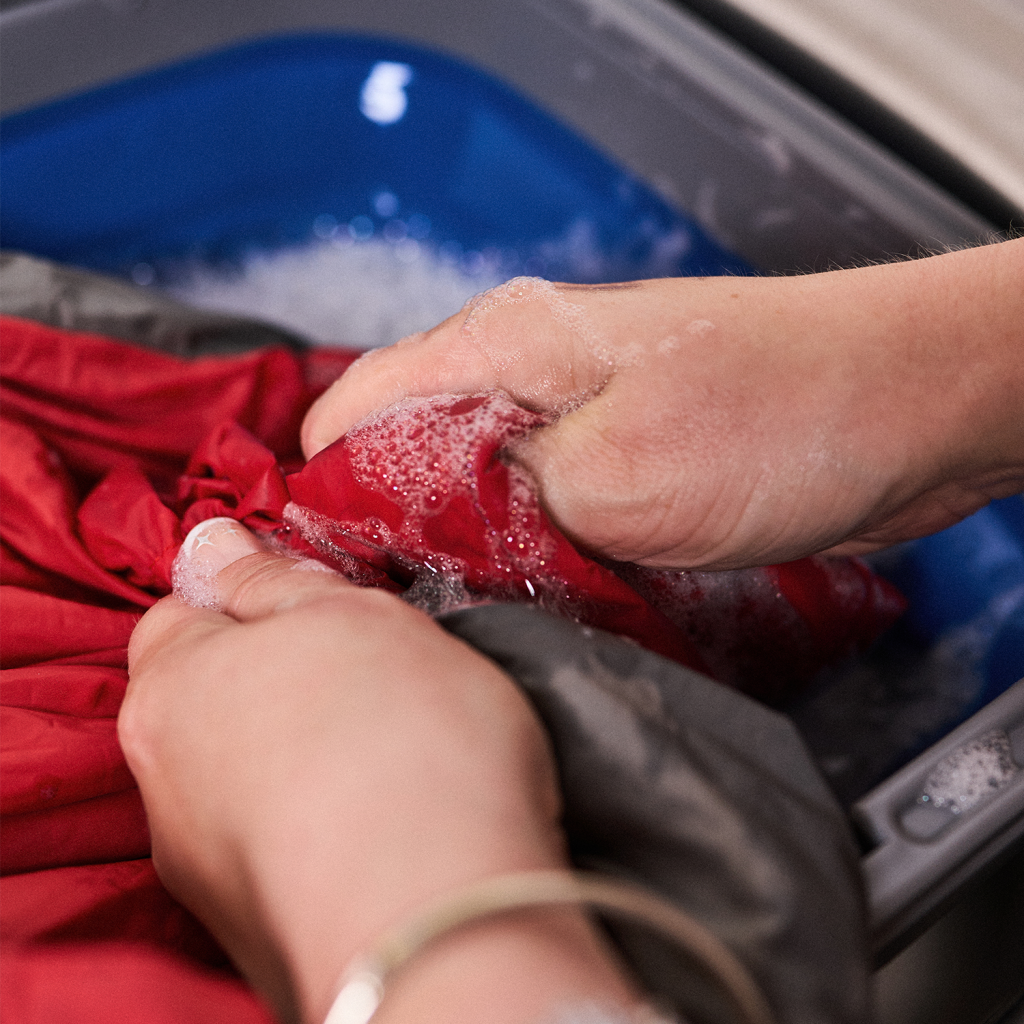
Your sleeping bag is your trusty companion for outdoor adventures and cozy nights. But when was the last time you gave it a proper clean?
Washing your sleeping bag in a washing machine might sound tricky, but it’s easier than you think—and doing it right can keep your bag fresh, comfortable, and long-lasting. In this guide, you’ll learn simple, step-by-step tips to wash your sleeping bag safely without damaging its materials.
Keep reading to discover how to make your next wash quick, effective, and worry-free.

Credit: www.gearaid.com
Choose The Right Washing Machine
Washing your sleeping bag in a machine can be easy if you pick the right one. The washing machine type affects the cleaning and care of your sleeping bag.
Choosing a suitable washing machine protects the filling and fabric of your sleeping bag. It also helps keep it fresh and clean without damage.
Front-load Vs Top-load Machines
Front-load machines use a tumbling action that is gentle on clothes and sleeping bags. They use less water and spin faster to remove more water.
Top-load machines with agitators can be rough on sleeping bags. They use more water and may damage the filling or fabric with strong motions.
- Front-load machines are gentler and more efficient.
- Top-load machines with agitators can cause wear.
- High-efficiency top-load machines without agitators are better.
Capacity Considerations
Your sleeping bag needs enough space to move inside the washer. A too-small machine will not clean it well and may cause damage.
Choose a washing machine with a large drum. This gives your sleeping bag room to wash and rinse properly without getting stuck.
- Check the drum size before washing your sleeping bag.
- Machines with 4.5 cubic feet or more work well.
- Do not overload the machine to keep the bag safe.

Credit: www.amazon.ca
Prepare The Sleeping Bag
Washing a sleeping bag in a machine requires careful preparation. This ensures it remains in good condition. Follow these steps to properly prepare your sleeping bag before washing.
Check Care Labels
Always read the care labels on your sleeping bag. These labels provide important washing instructions. Ignoring them can damage your sleeping bag.
- Look for temperature settings
- Check if machine washing is allowed
- Note any special instructions
Remove Loose Dirt And Debris
Before washing, shake out your sleeping bag. This helps remove any loose dirt or debris. It makes the washing process more effective.
- Turn the bag inside out
- Shake it gently
- Use a soft brush for stubborn dirt
Close Zippers And Fastenings
Ensure all zippers and fastenings are closed. This prevents them from snagging during washing. It also helps maintain the bag’s shape.
- Zip up all zippers
- Fasten any Velcro straps
- Check for loose strings
Select Suitable Detergent
Choosing the right detergent is key to keeping your sleeping bag clean and safe. The wrong detergent can damage its filling and fabric. Use gentle cleaning products to protect your gear.
Always check the detergent label before washing. Pick formulas designed for delicate items or outdoor gear. This ensures a thorough clean without harm.
Use Mild, Non-detergent Cleaners
Mild, non-detergent cleaners clean sleeping bags without stripping natural oils. They keep down feathers or synthetic fibers soft and lofted. Avoid strong soaps that can damage the insulation.
- Look for cleaners labeled “down-specific” or “technical wash.”
- Choose products free from enzymes and optical brighteners.
- Use only the amount recommended on the label.
Avoid Fabric Softeners And Bleach
Fabric softeners and bleach harm sleeping bags. They break down fibers and reduce warmth. These chemicals can also cause clumping in down or damage synthetic fill.
| Substance | Effect on Sleeping Bag |
| Fabric Softener | Coats fibers, reduces loft and water resistance |
| Bleach | Damages fabric, weakens insulation fibers |
Set The Washing Machine
Washing a sleeping bag in a machine needs care. Setting the machine right keeps the bag safe.
Use the correct cycle and temperature to clean your sleeping bag well. This helps keep it fluffy and warm.
Choose Gentle Or Delicate Cycle
Select the gentle or delicate cycle on your washing machine. This cycle uses slow spinning and less agitation.
This helps avoid damage to the fabric and filling inside the sleeping bag. It keeps the bag’s shape and softness.
- Slow spin speed protects the bag
- Less agitation reduces fabric wear
- Prevents filling from clumping
Select Cold Or Warm Water Temperature
Choose cold or warm water for washing your sleeping bag. Hot water can damage the materials.
Cold water saves the bag’s insulation and color. Warm water helps remove dirt but stays gentle on fabrics.
- Cold water protects insulation
- Warm water cleans better than cold
- Avoid hot water to prevent damage
Load And Start The Wash
Washing a sleeping bag in a machine needs care. You must load it right to keep its shape.
Starting the wash correctly helps the bag clean well and last longer.
Place Sleeping Bag Loosely
Do not cram the sleeping bag into the washer. It needs space to move and clean fully.
Folding it gently and placing it loosely prevents damage to the fabric and filling.
- Use a large front-load washer if possible.
- Leave enough room around the bag inside the drum.
- A tightly packed bag may not get clean or rinse well.
Add Detergent Properly
Use a gentle detergent made for down or synthetic fabrics. Avoid harsh soaps.
Put the detergent in the right dispenser or directly into the drum as per your washer’s instructions.
- Use the correct amount to avoid residue build-up.
- Do not use fabric softeners or bleach.
- Choose a mild, liquid detergent for best results.
Rinse Thoroughly
Rinsing your sleeping bag well is important after washing. It helps remove soap and dirt that can harm the fabric.
Proper rinsing keeps the sleeping bag soft and ready for your next trip.
Use Extra Rinse Cycle
Choose the extra rinse option on your washing machine. This gives your sleeping bag a second rinse to clear out leftover detergent.
- Set the washing machine to the extra rinse cycle.
- Check that water flows freely through the bag.
- Repeat rinsing if the bag feels soapy or stiff.
Ensure All Detergent Is Removed
Leftover detergent can damage the insulation and make the bag less warm. It can also cause skin irritation.
| Problem | Cause | Solution |
| Stiff fabric | Detergent residue | Use extra rinse cycle |
| Skin irritation | Soap left in fabric | Rinse thoroughly |
| Reduced warmth | Clogged insulation | Remove all detergent |
Dry The Sleeping Bag
Drying your sleeping bag properly keeps it warm and fluffy. Using the right drying methods saves its material and shape.
After washing, drying is the next step. It takes time but is very important for good care.
Use Low Heat Or Air Dry
Dry your sleeping bag on low heat or use air dry. High heat can damage the fabric and insulation.
Choose a gentle setting if you use a dryer. If air drying, lay the bag flat in a well-ventilated area.
- Low heat prevents melting or shrinking
- Air drying keeps the bag safe from heat damage
- Patience helps maintain bag quality
Add Dryer Balls To Fluff
Put dryer balls in the dryer with your sleeping bag. They help keep the insulation from clumping.
The balls bounce around and separate the filling. This keeps the bag soft and warm after drying.
- Use 3-4 dryer balls for best results
- Wool or rubber balls work well
- Fluffing improves insulation and comfort
Avoid Direct Sunlight
Do not dry your sleeping bag in direct sunlight. Sunlight can fade colors and weaken the fabric.
Choose a shaded or indoor spot to dry your bag. This protects it and extends its life.
- Sunlight breaks down synthetic fibers
- Colors stay bright without sun damage
- Drying in shade keeps the bag strong
Store Sleeping Bag Properly
After washing your sleeping bag in the washing machine, proper storage keeps it safe. Good storage keeps the insulation fluffy and lasts longer.
Storing your sleeping bag right helps it stay clean and dry. This also prevents damage to the fabric and filling.
Keep In A Cool, Dry Place
Store your sleeping bag in a place that is cool and dry. Heat and moisture can damage the insulation and fabric.
A closet or shelf away from direct sunlight works well. Avoid places like basements or attics where moisture and heat are common.
- Choose a spot with good air circulation
- Keep away from heaters and sunlight
- Check the area for dampness before storing
Use Breathable Storage Bags
Use bags made from breathable materials to store your sleeping bag. These bags protect it while letting air flow.
Avoid plastic bags that trap moisture. Moisture inside plastic can cause mold and bad smells.
- Choose cotton or mesh storage bags
- Store loosely to keep the insulation fluffy
- Do not compress the sleeping bag for long periods

Credit: www.familyhandyman.com
Frequently Asked Questions
How Do I Prepare My Sleeping Bag For Washing?
Remove all dirt and debris first. Close all zippers and Velcro. Check care labels for specific instructions. Use a front-loading washing machine for best results.
What Detergent Is Best For Washing Sleeping Bags?
Use a gentle, non-detergent cleaner designed for down or synthetic materials. Avoid fabric softeners and bleach to protect insulation and fabric.
What Washing Cycle Should I Use For Sleeping Bags?
Choose a gentle or delicate cycle with cold water. This prevents damage to the fabric and preserves insulation quality.
Can I Dry My Sleeping Bag In A Machine Dryer?
Yes, use a low heat setting. Add clean tennis balls to help fluff insulation evenly. Avoid high heat to prevent damage.
Conclusion
Washing your sleeping bag in a machine keeps it fresh and clean. Use gentle settings and mild detergent for best results. Avoid strong chemicals that can damage the fabric. Dry it slowly to keep its shape and warmth. Regular cleaning helps your bag last longer and stay comfortable.
Take care of your sleeping bag, and it will take care of you on every trip. Simple steps make washing easy and safe. Now, enjoy your clean sleeping bag on your next adventure!