Your sleeping bag is more than just gear—it’s your cozy shelter after a long day outdoors. But have you ever stopped to think about how to wash your sleeping bag without ruining it?
Cleaning it the wrong way can damage the insulation and shorten its life. You want to keep it fresh, comfy, and ready for your next adventure. In this guide, you’ll discover simple, effective steps to wash your sleeping bag safely.
Stick with me, and you’ll learn how to protect your investment and enjoy a clean, cozy sleep every time you hit the trail.
Credit: www.ellis-brigham.com
Choose The Right Washing Method
Washing your sleeping bag properly keeps it clean and lasts longer. Picking the right washing method is key. You can either machine wash or hand wash your sleeping bag.
Each method has benefits and suits different bag types. Read on to learn which method fits your sleeping bag best.
Machine Wash Vs. Hand Wash
Machine washing is quick and easy. Use a front-loading machine to avoid damage. Hand washing is gentle and good for delicate bags. It takes more time but protects the insulation well.
- Machine wash with cold water on a gentle cycle
- Use a mild detergent designed for down or synthetic fill
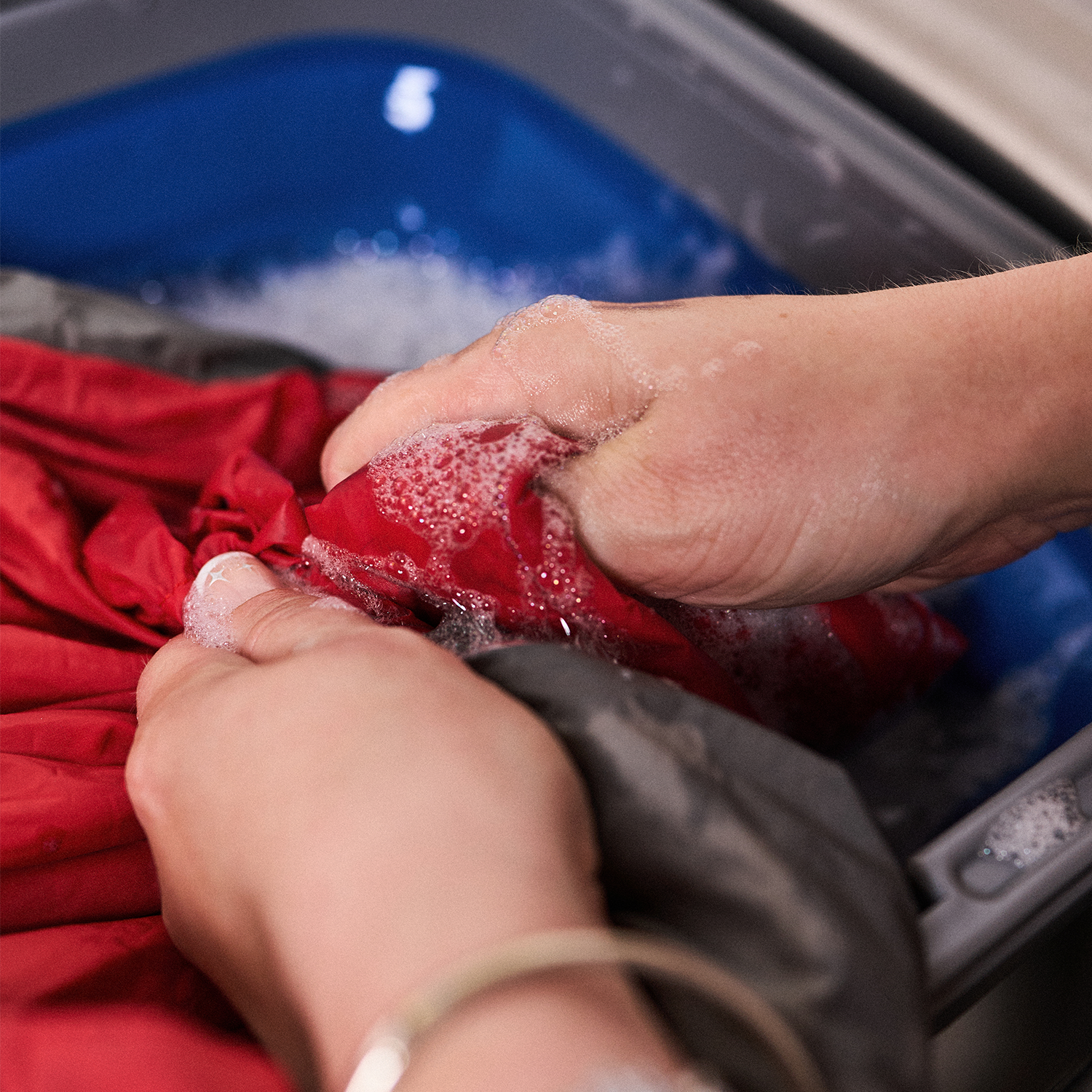
- For hand wash, soak the bag in a bathtub or large basin
- Gently press and rinse without wringing
- Dry thoroughly to prevent mold and odor
Check The Care Label
Always check the care label on your sleeping bag before washing. The label shows the best cleaning method and temperature. It also warns about what to avoid.
| Symbol | Meaning | Tip |
| Machine wash symbol | Safe to wash in machine | Use gentle cycle |
| Hand wash symbol | Only hand wash recommended | Use mild detergent |
| Do not bleach | No bleach allowed | Use non-bleach cleaner |
| Do not tumble dry | Avoid machine drying | Air dry flat |
Prepare The Sleeping Bag
Preparing your sleeping bag for washing is important. It helps maintain its quality and longevity.
Following simple steps ensures that your sleeping bag stays clean and fresh.
Remove Loose Dirt And Debris
Shaking out your sleeping bag removes dirt and debris. This step is quick and easy.
Ensure you perform this in an open area to avoid spreading dust indoors.
- Hold the sleeping bag by the foot end
- Give it a firm shake
- Inspect for any remaining debris
Close Zippers And Fastenings
Closing zippers and fastenings prevents damage during washing. It also keeps the shape intact.
Check all zippers, buttons, and Velcro. Make sure they are secure before proceeding to wash.
Select Suitable Detergents
Choosing the right detergent is important to keep your sleeping bag clean and safe. The wrong detergent can damage the fabric and insulation.
Use detergents that are gentle and made for delicate fabrics. This helps your sleeping bag last longer and stay comfortable.
Use Mild, Non-detergent Soap
Mild, non-detergent soaps clean without harming the sleeping bag’s materials. They do not strip away natural oils or damage water-resistant coatings.
Look for soaps labeled as gentle or designed for outdoor gear. These soaps keep the insulation fluffy and the fabric strong.
- Preserve the fabric’s strength
- Protect water-resistant layers
- Keep insulation loft intact
Avoid Fabric Softeners And Bleach
Fabric softeners and bleach can damage your sleeping bag. They reduce the bag’s ability to insulate and repel water.
These chemicals break down the fabric fibers and harm the filling. Avoid using them to keep your sleeping bag in good shape.
- Do not use bleach or chlorine
- Skip fabric softeners and conditioners
- Use only recommended cleaning products
Washing The Sleeping Bag
Cleaning your sleeping bag keeps it fresh and extends its life. Proper washing removes dirt, sweat, and oils.
Use the right washing methods to avoid damage. Follow simple steps for safe cleaning.
Set The Washer On Gentle Cycle
Choose the gentle cycle on your washing machine. This cycle uses slow spins and less agitation.
- Protects the filling and fabric of the sleeping bag
- Reduces the risk of tears or damage
- Keeps the shape and loft intact
- Uses less water and energy
Use Cold Or Warm Water
Wash your sleeping bag in cold or warm water only. Hot water can harm the insulation.
| Water Temperature | Effect on Sleeping Bag |
| Cold | Gentle cleaning, prevents shrinkage |
| Warm | Removes dirt well without damage |
| Hot | Can damage fabric and insulation |
Rinsing And Spinning
Cleaning a sleeping bag well keeps it soft and fresh. Rinsing removes soap residue that can damage the fabric. Spinning helps get rid of extra water.
Use gentle methods to protect the sleeping bag’s insulation. This part of washing is important for good care.
Rinse Thoroughly To Remove Soap
Soap left in a sleeping bag can harm its materials and cause bad smells. Rinse the bag multiple times with clean water. Make sure all soap is washed out.
- Fill the tub or machine with fresh water.
- Submerge the sleeping bag fully.
- Gently squeeze the bag to release soap.
- Drain the water and repeat until no bubbles appear.
- Check fabric edges for leftover soap.
Use A Low Spin Setting
Spinning dries the sleeping bag but can cause damage if too strong. Use the lowest spin speed available on your washer. This protects the filling and fabric.
| Spin Speed | Effect on Sleeping Bag | Recommendation |
|---|---|---|
| High | Can tear fabric and break filling | Avoid |
| Medium | May cause some damage | Use only if low is not available |
| Low | Protects fabric and filling | Best choice |
| No Spin | Leaves too much water in bag | Not recommended |

Credit: www.halfwayanywhere.com
Drying Techniques
Drying your sleeping bag properly keeps it in good shape. Wet sleeping bags can get moldy or lose warmth. Use the right drying methods to protect the insulation.
Choose a drying technique that fits your sleeping bag type. Some bags need gentle air drying. Others can handle low heat from a dryer.
Air Drying Tips
Air drying is the safest way to dry most sleeping bags. It avoids heat damage and keeps the insulation fluffy. Find a place with good airflow and shade.
Hang your sleeping bag evenly to let air reach all parts. Turn it over sometimes to help it dry faster. Avoid direct sunlight to prevent color fading.
- Hang the bag on a sturdy clothesline or drying rack
- Keep it away from direct sunlight to protect fabric
- Turn the bag every few hours for even drying
- Make sure the room or area has good air circulation
Using A Dryer Safely
Some sleeping bags can be dried in a machine dryer. Use low heat to avoid melting or damaging the insulation. Check the care label before drying.
Put clean tennis balls or dryer balls in with the sleeping bag. They help break up clumps and keep the insulation soft. Stop the dryer if you smell burning or see smoke.
- Set dryer to low heat or air fluff mode
- Add tennis balls or dryer balls to the drum
- Check the bag every 30 minutes for damage
- Remove the bag when it feels dry but still soft
Fluffing The Insulation
Fluffing the sleeping bag restores loft and warmth. After drying, shake the bag gently to loosen the insulation. Use your hands to separate any clumps.
Store the bag loosely to keep the insulation full. Avoid compressing it for long times. Good fluffing keeps your sleeping bag warm and comfortable.
- Shake and pat the bag after drying
- Use your hands to break up clumps inside
- Store the bag in a large sack or hang it loosely
- Keep it away from tight compression for long periods
Storage Tips For Clean Sleeping Bags
Keeping your sleeping bag clean is just the first step. Proper storage helps keep it fresh and ready for your next trip. Storing it the right way protects the insulation and shape.
Use storage methods that avoid damage and keep air flowing. This helps your sleeping bag last longer and stay comfortable.
Store Loosely In A Breathable Bag
Always store your sleeping bag loosely. Use a large, breathable cotton or mesh bag. Avoid keeping it in the tight stuff sack it came with. Tight storage can crush the insulation and reduce loft.
- Choose a storage bag made of natural fabric
- Keep the bag dry before storing
- Lay the sleeping bag flat or loosely rolled inside the bag
- Store in a cool, dry place away from direct sunlight
Avoid Compression When Not In Use
Compression damages the sleeping bag’s insulation over time. Do not store your bag squished in small spaces or under heavy items. Let it keep its full shape to preserve warmth and comfort.
| Storage Method | Effect on Sleeping Bag |
| Loose storage in breathable bag | Keeps insulation fluffy and effective |
| Compressed in small stuff sack | Crushes insulation, reduces loft |
| Under heavy objects | Damages shape and warmth |
| Stored in dry, cool place | Prevents mold and mildew growth |

Credit: www.gearaid.com
Frequently Asked Questions
How Often Should I Wash My Sleeping Bag?
Wash your sleeping bag after every 3 to 5 uses or if it becomes visibly dirty. Regular washing maintains insulation and hygiene.
Can I Machine Wash A Sleeping Bag Safely?
Yes, use a front-loading washing machine on a gentle cycle with mild detergent. Avoid top loaders with agitators to prevent damage.
What Detergent Is Best For Washing Sleeping Bags?
Use a specialized down or synthetic sleeping bag detergent. These detergents clean effectively without harming insulation or fabric.
How Do I Dry A Sleeping Bag Without Damaging It?
Air dry your sleeping bag or use a large dryer on low heat. Add clean tennis balls to maintain loft and fluffiness.
Conclusion
Washing your sleeping bag keeps it clean and fresh for every trip. Always follow care instructions to avoid damage. Use gentle soap and cold water for best results. Dry it completely before storing to stop mold and smell. Regular cleaning helps your sleeping bag last longer.
Enjoy your camping with a fresh and cozy sleeping bag each time. Simple steps make a big difference in care. Keep it clean, dry, and ready for your next adventure.