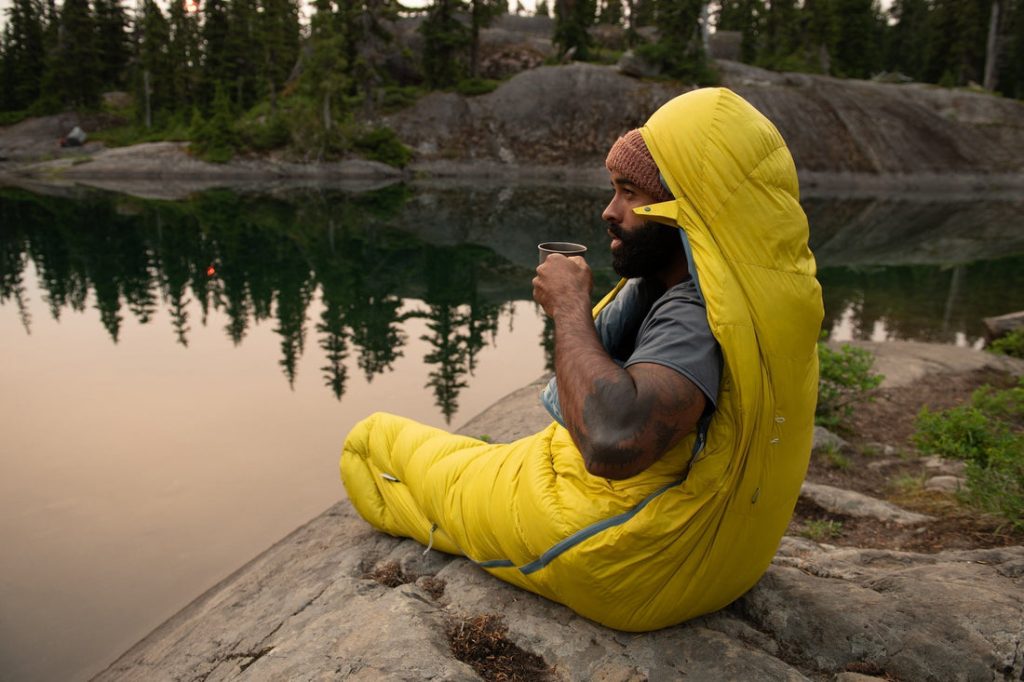
Your sleeping bag is your best friend on every outdoor adventure. But how often do you think about cleaning it?
Washing your sleeping bag the right way isn’t just about keeping it fresh—it helps protect its warmth and extend its life. If you want your sleeping bag to stay cozy and ready for your next trip, you need to know the best way to wash it.
Keep reading, and you’ll discover simple, effective steps that anyone can follow to keep your gear in top shape.
Choosing The Right Washing Method
Cleaning your sleeping bag keeps it fresh and extends its life. Choosing the right washing method matters for its care.
Some sleeping bags work well in machines. Others need gentle hand washing to avoid damage.
Machine Washing
Machine washing is quick and easy for many synthetic sleeping bags. Use a large front-loading washer to avoid damage.
Choose a gentle cycle with cold water. Use a mild detergent made for delicate fabrics. Avoid bleach or fabric softeners.
- Use a large, front-loading washing machine
- Select a gentle or delicate cycle
- Wash with cold water only
- Use mild, non-detergent soap
- Skip bleach and fabric softeners
- Rinse thoroughly to remove soap
Hand Washing
Hand washing is best for down sleeping bags or delicate materials. It is gentle and helps keep insulation fluffy.
Fill a bathtub or large tub with cold water and mild soap. Soak the bag and gently squeeze to clean. Rinse well to remove all soap.
- Use cold water in a large tub or bathtub
- Add mild, non-detergent soap
- Soak sleeping bag for 10-15 minutes
- Gently squeeze the bag, don’t rub
- Rinse several times to remove soap
- Press out water, avoid wringing
Preparing Your Sleeping Bag
Before washing your sleeping bag, get it ready to avoid damage. Proper preparation helps keep the bag clean and in good condition.
Take time to check all parts of your sleeping bag. This makes washing easier and safer for the fabric and filling.
Emptying Pockets And Closing Zippers
Remove all items from the sleeping bag pockets. Small objects can cause damage during washing.
- Check every pocket carefully for items like keys, coins, or tissues.
- Close all zippers fully to stop them from catching on fabric.
- Fasten any Velcro straps or buttons to protect the bag.
Checking Care Labels
Look at the care label on your sleeping bag to find the washing instructions. Different materials need different care.
| Material | Washing Temperature | Recommended Detergent |
| Down | Cold or warm water (30°C) | Gentle, down-specific detergent |
| Synthetic | Warm water (40°C) | Mild detergent without bleach |
| Wool | Cold water (30°C) | Wool-safe detergent |
Selecting Detergents
Choosing the right detergent is important to keep your sleeping bag clean and safe. Some detergents can damage the fabric or reduce its insulation.
Use detergents made for delicate fabrics to protect your sleeping bag’s materials and fillings.
Using Mild Detergents
Mild detergents clean your sleeping bag without harming its fabric. They do not contain bleach or harsh chemicals.
- Choose detergents labeled “gentle” or “for delicates”
- Use liquid detergent to avoid residue build-up
- Avoid powders that can leave grit in the fabric
- Use small amounts to prevent soap accumulation
Avoiding Fabric Softeners
Fabric softeners make fabrics feel soft but can harm sleeping bags. They reduce water repellency and damage insulation.
| Reason | Effect on Sleeping Bag |
| Coats fibers with waxy residue | Blocks fabric’s breathability |
| Interferes with insulation loft | Reduces warmth and comfort |
| Decreases water repellency | Causes dampness and mildew |

Credit: alpkit.com
Washing Instructions
Washing sleeping bags keeps them clean and fresh for your next trip. It also removes dirt, sweat, and oils that can damage the fabric.
Follow simple steps to wash your sleeping bag safely. Use gentle settings to protect the insulation and fabric.
Setting The Washer
Choose a front-loading washer if possible. Top loaders with agitators can damage your sleeping bag.
Set the water temperature to cold or warm, not hot. Hot water can harm the fabric and insulation.
- Use a large capacity washer to avoid crowding.
- Pick a gentle water level to reduce stress on the bag.
- Use a mild detergent made for delicate fabrics.
Gentle Cycle Tips
Always select the gentle or delicate cycle on your washer. This cycle uses slow spinning and less agitation.
Rinse the sleeping bag twice to remove all detergent. Leftover soap can damage the insulation.
- Close all zippers and Velcro before washing.
- Use a front-loading washer or a top loader without an agitator.
- Do not use bleach or fabric softeners.
- Remove the sleeping bag promptly after washing to avoid mildew.
Drying Your Sleeping Bag
Drying your sleeping bag properly keeps it fresh and lasts longer. Wet sleeping bags can get moldy and lose insulation.
Choose the right drying method based on the sleeping bag’s material and care label. Gentle drying protects the fabric and filling.
Air Drying Techniques
Air drying is the safest way to dry your sleeping bag. It uses no heat and helps avoid damage to the filling.
Hang your sleeping bag in a shaded, well-ventilated area. Avoid direct sunlight to prevent fabric fading.
- Use a wide, sturdy hanger or a drying rack.
- Turn the bag inside out to dry the inner layers well.
- Shake and fluff the bag every few hours to keep the filling even.
- Allow several hours or a full day to dry completely.
Using A Dryer Safely
Some sleeping bags can dry safely in a dryer. Check the care label first to avoid damage.
Use a low heat or air fluff setting to protect the insulation. High heat can melt or clump the filling.
- Place clean tennis balls or dryer balls in the dryer to break up clumps.
- Run short drying cycles and check the bag often.
- Remove the bag while still slightly damp to air dry fully.
- Never use high heat or leave the bag unattended in the dryer.

Credit: www.halfwayanywhere.com
Maintaining Loft And Insulation
Washing sleeping bags needs care to keep their loft and warmth. Loft is the fluffiness that traps heat.
Proper washing and drying help keep insulation working well. Avoid crushing the filling inside.
Fluffing Methods
Fluffing restores the sleeping bag’s loft after washing. It helps spread the insulation evenly.
Use gentle shaking or tossing to fluff your sleeping bag. Avoid heavy pressing or squeezing.
- After drying, hold the bag and shake it gently.
- Pat the surface lightly with your hands.
- Use a large dryer on low heat with clean tennis balls inside.
- Let the bag rest flat after fluffing to keep shape.
Storage Tips
Store sleeping bags loosely to keep insulation loft. Avoid compressing them in small bags.
Use large storage sacks or hang the bag in a dry place. This keeps the insulation from breaking down.
- Keep sleeping bags in cotton or mesh storage sacks.
- Store them in a cool, dry, and dark spot.
- Do not store wet or damp sleeping bags.
- Shake the bag occasionally to keep the loft.
Common Mistakes To Avoid
Washing sleeping bags needs care to keep them warm and comfy. Many make mistakes that damage their bags.
Learn what to avoid to keep your sleeping bag clean and safe for many trips.
Using Harsh Detergents
Strong soaps can harm the bag’s insulation and fabric. Use gentle, specially made detergents instead.
Washing In Hot Water
Hot water can shrink or damage the sleeping bag material. Always wash in cold or warm water.
Skipping The Rinse Cycle
Not rinsing well leaves soap in the fibers. This reduces loft and warmth. Rinse fully to remove all soap.
Using A Dryer Without Care
High heat can melt or weaken the fabric and insulation. Use low heat or air dry your sleeping bag.
Improper Storage After Washing
Storing a sleeping bag when damp causes mold and smells. Dry it completely before storing.
- Store loosely in a large cotton sack
- Keep away from direct sunlight
- Avoid tight compression for long periods
- Check the bag regularly for moisture
Overloading The Washing Machine
Putting a sleeping bag in a full washer stops it from cleaning well. Use a large machine or wash alone.
Quick Tips Table
| Mistake | What Happens | How to Fix |
|---|---|---|
| Harsh Detergents | Damage insulation | Use gentle detergents |
| Hot Water | Shrinks fabric | Wash cold or warm |
| Skipping Rinse | Soap residue remains | Rinse thoroughly |
| High Dryer Heat | Melts insulation | Use low heat or air dry |
| Storing Damp | Mold and odor | Dry completely before storage |
| Overloading Washer | Poor cleaning | Wash alone or use large machine |
When To Wash Your Sleeping Bag
Knowing when to wash your sleeping bag helps keep it clean and fresh. It also makes sure the insulation works well.
Washing too often can damage the bag. Washing too late can cause odors and dirt buildup.
After Long Trips
Wash your sleeping bag after long camping trips. Dirt, sweat, and grime collect over time. Cleaning keeps the bag fresh and safe.
When It Smells Bad
Bad smells mean bacteria and sweat are inside the bag. Washing stops the smell and keeps the bag healthy.
If It Gets Wet
Always wash and dry your sleeping bag if it gets wet. Wet bags can get mold and lose warmth.
After Eating Or Drinking Inside
Spills from food or drinks can stain and attract bugs. Clean your bag soon after spills to avoid damage.
Signs You Should Wash
- Visible dirt or stains on the fabric
- Unpleasant odors that won’t go away
- Loss of loft or fluffiness in the insulation
- Sticky or oily feeling on the surface
- Mold or mildew spots
How Often To Wash Depends On Use
| Use Level | Washing Frequency |
| Frequent Camper | After every 3-4 trips |
| Occasional Camper | Once or twice a season |
| Rare Camper | Once a year or as needed |

Credit: www.gearaid.com
Frequently Asked Questions
How Often Should I Wash My Sleeping Bag?
Wash your sleeping bag after every 3-4 uses or if it smells or is visibly dirty. Frequent washing may reduce insulation quality.
Can I Machine Wash My Sleeping Bag Safely?
Yes, use a front-loading machine with gentle detergent and cold water. Avoid top-loaders with agitators to prevent damage.
What Drying Method Is Best For Sleeping Bags?
Air dry your sleeping bag flat or use a large dryer on low heat. High heat can damage insulation.
Should I Use Special Detergent For Sleeping Bags?
Use a mild, non-detergent cleaner designed for outdoor gear. Avoid bleach and fabric softeners to maintain fabric and insulation.
Conclusion
Washing your sleeping bag keeps it fresh and ready for use. Use gentle soap and cold water for best results. Avoid harsh chemicals to protect the fabric and filling. Dry it fully to prevent mold and bad smells. Store your sleeping bag in a loose bag, not compressed.
Clean bags last longer and feel comfortable every trip. Follow these simple steps to enjoy your adventures more. Easy care means more fun outdoors. Keep your gear clean and ready to go!