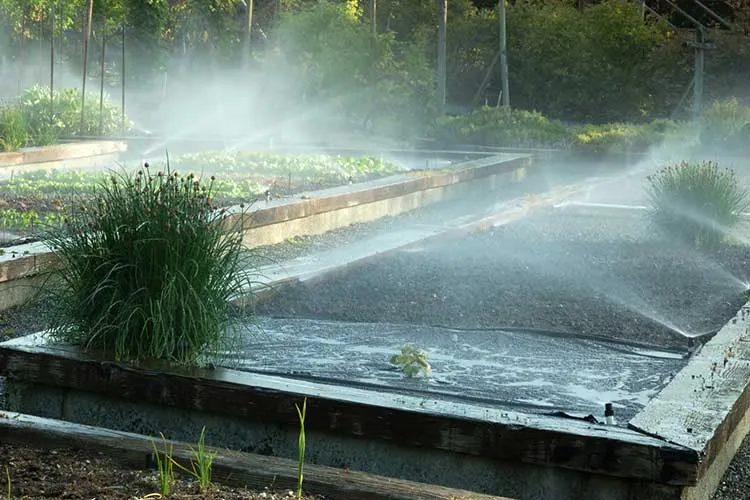
Are you struggling to keep your raised garden bed healthy and thriving? Watering it correctly can make all the difference between wilted plants and a lush, productive garden.
But how do you know when and how much water your raised bed really needs? If you’ve ever wondered how to water a raised garden bed the right way, you’re in the right place. Keep reading, and you’ll discover simple, practical tips that will help your plants soak up just the right amount of moisture—no more, no less.
Your garden will thank you!

Credit: savvygardening.com
Choosing The Right Watering Method
Watering a raised garden bed correctly helps plants grow strong. The right watering method saves water and keeps soil healthy.
Choose a watering method that fits your garden size and plant needs. Use tools that make watering easy and efficient.
Hand Watering Techniques
Hand watering lets you control how much water each plant gets. Use a watering can or hose with a gentle spray nozzle.
Water at the base of plants to avoid wetting leaves. Water slowly to let water soak deep into the soil.
- Water early in the morning or late in the day
- Check soil moisture before watering
- Avoid overwatering to prevent root rot
Drip Irrigation Benefits
Drip irrigation delivers water directly to plant roots. It reduces water waste and keeps soil moist longer.
This system uses tubes and emitters to drip water slowly. It works well for raised beds with many plants.
- Saves water by targeting roots only
- Reduces weed growth by watering less surface area
- Can be set on a timer for easy watering
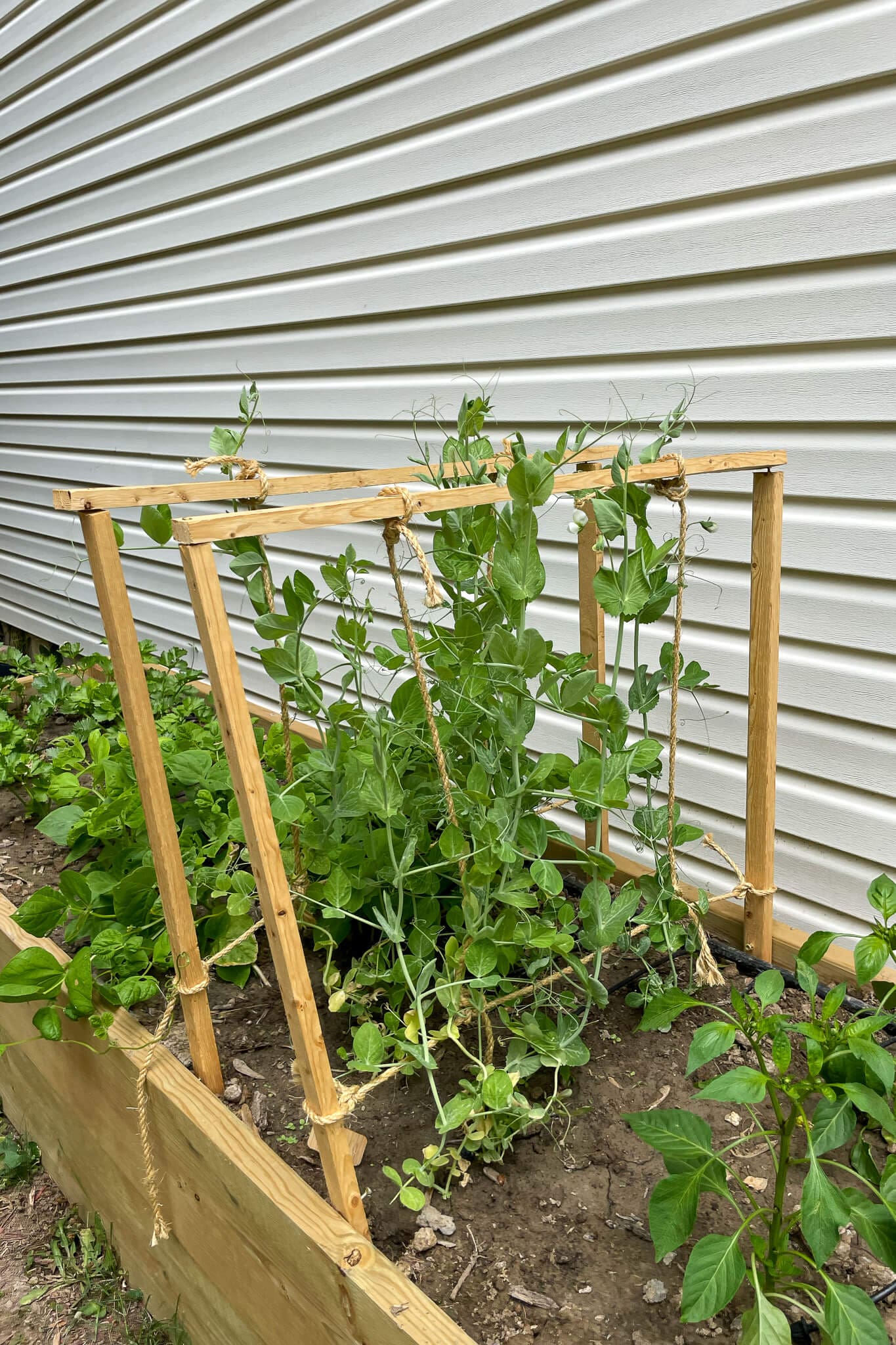
Soaker Hoses For Consistent Moisture
Soaker hoses release water slowly along their length. They keep soil evenly moist without flooding plants.
Lay hoses on the soil surface or just under mulch. This method works well for wide raised beds.
- Easy to install and move around
- Reduces water runoff and evaporation
- Provides steady moisture for healthy roots
Credit: crystelmontenegrohome.com
Best Time To Water
Watering your raised garden bed at the right time helps plants grow well. It also saves water and keeps soil healthy.
Choosing the best time to water can reduce water loss and protect your plants from stress.
Morning Vs Evening Watering
Watering in the morning is best because plants can absorb water before the heat starts. It helps plants stay hydrated all day.
Evening watering can leave soil wet overnight. This may cause plant diseases or attract pests.
- Morning watering reduces plant stress.
- Plants dry faster in the morning sun.
- Evening watering can cause fungus growth.
- Morning water reaches roots before heat.
Avoiding Evaporation Loss
Water evaporates quickly when the sun is hot. Water your garden when temperatures are cool to save water.
Using mulch on soil helps keep moisture longer. It also protects roots from heat and reduces watering needs.
- Water early in the morning or late afternoon.
- Use mulch to keep soil moist.
- Water slowly to soak the soil deeply.
- Avoid watering in midday sun to prevent evaporation.
Amount Of Water Needed
Watering a raised garden bed properly ensures healthy plant growth. Knowing the right amount of water helps plants thrive.
Too much or too little water can harm plants. Understanding soil and plant needs is essential.
Soil Moisture Levels
Check soil moisture to determine water needs. Soil should be damp but not soaked.
- Use a moisture meter for accurate readings
- Water when the top inch feels dry
- Avoid water pooling on the surface
Adjusting For Plant Types
Different plants have unique water requirements. Adjust watering based on plant type.
| Plant Type | Water Requirement |
| Cactus | Low |
| Tomato | Moderate |
| Fern | High |
Improving Water Retention
Water retention is important for raised garden beds. It helps plants get enough water longer. Good water retention reduces how often you need to water.
Using mulch and soil amendments can keep soil moist. They stop water from drying out fast. This guide shows how to use these methods well.
Using Mulch Effectively
Mulch covers soil and keeps moisture inside. It also stops weeds that use water. Use organic mulch like straw or wood chips for best results.
- Spread 2 to 3 inches of mulch evenly over soil.
- Keep mulch a few inches away from plant stems.
- Replace mulch yearly as it breaks down.
- Water soil before adding mulch to lock in moisture.
- Use mulch that suits your climate and plants.
Soil Amendments For Moisture
Soil amendments improve water holding capacity. They also add nutrients and help roots grow better. Common amendments include compost, peat moss, and coconut coir.
| Amendment | Water Retention | Additional Benefits |
| Compost | High | Improves soil nutrients and structure |
| Peat Moss | Very High | Increases acidity for certain plants |
| Coconut Coir | High | Eco-friendly, adds air to soil |
| Perlite | Moderate | Improves drainage and aeration |
Signs Of Overwatering And Underwatering
Watering raised garden beds correctly helps plants grow healthy. Both too much and too little water cause problems. Knowing signs of overwatering and underwatering helps you care for your plants.
Look closely at your plants and soil. This helps you find the right balance of water for your garden bed.
Leaf And Root Indicators
Leaves and roots show clear signs of water stress. They tell you if your plants get too much or too little water.
- Overwatered leaves:Yellowing, soft, and wilting leaves often mean too much water.
- Underwatered leaves:Dry, brown, and crispy edges suggest lack of water.
- Roots in overwatered soil:Roots may look brown, mushy, or smell bad.
- Roots in underwatered soil:Roots appear dry, brittle, and shriveled.
Check soil moisture by feeling it. Wet soil for days means overwatering. Dry, crumbly soil means underwatering.
Preventing Common Watering Mistakes
Water your raised bed correctly to avoid plant stress. Use tools and simple habits to water just right.
- Water deeply but less often to encourage strong roots.
- Water in the morning to reduce evaporation.
- Check soil moisture before watering.
- Use mulch to keep soil moist longer.
- Adjust watering based on weather and plant needs.
Water Quality Considerations
Water quality matters for healthy raised garden beds. Clean water helps plants grow strong.
Poor water can harm plants or soil. Learn how to use good water sources for your garden.
Using Rainwater
Rainwater is a natural and soft water source. It usually has fewer minerals than tap water.
- Collect rainwater using clean barrels or containers.
- Keep containers covered to avoid bugs and debris.
- Use rainwater soon after collection for best results.
- Test rainwater if you live near industrial areas to check for pollution.
Avoiding Harmful Chemicals
Chemicals in water can damage plants and soil life. Some chemicals come from tap water or runoff.
| Chemical | Source | Effect on Garden |
| Chlorine | Tap water | Harms beneficial microbes |
| Fluoride | Tap water | Can build up in soil |
| Pesticides | Runoff | Can poison plants and insects |
| Heavy Metals | Polluted water | Can be toxic to plants |
Use filters or let tap water sit for 24 hours to reduce chlorine. Avoid water from polluted sources.
Seasonal Watering Adjustments
Watering a raised garden bed changes with the seasons. Plants need different amounts of water in spring, summer, fall, and winter.
Adjust your watering habits to match weather and plant needs. This helps keep your garden healthy all year.
Adapting To Weather Changes
Watch the weather daily to decide how much to water. Rain means less watering, while hot days need more water.
Windy days dry soil faster. Water deeper to reach roots and prevent plants from drying out.
- Check soil moisture before watering
- Water early in the morning or late evening
- Reduce watering after rain
- Increase watering on hot, dry days
- Protect soil from drying in windy weather
Preparing For Dry Periods
Dry periods need careful planning. Mulch helps keep soil moist and reduce watering needs.
Set up a watering schedule to keep plants hydrated during dry spells. Use drip irrigation or soaker hoses for efficient watering.
- Apply mulch to hold moisture
- Water deeply but less often
- Use drip irrigation or soaker hoses
- Check soil moisture regularly
- Adjust watering as plants grow

Credit: www.youtube.com
Frequently Asked Questions
How Often Should I Water A Raised Garden Bed?
Water raised garden beds about 2-3 times weekly. Adjust frequency based on weather and soil moisture. Early morning watering reduces evaporation and supports plant health.
What Is The Best Watering Method For Raised Beds?
Drip irrigation or soaker hoses work best. They deliver water directly to roots, reducing waste and preventing foliage diseases. Hand watering is also effective for small beds.
How Much Water Does A Raised Garden Bed Need?
Typically, raised beds require about 1 inch of water weekly. This equals roughly 1 gallon per square foot. Monitor soil moisture to avoid over or underwatering.
Can I Use Rainwater For Raised Garden Beds?
Yes, rainwater is excellent for raised beds. It’s free, soft, and often better for plants than tap water. Collect rainwater using barrels or other catchment systems.
Conclusion
Watering a raised garden bed helps plants grow strong and healthy. Use water wisely to avoid waste and keep soil moist. Check soil often to know when it needs water. Water early in the day to help plants absorb moisture.
Remember, deep watering is better than frequent light watering. Keep your garden thriving with simple, steady care. Your plants will thank you with vibrant growth and fresh blooms. Gardening can be easy and rewarding with the right watering habits.