
Are you struggling to keep your raised garden beds properly watered? Getting the right amount of water is key to growing healthy plants and a thriving garden.
Too much or too little can harm your plants, but with the right approach, you can make watering simple and effective. In this guide, you’ll discover easy tips and tricks to water your raised garden beds like a pro. By the end, you’ll feel confident that your plants are getting exactly what they need to flourish.
Keep reading to learn how to make every drop count!
Credit: crystelmontenegrohome.com
Choosing The Right Watering Method
Watering raised garden beds correctly helps plants grow strong. Picking the right method saves water and time.
This guide covers three popular watering options for raised beds. Learn their benefits and tips to choose what fits your garden.
Drip Irrigation Benefits
Drip irrigation delivers water slowly to plant roots. It reduces water waste and keeps leaves dry, lowering disease risks.
- Uses less water than sprinklers
- Targets roots directly
- Easy to automate with timers
- Reduces weed growth
Soaker Hoses Explained
Soaker hoses seep water along their length. They are flexible and fit around plants easily. Soaker hoses provide gentle, even watering.
| Feature | Description |
| Water Delivery | Slow, even seepage |
| Setup | Lay hose on soil surface |
| Best For | Long rows or many plants |
| Water Savings | Moderate |
Hand Watering Tips
Hand watering lets you check each plant closely. It works well for small beds or delicate seedlings.
- Water early in the morning or late afternoon
- Use a watering can with a fine rose nozzle
- Water at the soil level, not on leaves
- Check soil moisture before watering

Credit: www.lifespacegardens.com
Best Time To Water
Watering raised garden beds at the right time helps plants grow better. It saves water and keeps soil healthy.
Choosing when to water depends on weather and plant needs. Picking the best time reduces water waste.
Morning Vs Evening Watering
Watering in the morning is often better for plants. The sun helps dry leaves and soil during the day.
Watering in the evening can leave soil wet overnight. This may cause fungus or plant diseases.
- Morning watering reduces plant stress from heat
- Evening watering can increase moisture loss by evaporation
- Morning watering lets plants absorb water before midday
- Evening watering may keep soil too wet for long
Avoiding Evaporation Loss
Watering when it is cooler lowers evaporation. Early morning or late evening are best times.
Use deep watering to reach plant roots. Shallow watering wastes water as it evaporates fast.
- Water early in the morning for less evaporation
- Use drip irrigation or soaker hoses for deep watering
- Mulch raised beds to keep moisture in soil
- Avoid watering during midday heat
Watering Frequency And Amount
Watering raised garden beds is essential for healthy plants. It’s important to know how much and how often to water.
Too much water can harm plants, while too little can dry them out. Finding the right balance is key.
Adjusting For Plant Types
Different plants have different water needs. Some need more water, others need less.
Vegetables like tomatoes and cucumbers need regular watering. Herbs like thyme and rosemary need less frequent watering.
- Leafy greens need consistent moisture
- Root vegetables prefer drier soil
- Drought-tolerant plants need less water
Seasonal Watering Needs
Watering needs change with the seasons. In summer, plants need more water due to heat.
In spring and fall, rain may reduce the need for watering. In winter, water less as plants grow slower.
| Season | Watering Frequency |
| Spring | Moderate |
| Summer | Frequent |
| Fall | Moderate |
| Winter | Infrequent |
Improving Soil Moisture Retention
Watering raised garden beds is important for healthy plants. Keeping soil moist helps plants grow strong. Improving soil moisture retention saves water and time.
Good soil holds water longer and stops it from drying out fast. Use simple ways to keep soil moist in your raised beds.
Using Mulch Effectively
Mulch covers soil and stops water from evaporating. It also stops weeds that take water from plants. Use mulch to keep soil moist and cool.
Apply mulch in a thick layer around your plants. Organic mulches break down and add nutrients to the soil.
- Use straw, wood chips, or shredded leaves as mulch
- Keep mulch 2-3 inches thick for best results
- Leave a small gap around plant stems to prevent rot
- Replace mulch as it breaks down to maintain coverage
Soil Amendments For Better Water Holding
Adding soil amendments helps soil hold more water. Amendments improve soil texture and structure. This lets water soak in and stay longer.
Use natural materials that keep soil soft and absorbent. Mix amendments well into your raised bed soil for the best effect.
- Compost adds organic matter and nutrients
- Coconut coir holds water and improves soil aeration
- Peat moss increases water retention but use sparingly
- Vermiculite helps soil keep moisture and air
Signs Of Overwatering And Underwatering
Watering raised garden beds is important for healthy plants. Too much or too little water can hurt your garden.
Knowing the signs of overwatering and underwatering helps you fix problems fast. Watch your plants and soil closely.
Leaf And Soil Indicators
Leaves and soil show clear signs if plants get too much or too little water. Learn to read these signals.
- Overwatering leaves:Yellowing, wilting, or soft leaves often mean too much water.
- Underwatering leaves:Dry, crispy edges and curling show not enough water.
- Overwatered soil:Soil feels soggy or muddy and may smell bad.
- Underwatered soil:Soil looks dry, cracked, and pulls away from bed edges.
Correcting Watering Mistakes
If you see signs of overwatering, reduce how often you water. Let the soil dry before watering again.
For underwatering, increase water amounts and frequency. Water deeply to reach roots.
- Check soil moisture before watering. Use your finger or a moisture meter.
- Water in the early morning or late evening to reduce evaporation.
- Use mulch to keep soil moist longer and reduce watering needs.
- Adjust watering based on weather and plant needs.
Tools To Monitor Soil Moisture
Watering raised garden beds correctly helps plants grow well. It is important to know how much water the soil holds.
Using tools to check soil moisture stops overwatering or underwatering. This saves water and keeps plants healthy.
Moisture Meters
Moisture meters are simple tools to measure wetness in soil. They give quick and clear readings.
Insert the meter probe into the soil near plant roots. The meter will show if soil is dry, moist, or wet.
- Easy to use and read
- Helps avoid overwatering
- Works well for raised beds
- Some models measure pH and light too
Diy Soil Checks
You can check soil moisture without tools by hand. Simple tests help know when to water.
Touch and feel the soil at root level. Look for color and texture changes.
- Pinch soil between fingers to check dampness
- Dry soil feels powdery and crumbly
- Moist soil feels cool and holds shape
- Wet soil looks darker and may feel muddy
- Smell soil; healthy soil smells fresh and earthy
Water Conservation Tips
Watering raised garden beds efficiently saves water and keeps plants healthy. Using smart methods helps reduce waste.
These tips focus on collecting rainwater and using irrigation wisely. Both help conserve water in your garden.
Rainwater Harvesting
Collect rainwater to use for watering your raised beds. It is free and reduces tap water use.
- Set up rain barrels under downspouts to catch rain.
- Use a mesh cover on barrels to keep debris out.
- Store water in shaded areas to prevent algae growth.
- Use collected rainwater soon after rain to avoid stagnation.
- Connect drip lines from barrels directly to garden beds.
Smart Irrigation Practices
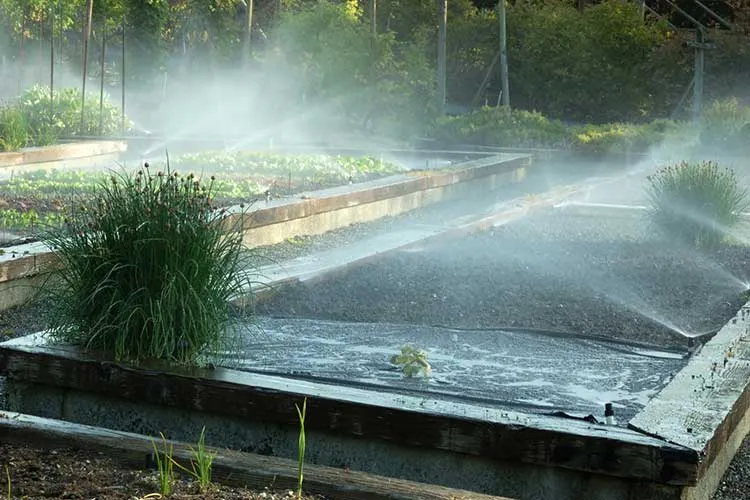
Water your raised beds at the right time and with the right tools. This saves water and helps plants grow well.
| Practice | Benefit |
| Water early morning or late evening | Reduces evaporation loss |
| Use drip irrigation or soaker hoses | Delivers water directly to roots |
| Check soil moisture before watering | Prevents overwatering |
| Mulch raised beds | Retains soil moisture longer |
| Fix leaks in hoses and taps | Prevents water waste |
Credit: www.farmfreshchoice.com
Frequently Asked Questions
How Often Should I Water Raised Garden Beds?
Water raised garden beds 2-3 times per week. Adjust frequency based on weather and soil moisture. Consistent moisture helps plants thrive without waterlogging.
What Is The Best Time To Water Raised Beds?
Water early in the morning or late afternoon. This reduces evaporation and allows soil to absorb moisture efficiently. Avoid watering at midday.
How Much Water Do Raised Beds Need Daily?
Raised beds typically need about 1 inch of water per week. Distribute water evenly to keep soil moist but not soggy for healthy roots.
Should I Water Raised Beds Differently In Summer?
Yes, increase watering frequency during hot, dry weather. Raised beds dry out faster, so check soil daily and water as needed to prevent stress.
Conclusion
Watering raised garden beds well helps plants grow strong and healthy. Use a gentle, steady flow to keep soil moist but not soaked. Water early in the day to reduce evaporation. Check soil often to know when to water next.
Good watering habits save water and protect plants. Try simple tools like drip irrigation or soaker hoses for easy care. Keep watching your garden and adjust watering as needed. Healthy plants start with smart watering.