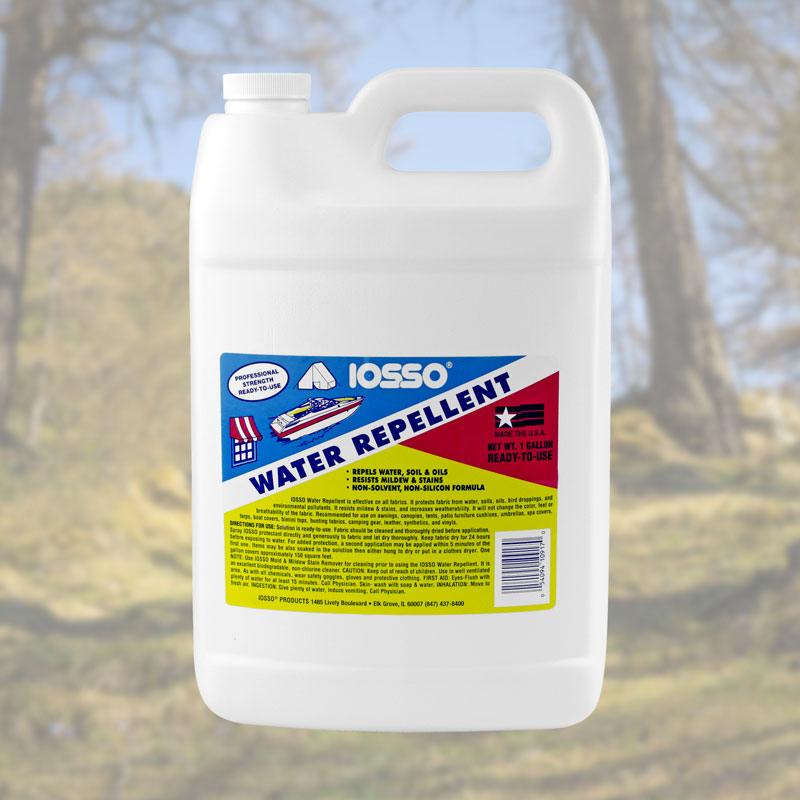
You’ve invested in a sturdy canvas tent, and now you want to make sure it keeps you dry no matter what. But how do you effectively waterproof your canvas tent without damaging it?
If you’ve ever faced rain soaking through your shelter or struggled with damp gear, this guide is for you. By the end of this article, you’ll know exactly how to protect your tent from water, so you can enjoy your outdoor adventures with confidence and comfort.
Keep reading, and discover simple, proven steps to make your canvas tent truly waterproof.

Credit: www.amazon.com
Choosing The Right Waterproofing Products
Waterproofing a canvas tent is essential for a dry and comfortable camping experience. The right products make the process effective and long-lasting.
This guide will help you select the best waterproofing solutions and materials for your canvas tent.
Types Of Waterproofing Solutions
Various products can waterproof your canvas tent. Each type offers unique benefits depending on your needs.
- Silicone-based sprays: These provide a strong waterproof layer.
- Polyurethane coatings: Offers durable protection for heavy rain.
- Wax treatments: Best for traditional canvas tents, adding a classic touch.
Eco-friendly Options
Eco-conscious campers can choose green products. These options are safe for the environment and effective for waterproofing.
- Water-based sealants: Non-toxic and biodegradable.
- Natural waxes: Made from plant-based materials.
- Recyclable packaging: Reduces environmental impact.
Tools And Materials Needed
Before starting, gather all necessary tools and materials. This ensures a smooth waterproofing process.
| Item | Purpose |
| Brush | For applying wax treatments |
| Spray bottle | To evenly distribute liquid sealants |
| Cloth | Wiping excess product |
| Protective gloves | Keeping hands safe from chemicals |
Credit: www.vevor.com
Preparing The Tent For Waterproofing
Waterproofing a canvas tent keeps it safe from rain and moisture. Preparing the tent well helps the waterproofing last longer. This guide shows how to get the tent ready.
Start by cleaning the canvas, then dry and inspect it carefully. Fix any damage before you apply waterproofing.
Cleaning The Canvas
Remove dirt and dust from the tent before waterproofing. Use a soft brush or cloth to clean the canvas gently. Avoid harsh chemicals that can damage the fabric.
Mix mild soap with water for better cleaning. Rinse well to remove soap residue. Clean canvas absorbs waterproofing better.
- Use a soft brush or sponge
- Mix mild soap with warm water
- Clean all areas, inside and outside
- Rinse thoroughly with clean water
- Do not use bleach or strong detergents
Drying And Inspection
Let the tent dry completely in a shaded area. Avoid direct sunlight to stop fabric damage. Drying can take several hours to a full day.
After drying, check the entire canvas for any holes or weak spots. Look carefully at seams and corners where damage often occurs.
- Dry in shade to protect fabric
- Check seams and corners
- Look for holes or tears
- Note areas that need repair
Repairing Damages
Fix any holes or tears before waterproofing. Small holes can be patched with canvas repair tape. Larger damage may need sewing with strong thread.
Repairing ensures waterproofing works well and the tent lasts longer. Make sure all repairs are dry and secure before moving on.
- Use canvas repair tape for small holes
- Sew larger tears with strong thread
- Check that all patches stick well
- Allow repairs to dry fully before waterproofing
Applying Waterproofing Treatments
Waterproofing a canvas tent protects it from rain and moisture. This treatment helps keep the tent dry and durable.
Applying the right waterproofing treatment properly is important. It improves the tent’s performance in wet weather.
Spray Vs. Brush Application
Spraying waterproofing is fast and covers large areas evenly. It works well for big tents and hard-to-reach spots.
Brushing lets you apply the treatment carefully. It is good for small areas or thick layers.
- Spray: quick, even coat, needs good ventilation
- Brush: precise, slower, good for seams and edges
- Use spray for wide surfaces and brush for details
Layering Techniques
Apply waterproofing in thin layers for best results. Thick layers can cause uneven drying and cracking.
Wait between layers to let each one dry. Multiple layers build strong water resistance.
- Start with a light first coat
- Allow drying before adding another layer
- Two or three layers usually work well
- Focus on seams and high-wear areas
Drying Time And Conditions
Dry the tent in a dry, well-ventilated place. Avoid direct sunlight as it may damage the fabric.
Drying time depends on temperature and humidity. Usually, it takes 12 to 24 hours for each layer to dry.
- Ideal drying temperature: 60–80°F (15–27°C)
- Low humidity helps faster drying
- Keep tent flat or hung to avoid wrinkles
- Do not pack tent until fully dry
Maintaining Waterproof Canvas
Keeping your canvas tent waterproof helps it last longer. Proper care stops water from soaking through the fabric.
Regular cleaning and coating keep the canvas strong and dry. Good storage also protects the material from damage.
Routine Cleaning Tips
Clean your canvas tent often to remove dirt and mold. Use a soft brush or sponge and mild soap with water.
Avoid harsh chemicals or bleach. Let the tent dry fully before folding it up to stop mildew growth.
- Brush off dirt and leaves
- Use mild soap and water
- Rinse well to remove soap
- Dry completely in the sun or shade
- Do not machine wash or dry
Reapplying Waterproof Coatings
Apply waterproof coatings to keep the canvas water-resistant. Check the tent for leaks or wet spots before coating.
Use products made for canvas tents, like silicone or wax-based sprays. Follow the instructions on the label for best results.
- Test spray on a small area first
- Spray evenly over clean, dry canvas
- Let the coating dry fully before use
- Reapply every 1-2 years or after heavy rain
Storage Best Practices
Store your canvas tent in a dry, cool place. Moisture and heat can weaken the fabric and cause mold.
Fold the tent loosely to avoid creases. Use a breathable bag or container to keep air flowing around the canvas.
- Ensure the tent is dry before storing
- Store away from direct sunlight
- Keep away from damp basements or garages
- Use a breathable storage bag
- Check the tent regularly during storage
Common Mistakes To Avoid
Waterproofing a canvas tent is important for keeping dry. Many people make simple mistakes that hurt the tent’s protection. Avoiding these errors helps your tent last longer.
Below are common mistakes to watch out for when waterproofing your canvas tent. Fixing them keeps your tent safe from rain and moisture.
Overusing Waterproofing Products
Applying too much waterproofing product does not make the tent more water-resistant. It can block the canvas from breathing. This causes mildew and damage inside the tent.
- Use the recommended amount of product only.
- Apply in thin, even layers to avoid buildup.
- Let each coat dry fully before adding another.
- Test on a small area first to check absorption.
Ignoring Tent Seams
Seams are weak spots for water leaks. Many tent owners forget to seal these areas. Waterproofing only the canvas surface is not enough.
| Seam Area | Common Issue | Waterproofing Tip |
|---|---|---|
| Inside seams | Water can seep through stitching holes | Use seam sealer or tape designed for tents |
| Outside seams | Exposure to rain weakens fabric joints | Apply waterproof spray to reinforce seams |
| Flap edges | Rain may run under flaps | Seal edges with extra care |
Applying On Wet Canvas
Applying waterproofing product to wet or damp canvas reduces its effectiveness. Moisture blocks the product from soaking in well. This leads to poor protection and faster wear.
- Always dry your tent completely before applying waterproofing.
- Choose a dry, sunny day for treatment.
- Store the tent in a dry place before waterproofing.

Credit: www.baysports.com.au
Frequently Asked Questions
How Often Should I Waterproof A Canvas Tent?
Waterproof your canvas tent at least once a year. Reapply after heavy rains or prolonged sun exposure. Regular treatment maintains fabric durability and water resistance.
What Materials Are Best For Waterproofing Canvas Tents?
Use silicone-based or wax-based waterproofing products. They penetrate deeply and provide long-lasting protection. Avoid water repellents that only coat the surface.
Can I Waterproof A Canvas Tent Myself?
Yes, waterproofing a canvas tent is easy. Clean the fabric, apply the waterproofing solution evenly, and let it dry. Follow product instructions carefully for best results.
How Long Does Waterproofing Last On A Canvas Tent?
Waterproofing typically lasts 6 to 12 months. Environmental factors like rain, sun, and abrasion affect longevity. Reapply as needed to maintain effective protection.
Conclusion
Waterproofing a canvas tent protects it from rain and moisture. Regularly applying waterproof treatments keeps your tent safe and dry. Small tears or holes should be fixed right away. Clean the tent before applying any waterproof spray or solution. Store the tent dry to avoid mold and damage.
Proper care extends the life of your canvas tent. Enjoy your outdoor trips without worrying about wet gear. Simple steps make a big difference in tent durability. Keep your canvas tent ready for all weather conditions.