Imagine waking up to the sound of rain, but instead of a soggy, uncomfortable tent, you stay dry and cozy. You want your outdoor adventures to be fun, not ruined by leaks and damp gear.
Waterproofing your tent yourself is easier than you think, and it saves you money while giving you peace of mind. In this guide, you’ll discover simple, effective steps to make your tent water-resistant. Keep reading to learn how to protect your shelter and enjoy every camping trip, no matter the weather.

Credit: www.youtube.com
Choosing The Right Waterproofing Materials
Waterproofing your tent is essential for camping in wet conditions. Using the right materials protects you from rain and moisture.
In this guide, learn about sprays, sealants, fabric treatments, and necessary tools. Make informed choices for your tent’s waterproofing needs.
Types Of Waterproof Sprays And Sealants
Waterproof sprays and sealants create a protective layer on your tent. They repel water and keep the interior dry.
- Silicone-based sprays for robust waterproofing
- Polyurethane sealants for seam protection
- Fluoropolymer sprays for easy application
Selecting Suitable Fabric Treatments
Choosing the right fabric treatment ensures long-lasting protection. Different fabrics require specific treatments to remain waterproof.
| Fabric Type | Recommended Treatment |
| Nylon | Silicone-based spray |
| Polyester | Polyurethane coating |
| Canvas | Wax-based treatment |
Tools And Supplies Needed
Gathering the right tools and supplies is crucial for effective waterproofing. Proper preparation makes the process smoother and more efficient.
- Soft brush for cleaning the tent
- Protective gloves for application
- Masking tape to mark areas
- Spray bottle for even coating
Preparing Your Tent For Waterproofing
Waterproofing your tent helps keep you dry during rain. Before applying any products, prepare your tent carefully.
Proper preparation ensures the waterproofing works well and lasts longer. Follow these steps to get your tent ready.
Cleaning The Tent Fabric
Start by cleaning the tent fabric to remove dirt and grime. Clean fabric helps the waterproof coating stick better.
Use a soft brush or sponge with mild soap and cold water. Avoid harsh chemicals or strong detergents that can damage the fabric.
- Remove loose dirt with a brush
- Mix mild soap with cold water
- Gently scrub fabric using sponge or brush
- Rinse thoroughly with clean water
- Do not use bleach or strong cleaners
Drying And Inspecting For Damage
Let the tent dry completely before waterproofing. Wet fabric prevents the coating from bonding well.
Check the tent for holes, tears, or weak spots. Fixing damage first ensures your tent stays dry after waterproofing.
- Hang the tent in a shaded area to dry
- Look for holes or tears on all sides
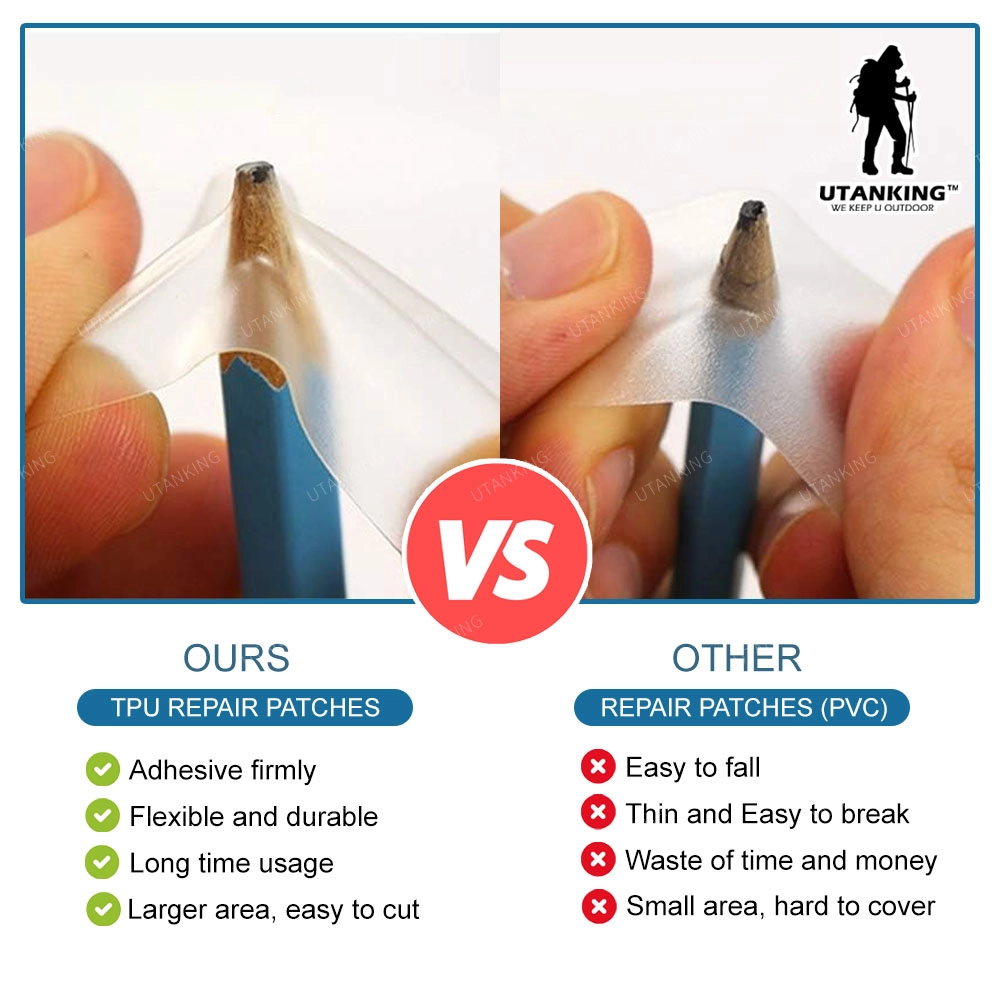
- Repair small holes with patch kits
- Replace damaged parts if needed
Setting Up A Work Area
Choose a clean, flat area with good air flow to work on your tent. This space makes waterproofing easier and safer.
Protect the ground with a tarp or cloth to keep your tent clean. Make sure tools and waterproofing products are nearby.
- Pick a dry, shaded spot outdoors or indoors
- Lay down a tarp or old sheet on the floor
- Arrange waterproofing supplies within reach
- Keep pets and children away from the area
Applying Waterproof Coatings
Waterproof coatings protect your tent from rain and moisture. They help keep the inside dry during bad weather.
Applying these coatings is a simple DIY task. You only need the right materials and some patience to do it well.
Step-by-step Spray Application
Choose a waterproof spray made for tents. Clean the tent fabric before spraying. Spray evenly from about 6 to 8 inches away.
Allow the first coat to dry fully. Then spray a second coat for better protection. Drying time can vary by product.
- Work outside or in a well-ventilated area
- Shake the spray can well before use
- Spray with slow, steady motions
- Cover all fabric surfaces evenly
- Let each coat dry completely
Using Seam Sealers Effectively
Seam sealers stop water from entering through stitch holes. Apply sealer only on the seams, not on the whole fabric.
Use a small brush or applicator to spread the sealer. Press the seams gently to help the sealer soak in better.
- Check seams for damage before sealing
- Clean seams to remove dirt and oils
- Apply a thin, even layer of sealer
- Let seams dry for 24 hours before use
- Reapply sealer yearly for best results
Tips For Even Coverage
Even coverage ensures full protection. Avoid heavy spots that take longer to dry or crack later.
Move your arm in steady, slow motions while spraying. Hold the spray can at the same distance from the fabric all the time.
- Test spray on a small area first
- Apply multiple thin coats instead of one thick coat
- Work in good light to see coverage clearly
- Keep fabric taut to avoid wrinkles
- Store coated tent away from heat before use

Credit: www.popularmechanics.com
Reinforcing Tent Seams And Zippers
Waterproofing your tent protects it from rain and moisture. Focus on seams and zippers. These areas often let water in during bad weather.
Reinforcing them keeps your tent dry and extends its life. Use simple materials and techniques to seal and strengthen these weak spots.
Identifying Vulnerable Areas
Look closely at your tent to find places where water can enter. Seams where fabric pieces join are common weak points. Zippers also need special care because water can seep through the track.
- Check all seams for loose threads or gaps
- Examine zipper tracks for dirt or damage
- Feel inside the tent for light passing through seams
- Notice any worn fabric near zippers and seams
Seam Taping Techniques
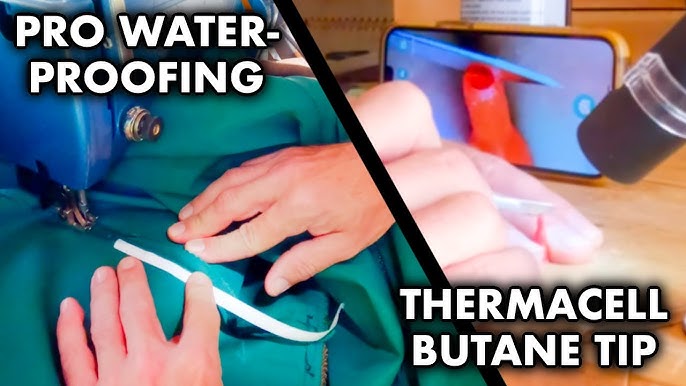
Seam taping adds a waterproof layer over stitched areas. Use special seam tape and a heat source to seal the seams tightly. This stops water from leaking through stitch holes.
- Clean the seams with rubbing alcohol and let dry
- Cut seam tape to fit the length of each seam
- Place the tape over the seam inside the tent
- Use a warm iron or heat press to activate the adhesive
- Press firmly and let cool before folding the tent
Waterproofing Zipper Tracks
Zippers can leak if water seeps between the teeth. Applying a waterproof coating helps block moisture. Use a silicone-based zipper lubricant or waterproof spray.
| Material | Purpose | Application Method |
| Silicone Zipper Lubricant | Waterproof and smooth operation | Apply along zipper teeth and wipe excess |
| Waterproof Spray | Creates water-repellent surface | Spray evenly over zipper area and dry fully |
| Seam Sealer | Seals zipper edges | Brush on zipper edges and let cure |
Maintaining Waterproofing Over Time
Keeping your tent waterproof is important for a dry and comfortable camping trip. Over time, tents can lose their waterproof coating. Regular care helps keep your tent ready for use.
This guide covers how to clean, treat, and store your tent to maintain its waterproofing.
Regular Cleaning Practices
Clean your tent after each trip to remove dirt and grime. Dirt can break down the waterproof coating.
Use a soft brush or sponge with mild soap and cold water. Avoid harsh detergents or bleach.
- Set up the tent and brush off loose dirt.
- Mix mild soap with cold water.
- Gently scrub the tent fabric.
- Rinse thoroughly with clean water.
- Let the tent air dry completely before packing.
Reapplying Waterproof Treatments
Waterproof coatings wear off after many uses. Reapply treatments every year or after cleaning.
Use a waterproof spray or wash-in product made for tents. Follow the product instructions carefully.
- Ensure the tent is clean and dry before treatment.
- Apply the waterproof product evenly on all tent surfaces.
- Allow the tent to dry fully before storing or using.
- Test waterproofing by sprinkling water on the fabric.
Storage Tips To Preserve Protection
Proper storage protects your tent’s waterproof coating. Store your tent in a cool, dry place.
Avoid folding the tent the same way every time. This prevents damage to waterproof layers.
- Make sure the tent is dry before storing.
- Store loosely in a breathable bag or sack.
- Keep away from direct sunlight and heat sources.
- Check the tent for damage before each trip.
Credit: www.utanking.com
Troubleshooting Common Issues
Waterproofing a tent is essential for a dry camping experience. Sometimes, problems like leaks and tears occur despite your efforts.
This guide helps you fix common issues when waterproofing your tent yourself.
Dealing With Persistent Leaks
Leaks often appear in seams or fabric even after waterproofing. Find the leak source by checking inside the tent during rain or spraying water outside.
- Clean the area around the leak before repair.
- Use seam sealer to cover needle holes and weak spots.
- Apply a waterproof spray on both inside and outside surfaces.
- Allow all treatments to dry fully before packing the tent.
- Repeat the process if leaks continue after drying.
Fixing Fabric Tears
Tears can let water inside and make your tent unsafe. Repair small tears quickly to prevent them from growing.
| Type of Tear | Recommended Repair |
| Small puncture (less than 1 inch) | Use waterproof tape on both sides |
| Medium tear (1 to 4 inches) | Patch with fabric and seam sealer |
| Large tear (more than 4 inches) | Use a professional repair kit or sew and seal |
When To Seek Professional Help
Some problems need expert skills or tools. Choose professional help if your tent:
- Has large rips that you cannot fix well.
- Shows damage to the waterproof coating beyond repair.
- Leaks continue despite repeated DIY fixes.
- Has broken poles or frame parts.
- Needs cleaning and reproofing with special equipment.
Frequently Asked Questions
How Do I Waterproof A Tent At Home?
To waterproof a tent at home, clean the fabric first. Apply a waterproof spray or seam sealer evenly. Let it dry completely before use. This process helps block water and keeps your tent dry during rain.
What Materials Are Best For Diy Tent Waterproofing?
Silicone-based sprays and polyurethane sealants work best for waterproofing tents. These materials create a durable, water-resistant barrier. Avoid oil-based products as they can damage tent fabric over time.
How Often Should I Waterproof My Tent?
Waterproof your tent once every 1-2 camping seasons or after heavy use. Frequent waterproofing maintains protection against rain and moisture, extending your tent’s life and comfort.
Can I Waterproof My Tent Seams Separately?
Yes, sealing tent seams separately with seam sealer prevents leaks. Apply seam sealer carefully along stitching and joints. This reinforces weak points and improves overall waterproofing.
Conclusion
Waterproofing your tent keeps you dry and comfortable outdoors. Use simple materials like waterproof spray or seam tape. Check your tent regularly for leaks or damage. Take time to apply coatings evenly and cover all seams well. Dry your tent fully before storing it to prevent mold.
These easy steps protect your gear and improve your camping experience. Stay prepared for rain and enjoy your adventures worry-free.